 Nadini Perera Wickramasinghe’s professional journey is one rooted in purpose, compassion, and a deep commitment to creating meaningful change in the lives of children and families. With over 15 years of experience as a Speech Pathologist, she has seamlessly blended clinical excellence, academic rigor, entrepreneurship, and advocacy to shape a career that transcends traditional boundaries.
From early work in the nonprofit sector to advanced training in the United States, and from government academia to building global digital health solutions, her path reflects a rare combination of vision and action. Today, Nadini is not only a clinician and researcher, but also a lecturer, trainer, entrepreneur, and young mother; roles that continually inform and strengthen one another. Her work focuses on early intervention, disability inclusion, and equitable access to speech and language services, particularly in Sri Lanka and South Asia. Through innovation, education, and empathy, she continues to redefine what impactful leadership in healthcare and early childhood development can look like.
Q What first inspired you to pursue Speech Pathology, and how has your journey evolved over the past 15 years?
My journey into Speech Pathology began with a simple but powerful motivation: my love for working with and for children. At the age of 19, I started working in the nongovernmental and not-for-profit sector, where I was exposed to community development and policy-related work. This early exposure profoundly shaped my worldview and instilled in me a deep sense of responsibility toward vulnerable populations, especially children who lacked access to essential services. I found immense fulfilment in being able to make a tangible difference in children’s lives, and it became clear to me that intervening early could create lifelong positive outcomes. This realization led me to pursue a clinical degree specializing in Speech Therapy at the Faculty of Medicine, University of Kelaniya. After graduating, I further specialized in paediatric Speech Pathology through postgraduate training in Texas, USA. Over the past 15 years, my journey has expanded across multiple domains. I have worked in the government sector and academia, engaging in teaching, research, and clinical practice. Alongside this, I established my own private practice, which has grown to provide services to families in over 12 countries. More recently, I diversified my work to include professional training, research initiatives, and the establishment of a med-tech company focused on delivering technology-driven solutions for speech therapy. Each phase of this journey has reinforced my belief in early intervention and sustainable impact.
Q You wear many hats: entrepreneur, researcher, lecturer, trainer. How do you balance these roles?
I don’t view these roles as separate identities; rather, I see them as interconnected parts of a single mission.
My clinical work grounds my research in real-world needs, my research enriches my teaching, and all of these experiences collectively shape my entrepreneurial vision. Balance, for me, comes from clarity of purpose and strong systems rather than rigid compartmentalization. I prioritize impact over perfection and allow myself the flexibility to move fluidly between roles depending on where I am needed most. I am deeply grateful that each role allows me to contribute positively and meaningfully, and that they collectively amplify the impact I am able to make.
Q What are the most common misconceptions parents have about speech and language delays in children?
In Sri Lanka and much of the region, stigma remains a significant barrier. Many parents hesitate to seek speech therapy due to social perceptions and instead choose to “wait and see.” One of the most common misconceptions is the belief that children will simply “grow out of” speech and language delays. While some children do catch up naturally, many require timely intervention, and delaying support can reduce the effectiveness of therapy. Another harmful myth is that speech or language delays are linked to intelligence. Communication challenges are not a reflection of a child’s cognitive potential. When delays are not addressed early, children may develop secondary issues such as behavioural challenges, academic difficulties, and social withdrawal due to their inability to communicate effectively. Early intervention, combined with parent coaching and empowerment, can prevent children from becoming severely disabled in the long term. Over the years, I have witnessed children diagnosed with severe autism early in life go on to speak, engage meaningfully, attend mainstream schools independently, and thrive; largely due to timely, evidence-based intervention and strong parental involvement.
Q At what stage should parents seek the support of a Speech Pathologist for their child?
If a parent feels that something is not quite right, that instinct alone is reason enough to seek professional guidance. Early intervention is incredibly powerful, and even support provided at 18 months can make a lifelong difference. Speech and communication development begin even before birth, and stimulation from the very start of life plays a critical role in overall wellbeing. Risk factors for autism and social communication delays can be tracked from birth, with developmental milestones emerging as early as two months. It is truly never too early to seek support. Speech Pathologists also address feeding, eating, and swallowing concerns in both children and adults. From breastfeeding difficulties to challenges with transitioning to solids or persistent picky eating that affects development, a well-trained and experienced Speech Pathologist can provide effective support and guidance.
Q What are the biggest barriers to disability inclusion in Sri Lanka and South Asia today?
Stigma, limited awareness, and unequal access to services remain the most significant barriers to disability inclusion.
There is also a lack of scalable systems that effectively bridge the urban–rural divide. True inclusion requires the alignment of policy, education, healthcare, and innovation. Unfortunately, many countries in the region do not view investment in early childhood intervention, particularly therapy services for children at risk of disability, as a worthwhile return on investment. As a result, services remain inaccessible to families who cannot afford timely intervention. This short-sighted approach poses a long-term risk, as a significant portion of the population may grow up with preventable disabilities, limiting their ability to contribute economically and increasing the burden on national economies. With the exponential rise in autism and speech-related delays globally, making speech therapy and related services accessible is not just a regional priority, but a global imperative.
Q Tell us about the world’s first digital marketplace related to speech therapy that you are building.
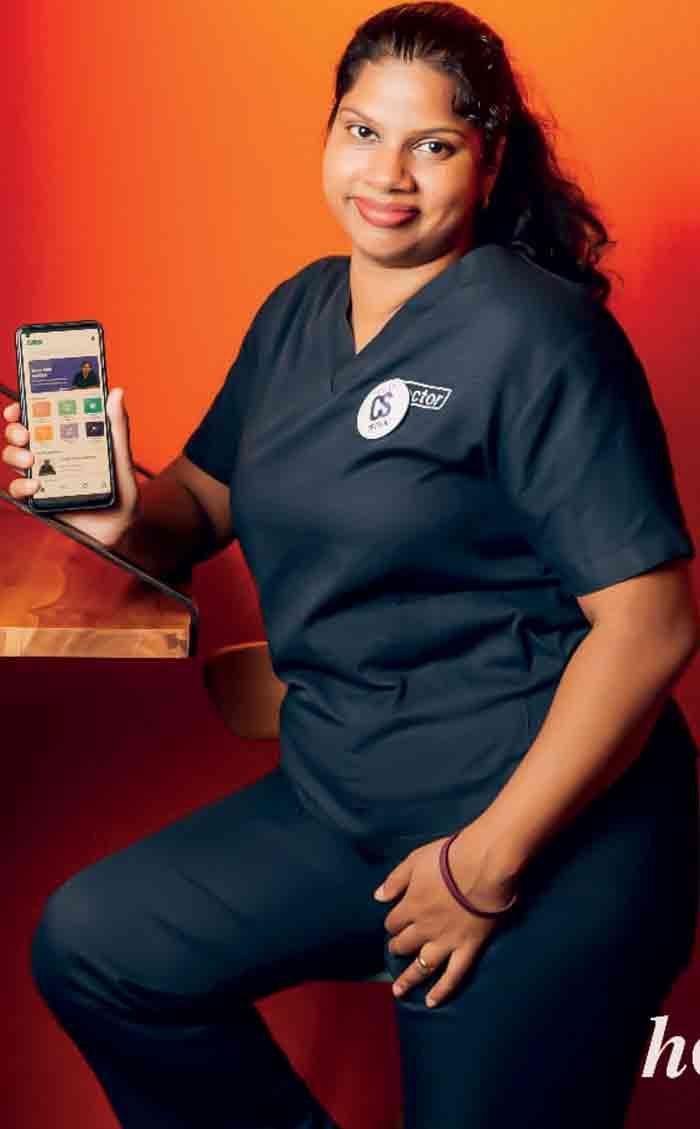
I am currently building a global digital platform designed to bring families, therapists, educators, and therapeutic tools together within a single ecosystem. The goal is to democratize access to high-quality resources and professional support, particularly in regions where specialists are scarce. We began developing this platform last year with endorsement and support from the government, as well as from startup ecosystems such as Hatch Works and global organizations like Uber. We are immensely grateful for the support received from ICTA, SLASSCOM, the Export Development Board, and numerous public and private sector partners. I believe the startup ecosystem in Sri Lanka is currently in a very potent and promising phase, with unprecedented opportunities and support available. This environment has been instrumental in helping us translate a clinical vision into a scalable technological solution.
Q What global best practices in early childhood development can Sri Lanka adopt?
Universal developmental screening, comprehensive parent education, and integrated services across health and education sectors are key global best practices that Sri Lanka can continue to strengthen. Empowering caregivers with knowledge is just as important as training professionals. That said, Sri Lanka’s approach to early intervention is already highly recognized and validated compared to many other countries. The strong involvement of families, the passion and dedication of teachers and early childhood professionals, and the sense of community support create a powerful foundation for addressing childhood disabilities, including speech and language delays.
Q You are a young mother as well as a busy professional. How has motherhood shaped your outlook on life and leadership?
Motherhood has profoundly shaped my empathy, resilience, and leadership style. It taught me that true leadership is about presence rather than perfection. I now lead with greater compassion, flexibility, and courage.
Becoming a mother also humbled me as a clinician, allowing me to more deeply understand the challenges faced by parents who are doing their very best for their children under varying circumstances. This perspective has enriched both my professional practice and my personal growth.
Q Getting married young in Sri Lanka can come with social expectations. How did you navigate these?
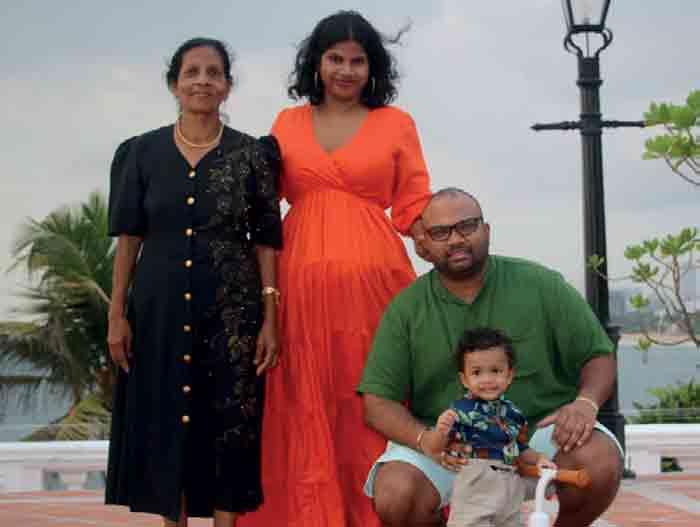
I am deeply grateful for the support of my family. I have always valued marriage and motherhood, and I once joked that I wanted 12 children. Ironically, because of the child development work I do, I have sometimes had to sacrifice time with my own child. However, I am thankful for the unwavering support of my husband, as well as the help of daycare providers, friends, and extended family. In navigating marriage, I learned to define success on my own terms, respecting tradition while asserting autonomy. Growth, I believe, happens when we remain authentic to ourselves. Marriage was a conscious choice for me, and despite everything else I do, it remains a priority in my life.
Q What does a “partnership” in marriage mean to you?
To me, partnership in marriage means having a shared vision, mutual respect, and a commitment to growing together. It is about being allies through life’s ambitions and challenges. A true partnership is not always a perfect 50–50 balance, nor is it transactional. There are times when one partner needs to step up more than the other and being willing to do what is needed for the greater good of the relationship is what truly defines partnership.

- One word that describes you? Passionate
- Motherhood in one word? Love
- Work–life balance: myth or reality? Myth
- Biggest myth about young married women in Sri Lanka? That ambition ends
- Most precious moment with your child? My son telling me that I am a nice person at 3 years old looking at the work I do.
- Awards or impact; what matters more? Impact. One of my mentors told me you should win awards from your clients and employees that’s what matters.
- Role model you admire? My mum, and my aunty (Rose Cooray)
- Biggest risk you ever took? Leaving comfort to build something new, leaving a full-time university job and starting my own clinical company.
- One country you loved working in? Sri Lanka
- Advice to young women: marriage or career first? Build yourself first; know your worth and never depend solely on marriage
- Favorite quote: “All things work together for my good and the purpose I am called for.”