
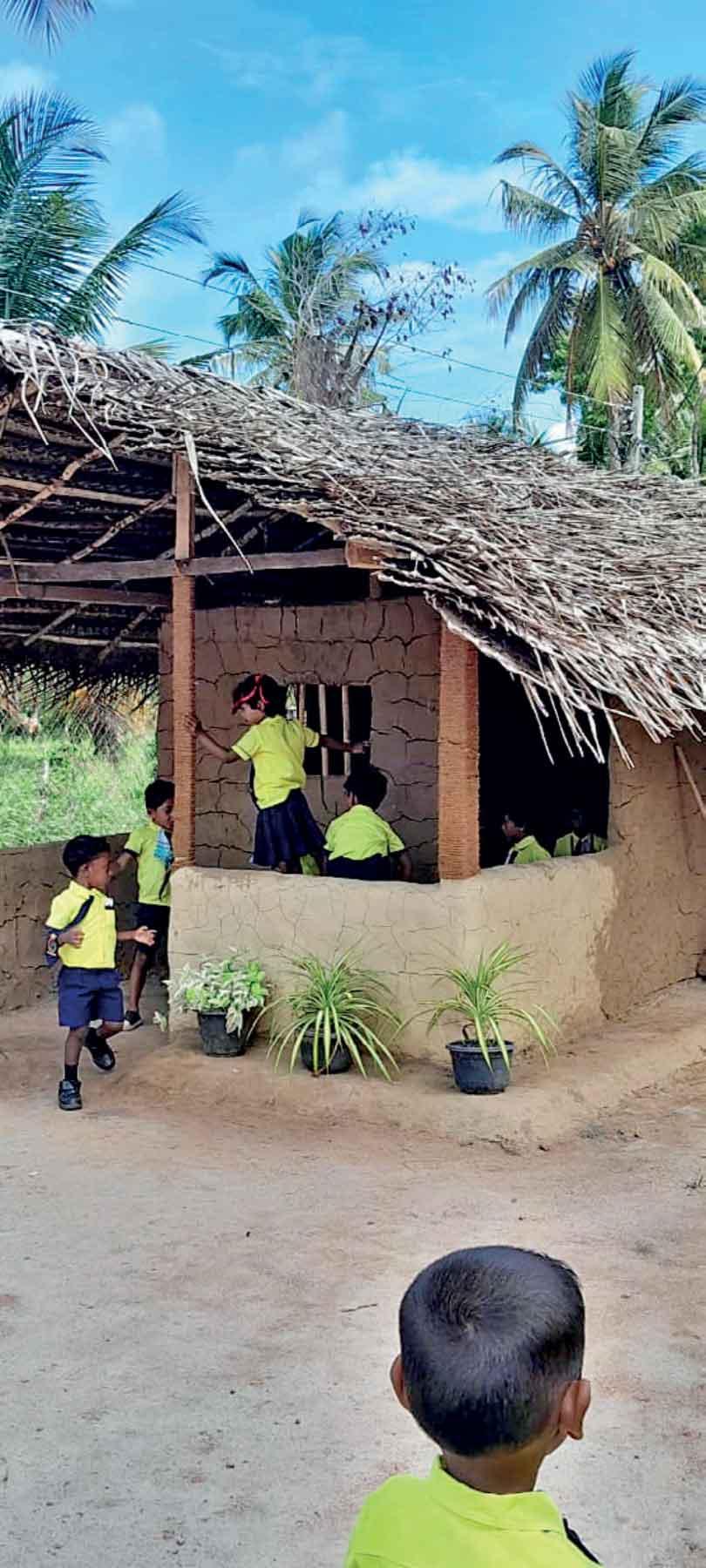
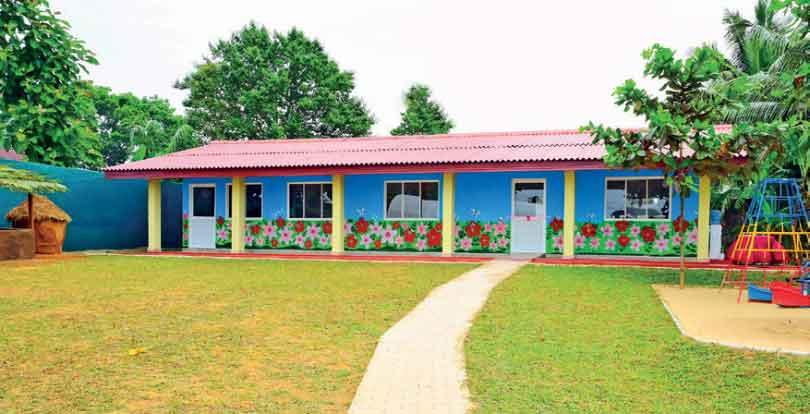
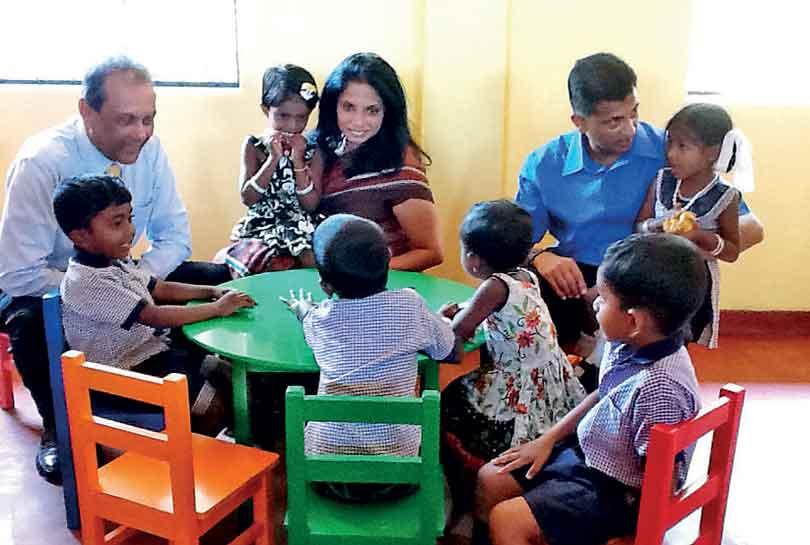


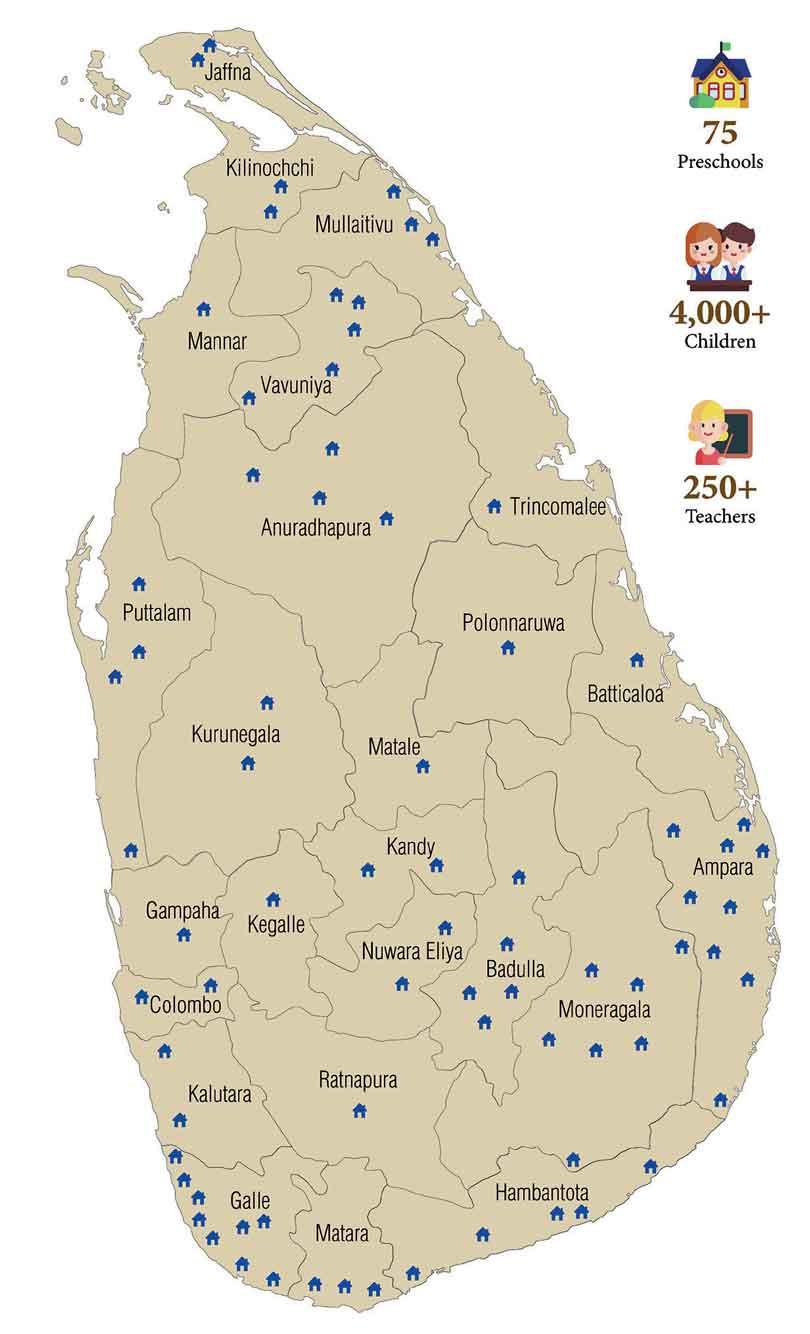
The opening of the 75th Piyawara Preschool in Homagama on 7 January 2026 marked a defining milestone in Sri Lanka’s early childhood development landscape and in the long-standing journey of the Hemas Outreach Foundation (HOF). More than the inauguration of a single preschool, this moment symbolised over two decades of sustained commitment, partnership, and belief in the transformative power of early learning. With this latest addition, Piyawara has firmly established itself as a truly national programme, now reaching children in all districts of Sri Lanka.
The Piyawara Programme was established in 2002 as a pioneering partnership between the Hemas Outreach Foundation and the National Secretariat for Early Childhood Development (NSECD) under the Ministry of Women and Child Affairs. From its inception, Piyawara was envisioned not merely as a preschool-building initiative, but as a comprehensive national effort to strengthen early childhood development (ECD) through a structured, collaborative, and sustainable model. Twenty-three years later, that vision has translated into tangible impact: more than 150,000 children have directly benefited from the programme, while over 4,000 children continue to engage daily in Piyawara preschools across the country.
What makes Piyawara exceptional is its status as one of Sri Lanka’s most successful and enduring public–private partnerships (PPPs). Conceptualised jointly by the government and the private sector, the programme combines public reach with private-sector efficiency, innovation, and accountability. This partnership has enabled Piyawara to scale steadily, adapt to evolving national needs, and remain resilient in the face of economic, social, and environmental challenges.
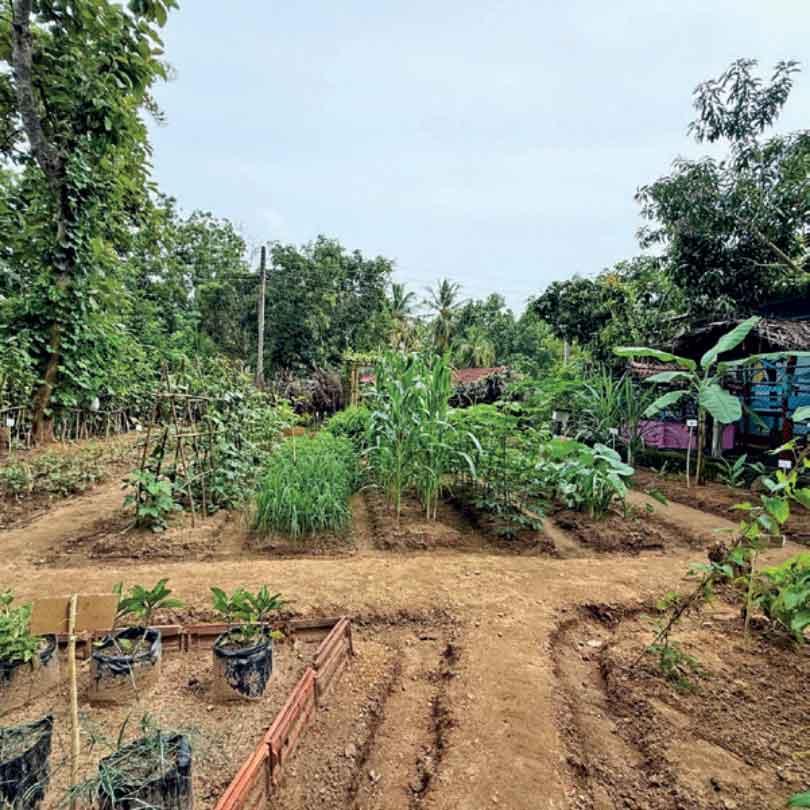
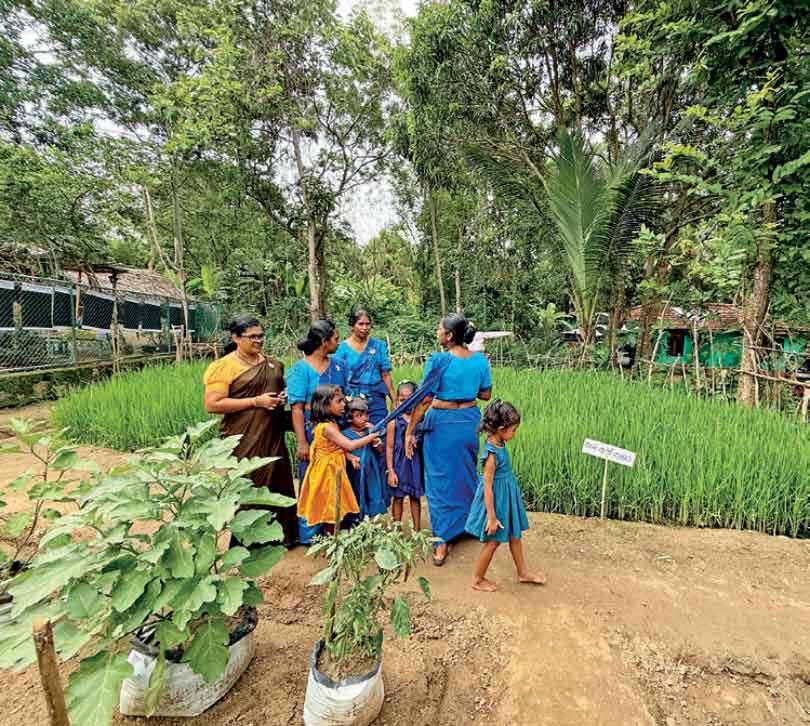
At the heart of Piyawara is a holistic approach to early childhood development, structured around seven integrated pillars. These include expanding the national preschool network; training and professional development of preschool teachers; parental awareness and engagement; child protection; emergency intervention during natural and man-made disasters; empowerment and inclusion of children with disabilities; and learning through play, complemented by home gardening initiatives. Together, these pillars ensure that children are supported not only academically, but socially, emotionally, nutritionally, and physically during their most formative years.
Piyawara preschools are designed as safe, child-friendly learning spaces that encourage curiosity, creativity, and confidence. They are supported by more than 250 trained preschool teachers who play a critical role in nurturing young minds. Each preschool is established following a detailed needs analysis, with priority given to underprivileged and underserved communities. As a result, the majority of Piyawara preschools are located in remote and rural areas where access to quality early education is often limited. The Government provides the land and teachers, while the NSECD and HOF jointly monitor the preschools once operations commence, ensuring consistent standards and accountability.
Sustainability is a cornerstone of the Piyawara model. To support long-term maintenance and community ownership, a Parent–Teacher Fund is established for every preschool with an initial seed capital of Rs. 50,000. This fund is grown through community-led initiatives and is used for minor repairs and ongoing upkeep of the school. In addition, annual teacher training programmes are conducted to enhance teaching quality, alongside regular parental awareness sessions that reinforce the importance of early learning at home. Looking ahead, discussions are underway to pilot inclusive preschool models within selected Piyawara centres, creating disability-friendly environments that ensure no child is left behind.
The true impact of Piyawara is best reflected in the stories of those whose lives it has touched. Across the country, professionals from diverse fields trace their earliest educational experiences back to Piyawara preschools. One final-year medical student recalled how the programme shaped her confidence and learning journey: “We had a lot of learning tools and equipment in the play areas. There were jamborees and picnics that gave us skills and confidence, which helped us in Grade 1 and still help me in medical school today.” Such testimonies underscore the long-term value of investing in quality early childhood education.
Beyond education, the Hemas Outreach Foundation has consistently responded to national crises, recognising the critical need to protect and support children during times of upheaval. Following the 2004 tsunami, HOF, in partnership with the Ministry of Women and Child Affairs and the NSECD, established 29 temporary preschools and child-friendly spaces in major internally displaced persons (IDP) centres across Sri Lanka. These centres operated for two years, providing stability, care, and learning opportunities to children affected by the disaster. In the post-war period, similar child-friendly spaces and preschools were set up at Manik Farm Village in Vavuniya, again functioning for two years. More recently, discussions are underway to establish child-friendly spaces in IDP centres impacted by the Ditwa cyclone, continuing this legacy of timely intervention.
The programme has also adapted to emerging socio-economic challenges. In the wake of Sri Lanka’s 2022 financial crisis, malnutrition rates among children under five rose sharply, threatening years of progress in child health and development. In response, donor partner Hoppers London launched the Feed the Future programme in collaboration with HOF. Through this ongoing initiative, monthly nutritional packs are provided to over 1,275 children and families across selected Piyawara preschools in 12 districts, addressing immediate needs while reinforcing the link between nutrition and early learning.
Hemas Outreach Foundation was established by Hemas Holdings PLC and is governed by an independent Board of Trustees comprising eminent personalities. The Trust is chaired by Abbas Esufally and is audited by EY Sri Lanka, ensuring the highest standards of transparency and governance. Notably, 100% of funds received by the Foundation are utilised directly for project implementation, while all salaries and overhead costs are fully borne by Hemas Holdings PLC. This model has strengthened donor confidence and enabled long-term partnerships with organisations such as Fly & Help Germany and Hoppers London. The programme’s honorary brand ambassador is Roshan Mahanama, one of Sri Lanka’s most respected cricketers and a passionate advocate for education and social service.
Commenting on the opening of the 75th preschool, Abbas Esufally highlighted the strength of collaboration behind Piyawara’s success. He noted that the enduring partnership with the Ministry of Women and Child Affairs has been central to reaching communities nationwide through careful needs analysis and effective resource mobilisation. He emphasised that a project of this scale cannot be sustained by the private sector alone, describing Piyawara as a true success story of public–private partnership, further strengthened by transparent and accountable donor relationships.
Roshan Mahanama, reflecting on his association with the Foundation, shared how his commitment to social service was shaped from a young age by his parents, particularly his father’s humanitarian work. He expressed gratitude for being introduced to Hemas, an association that brought together members of the 1996 World Cup winning team to support children’s education and eventually led to his role as Honorary Brand Ambassador of HOF. He recalled his involvement in establishing the 39th Piyawara Preschool and the Roshan Mahanama Primary School in Weherathanna, Vavuniya, and described the opening of the 75th preschool in Homagama as a proud milestone that reflects the Foundation’s unwavering commitment to Sri Lanka’s future.
Reflecting on the broader journey, Shiromi Masakorala, Executive Director of Hemas Outreach Foundation, described the programme’s growth as both humbling and inspiring. When Piyawara was launched in 2002, she noted, it was difficult to imagine that it would evolve into a national programme of this scale. She emphasised that early childhood development represents the first and most critical investment in a country’s human capital, shaping the quality of its future workforce and leadership. Investing in the formative years, she said, delivers long-term benefits not only for individuals, but for the nation as a whole.
Today, Hemas Outreach Foundation implements two flagship national programmes. Piyawara continues to focus on providing access to quality preschool education for underprivileged children across Sri Lanka. Ayati, the National Centre for Children with Disabilities, stands as the only centre of its kind in the country, currently providing free, specialised services to more than 15,500 children nationwide. Together, these initiatives reaffirm HOF’s commitment to inclusive, equitable, and sustainable child development.
The opening of the 75th Piyawara Preschool is therefore more than a milestone; it is a testament to what sustained vision, partnership, and compassion can achieve. As Piyawara looks to the future, it carries forward a simple yet powerful belief: that every child, regardless of circumstance, deserves the opportunity to learn, grow, and thrive from the very beginning.