Skipping meals has become a normal habit for many people. Some do it because they are busy, some for-weight loss, and others simply because they don’t feel hungry.
But while it may seem harmless, the human body is biologically designed to receive energy at regular intervals. When that fuel is delayed or absent, your body doesn’t just “wait” it starts reacting in ways that can quietly harm your physical and mental health. Food is not only about satisfying hunger. It is the body’s primary source of glucose, which acts as the main energy supply for the brain, muscles, and organs. When you skip meals, glucose levels begin to drop. This triggers a chain of internal responses aimed at survival. Your body switches from a “feeding state” to a “fasting state,” forcing it to compensate for the lack of incoming nutrients.
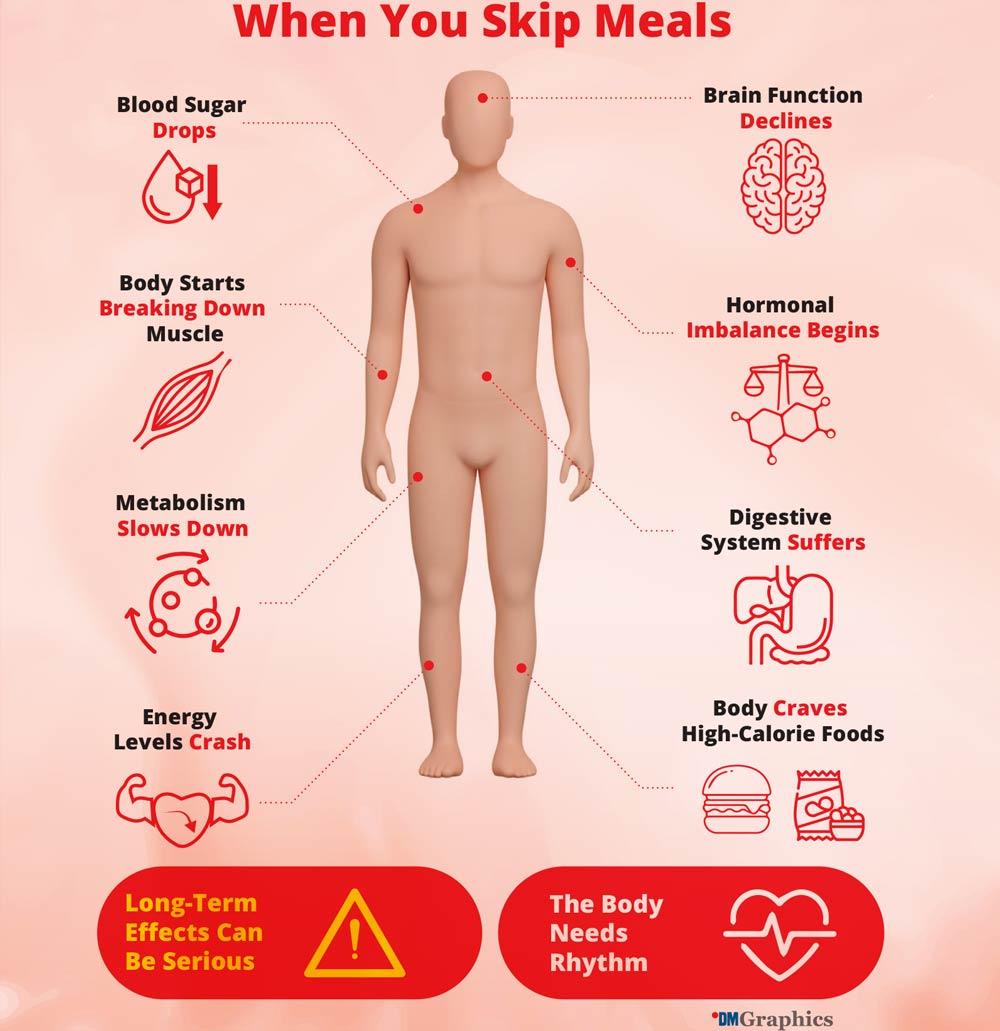
 Your Blood Sugar Drops
One of the first things that happens is a decline in blood sugar levels. The brain relies almost entirely on glucose to function. When glucose falls, symptoms like dizziness, weakness, shakiness, headaches, and poor concentration begin to appear. This is why many people feel irritable or mentally foggy when they haven’t eaten for hours. To counteract this, the body releases glucagon, a hormone that signals the liver to break down stored glycogen into glucose. But glycogen stores are limited. Once they are depleted, the body turns to more extreme measures.
Your Body Starts Breaking Down Muscle
When there is no immediate glucose source, the body begins converting protein into energy through a process called gluconeogenesis. Unfortunately, that protein often comes from muscle tissue. Over time, regularly skipping meals can lead to muscle loss, slower metabolism, fatigue, and weakness. This is the opposite of what many people want when they skip meals for weight loss. Instead of burning fat efficiently, the body enters a protective mode and preserves fat while sacrificing muscle.
Your Metabolism Slows Down
The body is intelligent. When it senses irregular eating patterns, it interprets them as a threat almost like starvation. In response, it reduces metabolic rate to conserve energy. This means fewer calories burned, slower digestion, and increased fat storage when you finally do eat. This survival mechanism explains why people who skip meals frequently may struggle with weight fluctuations or unexpected weight gain.
Hormonal Imbalance Begins
Meal timing is closely linked to hormone regulation. When meals are skipped, cortisol (the stress hormone) rises. Elevated cortisol increases hunger later in the day, encourages fat storage (especially around the abdomen), and disrupts insulin balance. Insulin becomes unstable when eating patterns are irregular, which can increase the risk of insulin resistance over time a major factor linked to prediabetes and metabolic disorders.
Skipping meals also interferes with leptin and ghrelin, the hormones that control hunger and fullness. This often leads to overeating, binge eating, or intense cravings later.
Your Brain Function Declines
The brain is the most energy-dependent organ in the body. Without steady glucose, cognitive performance drops. You may notice: Difficulty focusing, Memory lapses, Slower thinking, Mood swings, Increased anxiety, Irritability. This is because neurotransmitter production is affected when nutrients are lacking. The brain literally struggles to maintain normal chemical balance.
Your Digestive System Suffers
The stomach continues producing acid even when food isn’t consumed. When meals are skipped frequently, this acid can irritate the stomach lining, leading to gastritis, acid reflux, bloating, and discomfort. Digestive enzymes also become irregular, slowing gut function and sometimes causing constipation or poor nutrient absorption when food is finally eaten.
Your Body Craves High-Calorie Foods
When the body is deprived of food, it naturally seeks quick energy. This leads to cravings for sugar, fried foods, refined carbs, and processed snacks. These foods spike blood sugar rapidly, causing temporary relief followed by crashes, creating an unhealthy cycle. This is a biological response, not a lack of willpower.
Your Energy Levels Crash
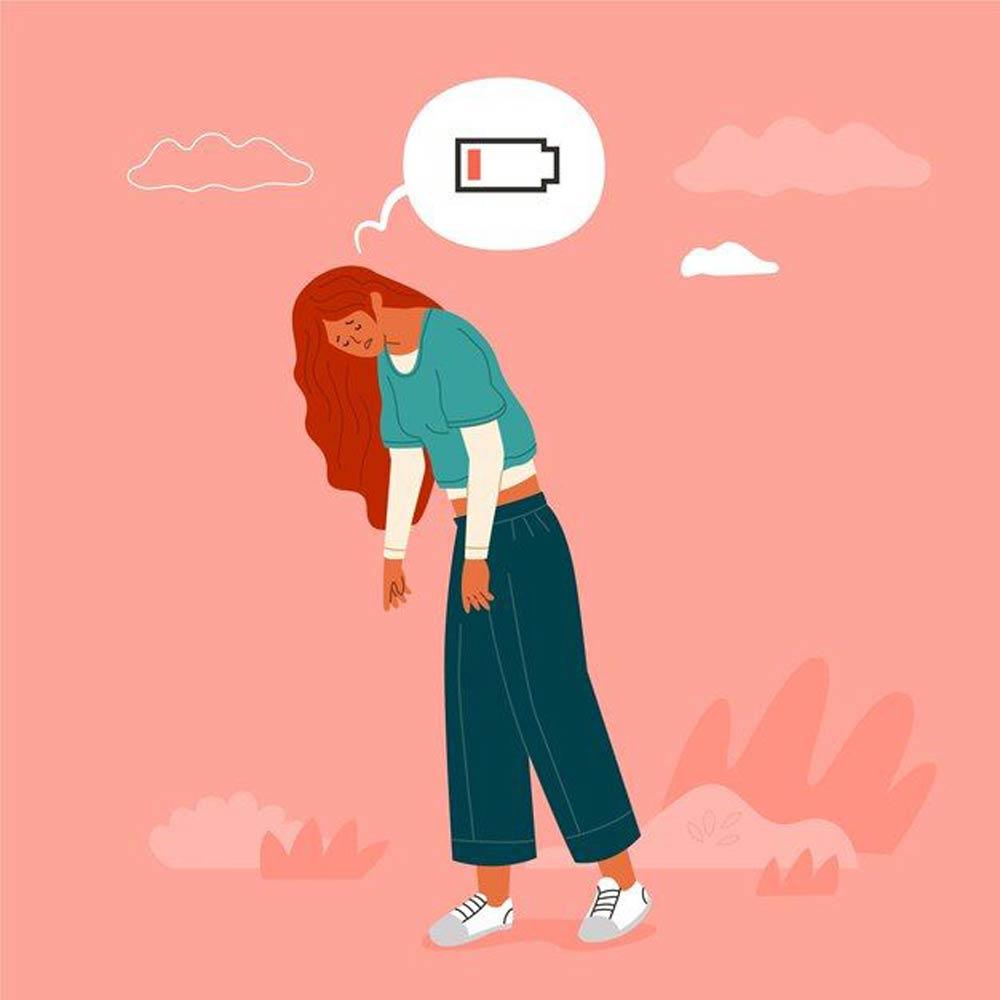
Without regular fuel, the body struggles to maintain energy production. Fatigue becomes common, physical performance drops, and even simple daily tasks feel exhausting. Over time, chronic meal skipping can contribute to weakness, burnout, and lowered immunity.
Long-Term Effects Can Be Serious
Consistently skipping meals is linked to: Nutrient deficiencies, Hormonal imbalance, Reduced muscle mass, Slower metabolism, Digestive disorders, Blood sugar instability, Increased risk of lifestyle diseases. What starts as a small habit can slowly disrupt multiple systems in the body.
The Body Needs Rhythm
The human body functions best with consistency. Regular meals help stabilize glucose, support metabolism, regulate hormones, maintain muscle, and protect brain function. Eating isn’t just a routine it’s a biological requirement that keeps every internal system balanced. Skipping a meal once in a while may not cause harm. But when it becomes a lifestyle, the body pays the price silently. Because when you don’t feed your body, it doesn’t stay still. It adapts. It struggles. And eventually, it weakens.