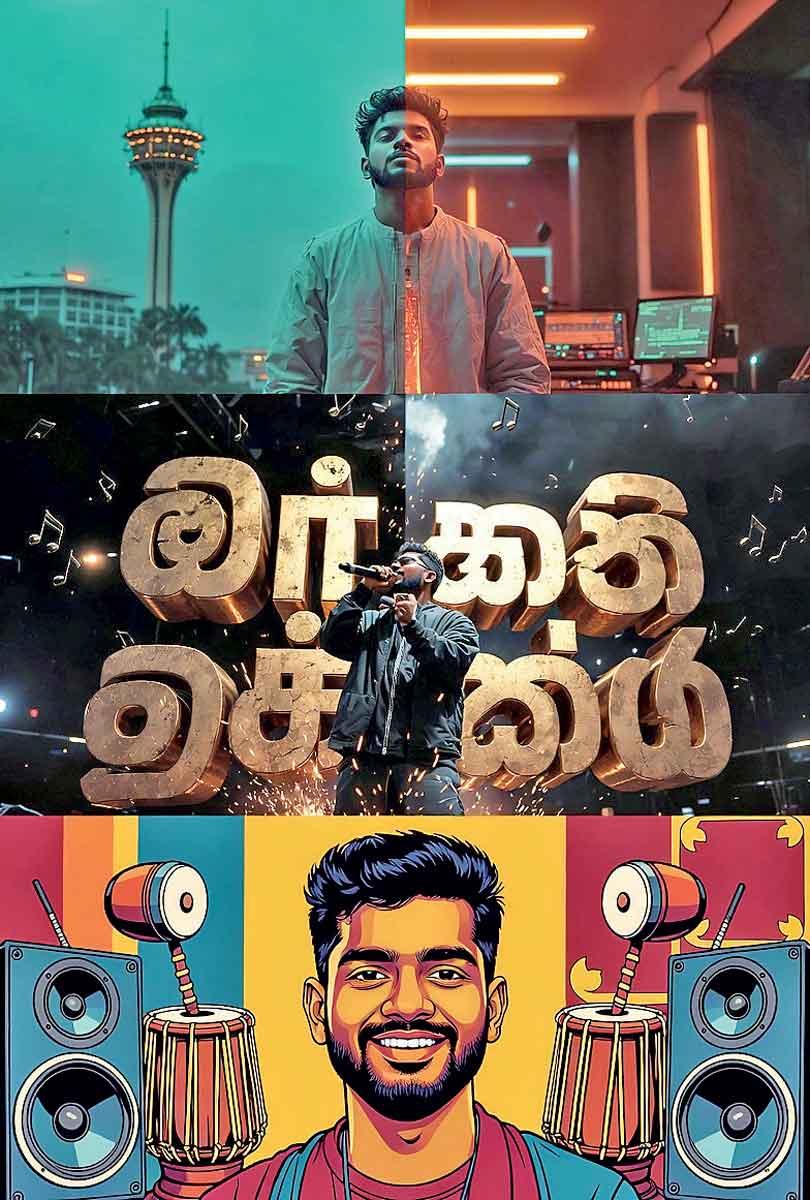
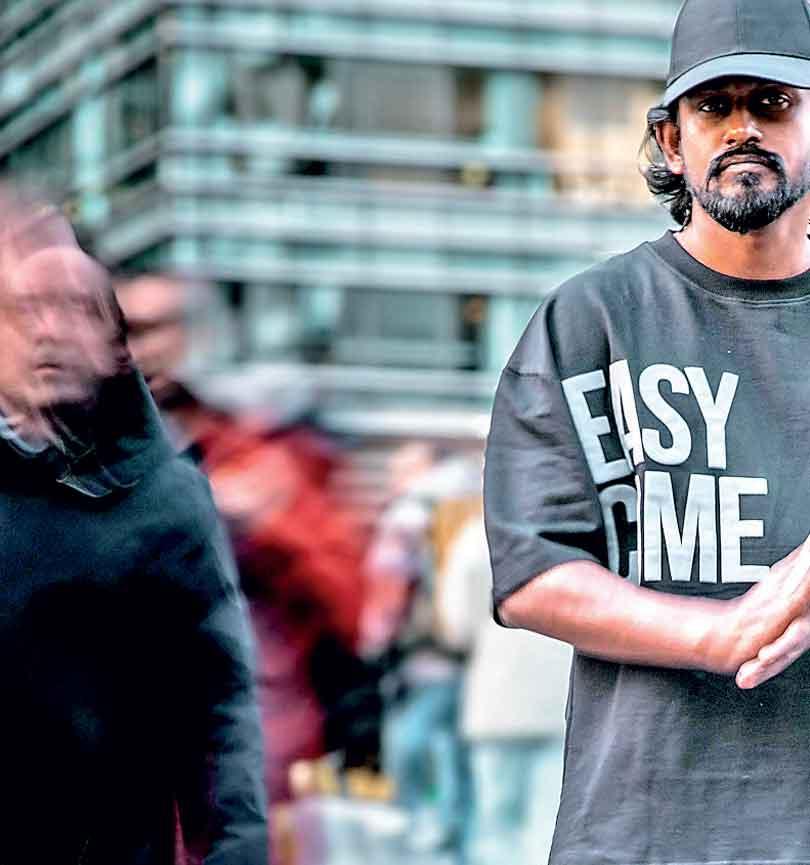
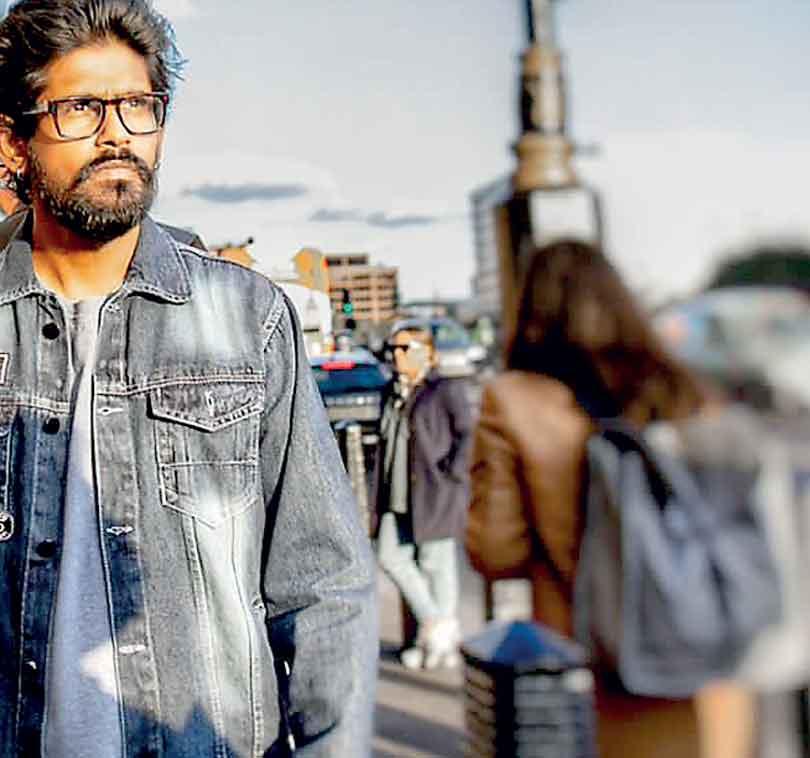
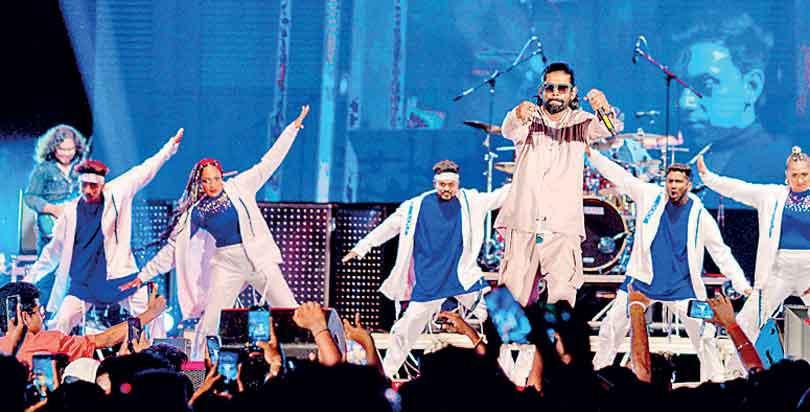
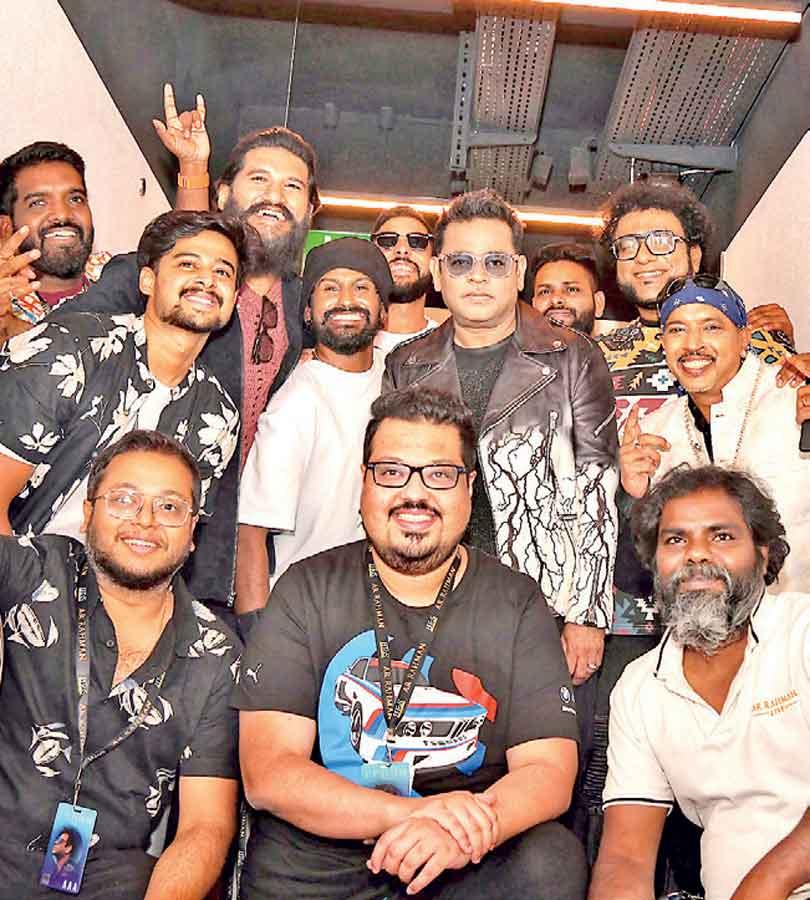
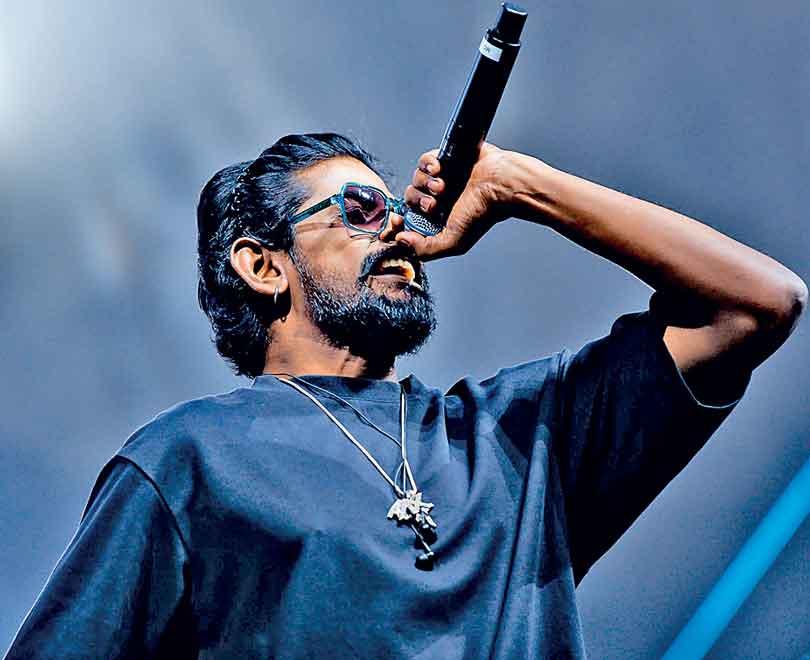
Aaryan Dinesh Kanagaratnam, better known as ADK, stands as one of the most influential voices to emerge from Sri Lanka’s contemporary music landscape. An artist whose career has effortlessly crossed linguistic, cultural, and geographical boundaries, ADK has built a body of work spanning Tamil, Telugu, Sinhala, and English music. His journey from teaching Information Technology in Sri Lanka to performing on global stages alongside icons such as A R Rahman reflects not only ambition, but unwavering belief in artistic purpose. Widely recognised for his independent albums, memorable film soundtracks, and commanding stage presence, ADK has played a pivotal role in shaping the identity of Tamil hip hop beyond India. As he prepares to release his latest bilingual dance anthem, DINGU DAKKA, which blends Tamil and Sinhala musical traditions, ADK reflects on his evolution, his commitment to independence, and his vision for the future of South Asian music.
You began your journey in music while studying and teaching Information Technology. Looking back, did you ever imagine that music would take you this far across industries and borders?
I always manifested that one day I would be noticed, even when I was deeply involved in creative design and teaching IT during my early years. At that time, however, I was honestly quite clueless about how or when it would happen. I never imagined that music would take me this far, across industries and beyond borders. I clearly remember listening to a song from the film Rhythm back in 2003 and daydreaming about performing on the same stage as A R Rahman. At that point, I did not fully understand what that dream truly meant or where it could lead. Today, when I look back on that moment, I feel genuinely happy and grateful. Music has taken me places I never expected, and the journey itself has been deeply fulfilling.
Your upcoming project DINGU DAKKA is described as a pure dance anthem where Tamil meets Sinhala. What sparked the idea for this cross-cultural sound, and why does this moment feel right for its release?
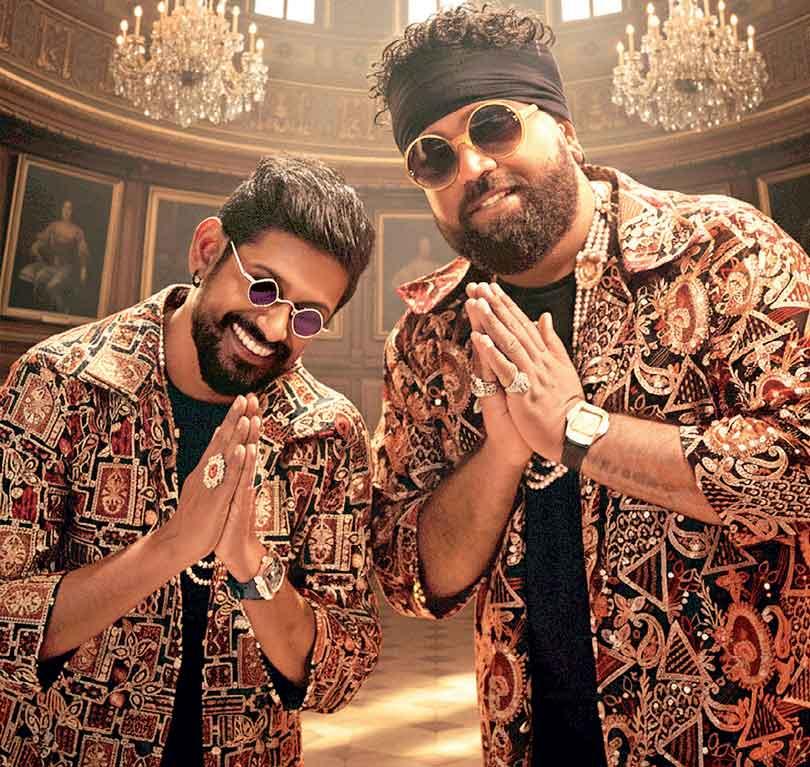
I have always enjoyed bilingual songs ever since childhood, and that fascination stayed with me throughout my musical journey. In my early days, I never imagined I would produce songs like Nam Oru or Surangani, but those experiences gave me the confidence to explore sounds beyond boundaries. I had long wanted to create a truly groovy dance number. One day, during Vijay Antony’s concert, I finally met Ravi Royster, an artist I had heard so much about. The meeting felt natural and timely. We spoke casually about collaborating on a dance track, without any rigid planning. As with most of my projects, it unfolded organically. Interestingly, after the success of bilingual tracks like Thuppuran and Paddapan in 2022, DINGU DAKKA also became a blend of Tamil and Sinhala. It feels exciting and appropriate. On February 6, Ravi Royster and I are officially releasing the song on YouTube and all major digital streaming platforms.
This marks your first collaboration with Ravi Royster. How did this partnership come together creatively?
The collaboration happened in the most unexpected and organic way. Ravi came over to one of my podcast sessions, and after we wrapped up, we stepped out for a relaxed drink together, although I do not drink anymore now. We casually spoke about making a song someday, without any serious planning. At one point, we noticed someone walking with a very distinctive rhythm. I instinctively joked and hummed “dingu dhaka,” inspired by the way she walked. Ravi immediately responded and said we should turn it into a song. That spontaneous moment sparked everything. We produced the track the very next day and recorded it the day after. It was pure creative flow, with no overthinking, just energy and instinct guiding the process.
With the song releasing as both video and audio, what can audiences expect from DINGU DAKKA compared to your previous work?
DINGU DAKKA is built purely to make people move. Sonically, it is peppy, groovy, and highly energetic, staying true to the spirit of a fun dance anthem. Visually, it marks a significant new chapter for me. This is the first project released under our new label, Oviyan Private Limited, and it is once again a fully independent release. That independence gave us complete creative freedom. The song officially drops on February 6 and is accompanied by an entertaining music video directed by Charuka Dushyantha. The visuals are full of rhythm, colour, and attitude, capturing the madness and joy of the track. I am confident audiences will enjoy the video just as much as the song itself.
You have moved seamlessly between independent music and mainstream cinema. How do these two creative spaces differ for you as an artist?
Independent music, for me, truly means freedom. It means creating without boundaries and following your instincts without external pressure. It gives you the space to explore ideas honestly, although the most challenging part is marketing and ensuring the music reaches the right audience. Mainstream cinema, on the other hand, operates within a defined structure. It is more of a brief driven process, where creative freedom can be limited by the requirements of the film. That said, when you work with composers like A R Rahman or Santhosh Narayanan, there is still a great deal of trust and artistic freedom. I enjoy both spaces, as each offers a different kind of creative satisfaction and helps me grow in unique ways.
From working with Vijay Antony to collaborating with A R Rahman, how have these experiences shaped your evolution as a musician and performer?
I have always believed in letting the work speak for itself rather than claiming credit. That mindset has kept me grounded, even though I know I made a sensible and bold career move nearly seventeen years ago, at a time when many of the things I pursued felt impossible. Back then, access to platforms and opportunities was extremely limited, which makes those early risks even more meaningful today. Working and performing alongside legends like A R Rahman and Vijay Antony has been an invaluable learning experience. Touring with them and performing at iconic venues such as the O2 in London, as well as across Europe, the UAE, India, Malaysia, and Singapore, has strengthened my confidence and shaped the artist I am today.
Your early independent albums such as Cross Culture and Tamizha played a key role in defining your identity. How important is independence to your creative process today?
Independence remains extremely important to my creative process, just as it was during my early albums. To me, independence means trusting your instincts and not needing to be told what to do. It gives you the freedom to experiment, to play, and to truly enjoy the process of creating. That freedom keeps the music honest and deeply connected to who I am. It was true then, and it remains the same today.
You have often represented Sri Lankan roots within Tamil cinema and on global stages. How do you consciously carry that identity into your music?
I do not see it as a choice that I can turn on or off. My identity is simply who I am. Over the years, I have faced challenges and accusations because of it, but that has never made me step away from my roots. I am of Indian origin and a third-generation member of my family, yet I am a Sri Lankan Tamil. That identity naturally flows into my music. Wherever I perform and whoever I collaborate with, I carry my country with pride and remain honest about where I come from.
Rap battles during A R Rahman’s concert tours have become a signature moment for fans. What goes through your mind during such high energy live performances?
When I perform live, my only focus is to give my absolute best. On stage, I become a completely different person, full of confidence and energy, while in real life I am much more reserved. There is always a moment when I think back to the young boy sitting in Colombo 15, dreaming of performing alongside A R Rahman, and realising that I am living that dream. I do not see myself as just a supporting act. I am a lead performer, representing my nation and bringing my own voice to the stage.
In 2024, you organised and performed at the Rap Indie concert in London. How do you see platforms like this shaping the future of independent Tamil hip hop?
The Rap Indie concert in London was an incredible experience. It was a collective effort, with the entire team working tirelessly to make the show at the O2 Indigo a success. It marked the very first Rap India show, and seeing it come together was deeply rewarding. Platforms like this are shaping the future of independent Tamil hip hop by giving artists space to showcase their talent, connect with global audiences, and inspire the next generation.
You recently launched your own production company, Oviyan. What is your vision for this label?
Oviyan is more than just a label. I see it as a safe haven for musicians who feel lost or unheard. It is a place where creativity is nurtured, and dreams are given a chance. The philosophy is simple: never give up, no matter how many times you fall. Our vision is to explore together and expand together. Creatively, it reflects exactly where I am now, embracing freedom, collaboration, and joy.
You have worked across Tamil, Telugu, Sinhala, and English music spaces. Do you feel language is still a barrier?
I truly believe music has become universal. When you begin to treat languages as sounds and rhythms rather than barriers, connection becomes effortless. Emotion and energy transcend words, allowing music to speak directly to the heart.
As someone who has witnessed the rise of hip hop in South Asian cinema, how do you see the genre today?
Hip hop has evolved tremendously. Today, the process is far simpler than it once was. Technology and AI have changed production, but the genre continues to thrive because of exceptional artists. I have never strictly identified as a hip-hop artist. I see myself as someone who explores rap in all its forms, without limiting definitions.
Finally, what advice would you give young independent artists from Sri Lanka aiming for regional or international platforms?
Always respect those who help you when you are still a nobody. Never betray or take advantage of people for personal gain. Respect your art and stay true to it. Personal matters are secondary. What truly matters is creating work that speaks for itself. I see incredible potential in young talent, and I wish them nothing but success on their journeys.