Mahashivratri: A Night to Feel Shiva’s Power and Presence
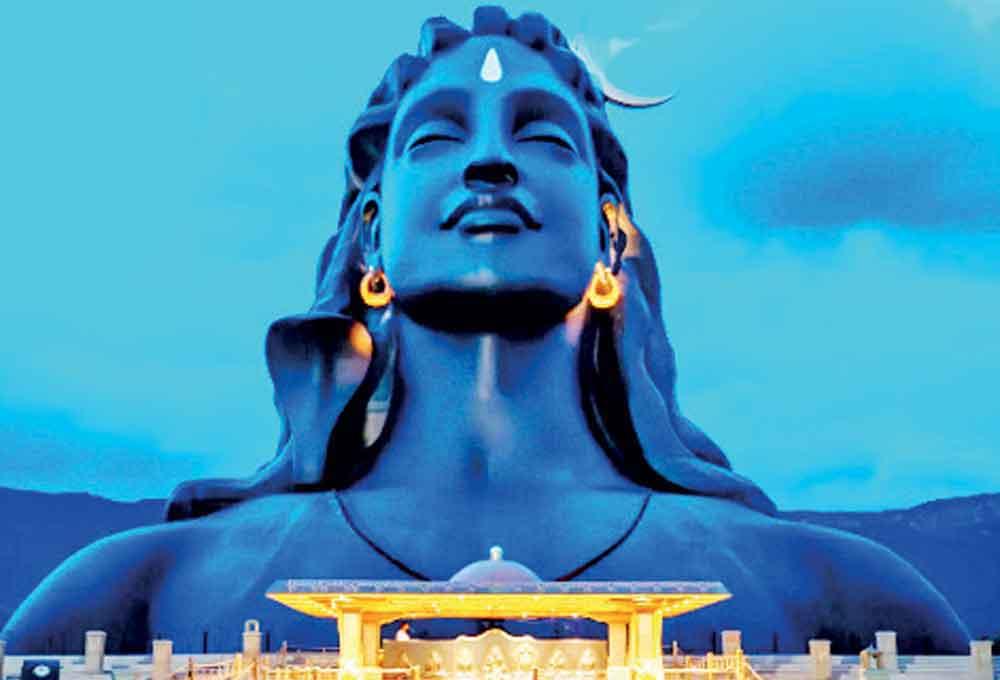
Mahashivratri is among the most sacred and widely observed festivals in Hinduism. Dedicated to Lord Shiva, the divine force associated with transformation, meditation and cosmic balance, this night holds profound spiritual meaning for millions of devotees across India and in Hindu communities around the world. Mahashivratri in 2026 is observed with the same reverence and devotion that has marked this festival for centuries, rooted in ancient traditions and spiritual practices. Although many people casually use the words Shivratri and Mahashivratri interchangeably, the two are not the same. Understanding the distinction between them helps explain why Mahashivratri is considered exceptionally powerful and spiritually significant.
The term Shivratri literally means the night of Shiva. Shivratri occurs every month on the Chaturdashi Tithi, the fourteenth lunar day of the waning phase of the moon, just before Amavasya, the new moon. Each monthly Shivratri is regarded as auspicious, offering devotees a regular opportunity for prayer, fasting and quiet reflection. On these nights, worshippers visit Shiva temples or create a sacred space at home. They offer milk, water and Vilva leaves to the Shivling, accompanied by the chanting of mantras such as Om Namah Shivaya. These monthly observances are generally simple and personal in nature. They are intended to help devotees withdraw from external distractions, calm the mind and reconnect with their inner self through meditation and devotion.
Mahashivratri, which means the Great Night of Shiva, is observed only once a year in the lunar month of Phalguna, which usually falls between February and March. In 2026, Mahashivratri is observed on Sunday, February 15th. Unlike the monthly Shivratri, this annual observance is marked by grand rituals, large gatherings of devotees, elaborate temple ceremonies and night long vigils. Temples remain open through the night, filled with the sound of bells, chants and devotional songs. It is believed that this night carries an exceptionally high concentration of spiritual energy. According to spiritual traditions, the natural alignment of cosmic forces on Mahashivratri supports deep meditation, inner awakening and heightened awareness.
On a spiritual level, Mahashivratri represents the victory of light over darkness and awareness over ignorance. The night itself symbolizes the stillness that lies at the heart of existence. In many spiritual traditions, stillness is seen as the gateway to higher consciousness, where the mind becomes quiet, and the individual becomes receptive to inner truth. Devotees often observe a strict fast on Mahashivratri and remain awake throughout the night in a practice known as Jagaran. Staying awake is not merely a physical act but a symbolic and spiritual one. It represents the effort to remain conscious and alert in the face of darkness, both external and internal. Many believe that sincere prayer, meditation and devotion offered on this night can cleanse past karmas, dissolve inner obstacles and open the path toward spiritual growth, peace and balance.
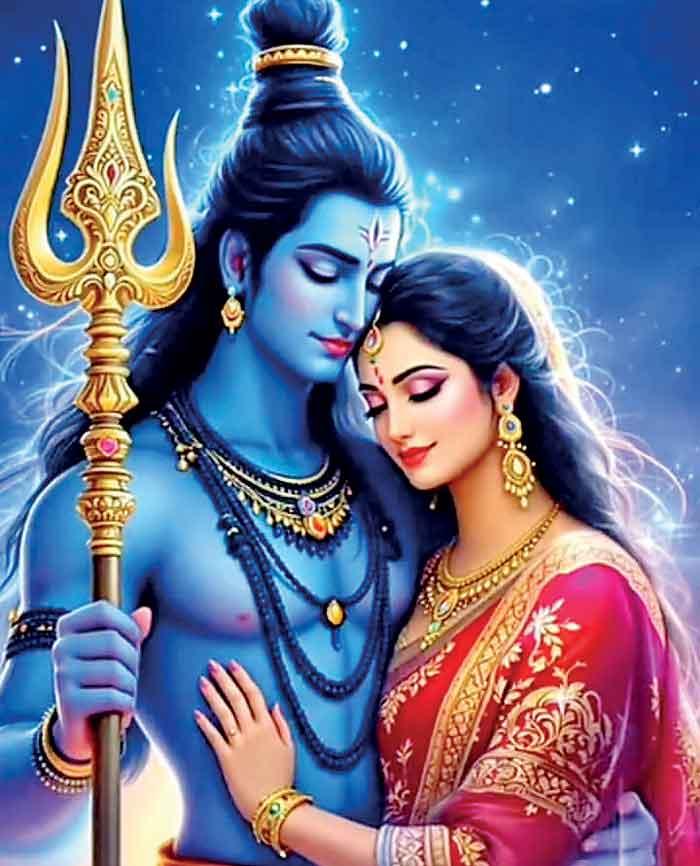
Several ancient legends are associated with Mahashivratri, each adding layers of meaning to its observance. One of the most widely known beliefs is that Mahashivratri marks the divine wedding of Lord Shiva and Goddess Parvati. Their union is seen as a cosmic event representing the merging of consciousness and energy. Shiva symbolizes pure awareness, while Parvati represents dynamic creative power. Together, they embody the harmony between the masculine and feminine principles of the universe. In many temples, symbolic wedding rituals are performed on Mahashivratri. Devotees pray for harmony in their relationships, stability in family life and balance between spiritual aspirations and worldly responsibilities.
Another popular legend states that Mahashivratri is the night when Lord Shiva performed the Tandava, the cosmic dance that represents the processes of creation, preservation and dissolution. This dance is believed to reflect the eternal rhythm of the universe, in which everything arises, exists for a time and eventually dissolves. The story of the Tandava reminds devotees that change is an inevitable part of life, and that destruction is not merely an end but also a doorway to renewal and transformation. Mahashivratri also commemorates the episode of Samudra Manthan, the churning of the cosmic ocean by the gods and demons in search of the nectar of immortality. During this churning, a deadly poison known as Halahala emerged, threatening to destroy all of creation. To save the universe, Lord Shiva consumed the poison. Goddess Parvati held his throat to prevent the poison from spreading through his body, causing his neck to turn blue and earning him the name Neelkanth. This story symbolizes Shiva’s boundless compassion and willingness to absorb negativity and suffering for the welfare of all beings.
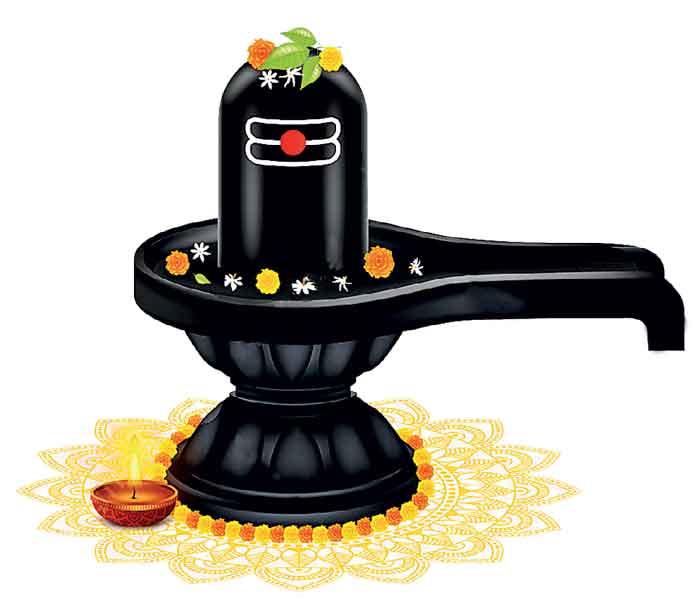
Lord Shiva is often described as Abhisheka Priya, meaning one who is especially fond of Abhisheka, the sacred ritual bathing. On Mahashivratri, devotees perform Rudra Abhisheka, bathing the Shivling with offerings such as milk, curd, honey, ghee, tender coconut water, Panchamrita, sandalwood paste, sugarcane juice, sacred ash and water. Vilva leaves are placed on the Shivling, and Vedic hymns, particularly the Rudram, are chanted during the ritual. Each substance offered during Abhisheka carries symbolic meaning. Milk represents purity and nurturing, honey symbolizes sweetness and harmony, ghee signifies nourishment and devotion, while sacred ash reminds devotees of the impermanence of the material world. The act of Abhisheka is an expression of surrender and reverence. It is believed that Shiva is easily pleased and responds even to the simplest offering when it is made with sincerity and a pure heart.
Mahashivratri in 2026 also carries special historical and spiritual significance at the Art of Living International Center in Bengaluru. According to the tradition associated with this event, the original Somnath Jyotirlinga, believed to have been lost for nearly a thousand years following Mahmud of Ghazni’s invasion in 1026 AD, is being brought to light. The Jyotirlinga is said to have been safeguarded in secrecy for centuries. Its re-emergence is believed by devotees to fulfill a prophecy that is more than a hundred years old. The present Shankaracharya has entrusted Gurudev Sri Sri Ravi Shankar with the responsibility of consecrating this sacred relic. Devotees are to be given the opportunity for a final darshan before its grand reinstallation at Somnath.
The Mahashivratri celebrations at the center include discourses on Shiva, chanting of the Rudram, special pujas, devotional singing and a powerful midnight meditation. These events are expected to draw spiritual seekers and devotees from around the world.
At its heart, Mahashivratri is not merely a festival of rituals, temple visits and large gatherings. It is an invitation to turn inward and experience the stillness and awareness that Shiva represents. While the monthly Shivratris offer regular moments of spiritual reflection and discipline, Mahashivratri stands apart as the most potent night for deep inner renewal. It reminds devotees that beyond the noise and chaos of everyday life exists a state of profound calm and balance. In honoring Shiva on this sacred night, devotees seek not only blessings for health, prosperity and protection, but also a deeper connection to the infinite consciousness that Shiva embodies, a connection that can guide them toward greater clarity, compassion and inner freedom in their daily lives.