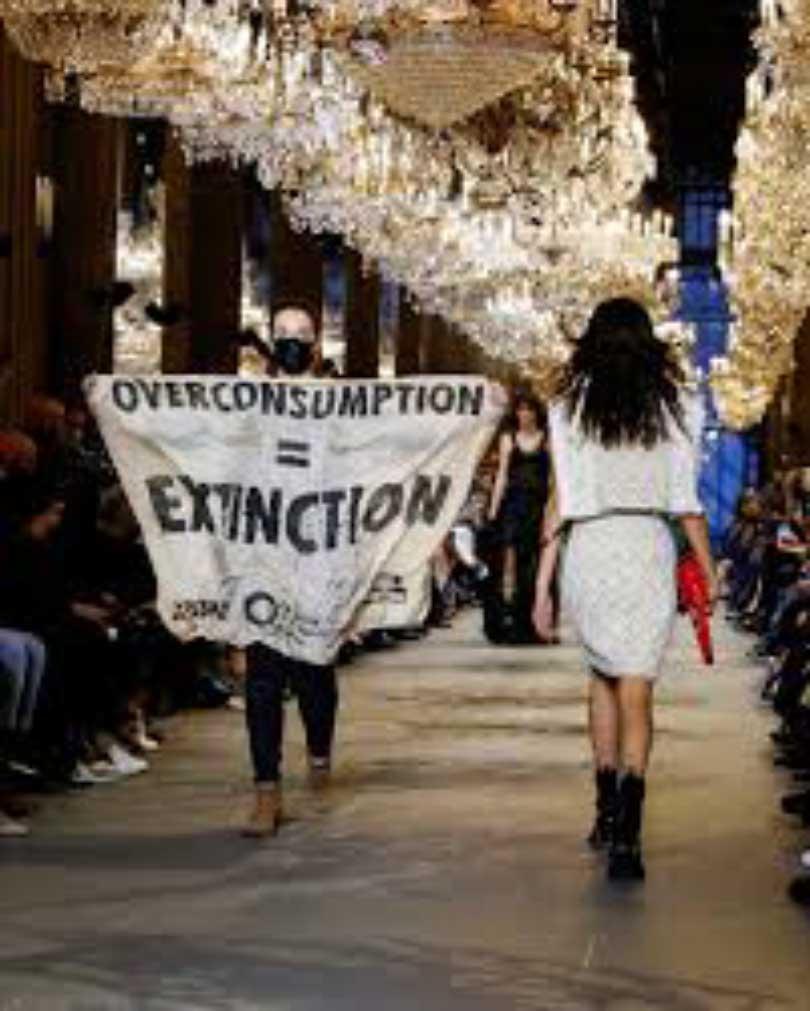
Overconsumption Is the New Smoking
 There was a time when smoking was aspirational. In the early and mid-20th century, cigarettes were marketed as symbols of sophistication, independence, even health. Doctors appeared in advertisements. Film stars held them with effortless glamour. Ashtrays sat comfortably in living rooms, offices, airplanes. It was normal Until it wasn’t. The science caught up. The cultural shift followed. What once signified status slowly became shorthand for harm. Sound familiar?
Today, overconsumption occupies a similar space in our cultural psyche. It is embedded in our routines, glamorized by advertising, normalized by social media, and disguised as self-improvement. Buy more. Upgrade faster. Refresh your wardrobe. Refresh your home. Refresh your identity. All in pursuit of feeling current, successful, worthy. And like smoking once did, it feels harmless, until you zoom out.
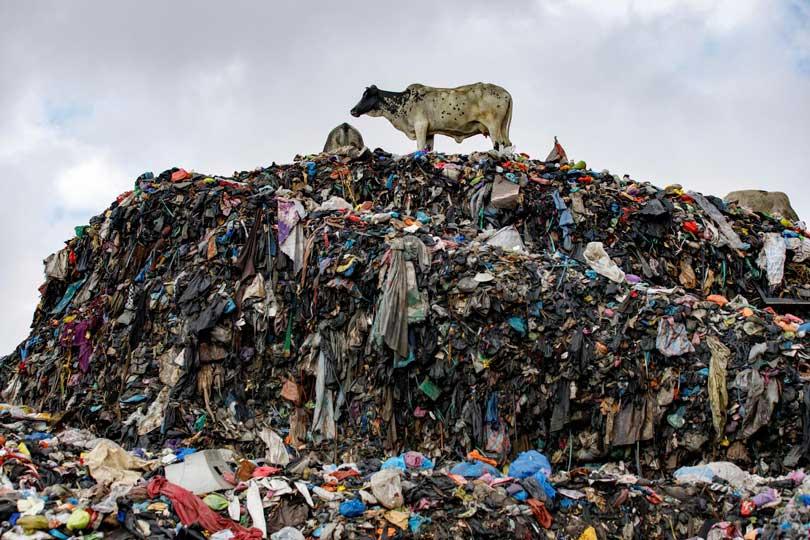
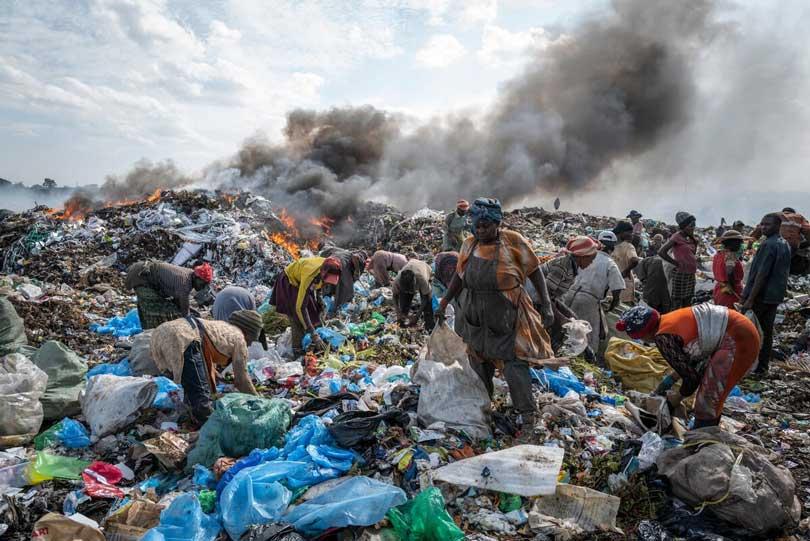
The consequences are no longer theoretical. Landfills are overflowing. Oceans are choking with textile waste and microfibers. Climate change is accelerating at a pace scientists have been warning us about for decades. Inequality continues to widen as supply chains push labour to the brink in the name of lower costs and higher margins. Convenience now. Crisis later. But here is the uncomfortable truth: this did not happen accidentally. Overconsumption feels normal because it was designed to feel that way.
The modern fashion and retail ecosystem is built on velocity. More collections per year. Shorter product life cycles. Lower prices that mask higher externalized costs. Trend cycles that spin so quickly that garments feel outdated before they have even been washed. Add relentless digital marketing to the mix, targeted ads, influencer hauls, algorithmic feeds that study your insecurities, and the message becomes constant and persuasive. You are one purchase away from becoming a better version of yourself. You were not irrational for wanting more. You were trained to.
This is not about individual weakness. It is about systemic engineering. Entire industries are structured around the principle that growth must be perpetual. Profit is prioritized over people, and consumption becomes a civic duty disguised as lifestyle aspiration. Normal does not mean right. For decades, smoking was normal. It was socially accepted, economically defended, culturally embedded. It took courage, and evidence, to disrupt that narrative. It required public health campaigns, policy reform, and a gradual but powerful cultural shift. We are now at a similar inflection point with consumption.

The environmental cost of our habits is staggering. The fashion industry alone is responsible for significant carbon emissions, water consumption, and waste generation. Synthetic fibers shed microplastics into waterways. Unsold inventory is incinerated or dumped. Cheap garments are worn a handful of times before being discarded.
And yet, the dominant message remains; buy more. Why? Because the system depends on it. If garments were made to last decades, if wardrobes were curated slowly and thoughtfully, if repair were as celebrated as replacement, the current economic model would have to fundamentally change. This is where the parallel with smoking becomes particularly stark. Once the truth about tobacco became undeniable, industries fought to protect profits. Doubt was manufactured. Responsibility was deflected onto individuals. “It’s about personal choice,” they argued.
Sound familiar again. Today, environmental responsibility is often framed as an individual burden. Bring your own bag. Recycle better. Shop sustainably. These actions matter, deeply, but they exist within a broader system that continues to incentivize overproduction. We must hold both truths at once: individual choices matter, and systemic change is essential. The most radical act in a buy-more culture is restraint.
Not deprivation. Not asceticism. But intentionality.
- Buy less.
- Choose better.
- Use it longer.
- Repair when you can.
These are not romantic slogans. They are structural interventions at the level of everyday life. Buying less disrupts demand. Choosing better rewards craftsmanship and ethical production. Using items longer reduces waste and carbon impact. Repairing extends lifecycle and restores value to skill. Small decisions, multiplied across millions of households, create massive impact. But there is another layer to this conversation, one that is more psychological than environmental. Overconsumption is not only about things. It is about identity.
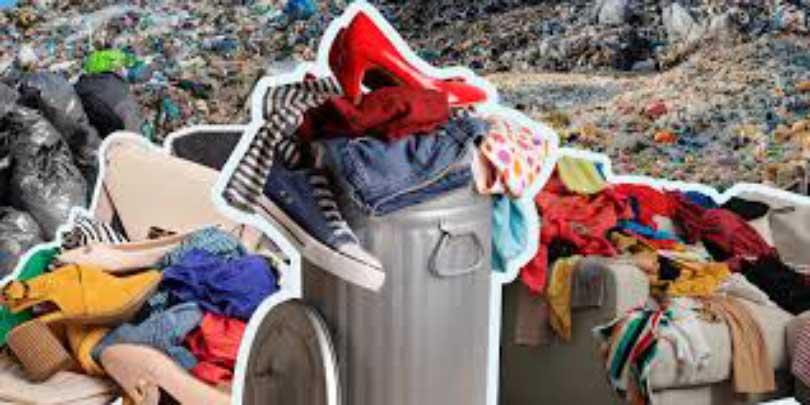
We have been sold the idea that self-worth is purchasable. That transformation can be expedited through acquisition. That newness equals progress. In reality, constant consumption often produces the opposite effect. Cluttered wardrobes. Financial strain. Decision fatigue. A subtle but persistent dissatisfaction, because the dopamine hit of buying fades quickly, and the cycle begins again. What if the promise was flawed from the beginning? What if you do not need more things because you are already enough?
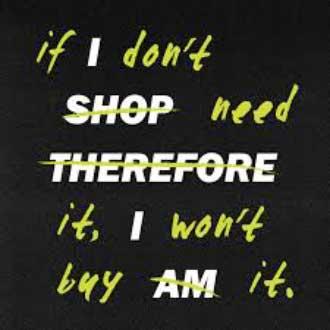 This question is uncomfortable in a culture that monetizes insecurity. If you genuinely believe you are enough, you become a less predictable consumer. Contentment is not profitable. This does not mean rejecting beauty, fashion, or design. As someone rooted in craft and culture, I deeply believe in the power of clothing as expression. Garments can carry heritage & artistry. They can empower and transform in meaningful ways. But there is a difference between expression and excess.
True style is not built on volume. It is built on coherence. On understanding what resonates with you beyond trend cycles. On investing in pieces that tell a story, whether through artisan craftsmanship, thoughtful design, or personal significance. In many cultures, sustainable living was not a trend but a necessity. Clothes were mended, handed down, altered. Materials were valued because they required time and skill to produce. Consumption was measured, not manic.
The irony is that what we now call “sustainable fashion” is often a return to practices that were once simply normal. We have seen this shift before. Smoking moved from glamorous to grotesque within a few generations. Public spaces changed. Policies shifted. Social norms evolved. What was once unquestioned became unthinkable. Will overconsumption follow the same trajectory?
Will future generations look back at our overflowing wardrobes and single-wear outfits with disbelief? Will they question how we justified mountains of waste for the sake of momentary validation? History suggests cultural norms are not fixed. They are negotiated. The question is how quickly we are willing to renegotiate this one. This is not a call for perfection. It is a call for awareness. Every purchase is a vote for the kind of system you want to sustain. Every repair is a refusal to discard prematurely. Every decision to pause before buying interrupts the automatic loop. Overconsumption thrives on speed and distraction. Change begins with slowness and attention. Before your next purchase, ask: Do I need this? Will I use it for years? Does it align with who I am, or who marketing tells me to be? These questions are simple. Their implications are not.
If overconsumption is the new smoking, then awareness is our warning label. The data is clear. The environmental symptoms are visible. The social consequences are measurable. What remains is cultural courage. Years ago, lighting a cigarette felt normal. Today, many would hesitate. Perhaps one day, excessive consumption will carry a similar weight, not of shame, but of understanding. A collective recognition that just because something is widespread does not mean it is wise. We stand at a threshold. Convenience now, or responsibility now. Crisis later, or recalibration today. Honest question: will overconsumption culture age like smoking did? And more importantly, what role will you play in that shift?