World Leprosy Day was observed on Sunday, 25 January 2026, once again drawing global attention to a disease many believe belongs to the past. Marked annually on the last Sunday of January, the day served as a powerful reminder that leprosy has not disappeared, and that for millions of people around the world, its impact continues to shape everyday life.
While modern medicine has rendered leprosy fully curable, the social and emotional burden carried by those affected remains profound, rooted in centuries of fear, misunderstanding, and stigma.
The theme for World Leprosy Day 2026, “Leprosy is curable, the real challenge is stigma,” captured a reality that resonated across continents. Advances in medical science have long ensured that leprosy can be treated effectively through a simple course of multidrug therapy, available free of charge in many countries. Yet for those diagnosed, the journey rarely ends with a prescription. Instead, they often find themselves navigating a world that responds not with understanding, but with distance, silence, and rejection.
For many people affected by leprosy, stigma defines daily life more sharply than the illness itself. Jobs are lost not because individuals are incapable of working, but because fear outweighs facts. Employers, colleagues, and customers often react to a diagnosis with suspicion, despite clear evidence that treated leprosy is not contagious. In some cases, individuals are asked to resign quietly; in others, contracts are terminated under vague pretexts. Livelihoods built over years can vanish overnight, leaving families struggling to survive.
The impact of stigma extends beyond the workplace and into the most intimate spaces of life. Some individuals are forced to leave their homes, while others experience a slower, more painful form of exclusion, remaining physically present but emotionally isolated within their own families. Fear of social judgement often leads relatives to distance themselves, not out of malice, but out of anxiety about how neighbours and extended communities might respond. Social gatherings, religious events, and community celebrations become spaces of quiet exclusion, where absence goes unnoticed but deeply felt.
Children affected by leprosy, or those whose family members are diagnosed, often bear a particularly heavy burden. In many communities, fear and misinformation lead parents or school authorities to keep children away from classrooms, disrupting education and limiting future opportunities. For these children, stigma can steal not only their present, but their aspirations, reinforcing cycles of poverty and marginalisation that persist long after the disease itself has been cured.
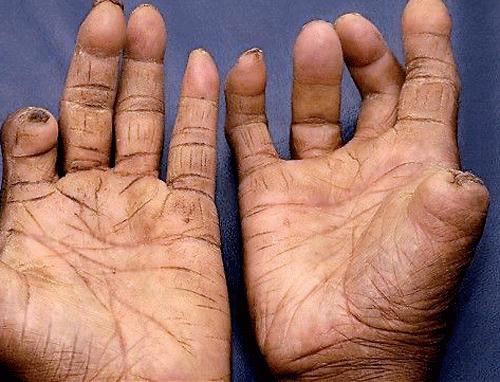
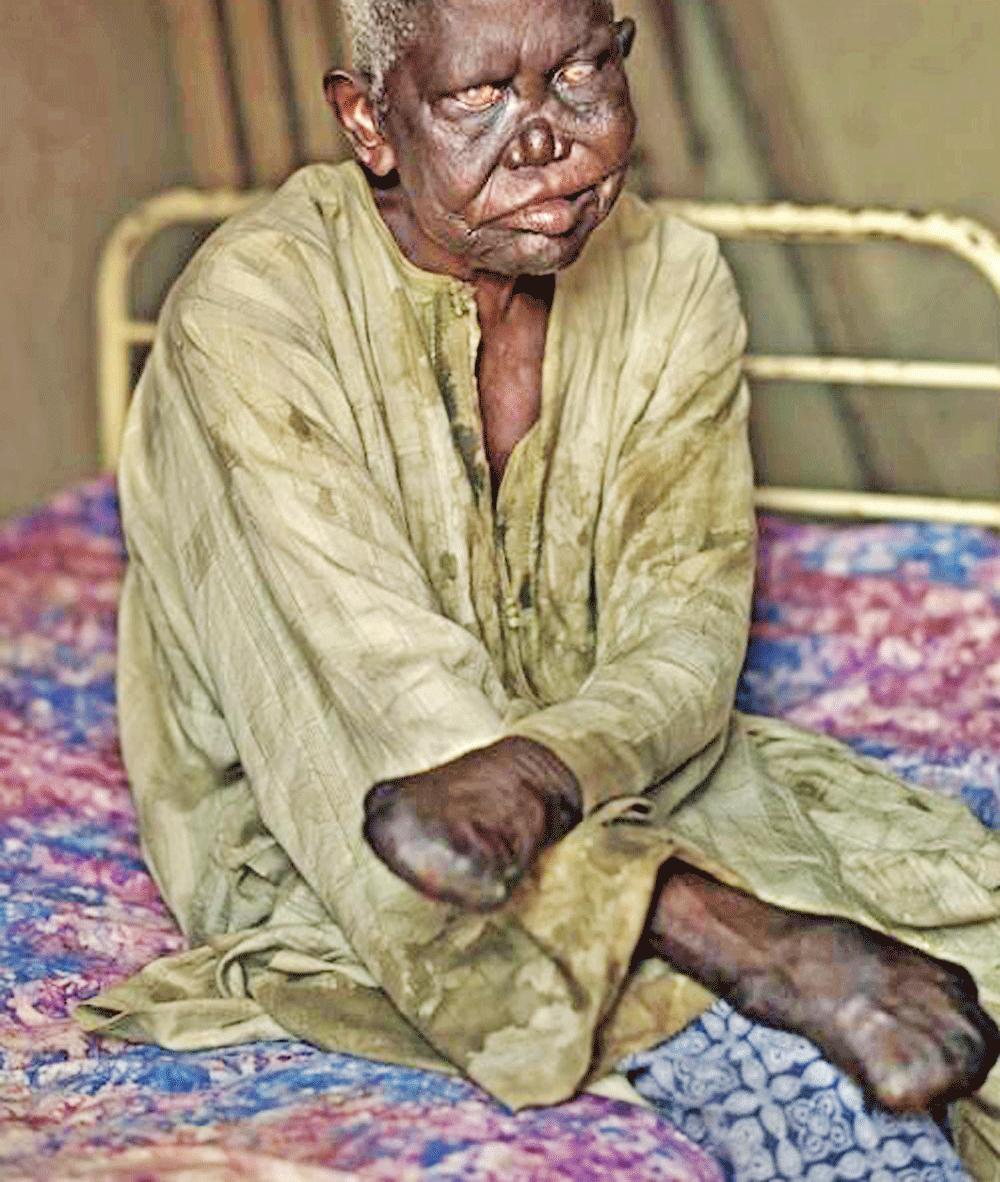
Crucially, those affected by leprosy have repeatedly emphasised that discrimination rarely stems from intentional cruelty. More often, it arises from deeply rooted myths and misconceptions passed down through generations. Leprosy is still widely believed to be highly contagious, incurable, or a punishment for sin, curses, or moral wrongdoing. These beliefs shape reactions at the moment of diagnosis, fostering fear rather than empathy, and silence instead of support.
In reality, leprosy is caused by bacteria and is one of the most treatable infectious diseases known to medicine. Early diagnosis and timely treatment prevent disability, stop transmission, and allow individuals to continue living normal, productive lives. Multidrug therapy has been available for decades and is provided free of charge in many parts of the world. Despite this, stigma remains a significant barrier to early care. Fear of being labelled or rejected leads many to conceal symptoms, delaying treatment until complications develop. By the time medical help is sought, damage that could have been prevented has already occurred.
World Leprosy Day 2026 underscored the reality that stigma is not merely a social injustice, but a serious public health issue. When people delay seeking treatment out of fear, transmission continues quietly within communities, and preventable disabilities become more common. Stigma undermines elimination efforts, allowing a curable disease to persist. Ending leprosy, therefore, requires more than medical intervention; it demands changes in attitudes, understanding, and collective responsibility.
The observance of World Leprosy Day also carries deep historical significance. The day was originally chosen by French humanitarian Raoul Follereau in honour of Mahatma Gandhi, whose work with people affected by leprosy challenged prevailing social attitudes of his time. Gandhi did not view leprosy as a reason for exclusion, but as a call to compassion and service. He believed that dignity was not diminished by illness, and that society was judged by how it treated its most marginalised members. His legacy continues to inform the ethos of World Leprosy Day, reminding the world that humanity must always come before fear.
Globally, approximately 200,000 new cases of leprosy are diagnosed each year, and millions more live with the physical, psychological, and social consequences of delayed diagnosis and treatment. Despite being fully curable, leprosy remains classified as a neglected tropical disease, disproportionately affecting communities already burdened by poverty, limited healthcare access, and social exclusion. World Leprosy Day 2026 highlighted how neglect, whether medical, social, or political, allows suffering to persist in silence. The day was marked across diverse contexts, from countries where leprosy is now rare to regions where it remains endemic. In countries with few cases, faith groups, non-governmental organisations, and advocacy networks used the day to raise awareness that leprosy has not been eradicated globally. Public campaigns challenged complacency and emphasised the importance of continued support for elimination efforts. In countries where leprosy remains present, people affected by the disease took centre stage, sharing their experiences through community meetings, public discussions, and awareness events aimed at breaking down fear and encouraging early diagnosis.
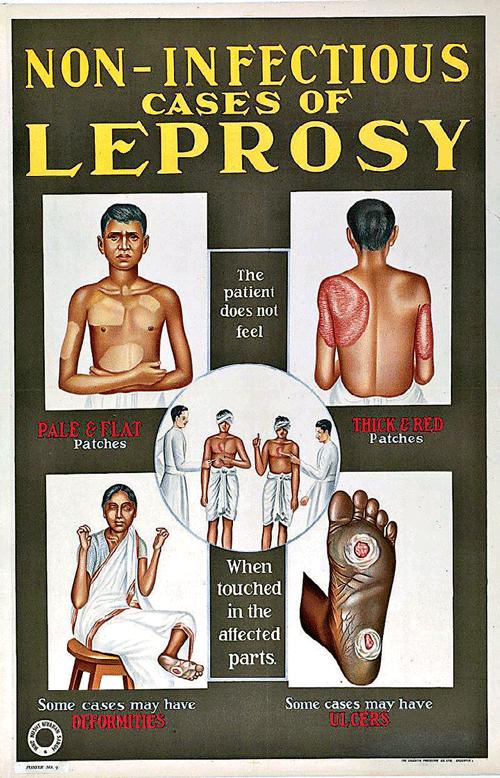
Healthcare workers and community leaders played a crucial role in these observances, reinforcing messages of inclusion and scientific fact. Governments in several regions also marked World Leprosy Day 2026 through official statements and public engagement, reaffirming commitments to elimination strategies and social protection for those affected. These efforts highlighted the importance of coordinated action, combining healthcare delivery with education, policy, and advocacy. The 2026 campaign was further strengthened by its alignment with World Neglected Tropical Diseases Day, helping to amplify the message that leprosy remains both a health and human rights issue. Central to the campaign were the voices of people affected by leprosy themselves. Through videos, interviews, and storytelling initiatives, they shared accounts of pain, resilience, isolation, and recovery. Their testimonies challenged stereotypes and reminded audiences that behind every diagnosis is a person with hopes, relationships, and aspirations.
These stories also demonstrated that stigma can be confronted and overcome. Many individuals spoke of the power of accurate information, supportive healthcare workers, and inclusive communities in restoring confidence and dignity. Their experiences illustrated that while stigma is deeply ingrained, it is not immutable. Education, visibility, and empathy have the capacity to transform attitudes and rebuild trust. World Leprosy Day 2026 ultimately served as a call to reflection and action. It urged societies to examine long-held beliefs, to replace fear with understanding, and to listen to the voices of those most affected. It challenged policymakers to integrate social inclusion into health strategies and reminded communities that silence perpetuates harm. Leprosy may be curable, but stigma is not eliminated through medicine alone. It requires sustained awareness, education, and a willingness to confront uncomfortable truths. As World Leprosy Day 2026 passed, its message remained unmistakably clear. Ending leprosy is achievable. Ending stigma is essential. Only by addressing both can a future be created in which no one is excluded, silenced, or defined by a disease that should never strip away their humanity.