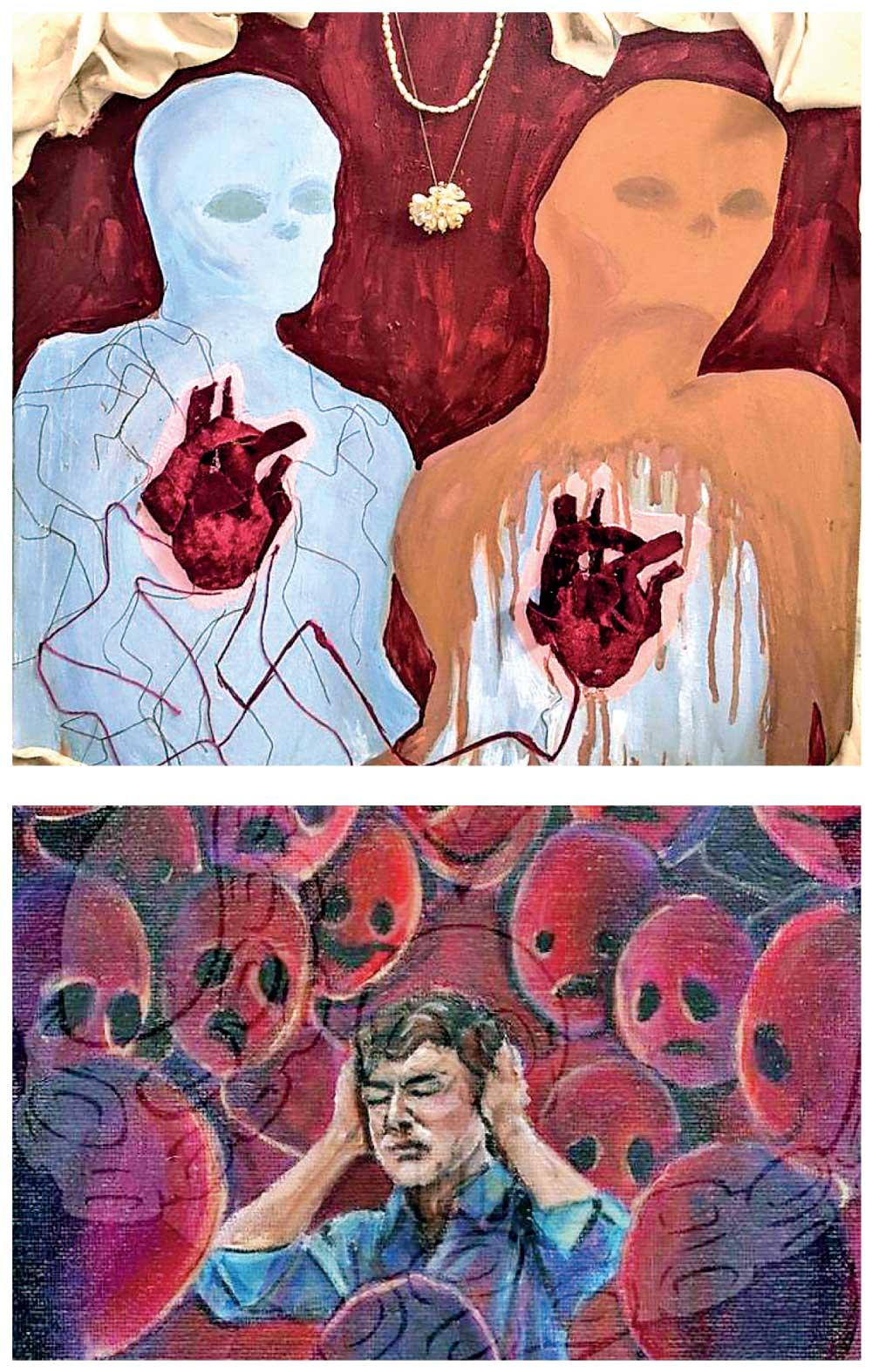
 You don’t fall for people randomly. It feels spontaneous, a glance across a room, a late-night conversation that turns into emotional dependence, the way one person suddenly feels “different” from everyone else, but underneath the chemistry and chaos is something quieter. Your nervous system. Your childhood. Your first experiences of safety and abandonment. Your attachment style. Attachment styles aren’t just psychology buzzwords people throw around on TikTok to excuse bad behaviour. They’re emotional building blocks. They explain why we crave closeness, why some people may cower at the face of vulnerability, and why certain relationships feel intoxicating even if they’re destroying you. If you’ve ever asked yourself “Why do I always end up here?” well, this is probably why.
The Four Ways We Learn Love
At its core, attachment theory says we learn how love works before we even know what love is. As children, we observe how caregivers respond to us. Do they show up consistently? Do they withdraw? Do they overwhelm us? Our brains then turn those early experiences into patterns. Not conscious decisions but survival strategies. Secure attachment is the rare, golden standard. These people are comfortable with intimacy and independence. They don’t panic when someone takes space, and they don’t vanish when things get serious. They communicate directly. They trust. They don’t play emotional games. Being with a secure person feels calm, sometimes almost boring if you’re used to chaos, but it’s a healthy kind of boring. The peaceful kind.
Anxious attachment, on the other hand, is different. This style is driven by fear of abandonment. Anxious lovers love deeply, intensely, and fast. They overthink texts, reread conversations, and feel physical anxiety when someone pulls away. Their emotions tend to be loud, not because they’re dramatic but because their nervous system is constantly scanning for danger. For them, love feels like urgency, like holding onto something that could disappear at any moment. Avoidant attachment moves in the completely opposite direction. These people crave independence and emotional distance. Vulnerability feels unsafe. When relationships get too close, avoidants tend to shut down, detach, or find reasons to pull away. They might want love but, on their terms, at arm’s length. Intimacy may feel suffocating instead of comforting.
Then there’s fearful avoidant, also known as disorganized. This is the most emotionally complex style. These people crave closeness but are terrified of it at the same time. They want love, but panic when they get it. They attach quickly, then self-sabotage. Their relationships often feel like emotional whiplash, intense highs followed by sudden withdrawal. None of these styles make you broken; they’re just a sign of how human we are. They’re like adaptations.
Your brain learns how to survive emotional environments; however, the problem starts when survival patterns become romantic habits.
 Why We Still Want What Hurt Us
Most of us know what it’s like to be attracted to what feels more familiar even if we know it’s not what’s healthy. If you grew up feeling emotionally unseen, you might unconsciously chase emotionally unavailable partners because your nervous system recognizes that dynamic. It feels like home, even when it hurts. Anxious and avoidant people are famously drawn to each other because they activate each other’s wounds. One chases, the other runs. One begs for closeness, the other protects their space. It becomes addictive but it’s also exhausting. That’s why toxic relationships can feel intense in ways that healthy ones don’t, at least at first. Your body confuses emotional unpredictability with excitement. The highs feel euphoric because they come after emotional withdrawal. The lows feel devastating because you’re emotionally invested in earning love instead of freely receiving it.
Social media isn’t helpful either. We romanticize chaos, post quotes about “loving hard” and “fighting for love” as if peace is boring and stability is settling, but real love isn’t supposed to activate your fight or flight response, and it’s not meant to feel like emotional survival. Your attachment style also affects communication. Anxious types tend to over explain and over give. Avoidants tend to under share and emotionally retreat. Secure people listen clearly and listen openly. When two insecure attachment styles clash, misunderstandings multiply. One person feels neglected, the other feels pressured, and neither of them feel understood. The hardest part is that most people don’t realize they’re repeating patterns. They just think they’re unlucky in love. They just think they “attract bad people”. In reality, they’re unconsciously choosing familiarity over emotional safety.
Healing
Healing your attachment style doesn’t mean turning emotionally numb or hyper independent. It means building emotional security. It means learning to soothe your nervous system instead of outsourcing your emotional stability to someone else. For anxious attachment, healing looks like learning to sit with discomfort without chasing reassurance. It’s building a sense of self outside the relationship. Realizing that someone else’s distance isn’t always about your worth. It’s choosing partners who show consistency instead of emotional rollercoasters.
For those with an avoidant attachment style, healing means allowing yourself to be seen, staying present when things get uncomfortable instead of vanishing. It means understanding that vulnerability isn’t a weakness but a connection. You have to let people matter to you. For fearful avoidant attachment, healing often requires deep self-awareness and emotional regulation.
It requires learning to trust slowly and to stop self-sabotaging intimacy. To recognize that love doesn’t have to feel dangerous for it to be real.
The good news is that attachment styles aren’t permanent, they’re flexible and with self-work, healthy relationships, therapy, and some emotional awareness, people can move toward secure attachment over time. And secure attachment isn’t about perfection, it’s about choosing to communicate, repairing when things break, and knowing that you deserve to be loved without working for it. At the end of the day, your attachment style doesn’t define who you are, but it could explain why you love the way you do, why you stay too long or leave too fast, and why certain relationships may feel magnetic while others feel foreign. Understanding is powerful because it puts the control back in your hands. You stop being confused by your patterns and stop repeating cycles blindly. You start choosing differently. Love isn’t supposed to feel like anxiety or emotional starvation, and it certainly isn’t supposed to feel like walking on glass. Love is supposed to feel like a breath of fresh air.