
Millions of Pages. Decades of Allegations. A Scandal That Still Unfolds.
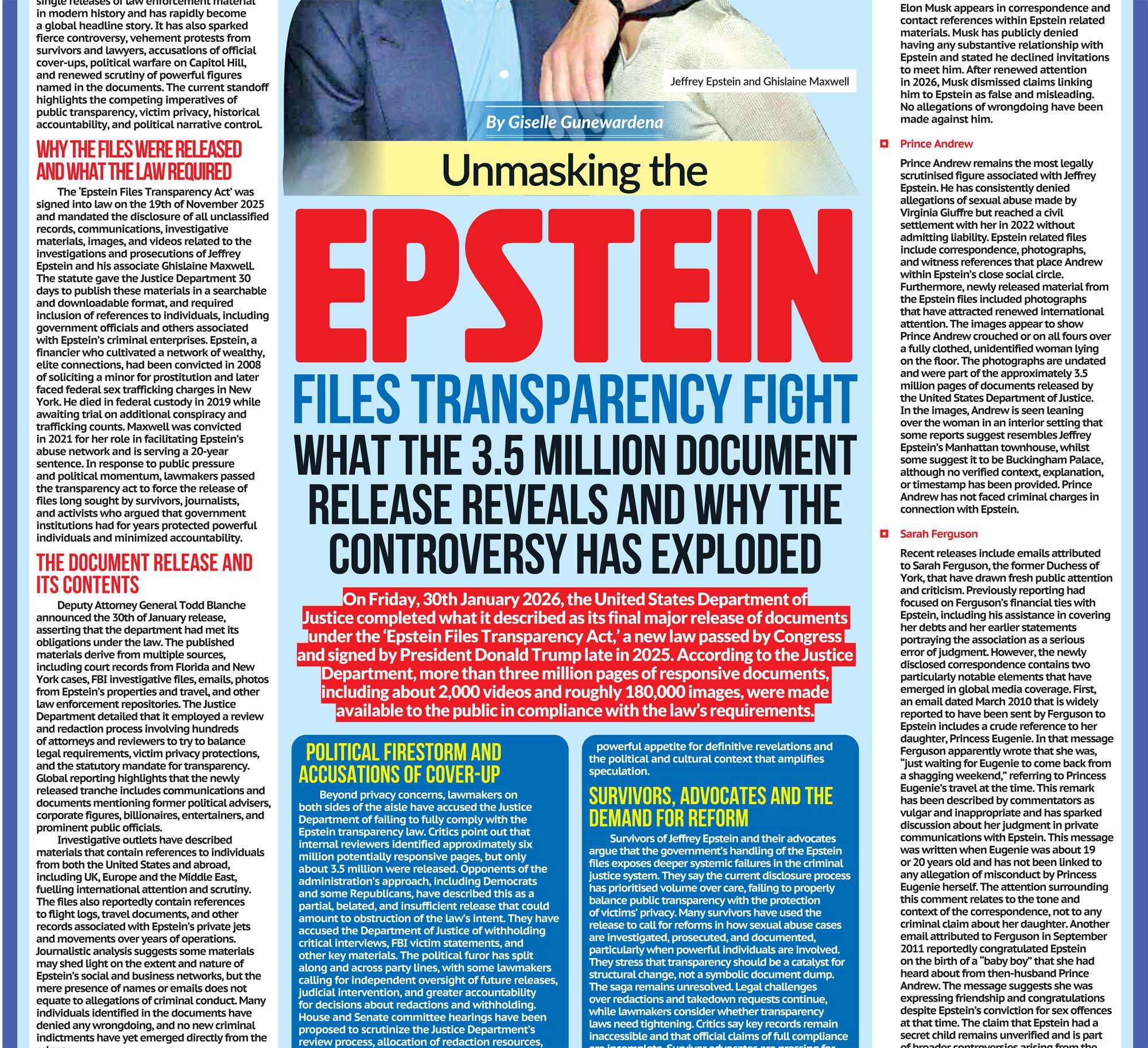
Years after financier Jeffrey Epstein’s death in a New York jail cell, a massive cache of investigative documents widely referred to as the “Epstein files” continues to reshape public understanding of one of the most consequential criminal cases involving elite power networks in modern history. The files are not a single report or a neatly compiled dossier. They are an enormous archive compiled from multiple criminal investigations, civil lawsuits, and law enforcement inquiries spanning decades. Their gradual release has exposed new details about Epstein’s trafficking operation, reignited scrutiny of powerful individuals, and intensified debates about institutional failure and accountability. As governments and courts continue to unseal documents, journalists, lawmakers, and survivors are still asking the same question: how did Epstein’s network operate for so long, and who, if anyone, helped enable it?
Who Was Jeffrey Epstein?
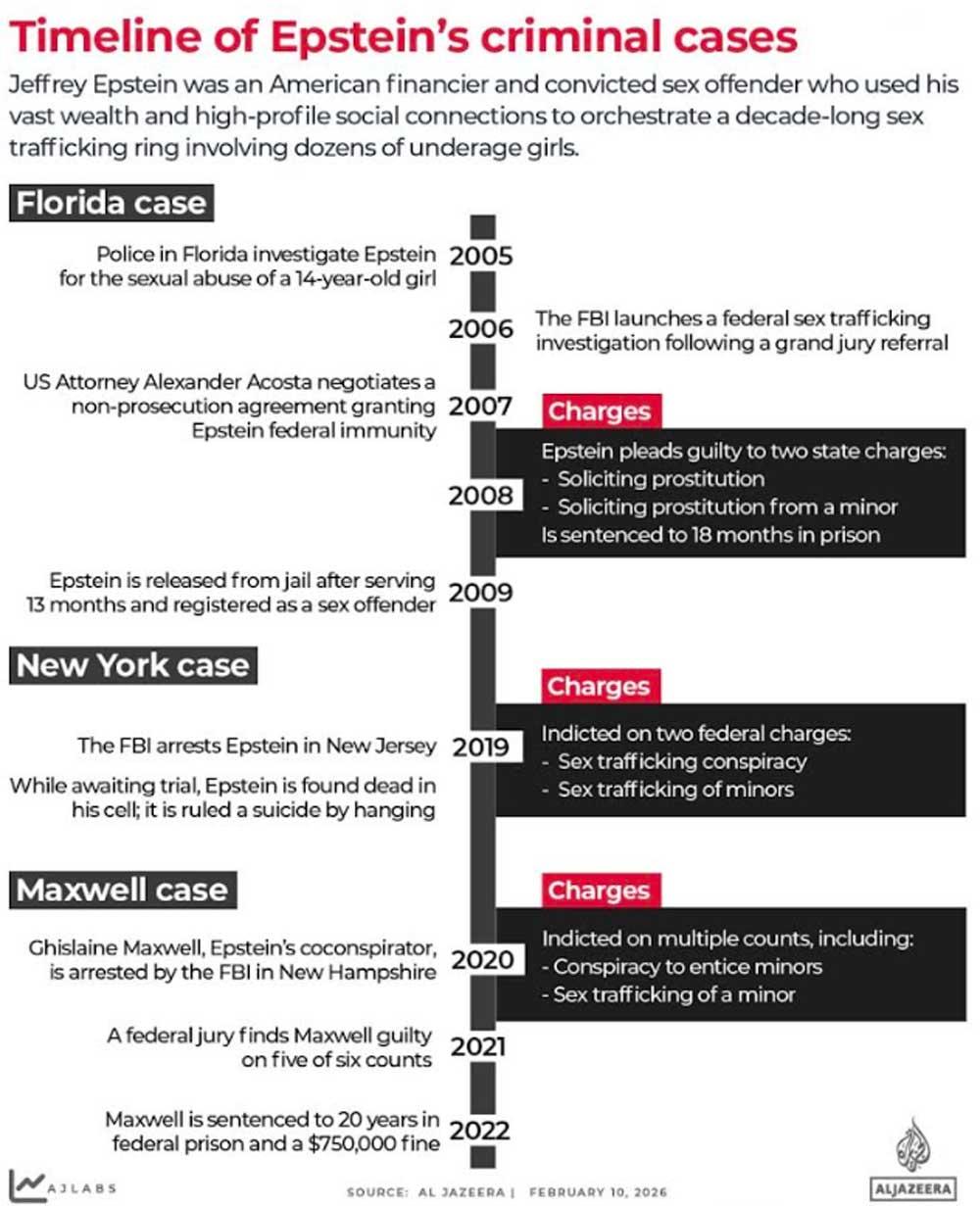
Jeffrey Epstein was an American financier and convicted sex offender whose wealth, elite connections, and secretive lifestyle allowed him to move within some of the world’s most powerful social and political circles while allegedly operating a large-scale sex-trafficking network involving minors. Born in Brooklyn, New York, in 1953, Epstein attended Cooper Union and New York University but left without completing a degree. He briefly worked as a mathematics and physics teacher at the prestigious Dalton School before entering finance, including a stint at investment bank Bear Stearns in the late 1970s. By the 1980s he had founded his own financial management firm, cultivated ultra-wealthy clients and built a fortune whose origins remained largely opaque. In 1991 he met Ghislaine Maxwell, who later became his closest associate and was convicted for her role in trafficking offences. Epstein first came under major police investigation in Florida in 2005 over allegations of sexual abuse involving a minor. In 2008 he pleaded guilty to procuring a child for prostitution and served 13 months in a county jail under a widely criticized plea deal. Arrested again in 2019 on federal sex-trafficking and conspiracy charges, Epstein died in a Manhattan jail while awaiting trial; his death was officially ruled a suicide, though it remains the subject of ongoing public debate.
What Are the Epstein Files?
The Epstein files are a sprawling collection of investigative materials accumulated by U.S. federal and state authorities during criminal investigations into Jeffrey Epstein and his longtime associate Ghislaine Maxwell. They include:
- FBI interview transcripts and investigative summaries
- Email communications and internal memos
- Financial records, transfers, and corporate filings
- Private flight logs and travel itineraries
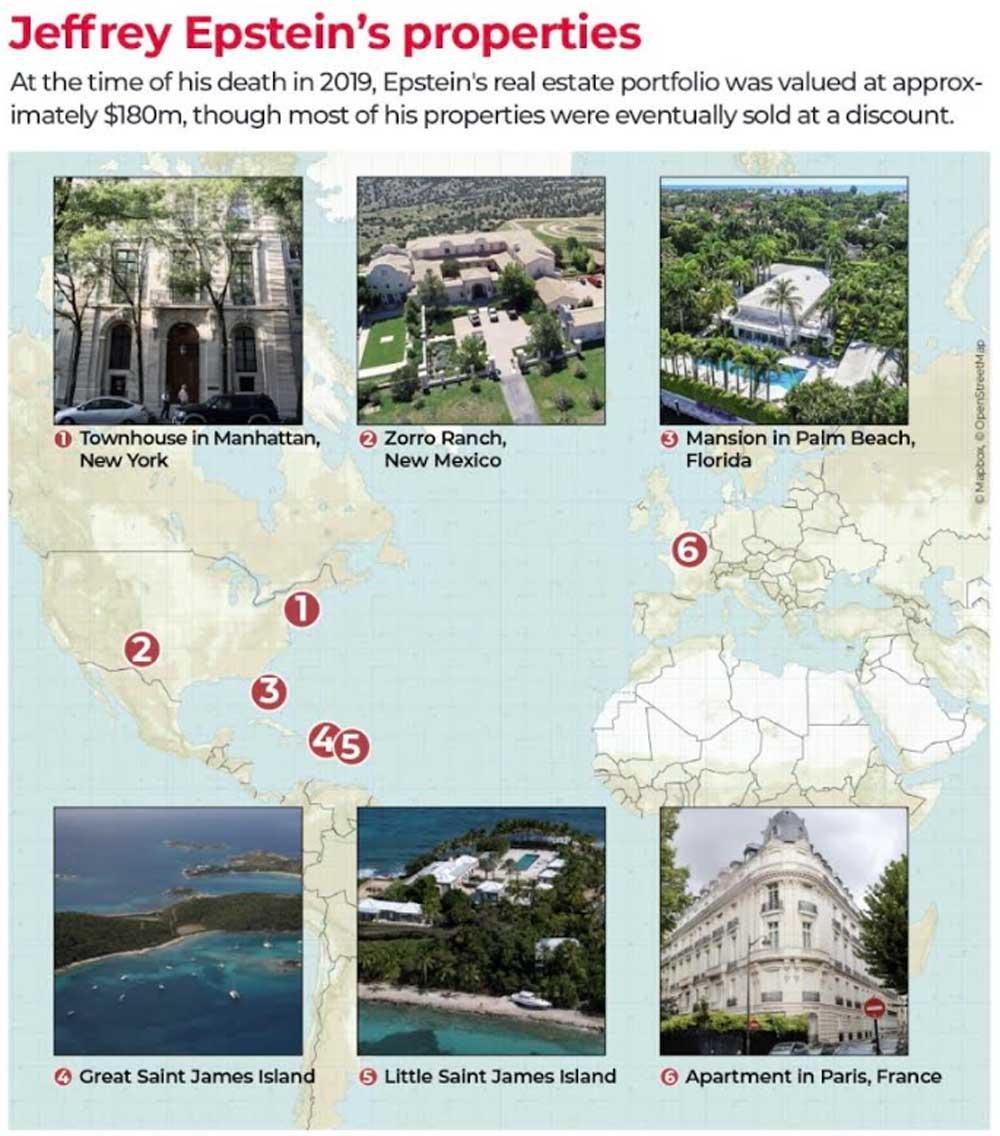
- Property records from Epstein’s residences
- Witness testimony from survivors and associates
- Audio, video, and photographic evidence
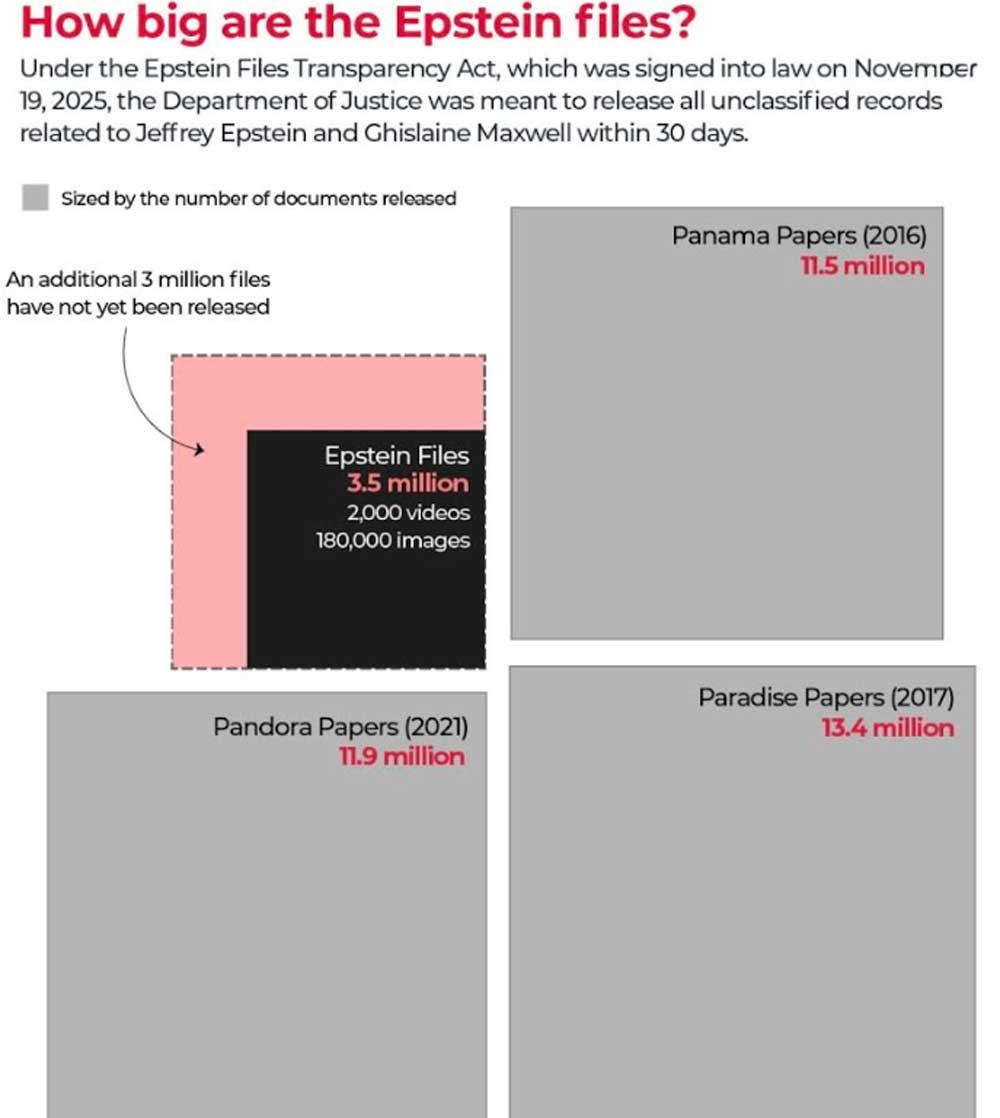
 Together, the documents form one of the largest publicly released investigative archives in recent legal history, totaling millions of pages of material gathered across multiple jurisdictions. The scale of the files reflects both the breadth of Epstein’s operations, and the years of investigative work required to piece together his trafficking network.
The Timeline: From Early Allegations to Mass Document Releases
Epstein’s legal troubles first emerged publicly in the mid-2000s, when he faced accusations of sexual abuse involving minors. In 2008, he secured a controversial plea agreement that allowed him to serve a relatively short jail sentence while avoiding federal charges; a decision that has since become a focal point of criticism against prosecutors. More than a decade later, investigative journalism reignited scrutiny of Epstein’s activities. Renewed federal investigations led to his arrest in 2019 on charges of sex trafficking and conspiracy. Weeks later, he died in jail while awaiting trial. Following his death, survivors filed numerous civil lawsuits seeking accountability and transparency. Courts began unsealing documents connected to those cases, while lawmakers demanded broader disclosures of investigative materials. In recent times, mounting public pressure and legislative action in the United States led to the release of large portions of the Epstein files, marking a turning point in the public’s access to previously confidential evidence.
What the Documents Reveal About the Trafficking Operation
The files offer a detailed picture of how Epstein allegedly operated his trafficking network across multiple countries. According to investigative materials and witness testimony, young women and girls were recruited through a combination of financial incentives, social connections, and coercive tactics.
Documents describe a system involving:
- Recruitment intermediaries who identified potential victims
- Travel arrangements and private flights between properties
- Financial transfers linked to payments and settlements
- Social networks connecting Epstein to influential figures
The records also suggest a pattern of strategic reputation-building, with Epstein cultivating relationships across politics, academia, finance, and entertainment. These connections allowed him access to elite circles that may have shielded him from scrutiny for years.

Names, Networks, and the Politics of Association
One of the most controversial aspects of the Epstein files is the inclusion of references to high-profile individuals. Flight logs, email correspondence, and witness accounts mention a wide range of prominent figures some as acquaintances, others as business contacts or social associates.
Legal experts emphasize that the appearance of a name in investigative documents does not imply criminal conduct. Many individuals listed in the files were never accused of wrongdoing and may have had only limited or indirect connections to Epstein. Nonetheless, each new disclosure has triggered intense media scrutiny and political fallout, particularly when previously undisclosed interactions with Epstein come to light. The files highlight the complex relationship between power, access, and accountability raising questions about whether elite networks created barriers to thorough investigations in earlier years.
Redactions, Sealed Records, and the Transparency Debate
Despite the unprecedented volume of released material, significant portions of the Epstein files remain redacted or sealed. Courts have limited disclosure to protect victims’ identities, prevent ongoing investigations from being compromised, and comply with privacy laws. However, heavy redactions have fueled accusations that key information is still being withheld. Critics argue that incomplete releases undermine public trust and prevent a full understanding of how Epstein’s network functioned. The absence of a definitive “client list,” long rumored in public discourse, has also sparked controversy. Officials have repeatedly stated that no single comprehensive list exists within the investigative record; a claim that has done little to quell speculation or conspiracy theories.
Survivors’ Testimonies: The Human Cost Behind the Files
At the center of the documents are the voices of survivors. Witness statements detail experiences of manipulation, abuse, and long-term psychological trauma. For many survivors, the release of documents has validated years of allegations that were once dismissed or minimized. Civil lawsuits have resulted in settlements worth hundreds of millions of dollars, funded in part by Epstein’s estate. Yet the public dissemination of investigative materials has also raised concerns about re-traumatization and privacy violations. Advocacy groups continue to push for survivor-centered policies that balance transparency with dignity and protection.
Prosecutors, Law Enforcement, and Oversight
The Epstein files have reignited criticism of earlier prosecutorial decisions, particularly the 2008 plea agreement that allowed Epstein to avoid more serious federal charges. Internal communications and investigative reports have been scrutinized for evidence of prosecutorial discretion influenced by Epstein’s wealth and legal resources. The documents also reveal tensions within law enforcement agencies, including disagreements over investigative strategies and jurisdictional challenges across states and countries. Critics argue that Epstein’s case exposed structural weaknesses within the criminal justice system particularly when dealing with wealthy defendants capable of mounting aggressive legal defenses and leveraging powerful connections.
Media Frenzy and the Rise of Online Misinformation
The release of millions of pages of investigative material has created fertile ground for misinformation. Social media platforms have amplified unverified claims, misinterpreted documents, and conspiracy narratives.
Experts warn that large-scale data dumps can overwhelm audiences, making it difficult to distinguish between factual findings, allegations, and unproven claims. Journalists have faced increasing pressure to contextualize documents responsibly, avoiding sensationalism while ensuring transparency. The result has been an information landscape marked by both unprecedented access and unprecedented confusion.
Political Fallout and Global Repercussions
The Epstein files have had ripple effects far beyond U.S. courts. References to international figures and cross-border travel have prompted renewed scrutiny in multiple countries. In some cases, political leaders and business executives have faced investigations or ethics inquiries after previously undisclosed ties to Epstein emerged. The scandal has also intensified debates about lobbying, campaign finance, and elite influence within democratic systems. Lawmakers have cited the case as evidence of the need for stronger oversight of powerful individuals and institutions.
An Unfinished Investigation
Despite the massive volume of released material, the Epstein files do not offer a definitive conclusion. Many documents remain sealed, and ongoing litigation continues to shape what information can be disclosed. New lawsuits and investigative reports suggest that additional revelations may still emerge. Whether those disclosures will lead to new criminal charges or merely deepen public skepticism remains uncertain.
The Epstein files represent one of the most significant investigative document releases in modern legal history. They reveal not only the mechanics of a sprawling trafficking operation but also the challenges of pursuing justice when crimes intersect with wealth and influence. The documents have validated survivors’ claims, exposed institutional failures, and forced a global reckoning with the relationship between elite networks and accountability. Yet they have also demonstrated the limitations of transparency in an era of misinformation and polarized public discourse. Years after Epstein’s death, the files continue to shape investigations, political debates, and cultural conversations about power and privilege. Their ultimate legacy may not lie in a single revelation, but in the broader questions they raise, who is held accountable, how justice is pursued, and whether systems designed to protect the vulnerable can withstand the pressure of elite influence.