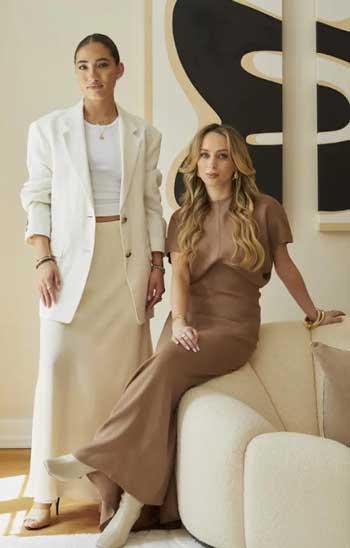
 When Scarlett and Matilde first began talking about Sensus Collective, there was no clear intention to launch a brand, a retail platform, or a new concept in London’s crowded fashion landscape. The idea formed slowly, through shared observations and repeated conversations with friends who were building their own brands, working across fashion, design, art and lifestyle. Again and again, the same frustration surfaced. Independent and emerging brands had limited opportunities to exist in physical retail spaces that truly understood them. Many felt invisible in large department stores and out of place in traditional retail environments that prioritised volume over storytelling. For Scarlett and Matilde, this gap felt deeply personal. Both were immersed in creative industries and understood the vulnerability of building something from the ground up. They saw first-hand how difficult it was for small brands to access physical retail without compromising on identity, pricing or values. At the same time, they noticed that customers were increasingly hungry for discovery. People wanted to find brands that felt personal, thoughtful and distinctive, rather than shopping the same names and silhouettes repeatedly.
Sensus Collective emerged from this shared instinct. What started as informal multi brand pop ups organised through word of mouth quickly revealed something much bigger. There was a genuine appetite for a space that felt intimate yet elevated, curated yet open, experiential yet grounded in strong product. The founders began to see Sensus not just as a retail concept, but as a platform for storytelling, discovery and connection. Named after the five senses, Sensus Collective was built on the idea that shopping should be felt, not just completed. Each pop up is designed as a multi-sensory environment where customers are invited to slow down, touch, try, listen, smell, and truly experience the brands they encounter. In an era dominated by screens and endless scrolling, Sensus offers a tactile counterpoint, a reminder that physical retail still holds powerful emotional weight when done with intention.
Today, Sensus Collective occupies a distinctive position within London’s evolving retail landscape. It champions emerging and independent brands, prioritises thoughtful curation over scale, and creates spaces that encourage genuine connection between founders and customers. In this conversation, Scarlett and Matilde reflect on how Sensus evolved from an instinctive idea into a recognisable platform, how they approach curation with care and discipline, and why physical retail continues to feel not only relevant, but increasingly vital for the modern luxury consumer.
The Origin Story
What was the exact moment you realised Sensus should exist, what gap did you feel in London retail?
Sensus came to be in a very organic way. It started when Scarlett and I realised that there was a real want and need for a space like Sensus, and so many of our friends in the fashion and creative industry mirrored that feeling. We were having conversations with people who were launching their own brands or working in design and fashion, and there was a shared sense that something was missing. While London has so many shops, showrooms and retail destinations, there were not many spaces that truly felt built for emerging and independent brands to exist together in a way that felt intentional and supportive.
We started hosting multi brand pop ups at a very small scale and very much through word of mouth. These early pop ups were intimate and experimental. They were not driven by a business model in the traditional sense. They were more about creating a moment and seeing how people responded to it. What surprised us was how strong the response was. Customers were excited to discover new brands in one space, and founders were grateful for a platform that allowed them to present their work in a way that felt aligned with their identity. Over time, it became clear that there was a real opportunity there. The energy in the rooms, the conversations happening between founders and customers, and the feedback we were receiving all pointed to the same conclusion. There was space in London retail for something more thoughtful, more human, and more experience led. That was when we decided to take the jump and build Sensus into a real brand and community, rather than keeping it as a series of small informal pop ups.
The word Sensus implies feeling and instinct. What does it mean to you and how does it show up in the pop-up experience?
The name Sensus came from the five senses sight sound smell taste and touch. From the beginning, we wanted Sensus to be more than just a place to shop. We wanted it to feel like an environment you could step into and immediately feel something. So much of shopping today happens online, through screens, where you can see a product, but you cannot truly experience it. We wanted to create a space that reminded people of the sensory pleasure of discovering something in person. In practice, this means thinking about every element of the pop up. How the space looks when you approach it from the street. The music playing inside. The way the products are displayed so that people are encouraged to touch them, try them on, and engage with them. The overall atmosphere of the space is designed to feel immersive without being overwhelming. We want people to slow down when they enter Sensus. We want them to feel present in the moment, to take their time, to enjoy discovering brands in a way that feels intuitive rather than rushed.
What did your first pop up teach you that completely changed how you curate now?
We honestly learn so much from each pop up, and that learning process never stops. But in the early days, one of the biggest lessons we learned was around balance and differentiation. In our first pop ups, we realised quite quickly that having too many brands from the same category that felt too similar to each other was not the best approach. Even if each brand was strong individually, placing direct competitors next to each other did not serve the brands or the customer experience. This taught us to be much more intentional with our curation. We now think carefully about how brands sit alongside each other. We consider not only their category, but also their aesthetic, their price point, their values and their story. The goal is to ensure that every participating brand is highlighted and has the space to stand out, rather than being overshadowed by or directly competing with another brand that feels too similar. This approach has helped us create pop ups that feel cohesive but never repetitive.
If you had to describe Sensus in one line without saying community or curation what would you say?
Sensus is a dynamic pop-up concept where fashion design lifestyle and thoughtful consumerism meet in one distinctive space.
The Sensus Point of View
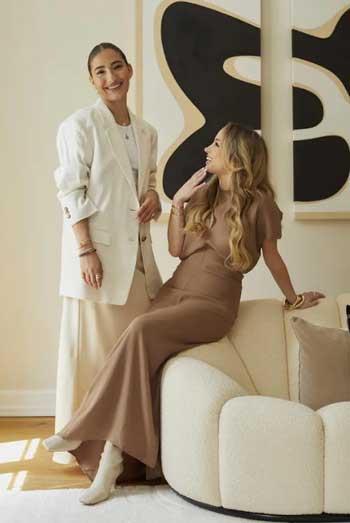 You talk about conscious consumerism and female empowerment. How do you make those values real in the brand list and not just in copy?
We care deeply about brand stories, craft and where things come from. When we are discovering designers, we are not just looking at the final product. We want to understand how the brand started, what inspired the founder, how their pieces are made and what intention sits behind every detail. These conversations matter to us because they shape the way we curate and the way we present brands to our audience. Supporting female founded brands and championing emerging designers is a huge part of what we stand for. This is not something we treat as a marketing angle. It is embedded in how we build our brand list. Many of the founders we work with are women who are building businesses alongside personal challenges, financial pressures and creative risks. We are drawn to that resilience and vision. At the same time, we are mindful that values need to be reflected in the overall experience. The way brands are positioned in the space, the way their stories are told, and the way customers are encouraged to engage with them all contribute to making those values feel real rather than performative.
Was there a brand you loved personally but did not accept and why?
There are brands we absolutely love, but sometimes their work is more artisanal and produced in very limited quantities. In those cases, we are mindful that a multi brand pop up might not always be the best environment for them to truly thrive. A pop up can be fast paced and high volume, and that does not always align with a brand that is designed to operate at a slower, more intimate pace. When this happens, we try to be honest and supportive. Rather than pushing a brand into an environment that might not serve them well, we often encourage those brands to take a different direction that better suits their scale and pace. Curating for Sensus means thinking beyond our own personal taste. We are always thinking about what will resonate with our audience and what will work in a physical retail environment. We try to offer something for everyone while still backing brands we genuinely believe in and see real potential in.
What are your non negotiables when selecting brands?
First and foremost, it has to be a great product. No amount of branding or storytelling can make up for a product that does not feel right in your hands or on your body. From there, we look at the full picture. This includes how the brand presents itself visually, its social media presence, the quality and fit of the product, and the overall attention to detail across every touchpoint. We are instinct led in our approach and trust our eye when it comes to curation. This instinct is built from experience. Over time, we have developed a strong sense of what works in a physical retail environment and what resonates with our audience. When something feels right, we usually know straight away. That feeling is not random. It comes from seeing how people respond to brands in our spaces and learning from each pop up we host.
How do you balance trend versus timeless when choosing a mix of brands?
We are not a trend led platform, but we are open to including brands that play with trends in a thoughtful way. Trends can be fun and expressive, but we do not want Sensus to feel disposable or overly seasonal. Our approach is always about balance. We want to create a mix that feels relevant now but still meaningful beyond a single season.
When we start curating a pop up, we usually outline a few seasonal themes and categories. These themes help guide the selection process, but they do not dictate it rigidly. We then look for brands that naturally fit within those themes. Some may be more playful or trend aware, while others may offer timeless pieces that feel enduring. The goal is to create a space where different types of customers can find something that speaks to them.
Curation Mechanics
Talk me through your curation process from first discovery to final, yes?
Our curation process begins with a conversation about the context of the pop up. We discuss when and where it will take place and what kind of theme feels appropriate based on the season and the space. This helps us frame the overall direction of the event. From there, we talk about the categories we want to focus on, such as fashion, jewellery, home or lifestyle. We then each go away and create our own ideal brand lists. This allows us to bring different perspectives to the table. Some of the brands we consider are ones that have been on our radar for a while, while others may be brands that have reached out to us directly. When we come back together, we share our lists, discuss each brand in depth and narrow them down into an A list and a B list. The final decision is not just about whether we like a brand individually. It is about how that brand sits within the wider mix. The brands need to work well alongside each other as well as independently. We think carefully about category balance, aesthetic contrast and how the overall space will feel when all the brands come together.
What is the ideal brand mix for a Sensus pop-up?
The ideal brand mix depends on the time of year and the theme of the pop up, but there are certain categories we always try to include. We usually aim for a mix of fashion, accessories or jewellery and home lifestyle or gifting. This creates a sense of variety and encourages discovery. For the holiday season, we place a stronger emphasis on gifting brands, as people are often looking for thoughtful presents. For summer, we focus more on essential holiday buys, such as pieces that people might wear on trips or during warmer months. In general, having a mix of categories that complement each other is very important to us. We do not want the space to ever feel like a standard retail shop. It should feel like a curated environment where each brand contributes to the overall atmosphere.
How do you design the customer journey in the space especially in the first 30 seconds?
We want customers to feel drawn in before they even enter the space. The exterior of the pop up is just as important as the interior. The window display, the way the space is lit and the overall feel from the street all play a role in creating intrigue. Sensus is not only a pop up but a destination, so the space needs to invite people in and encourage them to spend time inside. Once inside, the flow of the space is designed to feel seamless. Customers should be able to move naturally from one brand to another without feeling overwhelmed. We also want the space to feel social. There should be areas where people can pause, sit, enjoy a drink and connect with others. In the first 30 seconds, the feeling we want customers to have is that they are glad they decided to walk in and curious to explore further.
What small detail do you obsess over that most pop ups overlook?
Every single detail matters to us. We pay attention to the things that people might not consciously notice but that shape their overall experience. This includes the quality of the fixtures, the spacing between brands, the way products are displayed and the overall flow of the space. We also care deeply about the brand experience behind the scenes. Set up, storage, pack down and logistical details are often overlooked in pop ups, but they have a huge impact on how supported brands feel. We want brands to enjoy being part of Sensus and to feel that the experience is seamless and professional from start to finish.
The Pop-Up Economy
Why are pop ups winning again in London and what do they offer that e-commerce cannot?
Being able to experience a product in person is incredibly powerful. Seeing something on a screen is very different from touching it, trying it on and feeling its quality. This is especially important for emerging brands that customers may not yet trust or recognise. Physical spaces allow people to build that trust more quickly. Pop ups also create a sense of discovery. When brands are thoughtfully curated in one space, customers can explore a variety of labels without feeling overwhelmed. The experience feels guided rather than endless, which is often how online shopping can feel. Pop ups offer a tangible, human experience that e commerce simply cannot replicate.
Do you see pop ups as marketing or retail first and what does success look like?
We see pop ups as a mix of experience, marketing and results. The visual and experiential aspect is important because it shapes how people feel about the brands and about Sensus as a whole. At the same time, we are focused on conversion. Our pop ups are designed to drive sales and to support brands commercially. Success is not just about revenue, though. It is also about the connections that are formed. We see value in the relationships built between founders and customers, and between founders themselves. These connections often continue beyond the pop up and contribute to the long-term growth of the brands involved.
How do you pick neighbourhoods like Belgravia or Notting Hill?
We are always led by the space first. The space itself needs to feel right for Sensus in terms of layout, light and atmosphere. We love popping up in different neighbourhoods because it allows us to learn about different customer demographics and retail energies. Each area has its own rhythm and audience and exploring that is part of how we continue to evolve and refine our approach.
What is the biggest misconception brands have before doing a pop up?
Brands are often nervous before doing a pop up. There is usually a fear that no one will come, that no one will buy or that other brands might perform better. These anxieties are completely natural, especially for emerging founders who may not have done physical retail before. In reality, brands are often pleasantly surprised.
The brands we work with consistently walk away having gained something valuable, whether that is sales, exposure or insights into their customers. Even when things do not go exactly as planned, the learnings from being in a physical space are incredibly valuable for brands as they grow.
Founder to Founder
What do each of you bring that the other does not and how do you split decisions?
We work very collaboratively across all areas of Sensus. When it comes to brand curation, we discuss everything before reaching out to brands and then split primary communications between us. Partnerships are also handled collaboratively, depending on how the partnership comes about. In terms of aesthetics and space curation, this is very much a shared process. We trust each other’s judgement and share a similar visual language, which means we are usually aligned. We each naturally gravitate towards certain aspects based on our backgrounds and strengths, but we always bounce ideas off each other and allow space for the other to make decisions.
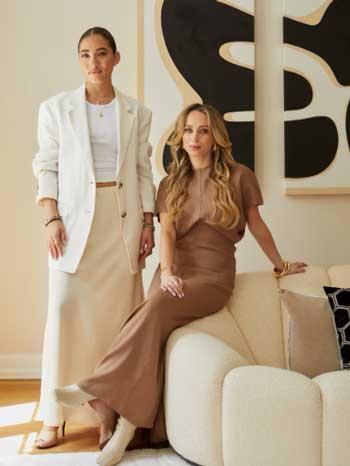 What is the hardest part of running Sensus as a duo and what is the best part?
It is hard to find the hardest part because we genuinely work very well together. There is mutual respect and trust between us, and we are both deeply committed to the vision of Sensus and what we are building. The best part is having someone to bounce ideas off and knowing you are not alone in building something. Being able to sense check decisions, share the pressure and celebrate wins together makes the process far more sustainable and enjoyable.
Has running Sensus changed how you run your own individual companies?
Running Sensus alongside our individual ventures has taught us how to manage our time more effectively. It has forced us to be more intentional about prioritising tasks and allocating our energy. We allocate specific days to Sensus and try to be disciplined about how we structure our schedules. It is easy to become overwhelmed when juggling multiple projects but running Sensus has helped us become more organised and strategic about how we work.
Marketing and Buzz
What actually drives footfall now?
People are increasingly looking for experiences rather than just places to shop. Pop ups create a sense of urgency and excitement because they are temporary. There is a feeling of if I do not go now, I will miss it. We focus on creating spaces that feel visually impactful and genuinely inviting. The brands we bring together and the atmosphere of the space play a huge role in drawing people in. The energy inside the pop up is just as important as any marketing channel.
What is your content strategy around a pop up?
Our content strategy is about capturing the full vibe of the pop up so that it feels immersive, even for people who are not physically there. We create detailed visual content, short form video, behind the scenes moments and features on founders and products. We also think about the long-term value of this content.
Each brand should leave the pop up with assets they can use on their own channels. In that sense, our content strategy supports both Sensus and the individual brands involved.
What is one marketing move that looks good on paper but does not work for pop ups?
Over investing in paid activation. Geo targeted ads and boosted posts can seem like a logical way to drive footfall, but pop ups are fundamentally about what is happening in the physical space. If the space does not feel exciting, inviting and buzzy from the street, paid media will not solve that problem. Real energy, strong visuals and a compelling in person experience are what ultimately drive people through the door.
Product Price and Customer Psychology
What makes someone buy jewellery on impulse versus thinking about it?
Price point can be a factor, but it really comes down to the product itself. We have seen brands with high entry points achieve strong sales, as well as brands at lower price points perform well. The deciding factor is whether the customer feels that the piece is something they truly want and that it will add value to their wardrobe. Impulse purchases tend to happen when there is an emotional connection to the product. When a customer can imagine themselves wearing the piece and feeling good in it, the decision becomes much easier.
What price points move fastest in person and why?
Lower entry points tend to move faster because they require less consideration. However, our audience is not put off by higher price points. We work with brands whose prices range from lower entry points to much higher investment pieces. Having a range of price points is important because it allows different types of customers to engage with the pop up in a way that feels comfortable to them. Some people may come to buy a small gift or accessory, while others may invest in a statement piece.
How do you educate customers quickly without it feeling like a lecture?
Leading up to each pop up, we introduce participating brands on our social channels. This gives our audience the opportunity to familiarise themselves with the brands before they even arrive. At the pop ups themselves, founder presence is key. When founders or team members are present, customers can ask questions and learn about materials, sourcing and craftsmanship in a natural way. Because Sensus can include many brands in one space, it is not realistic for every customer to learn everything about every brand. But allowing direct interaction creates moments of genuine connection and learning without it feeling forced.
 What You Are Seeing From Brands
What is the most common thing you advise emerging brands to fix before going physical?
One of the most common things we advise is to take a 360 approach to the brand. If a product feels amazing in person, that quality needs to be reflected across branding, photography, labels and every customer touchpoint. Physical retail exposes any inconsistencies very quickly. Understanding sizing and fit for ready to wear is also crucial.
Being in a physical retail environment allows brands to see how real customers interact with their products, which can be an invaluable learning experience.
What separates brands that sell out from brands that struggle?
Founder presence plays a significant role. No one understands a brand better than the person who created it. When founders are present and confident in talking about their product, customers feel more connected and invested. Of course, product quality, pricing, storytelling and merchandising all matter. But the human element often makes the difference between a customer browsing and a customer buying.
What trends are you noticing across independent brands?
We curate based on what we believe our audience actually wants rather than chasing trends. However, we are noticing that people are increasingly investing in quality pieces that can be worn in multiple ways, as well as standout pieces that feel unique. There is a noticeable fatigue with seeing the same brands and products everywhere. People want to own things that feel personal and distinctive. Our curation aims to reflect that desire for individuality and meaningful design.
Future Facing
What is next for Sensus?
We are looking forward to our upcoming pop ups in London, including The Sensus Suite at The Twenty-Two in Mayfair, as well as further London events and Sensus Solo events with partner brands. We are also exploring opportunities in different cities, which is something we are excited about. Looking ahead, we want to create a Sensus that goes beyond physical pop ups and build a digital home for our brands and our audience.
What does the future of shopping look like for the modern luxury woman?
The future of shopping is constantly evolving. The modern luxury woman does not want what everyone else has or what is most easily accessible. She values discovery and is drawn to emerging brands with strong stories and thoughtful design. She ultimately buys into brands she feels will genuinely add value to her wardrobe. Retail is moving towards more curated spaces where less can be more when done well.
If you could redesign retail from scratch, what would you keep and what would you kill?
We would kill repetitiveness. We would keep the blend of digital and physical, as the two work best when they support each other rather than compete.