There was a time when luxury meant being seen. It meant loud parties, expensive brands, packed schedules, and a life that looked impressive from the outside. Success was measured by how busy you were, how much you owned, and how often people noticed you. If your calendar was full and your phone never stopped buzzing, you were doing something right. Somewhere along the way, though, that idea started to feel exhausting. Today, a different kind of luxury is quietly taking over. It does not show off. It does not beg for attention. It looks like slow mornings, cancelled plans, muted notifications, and a life that does not need constant explanation. Being low key has become the new flex, not because it is trendy, but because it feels necessary.
Quiet is the new rich
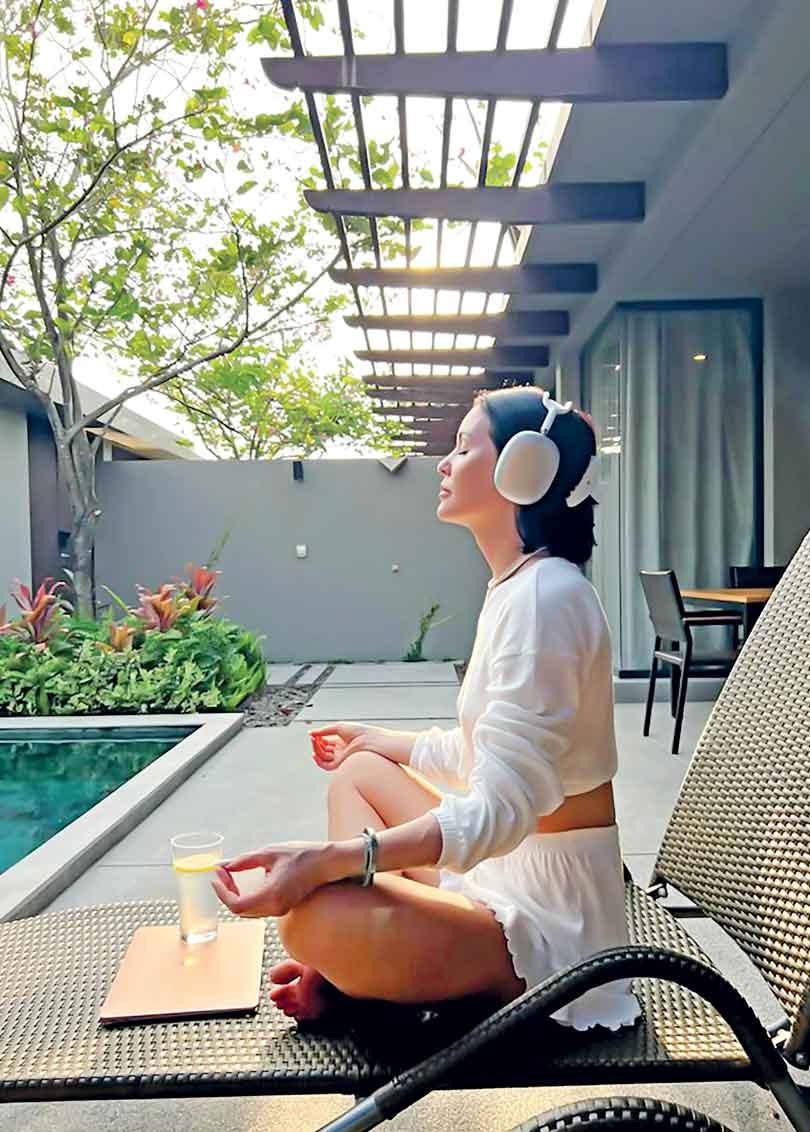
In a world that never stops talking, silence feels rare. Everyone is posting, updating, reacting, sharing. There is always something happening and always something to say about it. Our days are filled with noise, not just sound, but information, expectations, opinions, and comparisons. Even rest has become performative. People announce their breaks, aestheticize their downtime, and turn relaxation into content. So, when someone chooses a quieter life, it stands out. Not because it is dramatic, but because it is different. Luxury now looks like having time. Time to sleep properly. Time to eat without rushing. Time to sit with your thoughts without immediately reaching for your phone. Time to be unreachable for a few hours without guilt. People are beginning to understand that the most expensive thing is not a bag, a car, or a holiday. It is peace. Being low key does not mean having less. It means protecting what matters. It means deciding that your energy is valuable and not everyone gets access to it.
Burnout changed our priorities
This shift did not happen by accident. Years of hustle culture taught us to glorify exhaustion. Being tired was seen as productive. Saying “I’m busy” felt like a badge of honour. Rest was something you earned only after proving you were worthy of it. Slowing down was often mistaken for laziness or lack of ambition. Then burnout caught up. People worked themselves into anxiety, emotional numbness, and constant stress. Many lost touch with their bodies, their emotions, and their sense of direction. The pandemic only accelerated this realization. When life was forced to slow down, many discovered how much of their busy lives had been unnecessary. Commutes, meetings, obligations, and social expectations suddenly disappeared, and for the first time, there was space to breathe. Coming back from that experience, the appetite for chaos reduced. Loud lifestyles started to feel performative rather than fulfilling. Always being on began to feel like a trap rather than an achievement. Quiet routines started to feel grounding. Low key living became less about doing nothing and more about doing what actually sustains you. It became a form of self-preservation.
Privacy became powerful
There was a time when oversharing was encouraged. Social media rewarded openness, drama, vulnerability, and constant visibility. The more you shared, the more relevant you seemed. Personal milestones, relationships, struggles, and achievements were all expected to be public. If it was not posted, it almost felt like it did not happen. Now, there is a noticeable shift. People are keeping things to themselves. Relationships are not announced the moment they begin. Achievements are not always posted immediately, or at all. Some moments are lived fully without ever being uploaded. Some joys are kept private, shared only with the people who are part of them. Privacy feels powerful because it creates boundaries. It allows happiness without public opinion. It protects joy from comparison and commentary. Not everything needs an audience, and not everyone deserves access to your inner world. That realization feels freeing. Being low key means choosing what to share and what to keep sacred.
Simple pleasures feel richer now
Luxury used to mean excess. More clothes, more plans, more money, more people, more stimulation. Bigger was always better. Now, luxury looks surprisingly simple. It looks like a quiet evening at home after a long day. A familiar meal that feels comforting rather than impressive. A walk without headphones, just noticing the world around you. Re watching the same comfort shows because they feel safe and familiar. Wearing the same favourite outfit again and again because it feels like you. These moments do not photograph well. They do not translate into content easily. They might not look impressive online, but they feel good in real life. And more people are choosing feeling good overlooking good. Low key living values comfort over approval. It values inner ease over external validation.
Even success looks different
Success used to be loud too. Titles, promotions, milestones, and achievements were meant to be announced. You were expected to constantly move forward, upward, and outward. Slowing down or choosing a different path often invited questions, judgment, or concern. Now, success is becoming quieter. It looks like having a job that does not drain you completely. Earning enough to live comfortably without sacrificing your health. Having the ability to log off at a reasonable hour. Saying no without explaining yourself. Choosing work that aligns with your values, even if it is less glamorous. For many, success now means having autonomy over your time and energy. It means building a life that fits you instead of chasing a version of success that looks good to others but feels wrong inside. Many people no longer want to be everywhere. They want to be present where they are.
Social circles are shrinking, intentionally
Another sign of this shift is how people approach relationships. Big friend groups, constant socializing, and packed calendars are losing their appeal. Being busy socially is no longer seen as proof of a fulfilling life.
Instead, people are choosing fewer connections, but deeper ones. They are becoming more selective about who they spend time with and how often. Low key luxury means not forcing friendships, not attending events out of obligation, and not maintaining relationships that cost more energy than they give back. This is not about isolation or cutting people off dramatically. It is about intention. It is about recognizing that meaningful connection does not require constant presence. Sometimes it requires space, honesty, and mutual respect. Protecting your social energy is part of protecting your peace.
Low key does not mean boring
There is a common misconception that quiet lives lack excitement. That if you are not constantly out, visible, or busy, you must be missing out. But low key does not mean empty. It means uncluttered. Joy still exists. Laughter still exists. Ambition still exists. Creativity still exists. They just do not need to be loud to be real. Not every meaningful moment has to be dramatic or shared. Some of the best experiences are calm, ordinary, and deeply personal. A low-key life still has goals and dreams. It simply approaches them without chaos. It values consistency over intensity. It allows space for growth without pressure to perform it publicly.
A quiet rebellion
Choosing a low-key life in today’s world is almost a form of rebellion. It goes against constant productivity, constant visibility, and constant comparison. It pushes back against the idea that your worth is tied to how much you do or how much attention you receive.
- It quietly says, I do not need to prove anything.
- I do not need to keep up.
- I do not need to explain my choices.
That confidence, calm, grounded, and unbothered, is what makes low key living feel luxurious. It is not flashy, but it is powerful. It is not loud, but it is secure.
The new definition of luxury
Luxury is no longer about how much you can show. It is about how little you need. It is waking up without dread. It is coming home to peace. It is having a life that feels safe, balanced, and aligned with who you are. It is choosing rest without guilt. Choosing privacy without secrecy. Choosing simplicity without apology. It is knowing that you do not have to participate in everything to have a full life. In a world that is always shouting, choosing quiet might be the richest decision anyone can make.