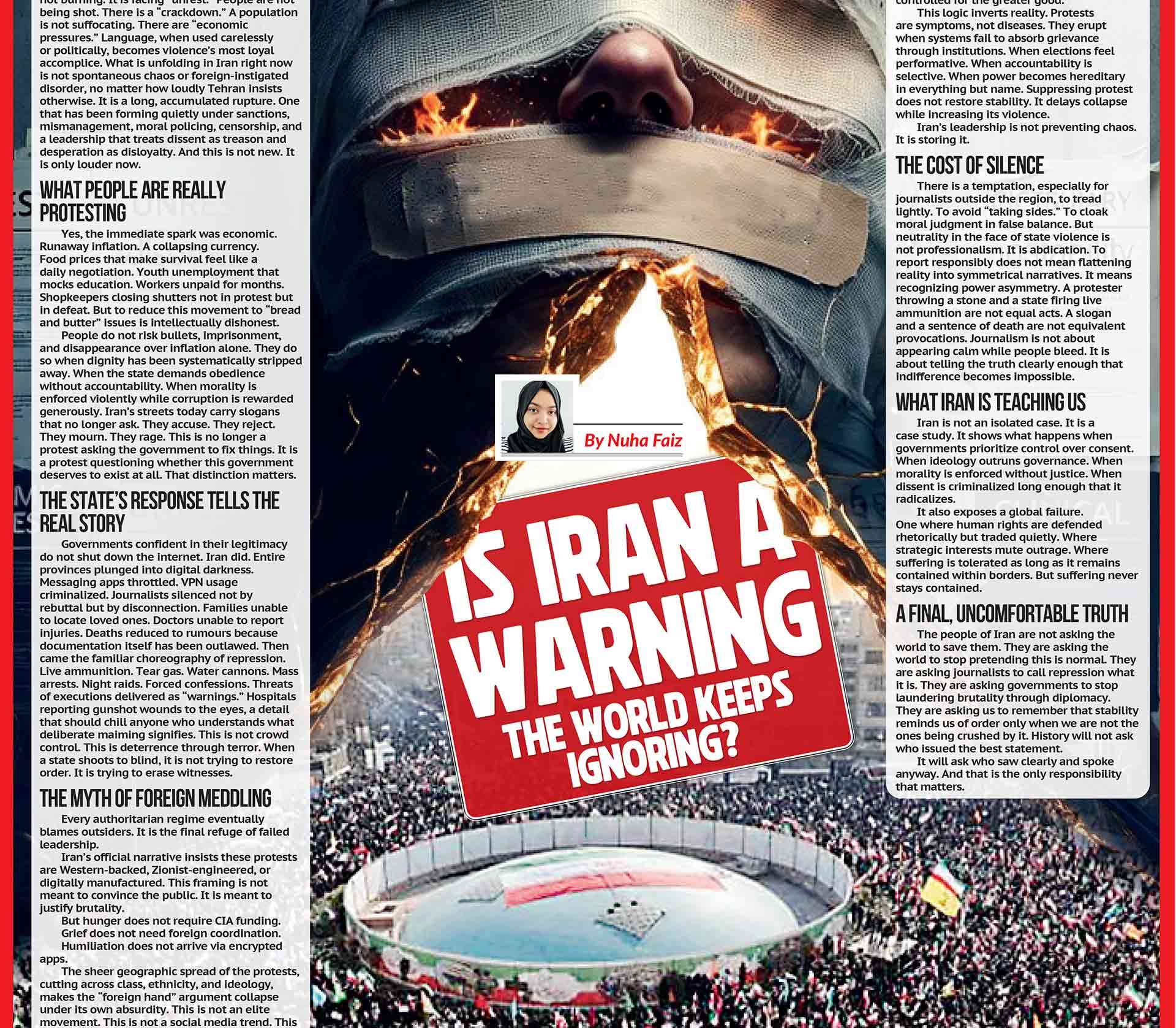
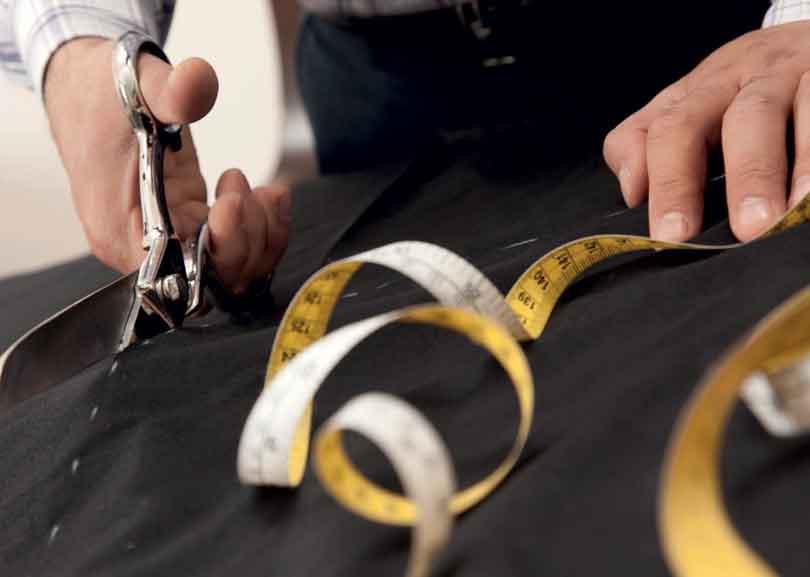
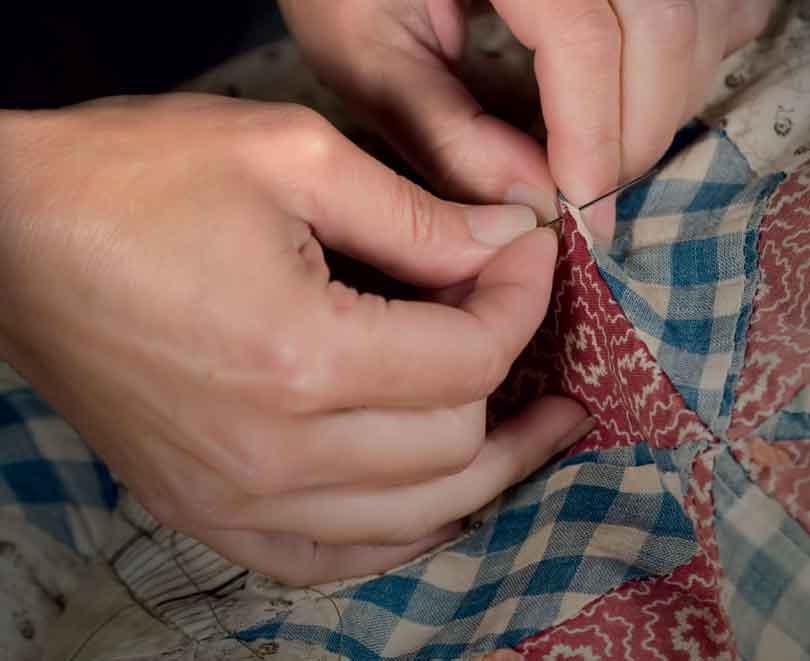
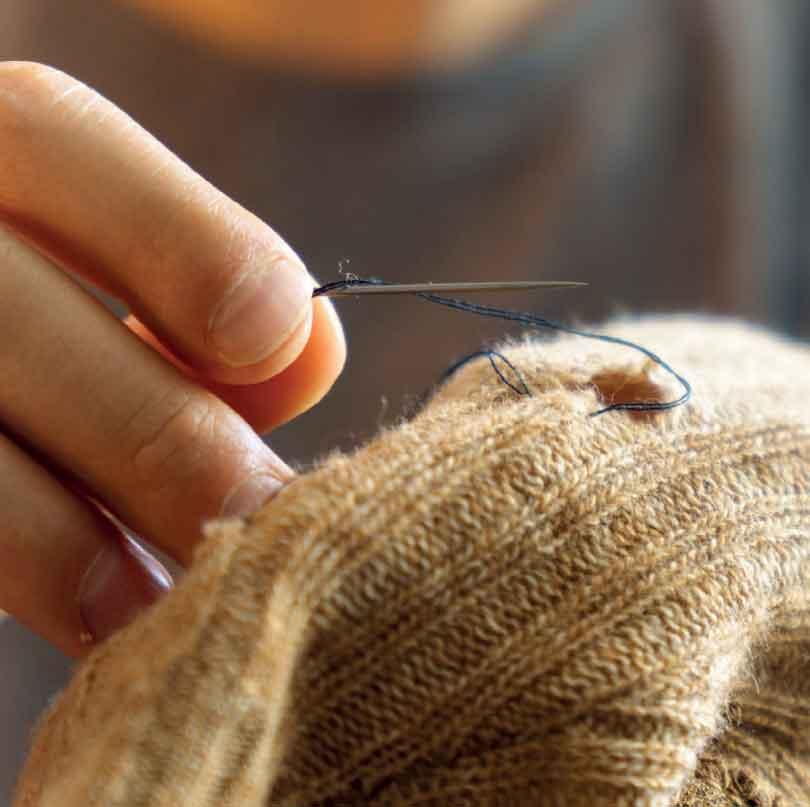
There is something quietly radical about a needle and thread.
In a world conditioned to believe that progress means newness, mending feels almost rebellious. It asks us to pause. To look closely. To decide that what we already have is worth saving. At a time when fashion conversations are dominated by AI, innovation, materials science, and futuristic sustainability promises, one of the most powerful climate actions available to us is also one of the oldest: repair. We have been taught to think that individual actions are insignificant against the scale of the climate crisis. That the problem is too big, too systemic, too far removed from our wardrobes. But what if the opposite were true? What if the smallest fixes, those done quietly at home, or by a local tailor, are precisely where meaningful change begins?
Recent data from WRAP, the UK-based climate action NGO, in collaboration with SOJO, makes this impact visible in concrete terms. They measure the environmental benefit of repairing garments using carbon dioxide equivalent emissions, CO2e, the standard unit for greenhouse gas emissions. The findings are both sobering and hopeful.
Repairing a rip in a waterproof jacket saves 45 kilograms of CO2e. To put that into perspective, that is roughly the same amount of emissions produced by running almost 300 washing cycles. Repairing a simple cotton T-shirt saves 7.5 kilograms of CO2e, comparable to 25 hours of ironing.
These are not abstract numbers. They are everyday actions translated into climate language we can understand. And they reveal something important: keeping our clothes in use for longer has a measurable, meaningful environmental impact. Fashion’s environmental problem has never been just about what we buy. It is about how quickly we discard.
Globally, an estimated 92 million tonnes of textile waste end up in landfill each year. Clothes are produced at unprecedented speed, worn fewer times than ever before, and disposed of with alarming ease. The carbon footprint of fashion is embedded not only in raw materials and manufacturing, but in every choice that follows purchase, how often we wear, wash, repair, and ultimately replace a garment. Mending interrupts this cycle. It slows down the constant churn of consumption. It delays replacement. It honours the resources already used, water, energy, labour, skill, by extending a garment’s life rather than cutting it short. Yet somewhere along the way, repair was reframed as failure.
A visible mend became something to hide. A patched elbow a sign of lack rather than care. Fast fashion trained us to see damage as an excuse to buy again, not an invitation to fix. Tailoring and mending, once everyday skills, were outsourced or forgotten altogether.
But attitudes are beginning to shift. Younger consumers are rediscovering repair through visible mending, sashiko stitching, and intentional patchwork. Luxury houses are reintroducing repair services, reframing aftercare as part of brand value. Independent platforms and local tailors are seeing renewed interest. What was once considered old-fashioned is becoming quietly aspirational.
This is not nostalgia. It is recalibration. Repair asks a different question of fashion, not “Is this new?” but “Is this worth keeping?”
From a climate perspective, the answer matters more than we realize. The carbon footprint of producing a new garment far outweighs the emissions associated with maintaining an existing one. Every time we mend instead of replace, we avoid the emissions linked to fibre production, dyeing, manufacturing, packaging, and global transport.
That is why the WRAP (Worldwide Responsible Accredited Production) and SOJO figures are so powerful. They turn an abstract concept, sustainability, into a tangible outcome. A single repair equals dozens of everyday activities we already recognize as energy-intensive.
And unlike many sustainability solutions, repair does not require new technology, complex infrastructure, or policy reform to begin. It requires a mindset shift. There is also a deeper, more human layer to mending that data alone cannot capture. When we repair a garment, we form a relationship with it. We notice its weak points. We learn how it moves with the body. We invest time, attention, and often care. A repaired garment carries a story, a reminder of a moment when it could have been discarded but wasn’t.
In many cultures, especially here in Sri Lanka and across South Asia, mending was never exceptional. Clothes were altered, passed down, reworked. Fabric held value. Skills were shared across generations. Waste, as we know it today, simply did not exist in the same way. Modern fashion disrupted this rhythm, replacing continuity with disposability. Repair brings us back to a slower, more respectful relationship with what we wear.
It also redefines luxury. True luxury has never been about perfection. It has been about longevity. About pieces that are worth caring for, worth restoring, worth keeping in circulation. A repaired jacket that continues to protect you from the rain for years carries far more value, environmental and emotional, than a pristine replacement bought without thought. When we talk about reducing fashion’s footprint, we often focus on what brands should do. And they do have responsibility, significant responsibility. But repair reminds us that agency does not end at the checkout. What we choose to do with our clothes after purchase matters just as much. A mended seam. A replaced button. A patched lining. Small fixes, yes. But collectively, they represent a different future for fashion, one where care replaces excess, and longevity replaces novelty.
The climate crisis can feel overwhelming precisely because it is global. Repair grounds it back in the personal. It reminds us that our daily choices accumulate. That the act of keeping something alive, something already made, is a form of environmental stewardship. So, the next time a sleeve tears or a hem comes loose, pause before discarding. Consider the emissions saved, the resources honoured, the story extended. Consider that what seems insignificant in isolation becomes powerful when multiplied across wardrobes, cities, and cultures. Isn’t it amazing what a big difference our small fixes can make? Sometimes, the most meaningful change begins not with invention, but with a needle, a thread, and the decision to care.
A Gentle Call to Action
Before buying something new, look again at what you already own. Mend the tear. Reinforce the seam. Replace the button. Support a local tailor, learn a basic stitch, or choose brands that value repair as much as design. These choices may feel small, but their impact is anything but. If fashion is to have a future, it will be built not only by what we create next, but by how carefully we choose to keep what already exists.