 In a fashion world increasingly driven by speed, disruption, and spectacle, Valentino Garavani has always stood apart. While the industry moved toward shock value and relentless reinvention, Valentino remained devoted to something far rarer and more enduring: beauty without irony. For more than six decades, he dressed women not to provoke or overwhelm, but to elevate them.
His creations were never about making noise. They were about creating moments, moments of quiet power, confidence, and grace that lingered long after trends passed. Valentino did not chase fashion. He built a universe, one defined by elegance, romance, and discipline, where craftsmanship was sacred, and femininity was treated with reverence rather than scepticism. From the beginning of his career, Valentino understood that fashion could be both art and devotion. He believed clothes should honour the woman wearing them, not compete with her or attempt to redefine her. In an era increasingly focused on deconstruction and conceptual shock, his approach felt almost radical in its sincerity. He designed with precision, patience, and emotional intelligence, creating garments that allowed women to feel powerful through beauty rather than despite it. His work spoke softly but carried extraordinary authority.
The Birth Of Valentino Red
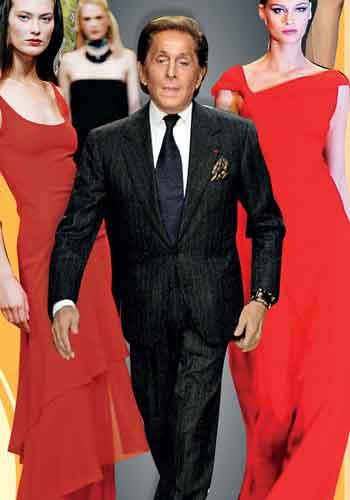
If one colour can reveal the soul of a designer, Valentino’s is red. Valentino Red is more than a shade; it is a signature, a state of mind, and a declaration of intent. Its origin dates back to a formative moment in his youth when he attended the opera in Barcelona. Surrounded by darkness, he noticed women dressed in vibrant red, glowing with confidence and sensuality. The colour felt alive, commanding attention without demanding it. That impression never left him.
Valentino Red is not aggressive or loud. It does not shout. Instead, it seduces. Over the decades, it has flowed through silk chiffon, sculpted satin, and dramatic evening capes, adapting itself to the body while retaining its unmistakable identity. The colour became synonymous with confidence, sensuality, and timeless allure. To wear Valentino Red was to be unforgettable, not because it demanded attention, but because it embodied presence. It represented a femininity that was unapologetic yet refined, powerful yet graceful. Valentino’s brilliance extended far beyond colour and silhouette. His true gift lay in his understanding of women. He did not design for an abstract ideal or a singular muse. He designed for the individual, listening carefully and responding intuitively. This sensitivity earned him the trust of some of the most elegant and scrutinised women of the twentieth century.
Dressing the World’s Most Elegant Women
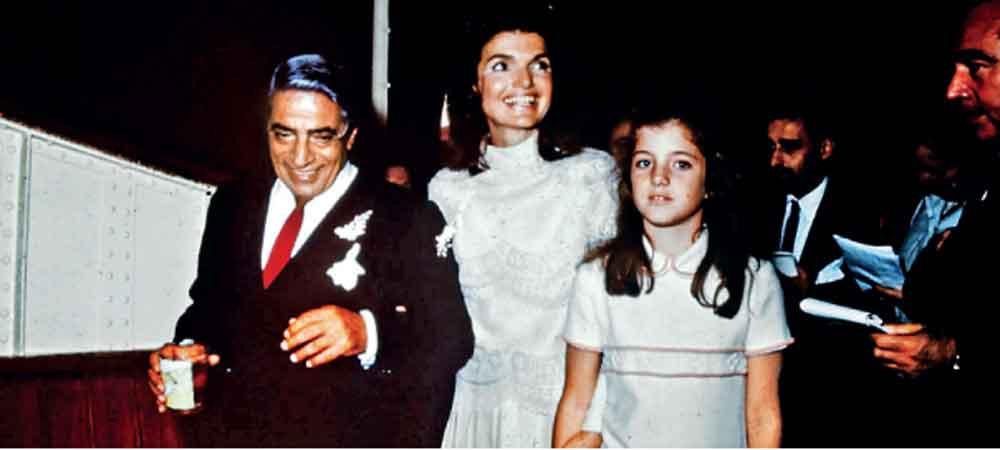
Jacqueline Kennedy Onassis turned to Valentino during a period when her every appearance was dissected by the world. In moments that demanded restraint, dignity, and quiet strength, Valentino provided exactly that.
His designs for her were refined and composed, offering grace without excess. They reinforced her image as a woman of intelligence and poise, allowing her to navigate public life with elegance under immense pressure.
Elizabeth Taylor, by contrast, embodied drama, glamour, and intensity. Valentino understood that her presence called for something bolder, something worthy of her larger-than-life spirit. He dressed her in gowns that matched her magnetism, rich in colour and volume, yet always disciplined in construction. With Taylor, glamour became elevated rather than overwhelming, proving that opulence could still be sophisticated when guided by mastery.
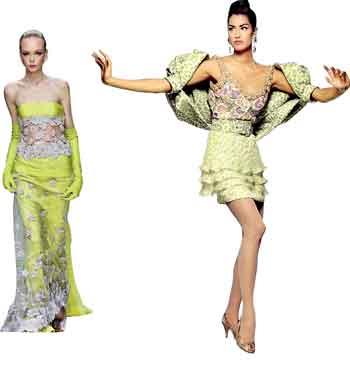
Audrey Hepburn represented yet another facet of femininity. Known for her simplicity, intelligence, and innate elegance, she found a natural harmony with Valentino’s vision. When she wore his designs, including her appearance in the April 1979 edition of British Vogue, the result was effortless refinement. His clothes never distracted from her essence. Instead, they framed it, enhancing her grace while allowing her personality to remain central.
Later, Princess Diana would also find her voice through Valentino’s work. As she stepped into a new chapter of independence and self-assurance, his designs reflected that transformation. Romantic yet assured, soft yet commanding, the gowns captured a woman discovering her own power. In every case, Valentino achieved something rare. Each woman looked unmistakably herself, and unmistakably Valentino.
The White Collection: When Simplicity
Became Radical
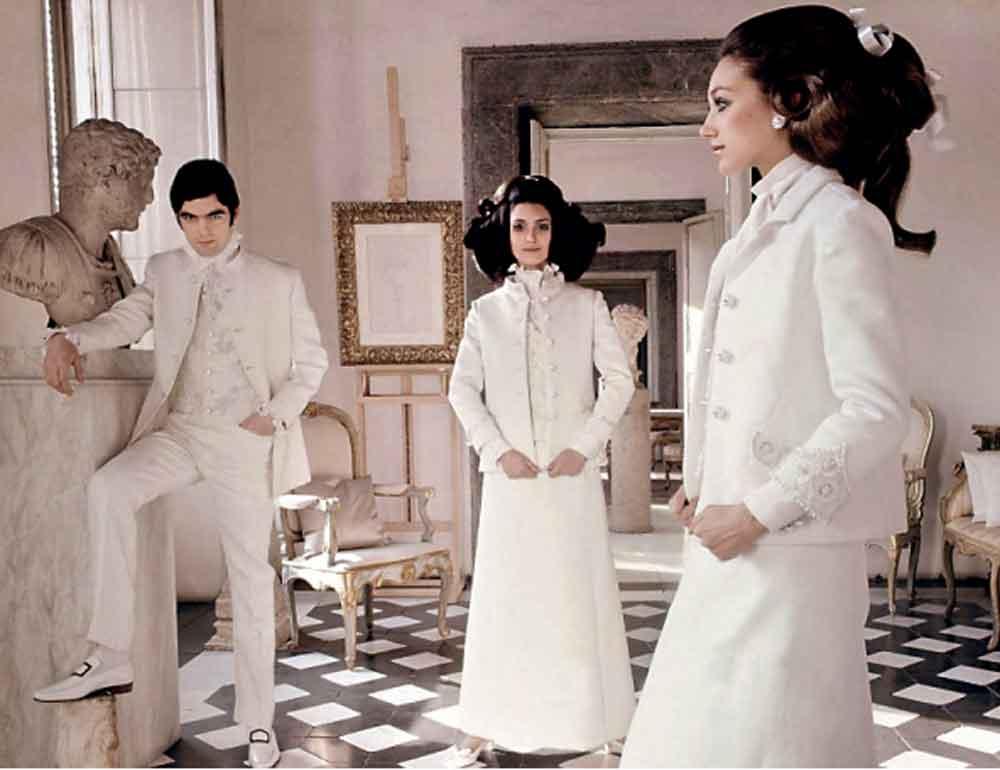
In 1968, Valentino made one of the most daring statements of his career by embracing simplicity. At a time when fashion favoured bold colour and excess, he unveiled an all-white collection. It was a radical move, not because it sought attention, but because it rejected it. White became the canvas upon which craftsmanship spoke most clearly.
Lace, silk, embroidery, and immaculate tailoring took centre stage. Without colour to distract the eye, every detail mattered. Proportion, texture, and construction became the true focus. The collection demonstrated that restraint could be revolutionary and that simplicity, when executed with confidence and precision, could feel profoundly modern. It reinforced Valentino’s belief that true luxury whispers rather than announces itself.
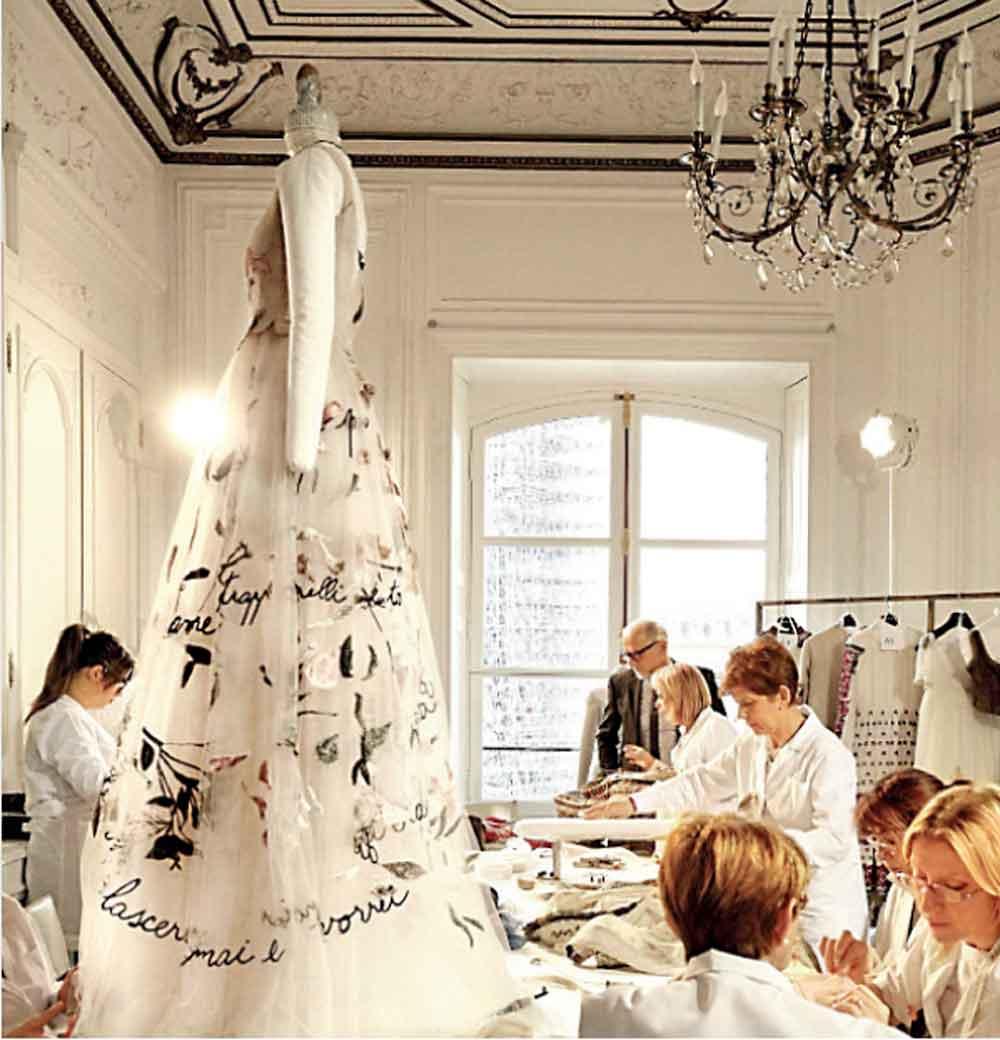
While the fashion industry evolved toward speed and mass production, Valentino remained devoted to couture. He was never interested in universal appeal. His commitment was to artistry, to the slow and deliberate process of creation. In his ateliers, garments were shaped by hand, embroidery was stitched with patience, and draping was perfected through time rather than haste.
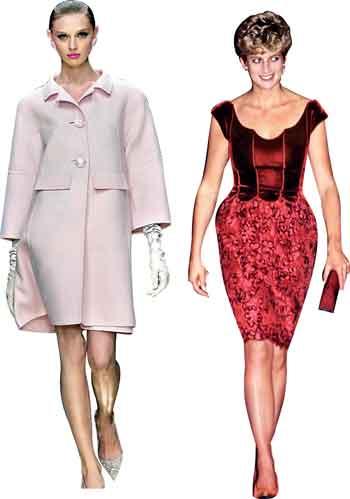 Every gown carried hours of human touch, care, and pride. In an era increasingly driven by efficiency and output, these values became almost radical. Valentino believed that couture was not just about exclusivity, but about respect. Respect for the craft, for the materials, and for the women who would wear his designs. Fashion, to him, was a discipline, one that required devotion and humility.
The Art of Couture, Preserved
When Valentino took his final bow in 2008, the fashion world paused. His farewell show in Paris was not a moment of nostalgia, but one of triumph. It served as a powerful reminder that elegance does not age and that true legacy is built slowly, deliberately, and beautifully. The collection reflected everything he stood for, romance, precision, and unwavering commitment to beauty.
The standing ovation that followed was not only for a designer, but for an entire way of making fashion. It honoured a philosophy that placed beauty above noise, craftsmanship above speed, and intention above spectacle. It marked the end of an era, but also the affirmation of a legacy that would continue to resonate.
Today, in a climate dominated by viral trends and algorithm driven aesthetics, Valentino Garavani’s work feels more relevant than ever. His message was simple yet profound. Fashion should honour the body rather than fight it. Elegance is not an accident, but a discipline. Romance is not a weakness, but a form of power.
Valentino taught us that dressing beautifully is not about excess, but about intention. It is about understanding proportion, respecting craftsmanship, and believing in the emotional power of clothing. He reminded the world that fashion, at its best, can be an act of devotion.
In Honour of Valentino
Valentino Garavani did not merely dress women. He believed in them. Through silk, through red, through an unwavering commitment to beauty, he left behind a legacy that transcends trends. Long after fashion moves on, Valentino remains, living on in elegance, in craftsmanship, and in the quiet confidence of those who wear his work.