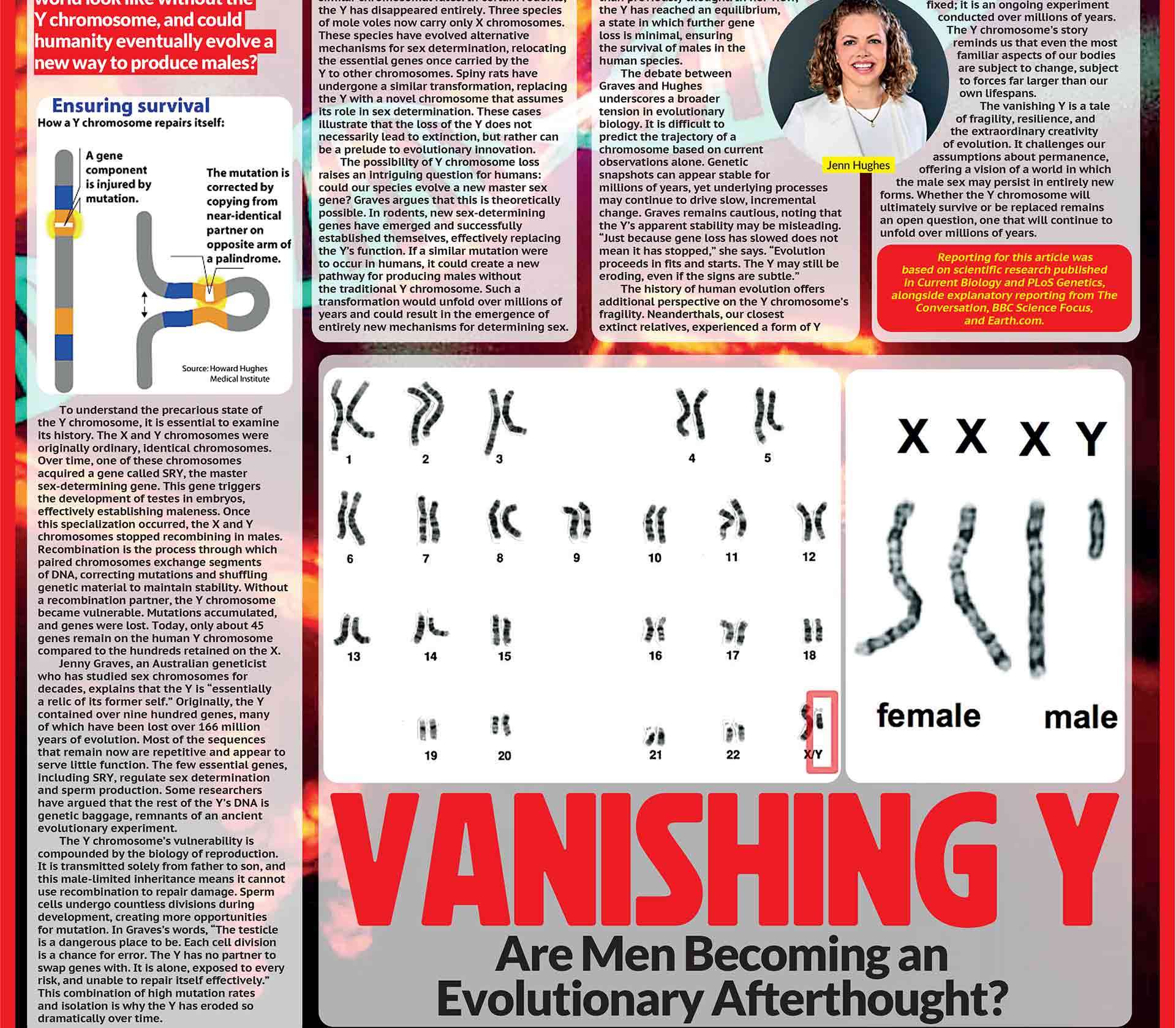
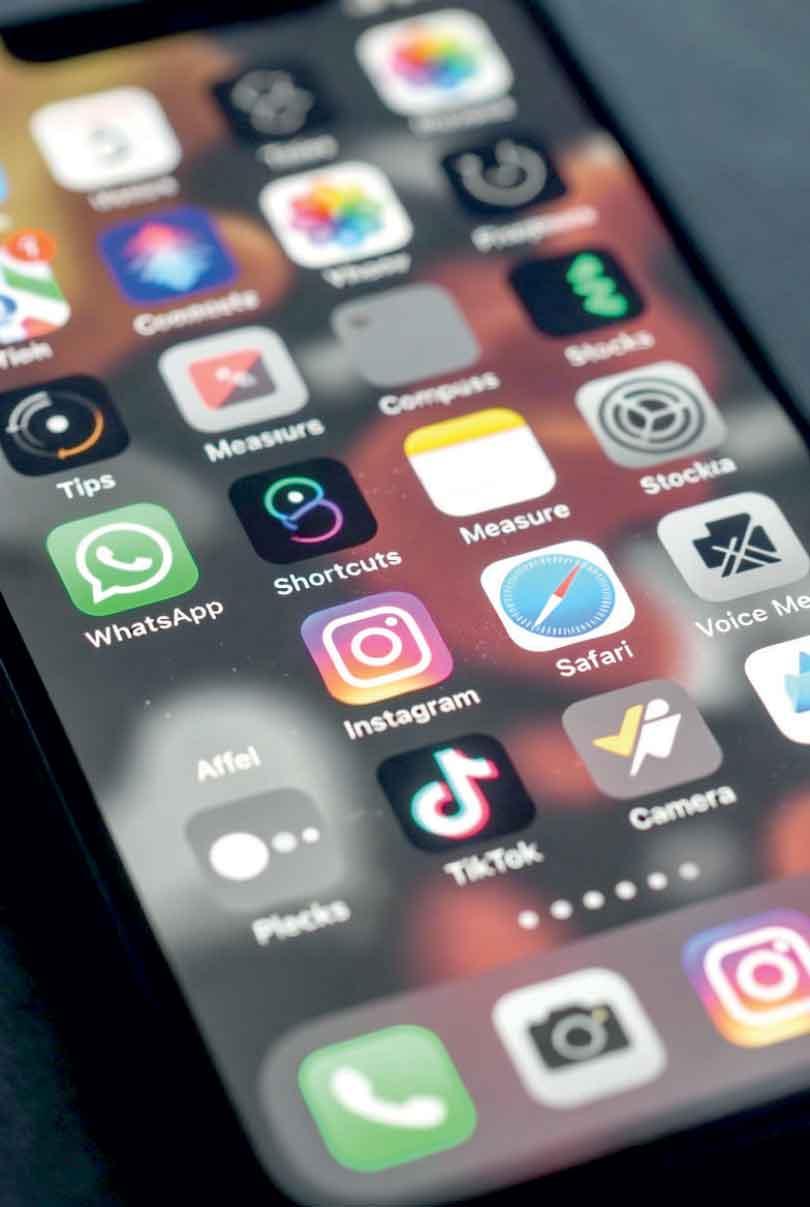
If you open your iPhone right now and scroll through your home screen, you will probably notice something strange. Alongside the apps you use every single day sit a collection of unfamiliar icons that you barely recognise. They have names like Tips, Measure, Shortcuts, Compass, and Stocks. They arrived on your phone the moment you switched it on for the first time, already installed, already waiting, already taking up space. Most of us did not choose them, yet we carry them everywhere. Even more interestingly, many of us almost never open them.
The way we interact with our phones has become deeply habitual. Our fingers move automatically towards WhatsApp, Instagram, Safari, TikTok, or the Camera app. These are the spaces where we communicate, consume, and document our lives. Everything else fades into the background. It is not that these forgotten apps are useless. In fact, many of them are powerful and impressive. The issue is that they do not fit neatly into our daily routines.
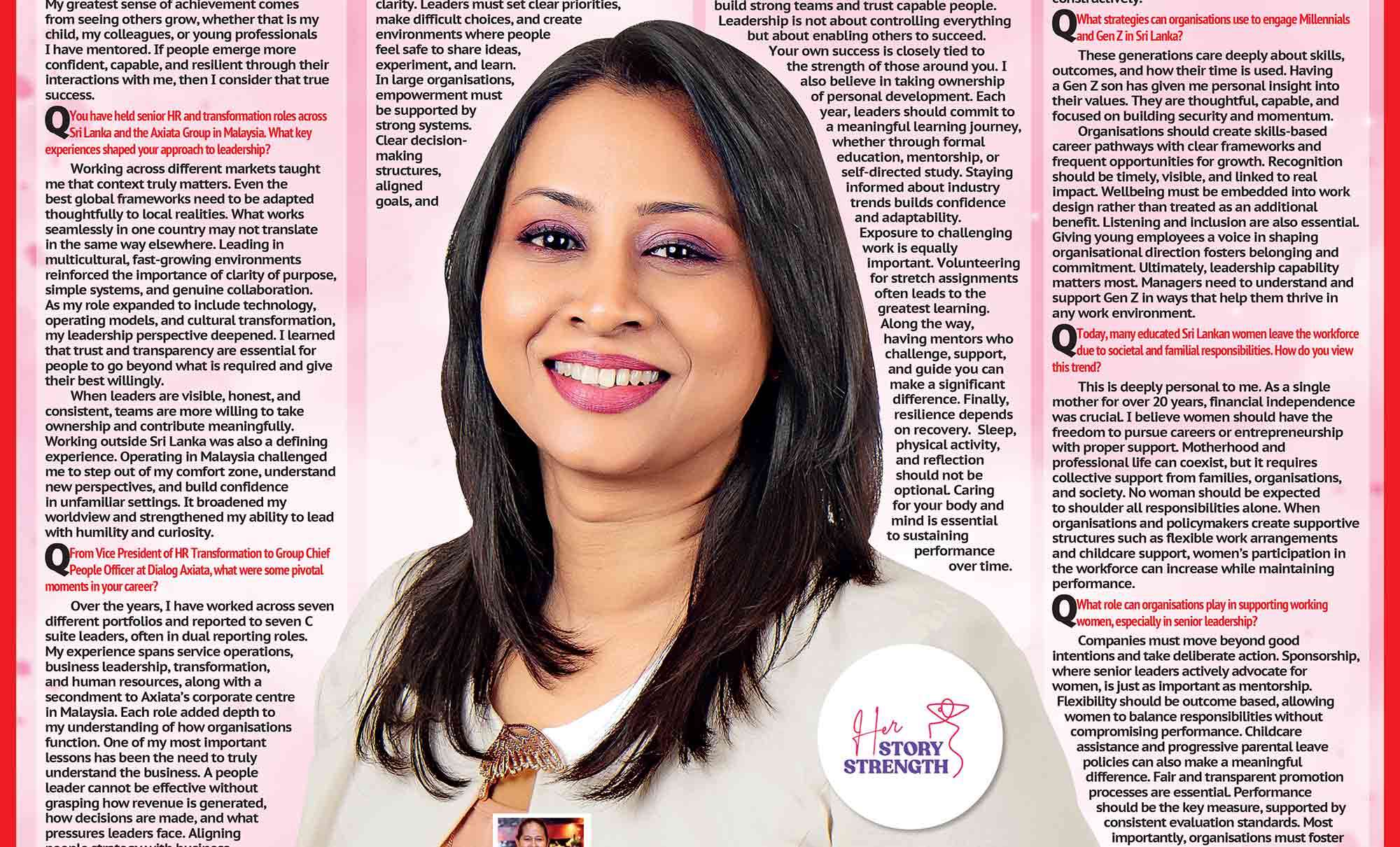
Apple designs its devices with the assumption that every user might need a wide range of tools at some point in their life. The result is a phone that feels like a digital Swiss army knife, packed with features that only reveal themselves in very specific situations. For most people, those situations never arrive, or arrive so rarely that the apps remain buried in a folder labelled Extras.
One of the most ironic examples is the Tips app. Its entire purpose is to teach people how to use their iPhones more effectively. It explains hidden features, gestures, and shortcuts that can genuinely improve the user experience. Yet very few people actually read it. Instead, when we want to learn something new about our phones, we turn to YouTube videos, TikTok tutorials, or quick Google searches. Tips sits quietly on our screens, sending occasional notifications that most of us swipe away without hesitation. There is something almost poetic about this. Apple builds an official guide to its own technology, but users prefer informal lessons from strangers online. This says more about modern learning habits than it does about the app itself. We trust peer experiences more than corporate explanations, even when those explanations are clearer and more reliable.
Then there is the Measure app, which transforms your iPhone into a virtual measuring tape using augmented reality. The first time you open it, you feel like you are living in the future. You point your camera at a table, a door, or a wall, and the app calculates its dimensions before your eyes. It is clever, innovative, and surprisingly accurate. Yet for most people, Measure is a one time experiment. After that initial moment of excitement, it disappears again. When we actually need measurements, we usually guess, look up standard sizes online, or find a real tape measure. The digital alternative feels impressive but unnecessary. It exists more as a demonstration of what smartphones can do than as a practical everyday tool.
Some apps only surface in moments of urgency. Voice Memos is a perfect example. It is simple, reliable, and extremely useful. Journalists, students, and creatives can record interviews, lectures, or sudden bursts of inspiration. In theory, it should be one of the most frequently used apps on the iPhone.
In reality, most people prefer WhatsApp voice notes or the Notes app. We associate Voice Memos with formal recording, even though it works perfectly well for casual use. It stays hidden until we panic, suddenly remembering that we need to capture something important before it disappears.
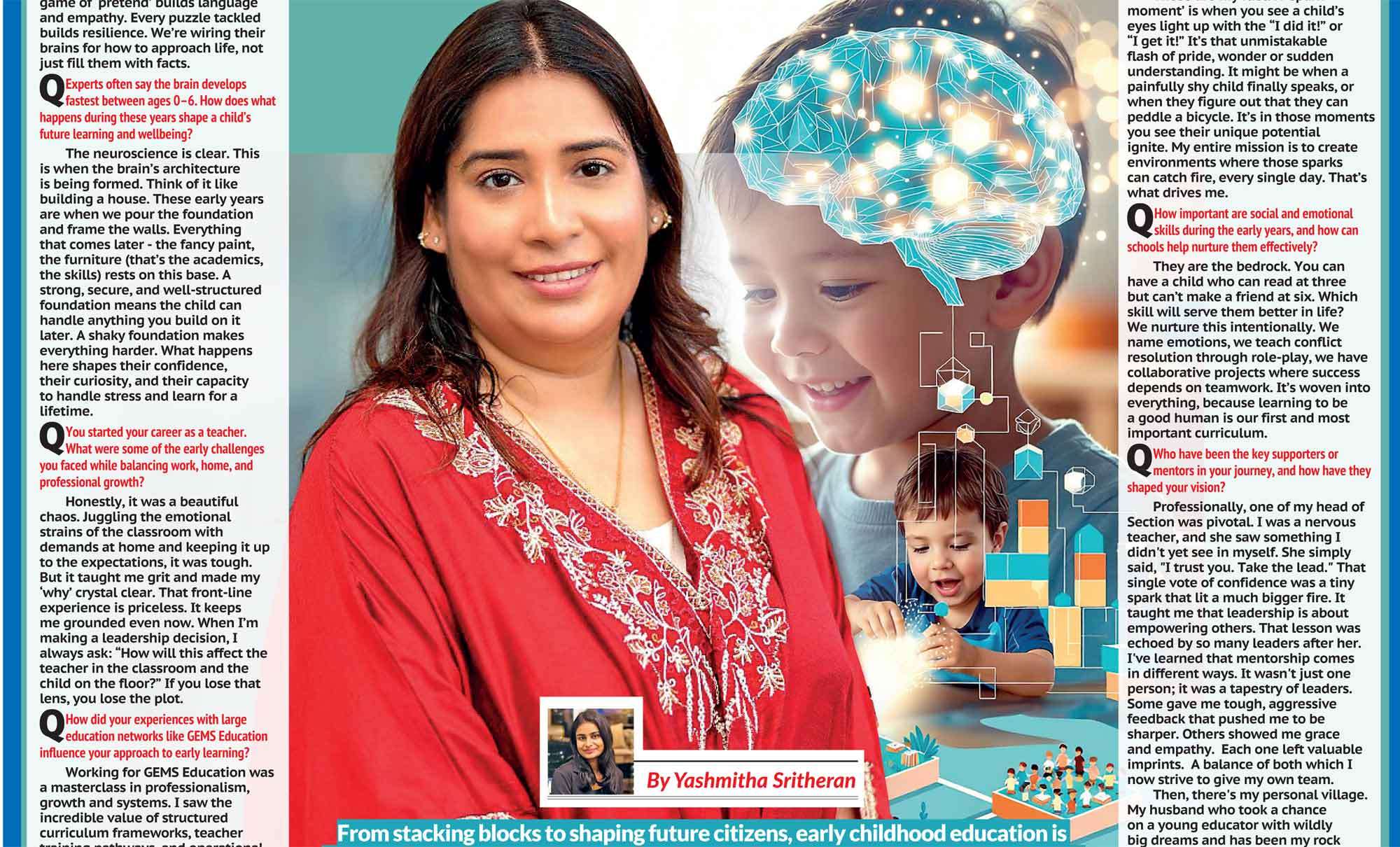
Navigation tells another revealing story. Apple Maps has improved dramatically over the years. It now offers clear directions, detailed visuals, and smooth integration with the rest of the iPhone. Despite this, many users still instinctively open Google Maps without thinking twice. This is not because Apple Maps is bad. It is because trust, once broken, is difficult to rebuild. In its early years, Apple Maps was unreliable and confusing. That reputation stuck, even as the technology evolved. People prefer familiarity over innovation, even when the innovation is objectively better.
One of the most powerful apps on the iPhone is Shortcuts, yet it remains one of the least used. Shortcuts allows users to automate tasks, customise their phone, and create personalised routines. With enough effort, you can make your iPhone behave exactly the way you want. The problem is that Shortcuts feels complicated. It requires patience, logic, and a willingness to experiment. Most users do not want to become amateur programmers just to send a message faster or change their wallpaper. They prefer simplicity over control, even if that means missing out on incredible possibilities.
Apple also provides its own productivity suite, Pages, Numbers, and Keynote. These apps are free, beautifully designed, and capable of handling professional work. In another world, they might have replaced Microsoft Word, Excel, and PowerPoint. Instead, they are largely ignored. Schools and workplaces rely on Google Docs and Microsoft Office, making Apple alternatives feel inconvenient. Compatibility issues discourage users from even trying them. As a result, these apps sit untouched on millions of devices, silently ready but rarely needed.
Financial apps face a different kind of rejection. The Stocks app tracks global markets in real time, offering updates on share prices, trends, and economic shifts. For some people, this is fascinating. For many others, it is overwhelming. Younger generations in particular often avoid the app entirely. With rising living costs and uncertain job markets, constantly watching numbers rise and fall can feel stressful rather than empowering. Ignoring Stocks becomes a quiet way of protecting mental wellbeing.
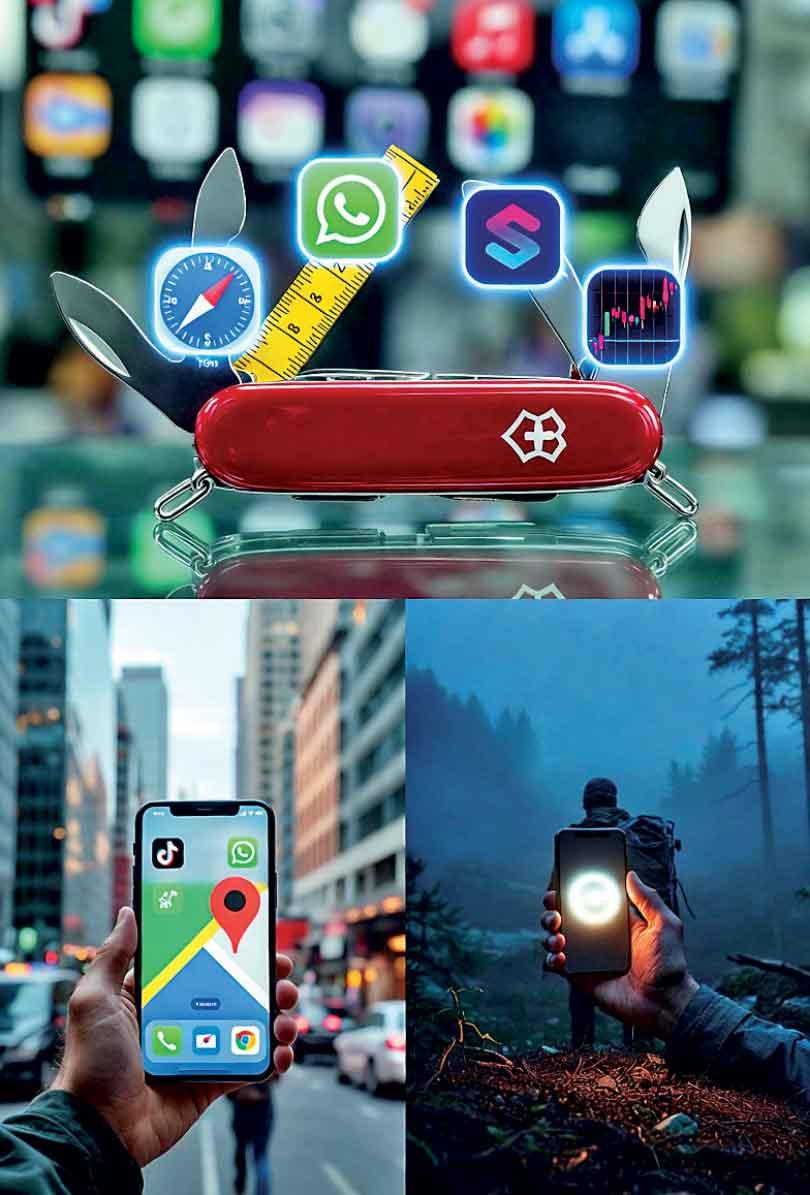
Then there is Compass, an app that feels almost nostalgic in the age of GPS. It does exactly what it promises. It points north, shows direction, and works reliably. Yet in everyday life, it has very little purpose.
Modern navigation apps guide us turn by turn, making manual orientation unnecessary. Unless someone is hiking, camping, or travelling without internet, Compass remains untouched. It exists more as a reminder of older technology than as a modern necessity.
Even health related apps fall into this category. Apple includes a Health app that tracks steps, heart rate, sleep, and more. Some people use it religiously. Many others ignore it completely. They may wear smartwatches or fitness trackers instead, or simply prefer not to monitor their bodies so closely. There is something deeply human about this selective engagement. We do not want every possible piece of data about ourselves. We choose what we care about and what we would rather avoid. The iPhone offers everything, but we only accept some of it.
So why does Apple continue to include all these apps? The answer lies in the company’s philosophy. Apple does not design solely for popularity. It designs for possibility. These apps are not meant to compete for attention. They are meant to be available when needed. In a way, they represent a quieter vision of technology. Instead of constantly demanding engagement, they wait patiently in the background. They do not chase trends or push addictive features. They simply exist as tools. Your iPhone, therefore, is shaped not only by what you use, but also by what you ignore. The unused apps are just as much a part of your device as the ones you open every day. They reflect the complexity of modern technology and the diversity of human behaviour.
Some people will one day rely on Measure to redesign a room. Others will discover Shortcuts and transform their digital lives. Someone might use Compass during a remote trek, or record a life changing interview on Voice Memos. Most of us, however, will continue scrolling past these icons without a second thought. And that is perfectly fine. Technology does not need to be fully utilised to be meaningful. Sometimes, simply knowing that something exists is enough.