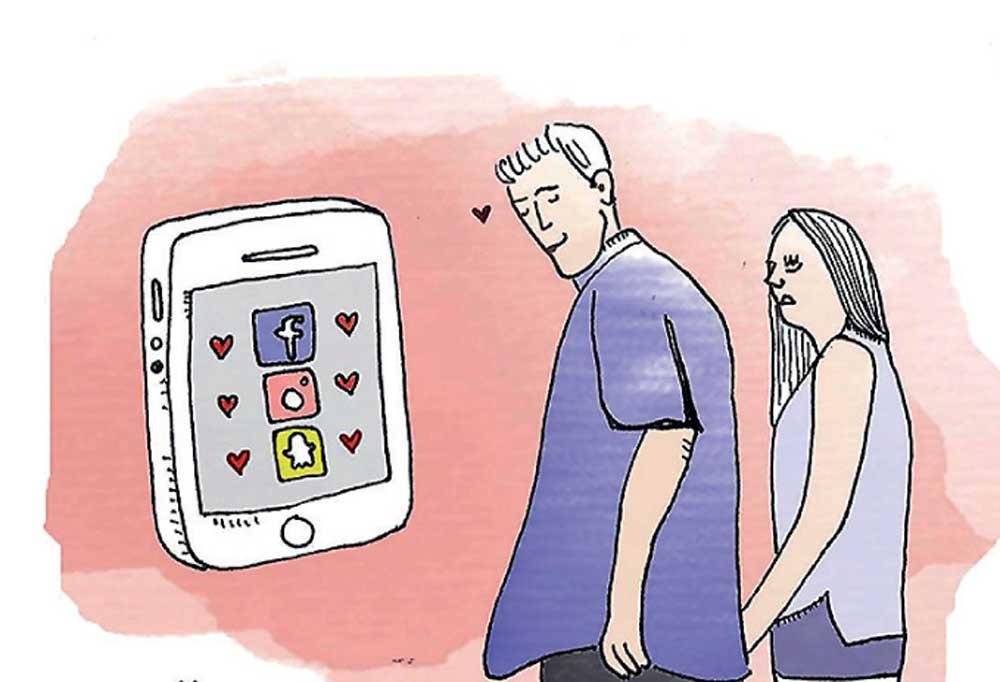
 Jealousy is one of those emotions everyone pretends they’re above until it hits them unexpectedly. It’s messy, loud, and sometimes humiliating. One minute you’re fine, minding your business, and the next you’re spiraling because your partner liked someone else’s post, or your friend achieved something you’ve secretly been craving for years. It’s wild how jealousy can make you feel both irrational and painfully self-aware at the same time. But jealousy doesn’t come out of nowhere. It has deep roots in psychology, history, and human evolution. The more we understand those roots, the less power the emotion has over us.
Evolutionary psychologists argue that jealousy originally existed as a survival mechanism. Early humans depended on resources, stable relationships, and social belonging. Losing any of these could literally mean death, so jealousy developed as an internal alarm system. If someone threatened your bond with your partner, jealousy pushed you to protect that connection. If someone had more food, status, or power, jealousy motivated you to fight for your place. It wasn’t insecurity back then, it was survival.
Even though the world has changed, our emotional wiring hasn’t. Today, we’re not competing for hunting grounds or firewood, yet jealousy still triggers that ancient alarm whenever we sense scarcity, scarcity of attention, affection, stability, or success. Even when the threat isn’t real, the brain treats it like an emergency. It’s basically an evolutionary leftover we’re still stuck with in a world that has moved on.
The Psychological Roots of Jealousy
Psychologically, jealousy is even more revealing. Most of the time, it isn’t about the person we’re jealous of, or the person we’re jealous about. It’s about the fear, insecurity, or old wound inside us that gets poked in the moment. One of the biggest roots of jealousy is fear of abandonment. Humans are social beings wired for connection from birth. Babies cry when a caregiver leaves because their survival depends on someone returning for them. And if you grew up with inconsistent affection, conditional love, or emotional neglect, that fear can follow you into adulthood. Suddenly, a partner taking too long to reply sends your brain into panic, not because anything is actually wrong, but because your nervous system learned that love isn’t stable. Jealousy, in that moment, becomes a shield, a way of preparing for heartbreak before it happens.
 Another major source of jealousy is low self-worth. Psychologists often say jealousy mirrors the parts of ourselves we secretly feel insecure about. If you feel unlovable, you’re more jealous of couples. If you feel behind in life, you’re jealous of someone else’s success. If you feel replaceable, you’re jealous when your partner gives someone else attention. In that sense, jealousy isn’t a flaw, it’s a map pointing you directly toward the wounds you’ve avoided. And in our generation, comparison culture makes it worse. Social media constantly pushes us into upward comparison, comparing our raw, unfiltered lives to everyone else’s highlight reels. Your brain sees someone looking better, doing better, living better, and immediately jumps to, why don’t I have that? What’s wrong with me? There’s nothing wrong with you, you’re just human in an environment designed to trigger jealousy.
Historically, culture shaped jealousy too. In some eras, jealousy was seen as proof of love; something passionate and romantic. Shakespeare called it “the green-eyed monster,” and society adored the idea of lovers fighting because they cared. But jealousy has also been used to control people, especially women. Jealous men were labelled protective; jealous women were labelled dramatic or hysterical. Those beliefs still linger, even though modern psychology is clear; jealousy isn’t gendered, and it definitely isn’t proof of love. It’s an emotional reaction rooted in fear, insecurity, and perceived threat. Understanding that removes so much shame and reframes jealousy as a normal human experience, not a personal failing.
Learning to Manage Jealousy Without Losing Yourself
So why do we still get jealous today? Because jealousy reflects what we value. You don’t get jealous over things that mean nothing to you. You get jealous when you feel deeply connected to something or someone, when you fear losing a relationship, when you feel inadequate next to someone’s achievements, or when you look at your life and feel like you’re falling behind. Jealousy highlights desire, fear, attachment, and vulnerability. It’s not random; it’s a reaction to something meaningful inside you. The problem is that jealousy tricks you. The brain can’t always tell the difference between a real threat and a perceived one, so it jumps to conclusions:
- They’re talking to someone else so they must like them.
- My friend is succeeding, so maybe I’m failing.
- He didn’t reply quickly, so maybe he’s losing interest.
These are emotional assumptions, not facts. But jealousy makes them feel urgent and real because your brain is prioritizing protection, not accuracy.
The good news? Jealousy can be managed in healthy, grounded ways. You can’t erase it completely, it’s built into human nature, but you can stop it from controlling you.
One powerful approach is asking yourself what fear sits beneath the jealousy. Every jealous moment has a root. Are you afraid of being replaced? Do you feel insecure about your worth? Are you reacting to old wounds or past relationships? Once you identify the fear, the emotion becomes easier to handle. Another way is to build self-worth, although it’s easier said than done. Jealousy thrives when your identity is fragile and too dependent on external validation. Strengthening your confidence, values, boundaries, and independence shrinks the fear of being replaced. You start believing that if someone chooses someone else, that reflects them, not your worth.
Emotional regulation is equally important. Jealousy feels like an emergency, but most of the time it isn’t. Taking a pause, breathing, grounding yourself, stepping away, can stop one jealous thought from turning into a crisis. You can also shift comparison into inspiration. Instead of seeing someone as competition, see their success as proof that something is possible for you too. It doesn’t erase jealousy instantly, but it transforms it from something painful into something motivating.

Communication matters as well. Jealousy often comes from unspoken needs. Being honest about what triggered you, what insecurity resurfaced, or what reassurance you need can deepen relationships instead of damaging them, so long as you express yourself without blame. Finally, reframing jealousy through understanding your own history, patterns, and emotional wounds helps you separate old pain from current reality.
In the end, jealousy isn’t a sign of weakness; it’s a sign of humanity. It shows where we desire connection, where we fear loss, and where we don’t yet trust ourselves fully. It reveals the parts of us that need love, attention, and healing. When we understand jealousy, it stops feeling like a monster sitting on our chest and becomes more like a messenger trying to tell us something important. Working through jealousy doesn’t just reduce fear, it creates a deeper inner peace. You become less threatened by others, less controlled by insecurity, and less consumed by comparison. You start realizing you might just be irreplaceable, not because you’re perfect, but because no one else has your exact combination of energy, experiences, flaws, and beauty. You stop seeing life as a competition and start seeing it as a journey. And maybe that’s the real path to overcoming jealousy, realizing that there is enough room in this world for everyone to shine, including you.