The Return of More: Why Maximalism Is Design’s New State of Mind.
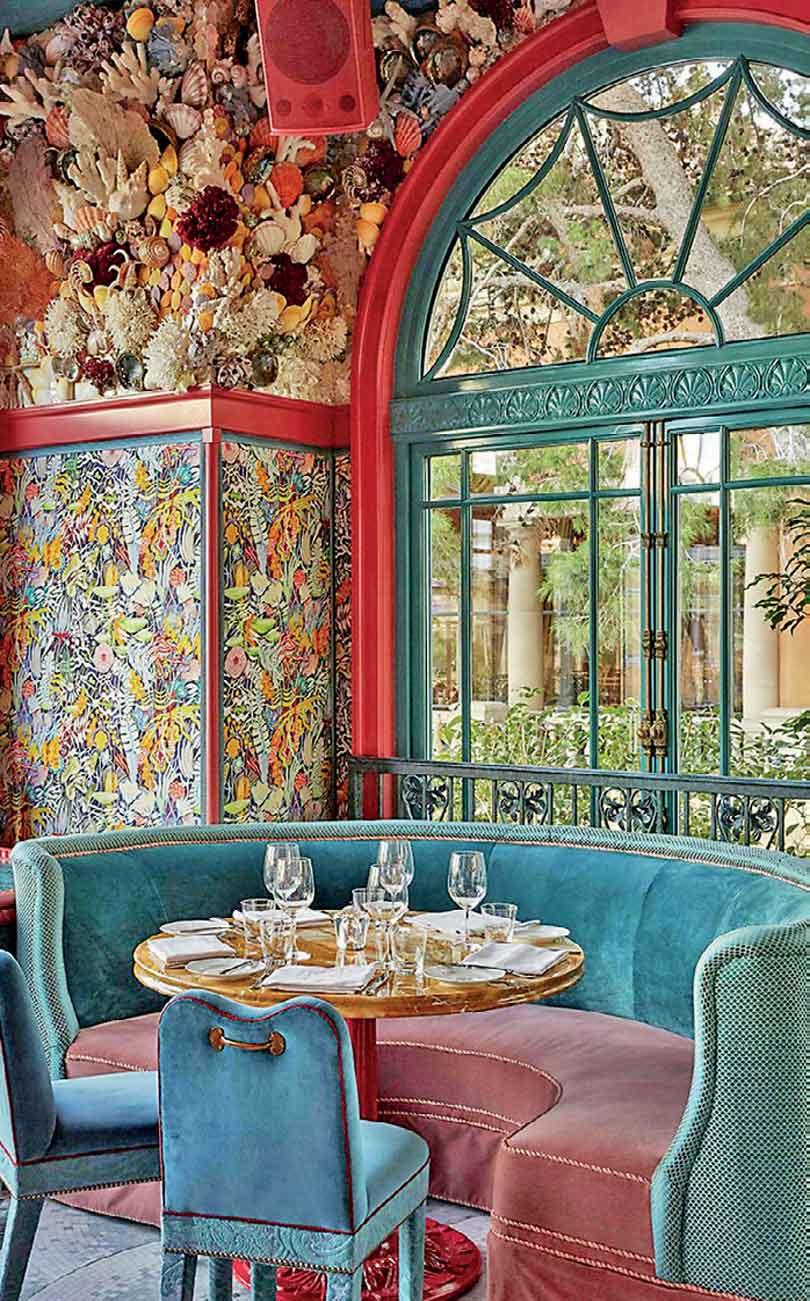
Minimalism once felt like the ultimate luxury. Clean lines, hushed palettes, and disciplined restraint promised a life uncluttered by excess; visual or emotional. For years, fashion and interiors alike subscribed to the idea that less was not only more, but better. But now, the tide has turned. Maximalism, bold, layered, expressive, and deeply personal, is back, and it’s rewriting the rules of style. This is not simply an aesthetic shift. It is a mood. It is not to be confused with over-decorated, cluttered, or crazy busy design. Across runways and spaces there is a growing rejection of neutrality as aspiration. Instead, colour is reasserting itself. Pattern is colliding with pattern. Objects, garments, and spaces are being chosen not for their restraint, but for their resonance. In place of minimalism’s cool detachment, maximalism offers warmth, memory, and emotion.
When Minimalism Became a Uniform
Minimalism’s rise was never accidental. It mirrored a broader cultural obsession with efficiency, wellness, and control. The pared-back interior, the capsule wardrobe, the neutral-toned outfit photographed against a white wall; these became symbols of taste, discipline, and success. Quiet luxury whispered refinement. It suggested effortlessness, even when it required immense curation. But as minimalism became ubiquitous, it also became prescriptive. Beige replaced creativity. Timelessness eclipsed play. The result? A sameness that felt increasingly disconnected from how people actually live. After years shaped by global instability, economic pressure, and digital saturation, the desire for emotional expression has returned with force. Style, once again, is being asked to do more than look good. It must feel good.
Fashion’s Love Affair with Excess
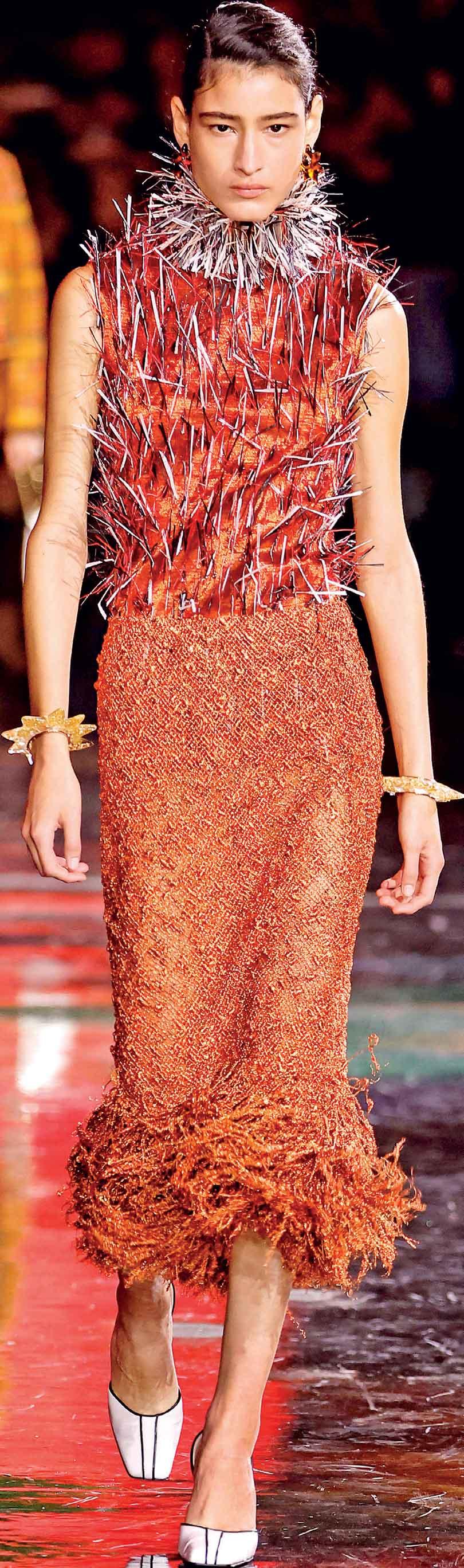
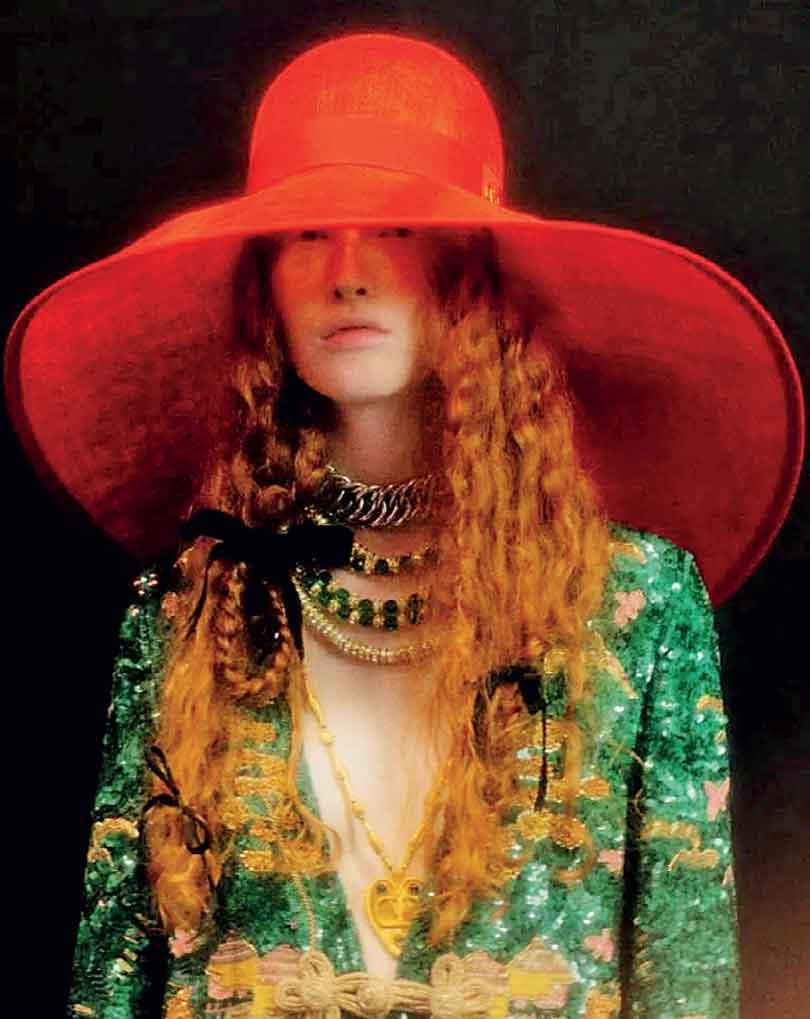
Fashion has always thrived on drama, and its current embrace of maximalism feels inevitable. On recent runways, designers have traded understatement for impact: sculptural silhouettes, saturated colour palettes, embellishment worn unapologetically in daylight. Sequins are no longer reserved for night. Statement pieces dominate entire outfits. Jewellery stacks, clinks, and gleams. What distinguishes this moment is intention. Today’s maximalism is not about excess for excess’s sake. It is about individuality. Clothing is no longer designed to disappear into a wardrobe; it is meant to be noticed, remembered, and felt.
Interiors That Tell Stories
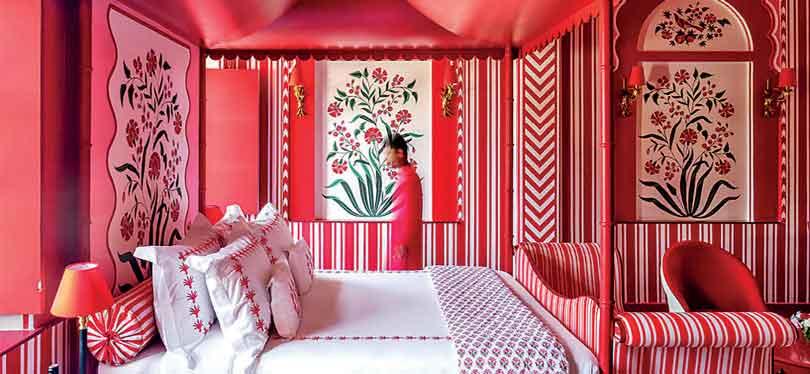
In spaces, both personal and public, maximalism is unfolding as a rejection of sterile perfection. White walls are giving way to wallpapered rooms layered in colour and print. Sofas appear in velvet jewel tones. Art is hung salon-style, filling walls with personal narratives rather than curated emptiness. These interiors feel lived-in, not styled. Books are allowed to sprawl. Objects are collected, not edited out. Vintage pieces sit comfortably alongside contemporary design, creating spaces that reflect identity rather than trends. Crucially, this version of maximalism is not about accumulation; it is about meaning. Every object earns its place through memory, history, or affection. Homes become emotional archives rather than aesthetic exercises. Curves are also quietly redefining the modern interior. After years dominated by sharp angles and architectural straight lines, sofas are softening, literally, into sculptural, rounded forms that prioritise comfort as much as aesthetics. Crescent-shaped seating, bulbous silhouettes, and cocooning upholstery signal a move away from rigidity toward sensuality and ease.
These curved pieces feel inherently human, inviting touch and encouraging connection, rather than enforcing structure. In an era increasingly shaped by emotional design, the return of curves reflects a desire for interiors that feel nurturing and fluid, spaces that embrace movement, softness, and the imperfect rhythms of real life.
The Politics of “Too Much”
Maximalism has always existed at the margins of what was deemed “good taste.” It was often dismissed as excessive or unserious. Its return feels quietly radical. In embracing ornament, colour, and abundance, maximalism challenges long-held hierarchies of taste. It rejects the idea that refinement must be restrained. It insists that pleasure, decoration, and visibility are not indulgences, but rights. This cultural reappraisal is evident in both fashion and interiors, where references are increasingly global, eclectic, and layered. Maximalism resists easy replication. It cannot be reduced to a uniform or an algorithm. Its power lies in its specificity, in its originality and creativity.
Why Now?
The timing of maximalism’s resurgence is no coincidence. In uncertain times, people crave comfort; and visual richness provides it. Colour stimulates the senses. Texture invites touch. Ornament reassures us that beauty still has a place in everyday life. Minimalism offered clarity through subtraction. Maximalism offers solace through abundance. There is also fatigue at play. After years of being told to streamline, simplify, and optimise every aspect of life, excess feels rebellious. To decorate lavishly, dress boldly, or collect freely is to push back against a culture of constant editing.
How Maximalism Works Today
Today’s maximalism is intuitive rather than overwhelming. It balances chaos with cohesion, boldness with confidence. Successful maximalist spaces and wardrobes often rely on repetition. echoed colours, recurring motifs, or consistent silhouettes, to create rhythm amid abundance. It is also deeply personal. There is no single formula, no checklist to follow. Maximalism thrives on instinct. It invites experimentation, mistakes, and evolution over time. Perhaps most importantly, it is no longer something one “graduates” into. It is not reserved for the fearless or the flamboyant. It is simply another way of being, one that prioritises expression over restraint.
The New Luxury
In many ways, maximalism represents a redefinition of luxury itself. True luxury is no longer about scarcity or silence. It is about freedom; the freedom to choose colour over neutrality, sentiment over perfection, pleasure over polish. As fashion and interiors move decisively away from minimalism’s cool grip, maximalism offers a compelling alternative: a world where style is layered, emotional, and unapologetically alive. After all, life is rarely minimal. Why should our clothes, or our spaces, pretend otherwise?