
THE PR INSIDER BY FARZANA BADUEL
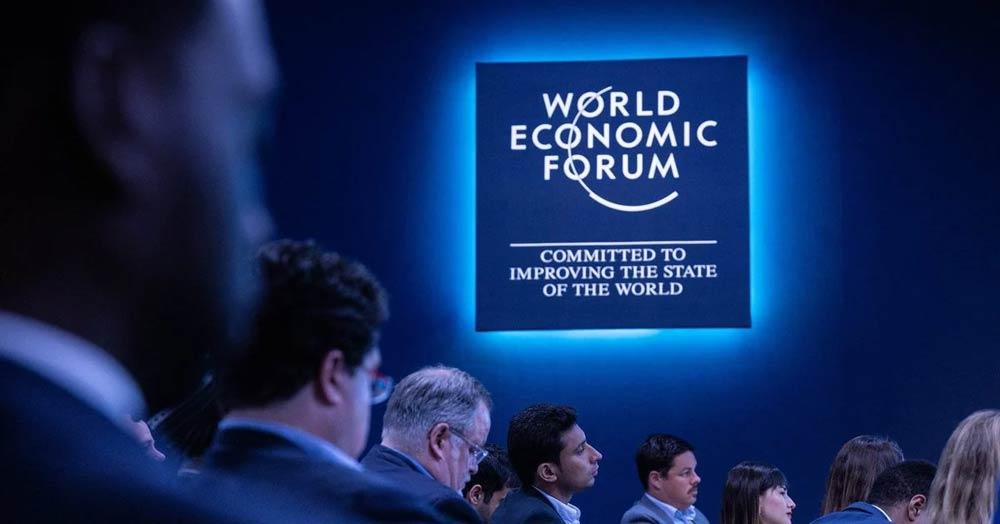
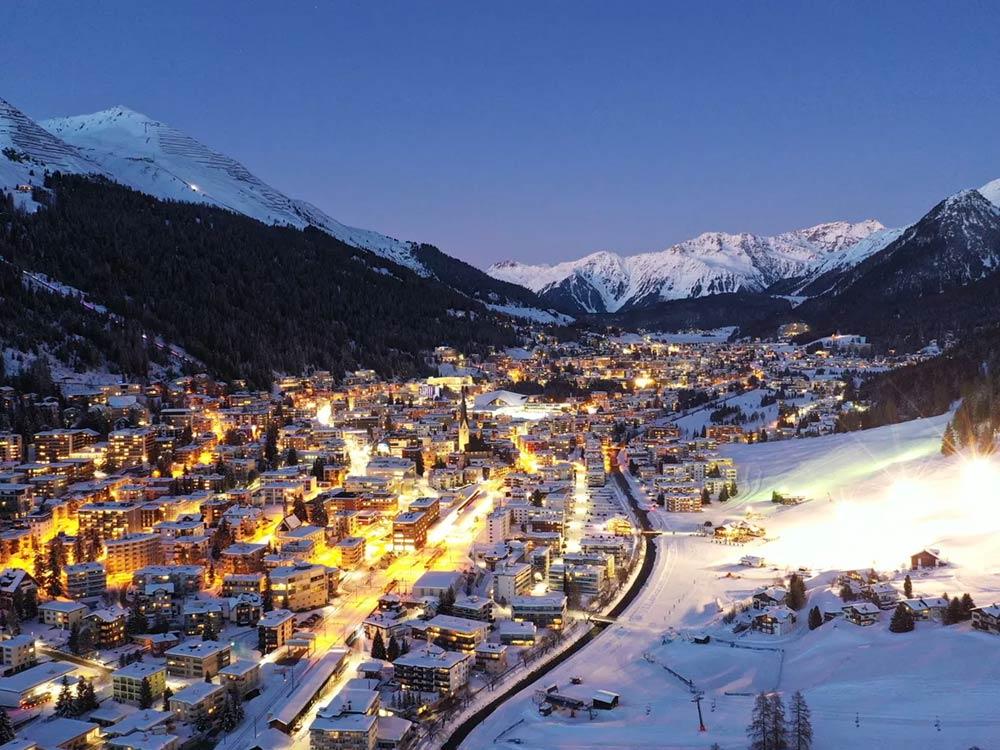
Snow is falling on Davos again, the way it does every January, turning a Swiss ski town into something between a fortress and a film set. Police checkpoints appear overnight. Temporary barriers cordon off streets. Branded chalets glow along the Promenade like expensive Christmas decorations that forgot to come down. Delegates in dark coats and good shoes move between hotels and the Congress Centre, phones out, documenting their presence under banners that promise “A Spirit of Dialogue.” But walk those same streets and you can feel it: the atmosphere is not calm.
It is taut, almost electric, because the world outside this Alpine bubble is fracturing in real time, and everyone here knows it. President Trump has just threatened 10% tariffs against European allies, tied to demands over Greenland, escalating to 25% by June. European leaders are using phrases like “dangerous downward spiral” in official statements. So here we are; thousands of people have flown to Switzerland to discuss cooperation whilst the most powerful country in the room is threatening trade war against its closest partners. The contradiction is so sharp it almost feels deliberate.
WHAT IT WAS SUPPOSED TO BE
The World Economic Forum did not start out as theatre. In its first decades, it was more like a high-altitude seminar: serious people trying to map systems, understand change, work out what leadership required when the ground kept shifting. There were fewer cameras. Less performance. The assumption was that if you got smart people in a room, away from their day jobs, something useful might emerge. Somewhere along the way, Davos stopped being a meeting and became a symbol. “Davos” is now shorthand for a certain kind of power; globalised, multilingual, fluent in the language of stakeholder capitalism and sustainability frameworks. It is the Establishment with a capital E, whether that Establishment still governs anything or not. And that symbolic weight is exactly why the scrutiny has intensified. A forum that sells itself on dialogue cannot avoid being judged when dialogue is hardest.
WHO OWNS THE WEEK NOW
One shift that tells you everything: Davos week used to belong to the CEO’s office. Strategy teams. Policy advisers. Maybe someone from investor relations. The meeting was treated like an offsite, a chance to think, test assumptions, listen to peers you would not normally sit down with. Now, in most large organisations, the week is run by corporate affairs. Communications teams own the logistics, the schedule, the message grid, the stakeholder map, the panel strategy. And for good reason. At my firm, Curzon PR, we have spent over a decade helping clients navigate stakeholder engagement in Davos precisely because the density of access is unmatched. In four days, you can meet regulators, investors, counterparties, civil society leaders and media who would otherwise require months of diary coordination across multiple time zones. These are people who spend most of the year unreachable. In Davos, they are three chalets away. So yes, communications professionals now orchestrate the week. But the trade-off is real. Davos has become less about thinking and more about being seen to think. Less “what do we believe?” and more “what do we say, and to whom, and in what order?” It is strategic. It is necessary. But it has turned the meeting into something closer to a reputational moment than an intellectual one. A catwalk with credentials.
THE STORM ALREADY HAS A NAME
The intellectual backdrop this year is the Global Risks Report, released just before the summit. It is a survey driven snapshot of what experts and decision makers fear most over the next decade. The near-term outlook is bleak: geoeconomic confrontation, meaning tariffs, sanctions, supply chain weaponisation, has shot up the rankings. So has misinformation. So has societal polarisation. The longer-term risks are grimly familiar. Climate impacts, extreme weather, biodiversity collapse. These have not gone away. They have just been pushed aside by more immediate fires. And this is where the week’s politics stop being abstract. The Trump tariff threat is not background noise. It is a live demonstration of the report’s central fear: that coercion is back as a tool of alliance management, that trade is being weaponised, that the architecture of cooperation we spent seventy years building is being stress tested by the people who built it. The risk is no longer a chart in a PDF. It is the lead story. And the headlines are moving faster than the panel discussions.
DIARIES, NOT IDEAS
Even people who dislike Davos will admit this: as a diary management tool, it works. You can compress six months of meetings into six days. Clients. Regulators. Investors. Journalists. People who are otherwise in different hemispheres, operating on incompatible schedules, protected by gatekeepers and security protocols. In Davos, they are all here, in the same postal code, often in the same hotel bar. For those of us working in strategic communications, this is not trivial. Getting a CEO in front of a financial regulator in London can take three months. In Davos, it takes three text messages. The same applies to media. Securing a sit-down interview with a senior editor at a major outlet normally requires weeks of negotiation. During Davos week, that editor is staying two floors up, also trying to fill their diary, also aware that everyone they need to speak to is within walking distance. So, Davos still works. Just not in the way the branding suggests. It works as logistics. As a shared calendar. As proof that physical proximity still matters in a digitalised world. But relevance is not the same as intellectual seriousness. And here is the uncomfortable truth: most delegates attend fewer sessions than they pretend. They dip into a plenary between bilateral meetings. They promise themselves they will catch up on the livestream. But because everything is recorded, nothing feels urgent. The forum becomes a backdrop to the real work, which is happening in corridors, cafes, and private rooms.
WHERE THE REAL DECISIONS HAPPEN
If you want to understand Davos, you cannot just look at the official programme. You have to look at the fringe. Corporate houses. Private dinners. Invite only lounges. Side events hosted by consultancies, banks, sovereign wealth funds. This is where deals close, where alliances get tested, where narratives get trialled before they go public. This is where the hierarchy of access becomes visible: who gets into which room, who gets twenty minutes with whom, who has to wait in the lobby. This is also where the critique of Davos as “elites talking to themselves” finds its strongest evidence. The most consequential conversations are happening in spaces that are, by design, closed. The public sessions can still produce serious dialogue. But the political economy of the week, what people actually spend their time doing, tells a different story. Davos is two summits running in parallel: one for the cameras, one for the principals.
THE GLOBAL SOUTH IS IN THE ROOM BUT NOT AT THE TABLE
The critique from the global South is no longer theoretical. It is structural. Yes, there are more voices from emerging economies than there were twenty years ago. Yes, WEF communications emphasise inclusivity and multi stakeholder participation. But being invited to speak is not the same as being invited to decide. Leaders from Africa, Latin America, South Asia report a pattern: they are on panels about climate adaptation, debt restructuring, food security, migration. The very issues their populations live with daily. But the inner rooms where capital gets allocated, where trade strategy gets negotiated, where security frameworks get aligned, those remain dominated by North Atlantic priorities and North Atlantic faces. If the people most affected by systemic risk remain peripheral to systemic decision making, what does dialogue actually mean?
A TOWN OVERWRITTEN BY A BRAND
It is easy to forget that Davos is a real place. Population just over 10,000. A ski resort that, outside this one week in January, is known for winter sports and high-altitude health retreats, not geopolitics. But the Forum has pulled off something remarkable: it has absorbed the town’s identity. “Davos” now means the summit first, the place second. It is arguably one of the most successful acts of place branding in modern history. That success has consequences. During WEF week, hotel rates quintuple. Restaurants operate on a different pricing structure. Staffing requirements spike. The town becomes a stage set, alpine purity as backdrop for global dysfunction, and the residents live with both the prestige and the disruption.
WHAT DAVOS HAS BECOME
Davos still matters. Just not in the way its architects hoped. It matters because it compresses access. It creates a shared moment when people who rarely occupy the same room are forced into proximity. For those of us managing stakeholder engagement, reputation strategy, media access, that compression is invaluable. The efficiency gain is real. But Davos is now being judged against a harder standard: not whether it convenes, but whether it changes anything. In a world where tariffs are threatened over Greenland, where supply chains are weaponised, where information is disordered and the climate window is closing, a mountain forum of the already powerful cannot survive on speeches and selfies. The world is asking for less theatre and more accountability. Less symbolism and more shared risk. Less representation and more actual redistribution of power. If the next fifty years of Davos are going to justify the myth it has built around itself, dialogue will have to stop being a theme and become a discipline. One that survives when the cameras turn off and the snow melts and the contradictions remain.
About The Writer
Farzana Baduel, President-elect (2026) of the Chartered Institute of Public Relations and CEO and Co-founder of Curzon PR (UK), is a leading specialist in global strategic communications. She advises entrepreneurs at Oxford’s Said Business School, co-founded the Asian Communications Network (UK), and serves on the boards of the Halo Trust, and Soho Theatre. Recognised on the PRWeek Power List and Provoke Media’s Innovator 25, she also co-hosts the podcast, Stories and Strategies. Farzana champions diversity, social mobility, and the power of storytelling to connect worlds.