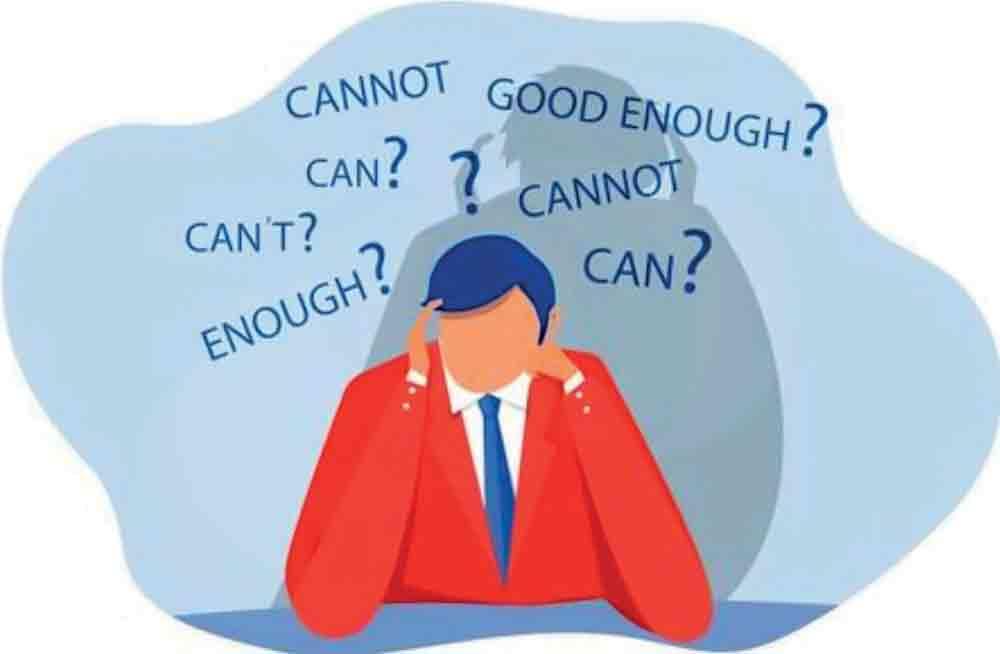
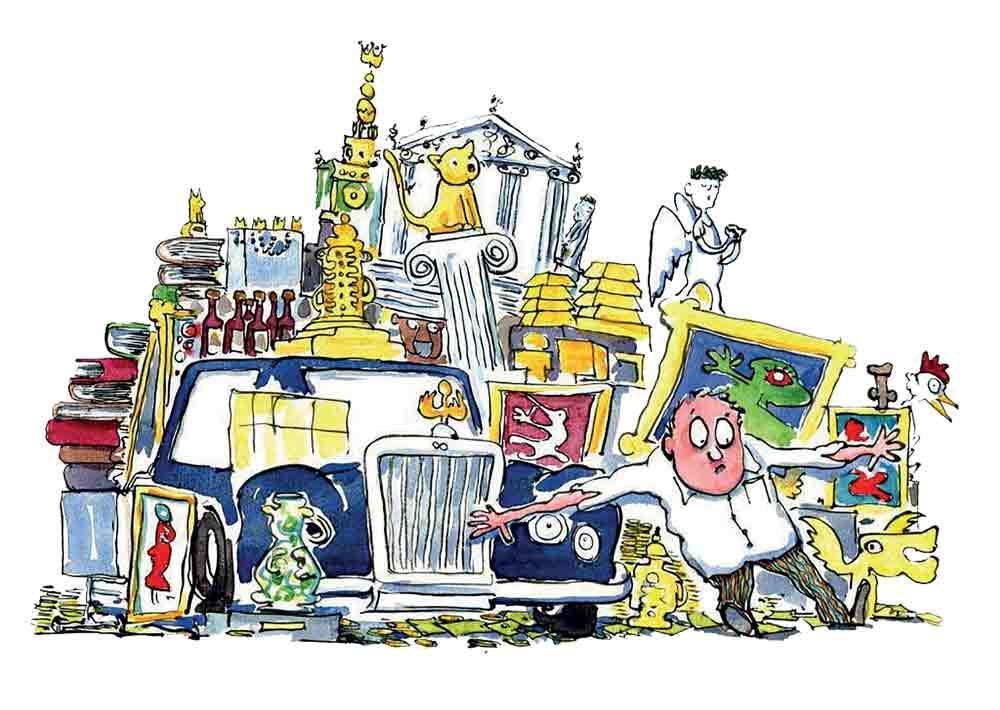
We live in a world that is always asking for more. More productivity. More success. More possessions. More improvement. Even when we achieve what we once dreamed of, the satisfaction is brief. Almost immediately, the bar moves higher. The message is subtle but constant: what you have, who you are, and where you stand are never quite enough.
This idea of “more” is everywhere. It’s in the advertisements that promise happiness in exchange for a purchase. It’s in social media feeds filled with curated lives and endless upgrades. It’s in conversations that measure progress by promotions, milestones, and material gains. Over time, this culture shapes how we see ourselves. Enough stops feeling like a destination and starts feeling like a myth.
The problem with a world that never says “enough” is not ambition itself. Wanting to grow, improve, and dream is deeply human. The harm begins when growth turns into pressure, and desire turns into dissatisfaction. When we are taught to constantly chase the next thing, we lose the ability to rest in what already is.
Many of us don’t realize how deeply this mindset has settled into our lives. We tell ourselves that we’ll be content once we reach the next goal. Once we earn a little more, buy a little better, and become a little different. Contentment is always postponed, waiting at the finish line of a race that never ends. And the longer we run, the more tired we become.
Social comparison plays a powerful role in this cycle. We are constantly exposed to other people’s highlights, their achievements, purchases, and progress. Rarely do we see the full story: the debt behind the lifestyle, the exhaustion behind the success, the loneliness behind the smiles. Yet we measure our behind-the-scenes against their best moments and conclude that we are falling short.
This constant comparison doesn’t just affect our wallets or ambitions; it affects our sense of worth. When value is tied to achievement and accumulation, self-worth becomes fragile. A bad month, a missed opportunity, or a slow season can feel like personal failure. In a world that never says “enough,” rest feels like laziness, contentment feels like complacency, and simplicity feels like settling.
Materialism thrives in this environment. We are encouraged to buy not just for convenience, but for identity. Clothes promise confidence. Gadgets promise relevance. Homes promise happiness. And when these promises inevitably fall short, the solution offered is always the same: buy something else. The cycle continues, leaving us with more things but less peace.

What makes this especially exhausting is that the pressure to want more often disguises itself as motivation. We are praised for being driven, ambitious, and always striving. Slowing down can feel like rebellion. Choosing “enough” can feel like opting out of success. Yet beneath the constant striving is a quiet question many of us are afraid to ask: what if I’m already tired of wanting more?
There are moments when the illusion cracks. A moment of burnout. A financial strain. A life event that shifts our priorities. In these moments, we begin to see how much energy we’ve spent chasing external markers of success.
We realize how little time we’ve given to presence, relationships, and inner peace. The world may not say “enough,” but our bodies and hearts eventually do.
Learning to define “enough” for ourselves is an act of courage. It requires unlearning deeply ingrained messages about success and worth. It asks us to separate growth from greed, ambition from exhaustion, and desire from dissatisfaction. Enough is not about giving up on dreams; it’s about grounding them in meaning rather than comparison.
Choosing enough also changes how we relate to others. We become less competitive, less judgmental, and more compassionate. We stop seeing life as a race and start seeing it as a shared journey. When we are not constantly measuring ourselves against others, there is more room for connection, generosity, and gratitude.
This doesn’t mean we stop wanting altogether. Desire is part of being alive. But there is a difference between healthy desire and endless hunger. Healthy desire is rooted in values and purpose. Endless hunger is driven by fear, fear of falling behind, fear of being irrelevant, fear of not measuring up. Learning to recognize the difference is key to living well.
A world that never says “enough” benefits from our dissatisfaction. It keeps us consuming, striving, and distracted. Choosing enough disrupts that system. It shifts the focus from accumulation to alignment, from having more to being more present. It invites us to ask better questions: What actually adds value to my life? What drains me? What am I chasing, and why?
When we begin to live with a sense of enough, something softens inside us. We breathe easier. We make choices more intentionally. We spend less time proving ourselves and more time being ourselves. Life doesn’t suddenly become perfect, but it becomes more honest.
Perhaps the greatest freedom comes from realizing that enough is not something the world will hand us. It is something we choose, quietly and daily, in small, often unnoticed ways. By saying no to what doesn’t serve us. By appreciating what we already have. By recognizing that worth is not something to be earned through accumulation.
In a world that never says “enough,” choosing contentment is not resignation; it is wisdom. It is a reminder that life is meant to be lived, not endlessly upgraded. And maybe, just maybe, enough has been closer than we thought all along.