Patriarchy in Religion

 Few forces have shaped human identity as profoundly as religion. It offers hope, meaning, morality, community and a framework for understanding life and death. Alongside its spiritual role, however, religion has also reinforced social hierarchies, especially patriarchy. When we touch on patriarchy in religion, it is not a simple accusation. It is a complex story shaped by culture, interpretation, leadership and historical evolution. Understanding this topic sensitively requires acknowledging two truths: that most major religions emerged in patriarchal societies and absorbed their social norms, and that within every tradition there have always been counter currents. Women mystics, reformers, female deities, egalitarian teachings and reinterpretations consistently challenge the idea of religion as entirely patriarchal.
Historical Roots of Patriarchy in Religion
Almost all major religions, including Christianity, Islam, Judaism and Buddhism, emerged in societies where political, economic and familial power rested overwhelmingly with men. Early religious structures reflected these hierarchies. Men controlled literacy, preserved sacred texts, led rituals and held institutional authority. This does not mean the religions themselves intended to be patriarchal. More often, the people interpreting and codifying them were. As societies shifted from polytheism to monotheism, divine imagery became increasingly masculine, concentrating spiritual authority much like kingship concentrated political power. Because men wrote, interpreted and preserved most religious texts, their perspectives shaped how gender roles were woven into doctrine and practice.
Christianity: Early Egalitarianism and Institutional Patriarchy
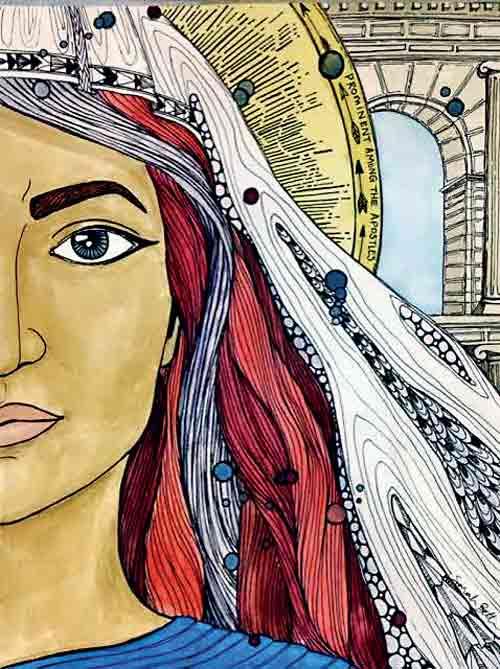
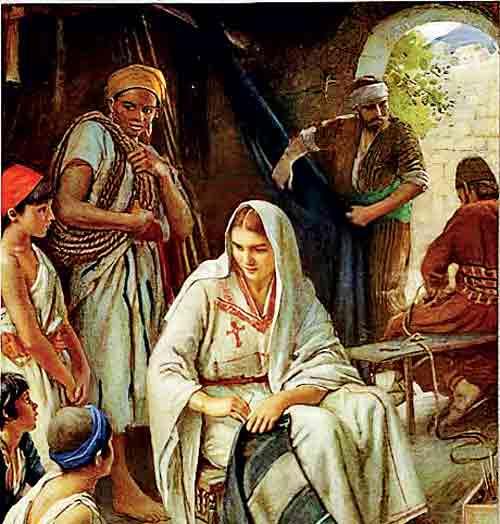
Christianity offers a striking example of how a single tradition can both challenge and reinforce patriarchy. Early Christian communities were surprisingly egalitarian. Women led house churches, financed ministries, witnessed the resurrection and, in the case of Junia, were even named apostles. Jesus’ teachings often broke social taboos by engaging women directly, suggesting a radical anti-patriarchal message. Yet as Christianity grew within the Roman Empire, it adapted to Roman social norms. Church leadership became centralised and male. Paul’s letters, especially passages instructing women to remain silent, were interpreted in ways that restricted female authority, although many scholars debate whether these interpretations reflect the earliest teachings or later additions. Today, feminist theology and the increasing presence of female clergy show that interpretation continues to evolve.
Hinduism: Goddesses, Saints and Social Hierarchy
Hinduism illustrates the tension between spiritually empowered feminine symbolism and patriarchal social reality. Unlike many traditions, Hinduism elevates the feminine through goddesses such as Durga, Lakshmi, Saraswati and Kali, who embody power, wisdom and protection. Women saints and poets like Mirabai defied social norms through devotion, expressing profound spiritual agency. Yet Hindu society also developed patriarchal structures: male priesthoods, patrilineal inheritance, restrictions on women’s mobility and historical practices such as child marriage and sati, now abolished. Scholars suggest early Vedic culture may have been more gender-balanced, with patriarchy intensifying during later feudal and colonial periods. Today, feminist scholarship seeks to recover forgotten female voices and challenge male-dominated religious practice.
Islam: Cultural Norms and Textual Interpretation
Islam is often stereotyped as uniquely patriarchal, yet its history is far more nuanced. Women in early Islamic society conducted business, owned property, participated in battles and contributed to scholarship. Figures such as Khadija, the Prophet Muhammad’s first wife, and Aisha, a revered scholar, demonstrate the significant influence women once held. The Qur’an contains verses that emphasise spiritual equality but also passages reflecting seventh-century Arabian social norms. Over time, male jurists constructed legal systems that extended far beyond the Qur’an, shaping practices around guardianship, inheritance, public roles and dress. Many of these regulations emerged from culture rather than the religion itself. Modern Islamic feminists argue that patriarchal interpretations, not Islam’s core teachings, constrain women. Contemporary reform movements increasingly read the Qur’an through a gender-egalitarian lens, advocating for women’s education, leadership and autonomy.
Judaism: Ancient Law and Modern Reform
Judaism demonstrates how religious traditions evolve over centuries. Ancient Israelite society was patriarchal, and laws governing inheritance, marriage and purity reflected this. Rabbinic interpretation, shaped largely by male scholars, reinforced gender hierarchies. Yet modern Jewish movements have expanded women’s roles. Female rabbis lead congregations, feminist Torah scholarship reinterprets traditional texts and even some Orthodox communities are gradually widening educational and religious opportunities for women. Judaism illustrates that patriarchy, while deeply embedded, is not immovable.
Buddhism: Philosophy Meets Social Reality
Buddhism, centred on enlightenment and equality, presents a unique case. The Buddha allowed women to join the monastic order, recognising their full spiritual potential.
Yet many Buddhist societies later developed male-dominated hierarchies that restricted women’s ordination and public roles. Early scriptures contain contradictions: some portray nuns as spiritually accomplished, while others emphasise their subordination. Reform movements in Sri Lanka, Thailand and the West advocate for full female ordination, revealing the ongoing tension between egalitarian philosophy and patriarchal social structures.
Culture and Theology
Across religions, a clear pattern emerges. Patriarchy is often cultural rather than theological. Because men historically controlled literacy, law, institutions and interpretation, their worldview became imprinted onto religious practice. Yet every religion contains seeds of egalitarianism: verses, rituals, stories and spiritual insights that challenge patriarchal readings. This duality explains why reinterpretation is both possible and necessary for more inclusive forms of religious life.
Reclaiming Interpretation
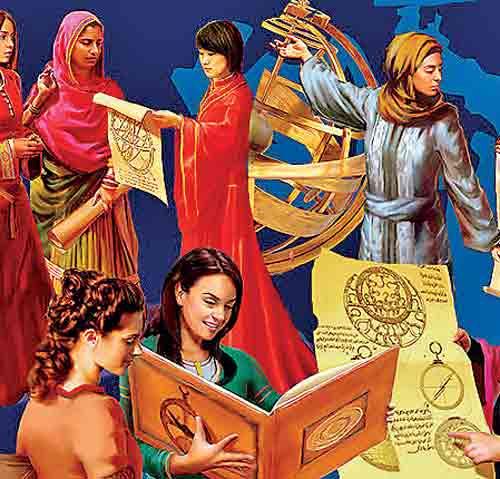
The most transformative change today is the diversification of religious interpreters. Women increasingly study theology, lead communities and offer feminist re-readings of sacred texts. Digital platforms have widened access to alternative interpretations, and younger generations openly question patriarchal norms. As religious authority becomes more diverse, the vision of gender within faith becomes broader and more reflective of contemporary values. Patriarchy in religion is not a simple story of oppression. It is the outcome of historical societies, institutional power and centuries of male-led interpretation. Yet within that history, women and reformers have consistently pushed back. From early Christian apostles to modern Islamic feminists, from Hindu saints to Buddhist nuns, the story of patriarchy is interwoven with resistance and renewal. To understand religion fully, we must consider both its patriarchal past and its liberating potential. Religion is not inherently oppressive. It is a human institution shaped by culture, power and interpretation. Its future, like its past, will be written by those who claim the authority to interpret it. The more diverse those voices become, the more egalitarian its future will be.