
WELLNESS CURATED BY ANSHU BAHANDA
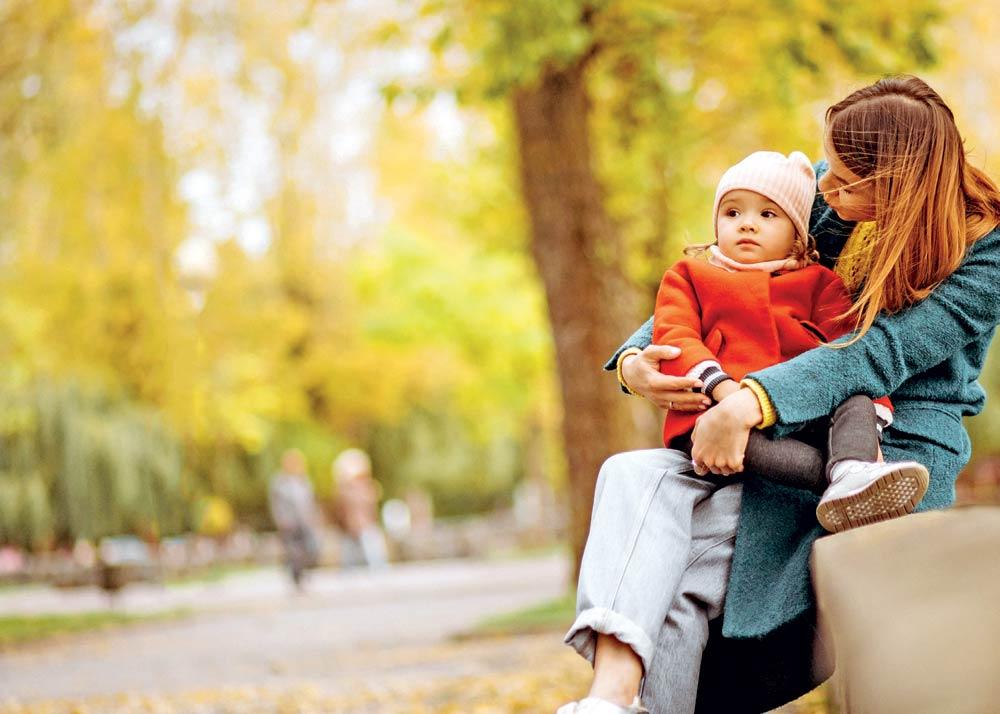
There comes a point in every parent’s life when the house grows quieter, not because love has faded, but because life has simply moved forward. Many of us have stood at that threshold. For years, we exist at the centre of our children’s world, guiding, comforting, worrying, planning. And then one day, we realise they no longer need us in quite the same way. The love remains, the bond remains, but the dynamic shifts.
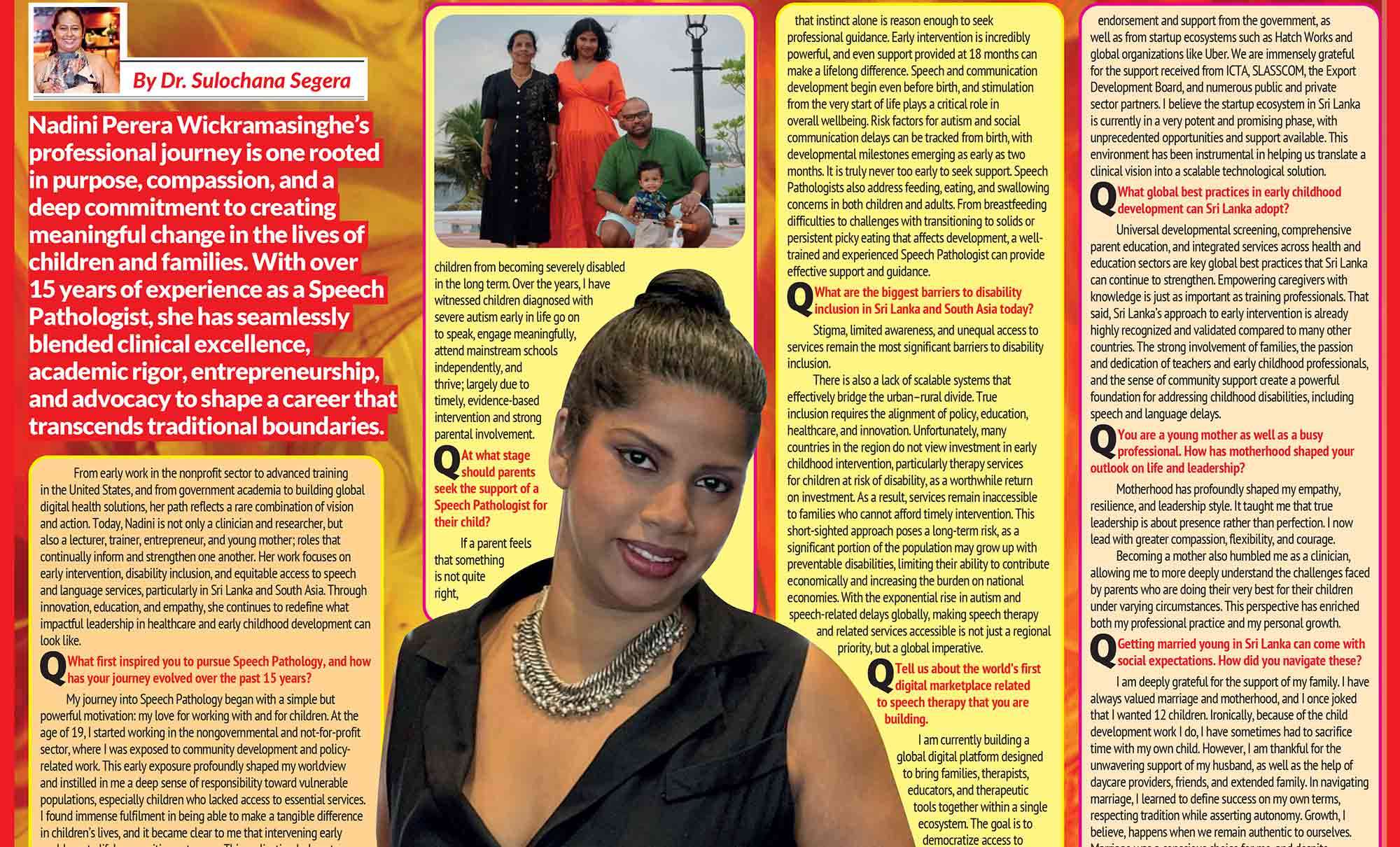
Even as we feel immense pride watching our children build their own lives, there is still a tender emotional space we must learn to navigate as parents, one that asks us to hold on differently, and let go gently. It is in this space that I found my conversation with Dr Darya Haitoglou deeply illuminating, offering emotional reassurance and practical clarity about what this transition truly asks of us as parents. Dr Darya, a psychologist, systemic relationship coach, and founder of Enrich Global, is known for her work in helping families and individuals build emotionally healthy relationships. Listening to her helped me see that this phase is not about losing our role as parents, but about reshaping it.
Why This Shift Touches Us Deeply
We often underestimate how deeply this transition can affect us. Parenting becomes woven into identity, purpose, routine and in some cases, even self-worth. When children leave home, many parents experience a noticeable change in their wellbeing. According to a ScienceDirect study, when adult children first move out of the parental home, parents’ life satisfaction can decline significantly. This demonstrates that the emotional change parents feel is not just anecdotal, it is quantifiable and real.
Holding On While Making Room
Another piece that is important to understand is that distance is often about development, not disconnection. Research published in the Journal of Adult Development highlights that autonomy and self-reliance are critical for psychological wellbeing in emerging adulthood. Independence supports confidence, identity, and emotional maturity. In other words, children stepping into their own lives is not a sign of love lost. It is a sign of personal growth. Somewhere in this space is where the pain sits. Parents want to stay close. Children want to breathe. Nobody truly wants to walk away. The challenge lies in finding a new language of love. It was while reflecting on these very ideas that my conversation with Dr Darya felt deeply grounding. She said something that has stayed with me: “The relationship must shift from authority to presence.” And that, to me, beautifully captures what this new chapter asks of us. As children grow, parenting moves from directing lives to gently walking alongside them. But that isn’t as effortless as it sounds.
The Culture Factor
In many societies, especially deeply family-centric ones, children are woven into the emotional fabric of identity. When they step into independent adulthood, parents are not only left with a quieter home; they are often left renegotiating who they are. Research published in an MDPI journal shows that cultural expectations significantly shape how parent–child relationships evolve when young people leave home and enter emerging adulthood. In cultures where closeness and interdependence are deeply valued, this transition is felt not just practically, but emotionally and psychologically, because independence is experienced within the framework of those family expectations. Yet even within this emotional complexity, there is possibility. This stage can also become a time of rediscovery, a season where parents gently step back into their own lives, explore purpose beyond caregiving, reconnect with themselves, and build new forms of companionship and identity.
My Takeaway
The fact that needs to be stated is: connection can coexist with independence. Adult children do not necessarily want to break away; they just want to stop being managed. What often damages relationships isn’t distance, but control masquerading as care. Unsolicited advice is one of the biggest sources of emotional strain between adult children and parents. What feels like protection to a parent can feel like mistrust to a child. From what I have seen and felt, a healthy parent–adult child relationship doesn’t look like constant involvement. It looks like respect with warmth, space with connection, and support without surveillance. Here, love stops being instruction and becomes presence.