For decades, fashion has relied on permanence as its anchor: flagship stores, heritage maisons, iconic addresses. Avenue Montaigne, Bond Street, Fifth Avenue. Yet in 2025, something has changed. The most influential spaces in fashion are no longer the ones designed to last forever. Instead, the cultural heartbeat of the industry is taking shape in spaces that exist for a day, a weekend, a fleeting moment. The pop-up, once considered a marketing gimmick, has evolved into fashion’s most powerful stage.
The rise of the pop-up store signals a broader shift in how consumers want to experience fashion: intimately, fleetingly, and with the emotional resonance of a moment that will never happen again. In a world overflowing with digital content and endless scrolling, temporary physical spaces have become a kind of antidote. They invite us to step inside a brand’s universe in a way that feels spontaneous, personal, and unfiltered. More than retail, pop-ups have become runways for a new era. And the fashion world is taking notice.
Pop-Ups as Cultural Moments, Not Commercial Experiments
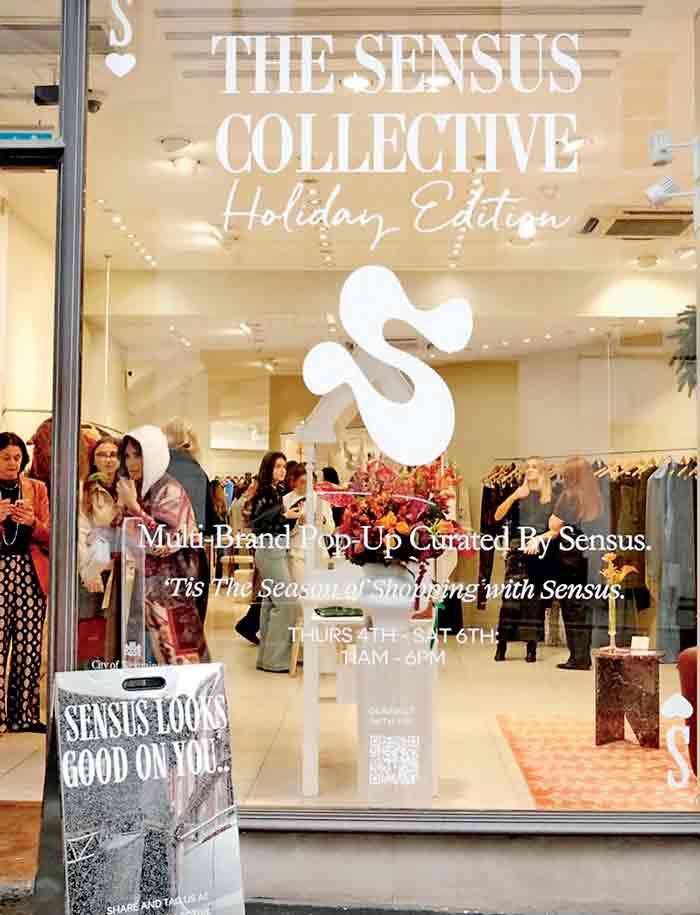
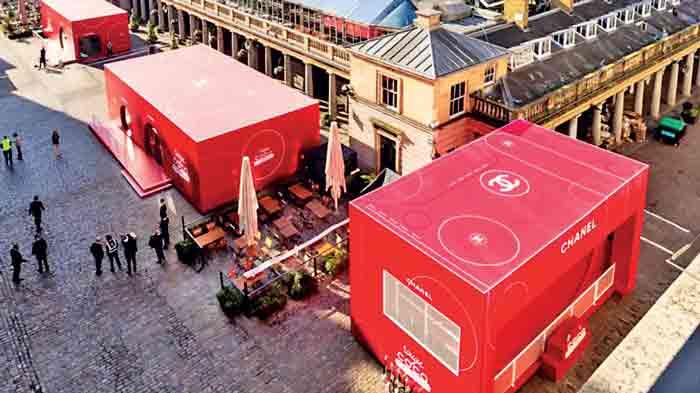
Today, a pop-up is not simply a place to shop. It is a cultural moment, a curated microcosm of a brand’s identity designed to be experienced rather than observed. Unlike traditional brick-and-mortar stores, pop-ups are temporary by design, which gives them a level of creative freedom that permanent spaces rarely allow. The walls can be experimental. The display can be unconventional. The energy can be immersive. Brands no longer use pop-ups only to test markets; they use them to make statements. Jacquemus transformed an ordinary street corner into a sculptural boutique shaped like a giant handbag. The queue wrapped around the block not because consumers needed a new bag but because they wanted to be part of the moment. Loewe’s pop-ups in Seoul and Tokyo were less about product and more about atmosphere, surrealist installations that blurred the lines between art, fashion, and dreamscape. Even established houses like Dior and Burberry are embracing pop-up culture, using it to activate new territories, introduce capsule collections, or simply reconnect with local communities beyond the sterility of global flagships. The pop-up has become the modern fashion show: immediate, sensory, and defiantly short-lived.
The Psychology Behind the Pop-Up Obsession
Why are consumers magnetically drawn to pop-ups? The answer lies in a blend of psychology, social behaviour, and evolving values.
1. Scarcity Heightens Desire
The temporary nature of a pop-up creates urgency. The “here today, gone tomorrow” phenomenon triggers a sense of rarity that traditional retail cannot replicate. Shoppers don’t just buy the product; they buy the experience of having been there.
2. Connection Over Commodity
Consumers crave authenticity, especially when so much of fashion is now experienced through a screen.
Pop-ups offer a direct line to the brand: a chance to meet the founder, understand the craftsmanship, and engage in real conversation. In an age of digital saturation, physical presence feels luxurious.
3. Community in Real Life
Pop-ups bring people together in ways online shopping simply can’t. They foster community, a queue becomes a conversation, a try-on becomes a shared selfie, a purchase becomes a memory. For many, the pop-up is a social ritual.
4. Discovery Feels Like Magic Again
Algorithmic feeds have made discovery predictable. Pop-ups, however, rekindle the thrill of finding something by chance, a brand you’ve only seen on Instagram suddenly materialised in front of you. It feels intimate.
How Pop-Ups Are Redefining Fashion’s Relationship With Space
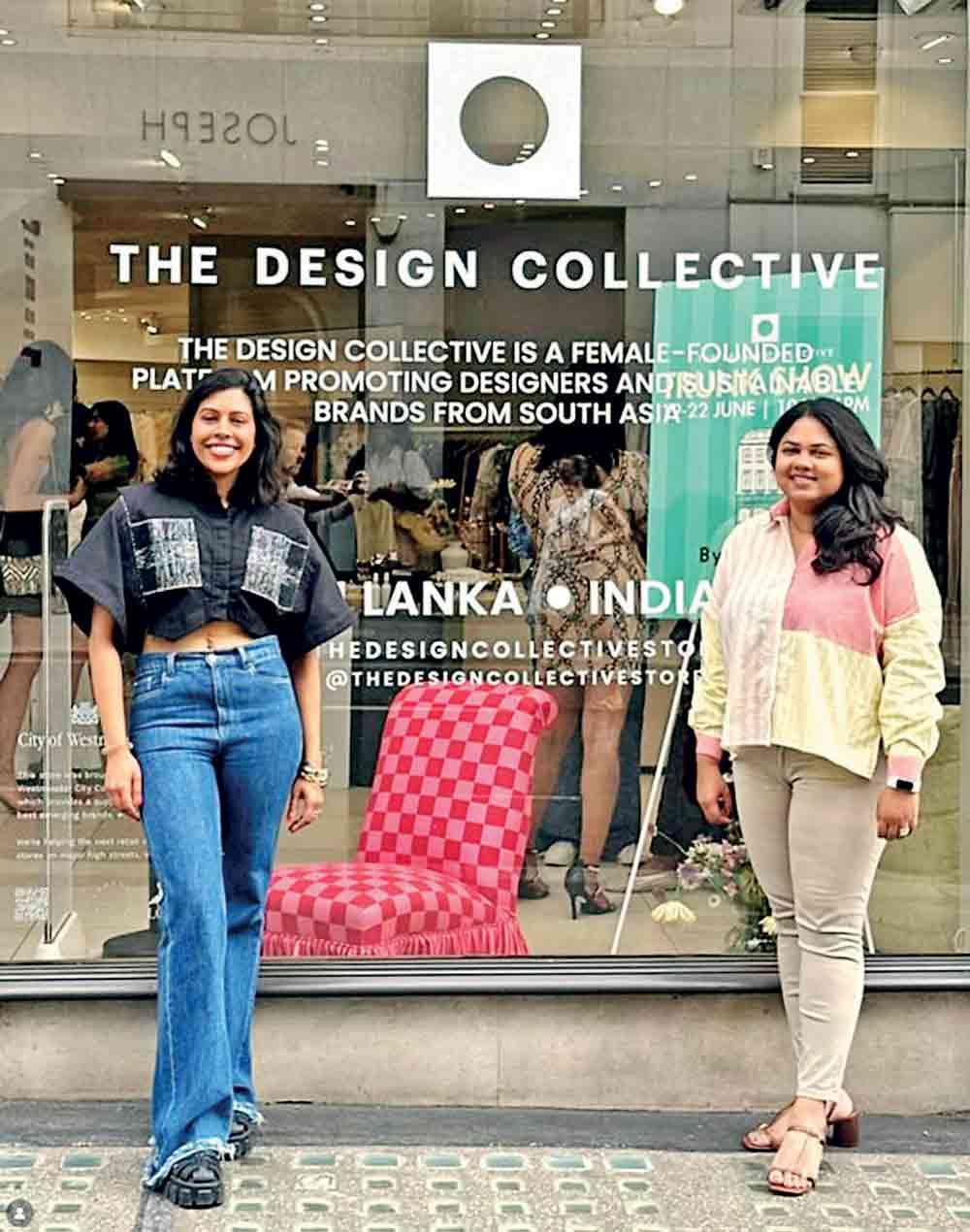
Fashion has always been shaped by space, think of the catwalks of Paris or the ateliers of Milan. But pop-ups are redefining this relationship, decentralising the power of location and giving emerging designers the opportunity to occupy prestigious neighbourhoods for a fraction of traditional retail costs. A pop-up in Mayfair even for a few days, creates a sense of legitimacy and visibility that once required years of investment. Suddenly, independent designers can compete for attention in the same physical spaces as global luxury houses. This democratisation of location is one of the most exciting developments in contemporary fashion. Pop-ups have also expanded our understanding of what counts as a “fashion space.” It is no longer limited to boutiques or department stores. Pop-ups are appearing in warehouses, galleries, street corners, cafés, and even within other brands’ stores. The unconventionality becomes part of the charm, fashion breaking out of its traditional boundaries and spilling into everyday life.
The Designer - Consumer Dialogue That Can Only Happen in Person
Perhaps the most transformative aspect of pop-up culture is the reconnection between designers and consumers. In permanent retail, the founder is often absent. Sales associates, however knowledgeable, are not as invested as the founder. But in the world of pop-ups, the founder is frequently present, explaining, styling, advising, listening. This direct dialogue has changed how consumers perceive brands. When shoppers meet the person behind the design, the jewellery or clothing becomes more than an object; it becomes a story. A meaning. A relationship.
The Social Media Amplification Effect
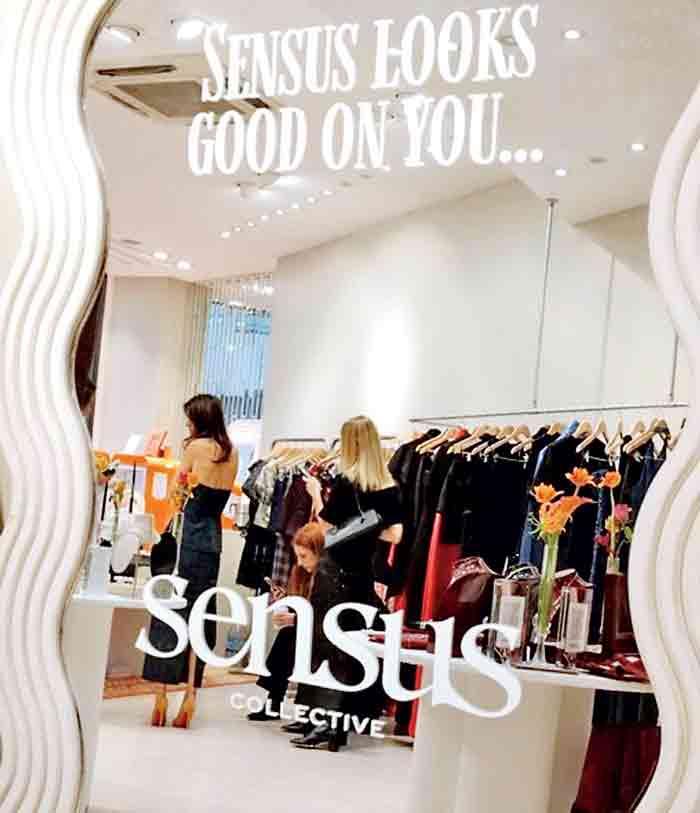
Modern pop-ups live on two levels: the physical space and the digital echo. Even if a pop-up lasts only 48 hours, its life on social media extends far beyond its closing time. Instagram Stories capture the ambience. TikTok shows the behind-the-scenes. Reels highlight try-ons. Photos are shared, reposted, tagged, and saved. A single pop-up weekend can generate weeks of online traction, often more than a paid campaign.
This amplification works because pop-ups are inherently visual, they are designed with the intention of being photographed. In the age of social commerce, the pop-up becomes both experience and content, blurring the line between shopping and storytelling.
Are Pop-Ups the Future of Fashion Retail?
Not entirely, but they will be a defining force. Permanent stores offer stability, consistency, and heritage. They remain integral to luxury fashion. But pop-ups offer something equally valuable: agility, energy, intimacy, experimentation. A brand can have both, the timelessness of a flagship and the excitement of a temporary world appearing overnight. The era we’re entering is a hybrid one. Consumers want variety and meaning. They respond to novelty, but they also yearn for connection. Pop-ups satisfy this duality. In a way, pop-ups embody the very essence of fashion: fleeting, expressive, momentary, always reinventing itself. They remind us that beauty does not need to last forever to matter deeply.
A New Fashion Landscape Defined by Presence, Not Permanence
As the industry evolves, pop-up culture is teaching us something profound about the future of fashion. We are moving away from the idea that value lies in permanence. Instead, value now lies in presence, in the immediacy of a moment, the intimacy of an encounter, the authenticity of human interaction. Pop-ups are more than retail; they are reminders that fashion, at its heart, is a living conversation. A story unfolding in real time. An experience that breathes. And perhaps that is why these temporary spaces feel more meaningful than ever. In a fast-paced digital world, they ask us to pause. To enter. To feel. To connect.