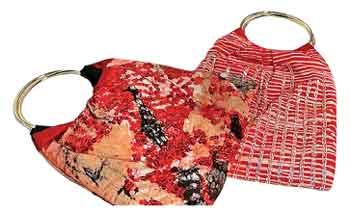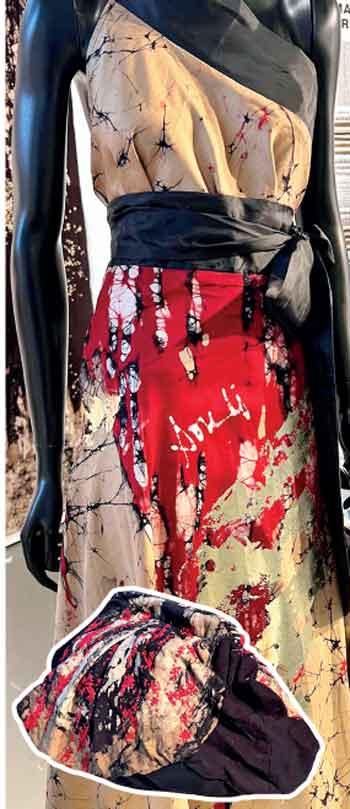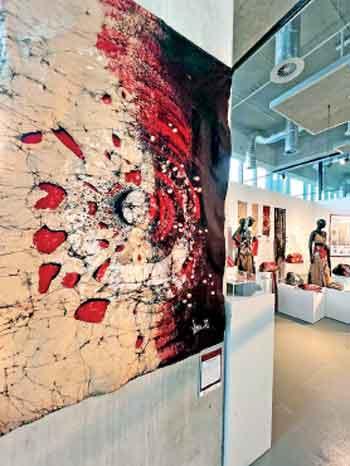
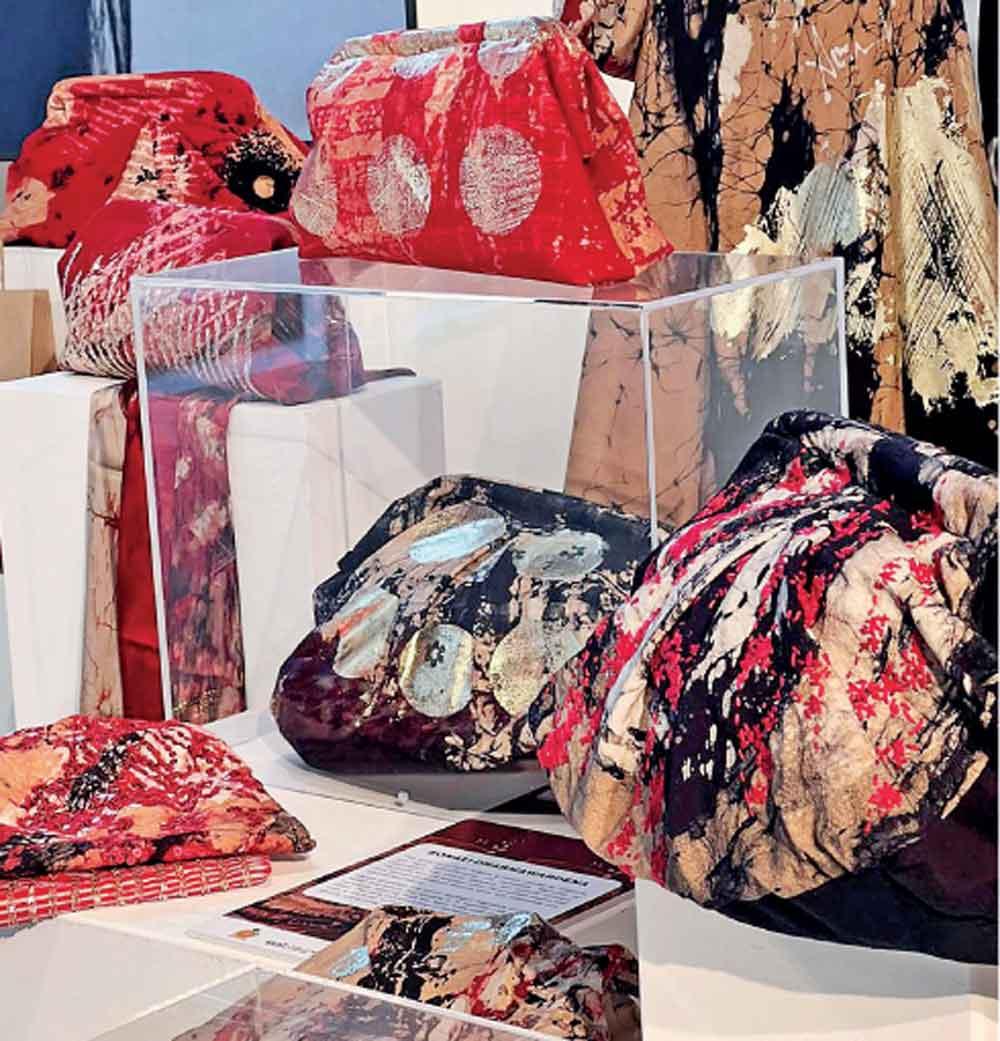
 In a week dominated by conversations about the future of fashion, Sonali Dharmawardena’s work stood apart for its quiet authority. There was no spectacle and no trend chasing. Instead, there was batik, hand process, and a depth of storytelling rarely afforded space within contemporary fashion education. A fortnight ago, Sonali presented her latest collection at the University of the Arts London, hosted by London College of Fashion, placing her work before students, educators, and industry leaders at one of the world’s most influential institutions shaping the next generation of designers. It was a significant moment, not only for Sonali, but for what it signals about where fashion is choosing to pay attention.
Sonali did not emerge through the traditional fashion system. She never attended design school, nor followed the familiar pathways of internships, studios, or fashion weeks. Her practice was shaped instead through lived experience, intuition, and years spent working with batik as both material and message. What began as a deeply personal relationship with craft evolved into a visual language rooted in memory, womanhood, and cultural continuity. Her inclusion in the EU Sri Lanka Craft Matchmaking Programme marked a turning point. Through cross cultural collaboration and exposure to new contexts, Sonali refined her practice without compromising its essence. The result is work that feels both grounded and contemporary, deeply Sri Lankan in its references yet globally legible in its expression.
Displayed across walls and tables in London, her textiles read like garments in waiting. Fluid, expressive, and unapologetically tactile, the pieces carried a sense of movement even in stillness.
Colour became emotion. Stitching turned into narrative. Batik was no longer positioned as heritage alone, but as a living fashion practice with something urgent to say.
For Sonali, the experience reshaped how she understands her place within fashion today. This journey has changed how I think about my work; she reflected. I see more clearly now how important storytelling is, not only my own, but the stories of the women and communities behind the craft. Being here has given me the confidence to let the work speak louder and to imagine where it can go next.
Gratitude runs through her reflections but so does resolve. I am thankful to the programme and to every partner who believed in my work. That belief makes a difference. It allows you to step forward, to take risks, and to think beyond what you thought was possible.
In a fashion landscape often driven by speed and novelty, Sonali Dharmawardena’s London moment offered something rarer. A reminder that craft, when treated with respect and vision, does not sit outside fashion’s future. It helps define it. Her journey from Sri Lanka to one of the world’s leading fashion universities is not framed as an exception, but as a glimpse of a broader shift. One where traditional knowledge, female led craft, and contemporary design finally meet on equal ground.