How Social Media Becomes What You Allow It to Be
 “Social media can build you or break you; it is up to you to let it build you.” This simple sentence holds a powerful truth in today’s digital world. For many of us, social media has become a daily habit, sometimes even the first thing we check in the morning and the last thing we see at night. It connects us with friends, news, inspiration, and opportunities. At the same time, it can create pressure, comparison, anxiety, and self-doubt. The difference between whether social media helps us grow or slowly harms us often lies in how we choose to use it.
When used in a positive way, social media can be an incredible tool for learning and growth. There are countless pages sharing knowledge about health, finance, careers, creativity, and personal development. People learn new skills through short videos, discover business ideas, and even find jobs through online platforms. For many small entrepreneurs, social media has opened doors that were once impossible. A simple post can reach thousands of people, turning a small idea into a successful brand. In this way, social media truly has the power to build dreams, confidence, and opportunities.
Social media also allows people to find communities they may not have in real life. Someone struggling with mental health, fitness goals, creative interests, or personal challenges can find others who understand and support them. These online communities often offer motivation, advice, and comfort. For many, seeing others share similar experiences reminds them that they are not alone. This emotional connection can be uplifting and encouraging when used wisely.
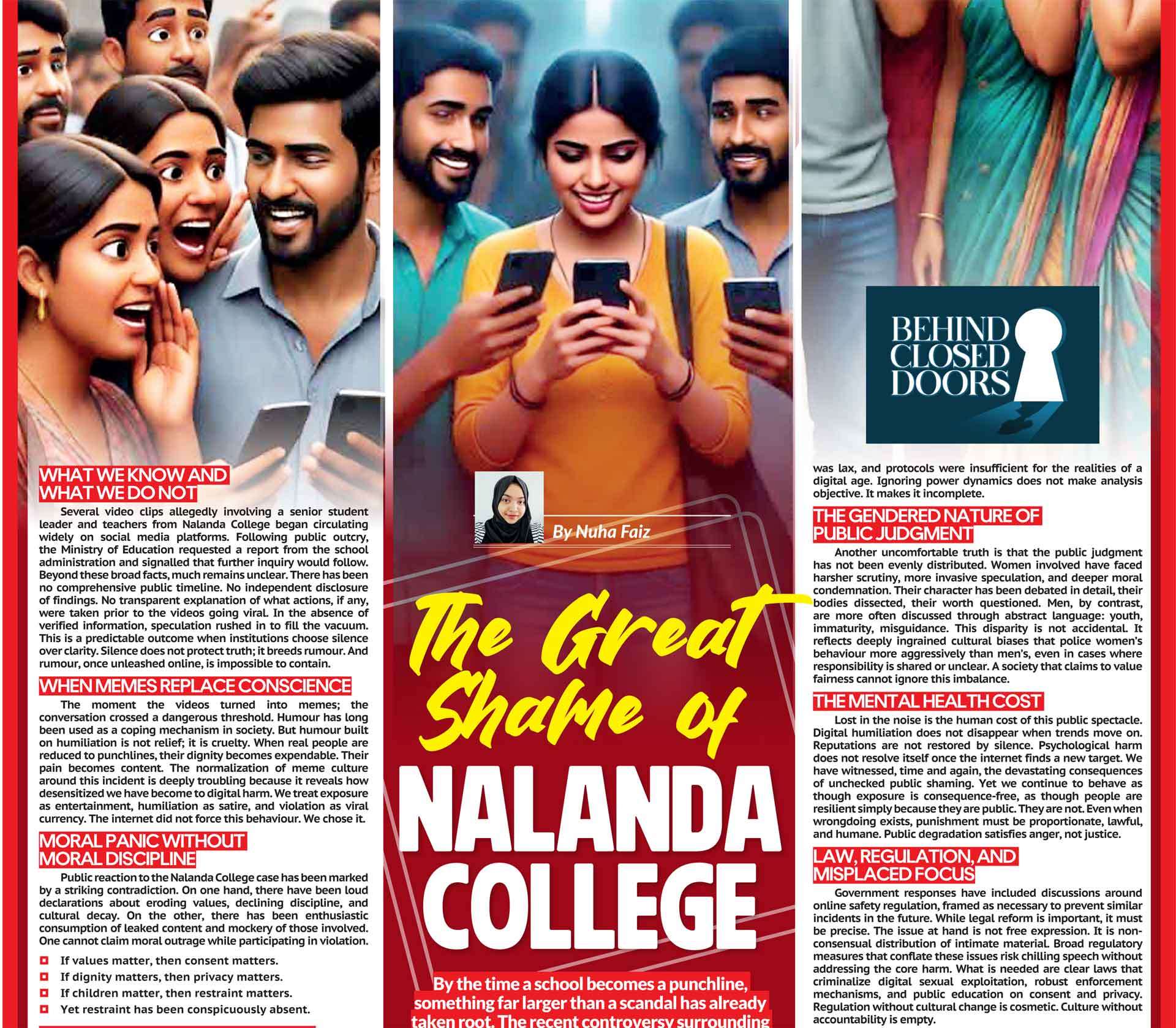
 However, the same platforms that inspire us can also slowly damage our self-worth if we are not careful. One of the biggest problems with social media is comparison. We scroll through pictures of perfect bodies, luxury lifestyles, happy couples, and successful careers, often forgetting that we are only seeing the highlights. People rarely post their struggles, failures, or difficult days. Over time, this creates a false reality where it feels like everyone else is doing better, happier, and more successful than us.
This constant comparison can lead to feelings of insecurity and disappointment. Many begin to question their own progress, looks, and life choices. Instead of feeling proud of what they have achieved, they focus on what they lack. This emotional pressure can slowly affect mental health, leading to stress, anxiety, and low self-esteem. In extreme cases, it can even cause depression. Social media itself is not the enemy, but the way we consume it without awareness can be harmful.
Another way social media can break us is through addiction and time waste. Hours can pass while scrolling endlessly, often without real purpose. This time could have been spent learning, resting, working on goals, or spending quality moments with loved ones. Many people feel tired and unmotivated after long social media sessions yet continue the habit out of boredom or routine. Over time, this can affect productivity, sleep, and overall well-being.
There is also the pressure to constantly present a perfect image online. Many people feel the need to look happy, successful, and put together at all times. This can be exhausting. Instead of living in the moment, they focus on capturing it for social media. Real emotions are sometimes hidden behind filters and captions. This creates a gap between real life and online life, making people feel like they are living two different versions of themselves.
So, how do we allow social media to build us instead of breaking us? The first step is becoming aware of how it makes us feel. If certain pages, content, or accounts leave us feeling negative, insecure, or stressed, it may be time to unfollow or limit them. On the other hand, following content that educates, motivates, and uplifts can turn social media into a positive space.
Setting boundaries is also important. This can include limiting screen time, avoiding phones before bed, or taking short breaks from social media when it feels overwhelming. Even small changes, like putting the phone away during meals or spending the first hour of the day offline, can make a big difference in mental clarity and mood.
Using social media with purpose instead of habit is another powerful shift. Instead of opening apps automatically, people can ask themselves what they want to gain from it. Is it inspiration, learning, connection, or entertainment? Being mindful helps avoid endless scrolling and allows users to make better use of their time.
It is also important to remember that social media is not real life. It is a collection of edited moments, not full stories. Everyone has struggles, even those who seem to have perfect lives online. Comparing our behind-the-scenes to someone else’s highlights is unfair to ourselves. Focusing on personal growth and progress instead of online standards brings peace and confidence.
Social media can also be used as a platform to spread positivity and honesty. When people share real experiences, challenges, and lessons, it creates a more authentic environment. Being kind in comments, supporting others, and avoiding negativity helps make the digital space healthier for everyone. Each user contributes to the atmosphere of social media in some way.
For young people especially, learning how to manage social media is becoming an important life skill. Schools and families can encourage healthy digital habits by talking openly about online pressure and mental health. Teaching critical thinking helps young users understand that what they see online is often edited and unrealistic. This awareness can protect them from harmful comparison and emotional stress.
Despite its challenges, social media is not something that needs to be completely avoided. When used wisely, it can be a powerful tool for personal development, creativity, and connection. Many people have built careers, friendships, and confidence through online platforms. The key lies in control and awareness.
Ultimately, social media reflects what we allow it to be in our lives. If we allow it to consume our time, control our emotions, and shape our self-worth, it can slowly break us. But if we use it as a tool for learning, growth, and positive connection, it can truly build us.
The choice is not about quitting social media completely, but about changing the way we engage with it. By setting boundaries, being mindful, and focusing on content that adds value, we can turn social media into a supportive part of our lives instead of a stressful one.
In conclusion, social media can either lift us up or pull us down, depending on how we use it. It has the power to inspire, educate, connect, and create opportunities. At the same time, it can cause comparison, pressure, and emotional exhaustion if used without awareness. By choosing wisely, setting limits, and remembering that online life is not a full picture of reality, we can allow social media to build us instead of breaking us. The control is in our hands, and with mindful use, social media can become a positive force rather than a harmful one.