 If the past few years were about playing it safe, 2026 is about feeling something again. Fashion has always mirrored the world we live in and right now, that world feels intense. In response, fashion in 2026 isn’t chasing novelty for novelty’s sake. It’s rewriting the rules entirely. This is not a year defined by one dominant trend or must-have item. Instead, 2026 marks a shift in attitude. What we wear is now a reflection of how we feel; grounded or expressive, protected or rebellious, calm or powerful. Across global runways, fashion is splitting into two distinct moods: Soft Power and Bold Rebellion. Both exist side by side. And both are reactions to the same thing: a collective desire for meaning in uncertain times.
The end of “safe fashion”
For the last few years, “safe fashion” dominated wardrobes worldwide. Neutral palettes. Reliable silhouettes. Pieces designed to be inoffensive, timeless, and Instagram-approved. It made sense, when the world feels unpredictable, familiarity offers comfort.
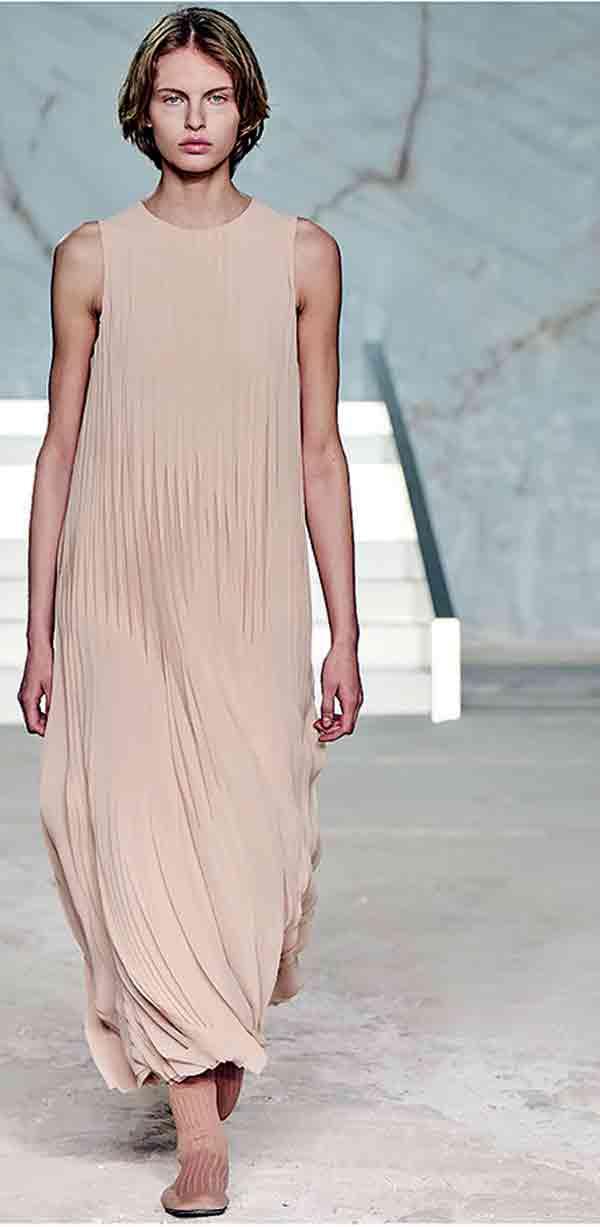
COS SS26
But by 2026, safe fashion begins to feel emotionally flat. Consumers are tired of dressing to blend in. Globally, people are buying fewer items but expecting more from each purchase, better quality, longer wear, and a stronger sense of identity. Fashion is moving away from “Does this work?” towards a more instinctive question: “Does this feel like me?” That subtle shift changes everything.
Fashion’s split personality Soft Power vs Bold Rebellion
The most interesting thing about 2026 fashion is not a specific look, but its polarisation. Style now exists comfortably in two contrasting modes.
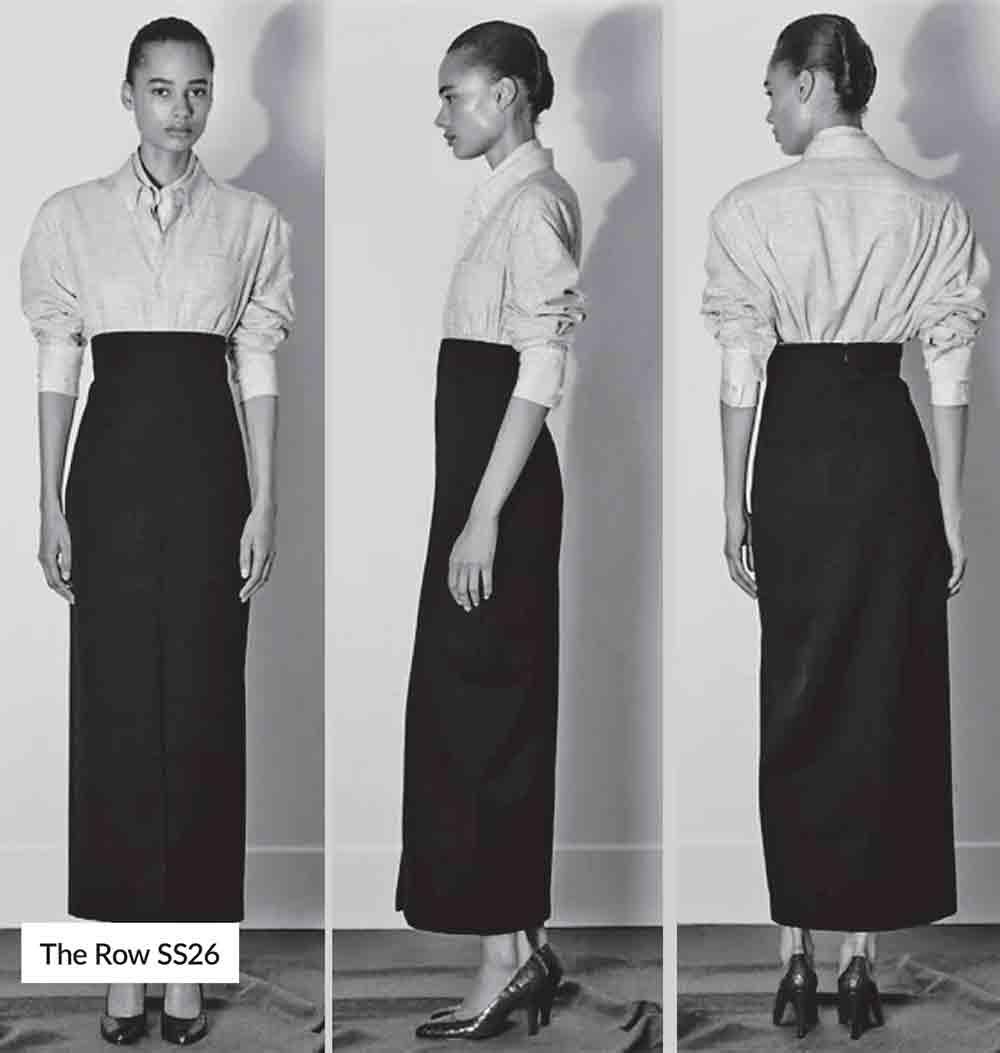
Soft Power: quiet confidence, redefined
Soft Power dressing is not about disappearing into beige. It’s about authority without aggression, ease, confidence, and intention. Think fluid tailoring, longline silhouettes, relaxed elegance, and clothes that move with the body rather than restrict it. This direction feels particularly relevant in Sri Lanka, where climate, lifestyle, and culture have always favoured breathable fabrics and effortless silhouettes. Long dresses, draped tops, wide-leg trousers, sari-inspired layers, and softly structured tailoring align seamlessly with this global mood. Soft Power dressing says: I don’t need to announce myself to be taken seriously. It’s polished without being rigid. Elegant without being performative.
Jewellery and accessories fashion’s emotional anchor
If clothing sets the tone in 2026, accessories, especially jewellery, tell the story. Rather than building outfits around clothing alone, many women are choosing signature jewellery: pieces worn daily, layered intentionally, and imbued with personal meaning. This mirrors long-standing South Asian traditions, where jewellery is more than accessorising, it represents memory, protection, love, and identity.
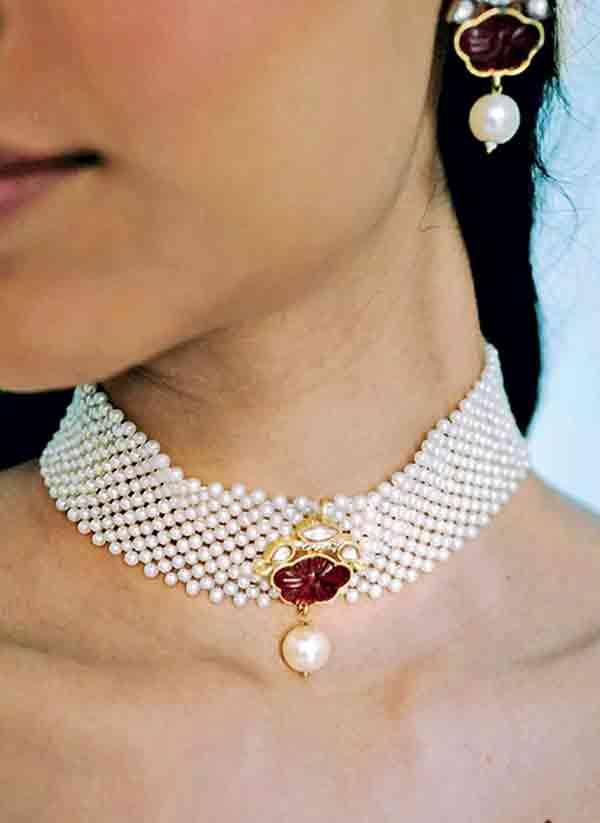
Safron Saanjh Choker
In 2026, expect to see:
- mixed metals worn together
- layered necklaces as everyday staples
- symbolic stones and charms
- vintage-inspired details styled in modern ways
Jewellery becomes the easiest way to personalise an outfit, whether paired with Western silhouettes or traditional wear.
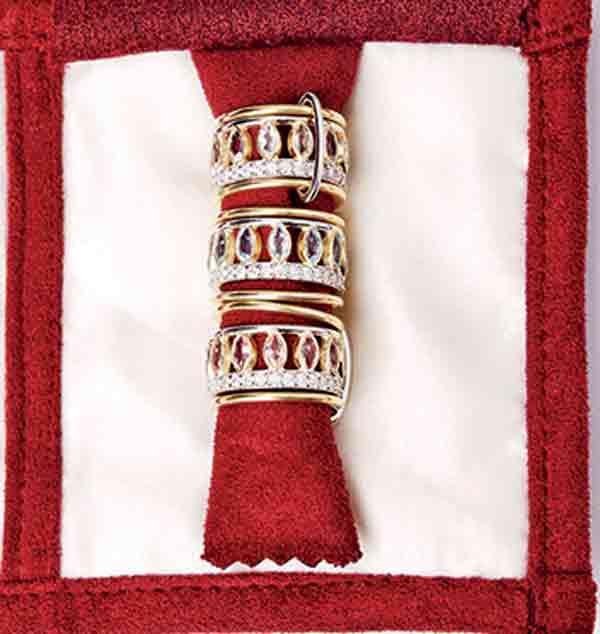
ANJNA London JYOTSNA Ring
Bold Rebellion fashion as emotional release
At the opposite end of the spectrum is Bold Rebellion, fashion that embraces expression, texture, colour, and personality. This is where fringe, lace, statement silhouettes, handcrafted details, and unexpected styling choices come into play. It’s not maximalism for the sake of drama, but a conscious refusal to fade into the background. Bold Rebellion often appears through:
- experimental sari draping
- modern interpretations of traditional silhouettes
- bold jewellery paired with minimal outfits
- playful use of colour and texture
It reflects a growing confidence, particularly among the younger generation to honour heritage while reinterpreting it for modern life.
Why 2026 is the year of meaning over mass
One of the defining shifts of 2026 is how people shop. Across the world, consumers are becoming more intentional. They’re buying fewer pieces, but choosing items that feel emotionally significant, clothes and accessories tied to milestones, identity, and longevity. This resonates strongly in Sri Lanka, where fashion and jewellery have always been deeply connected to life moments, celebrations, and personal meaning.
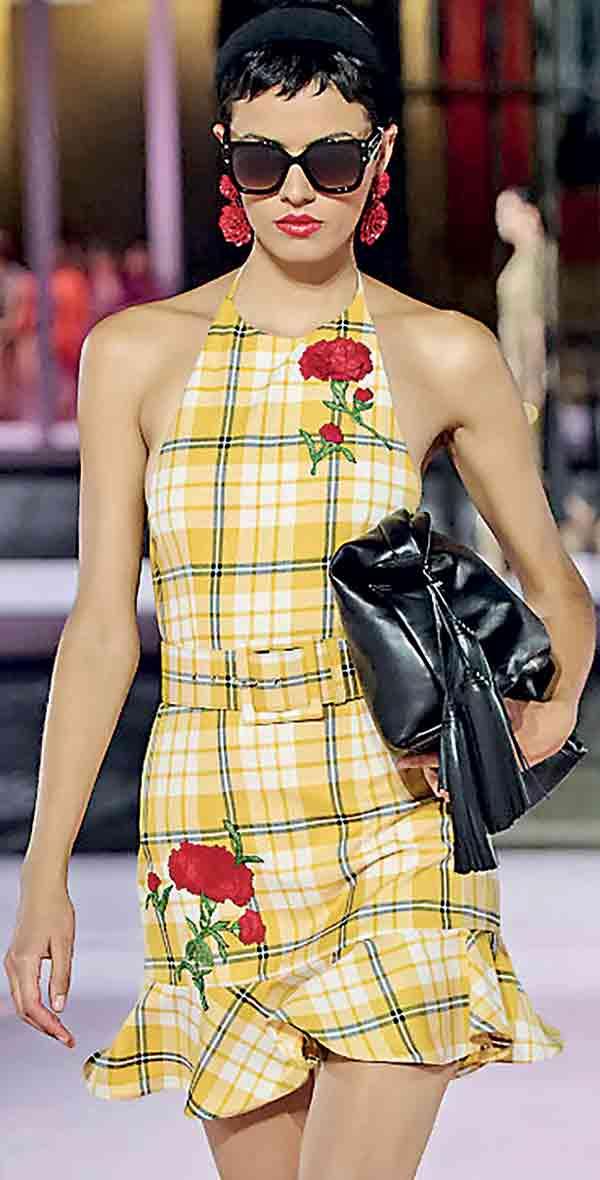
Carolina Herrera Spring/Summer 2026
In 2026, fashion becomes:
- a form of self-expression
- a reflection of personal values
- a way to mark transitions and growth
This is why categories like jewellery, accessories, and artisanal fashion feel particularly powerful right now. They offer permanence in a fast-moving world.
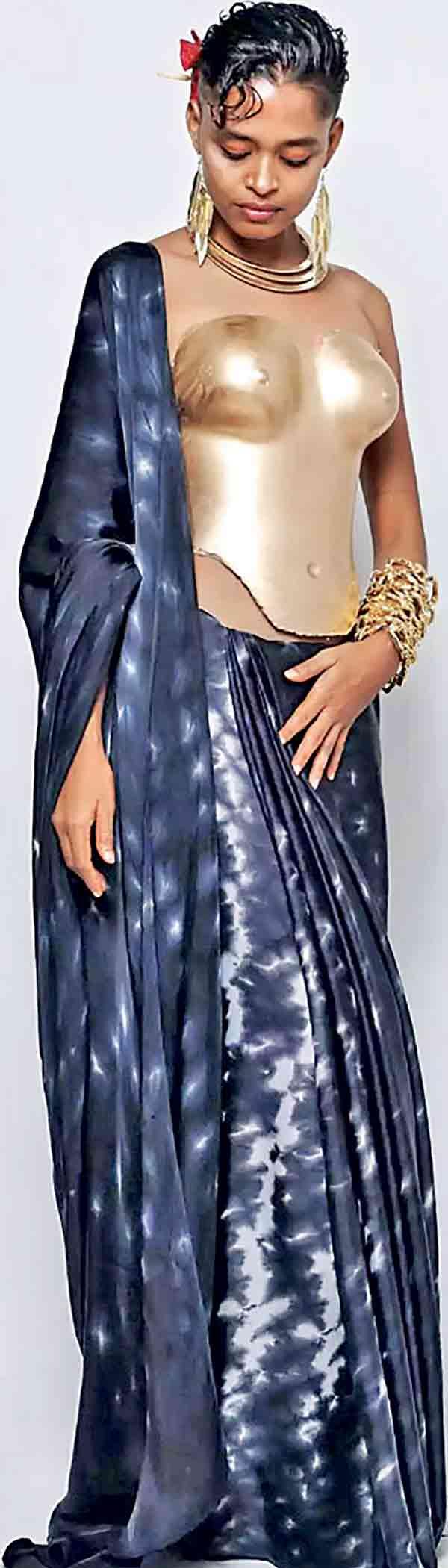
Echchampulle Saree Black
Colours of 2026: dressing by emotion
Colour in 2026 is less about trend forecasting and more about psychology.
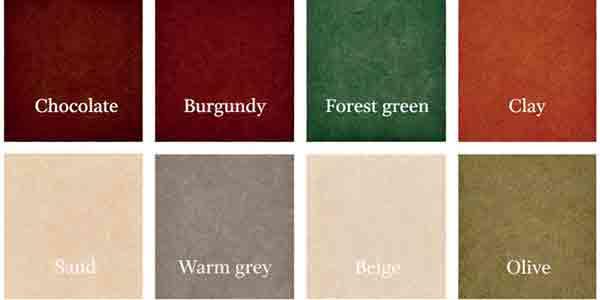
Grounded richness
The Soft Power palette leans into earthy, calming tones, chocolate brown, burgundy, forest green, clay, sand, warm greys, and soft beige. These shades feel stable, intelligent, and comforting. They translate beautifully into linen, silk blends, cotton, and handwoven textiles.
Expressive accents
Bold colour doesn’t disappear, it simply becomes more intentional. Rather than head-to-toe saturation, 2026 embraces strategic colour moments: a scarf, a bag, jewellery, or shoes that transform an otherwise neutral outfit. In Sri Lanka’s tropical setting, this approach feels natural, vibrant accents balanced with relaxed silhouettes, allowing colour to enhance rather than overwhelm.
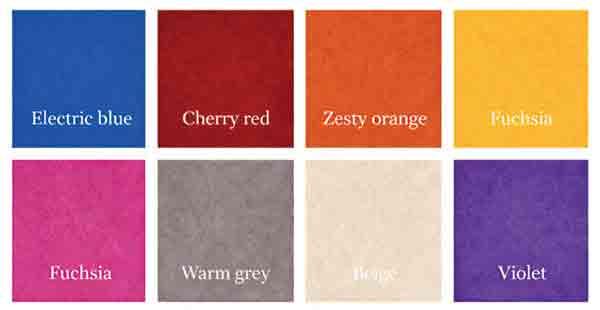
Silhouettes and textures fashion becomes sensory
If there’s one word that defines 2026 silhouettes, it’s movement. Clothes are designed to skim, drape, and flow. Longline shapes dominate, dresses that glide, trousers that move, layering that feels considered but effortless. Comfort is no longer the opposite of style; it’s central to it. Texture becomes the new status symbol. Instead of loud logos, value is communicated through:
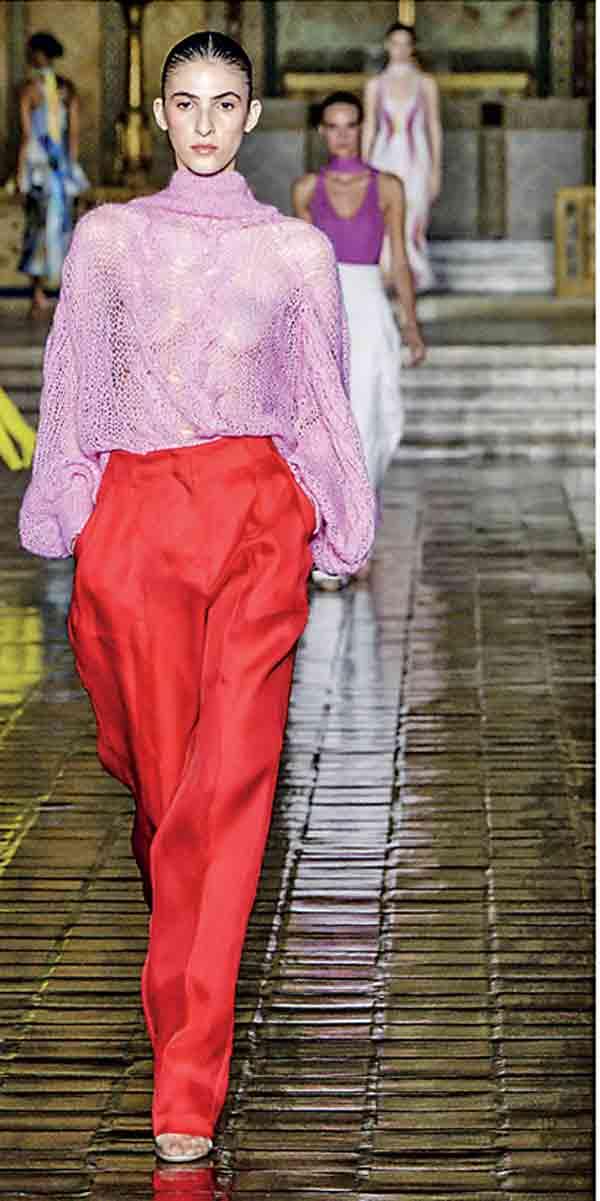
Prabal Gurung Ready to Wear Spring/Summer 2026 fashion show
- embroidery and hand detailing
- lace and sheer layering
- artisanal finishes
- tactile fabrics that invite touch
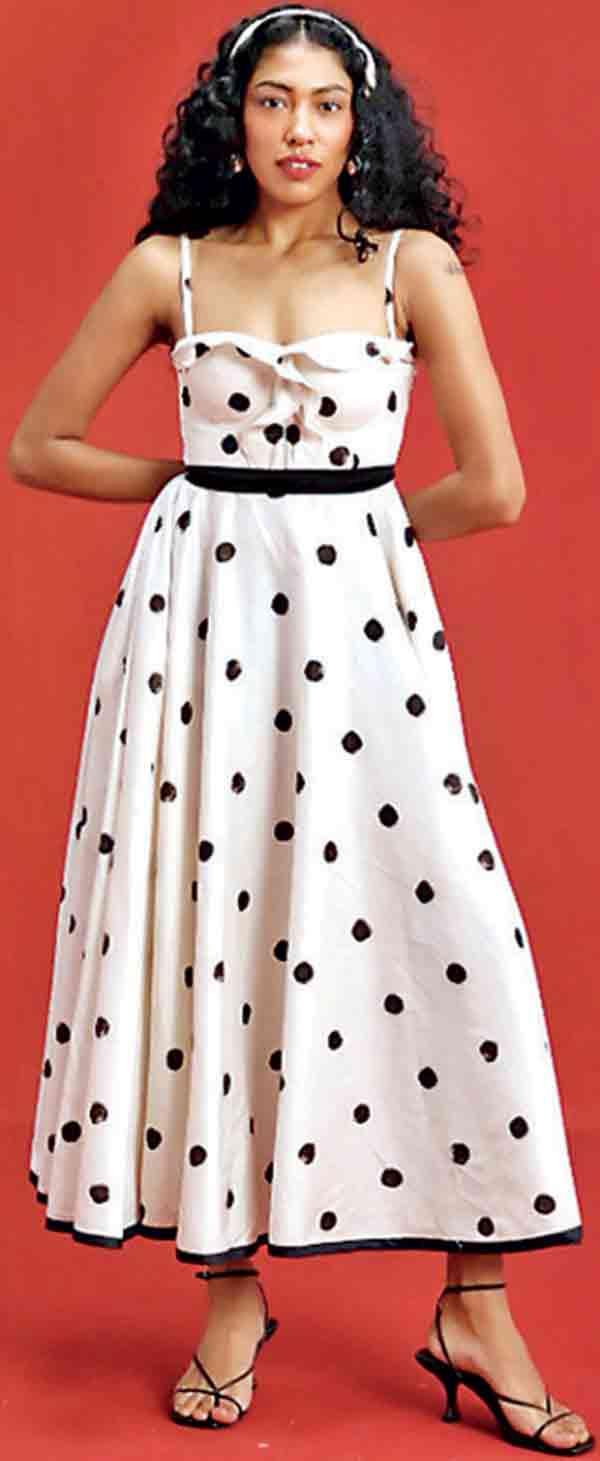
Yam India The Monroe Dress Cotton Satin
This renewed appreciation for craft aligns naturally with Sri Lanka’s rich textile and artisanal heritage, where handwork has always been synonymous with quality and care.
What’s officially over
Fashion never truly erases anything, but 2026 gently moves on from:
- trend-chasing as identity
- minimalism without emotion
- fast-fashion excess
- dressing purely for social media
Perfection is no longer the goal. Personality is.
What’s coming back, reworked for 2026
Returns in 2026 aren’t literal; they’re refined.
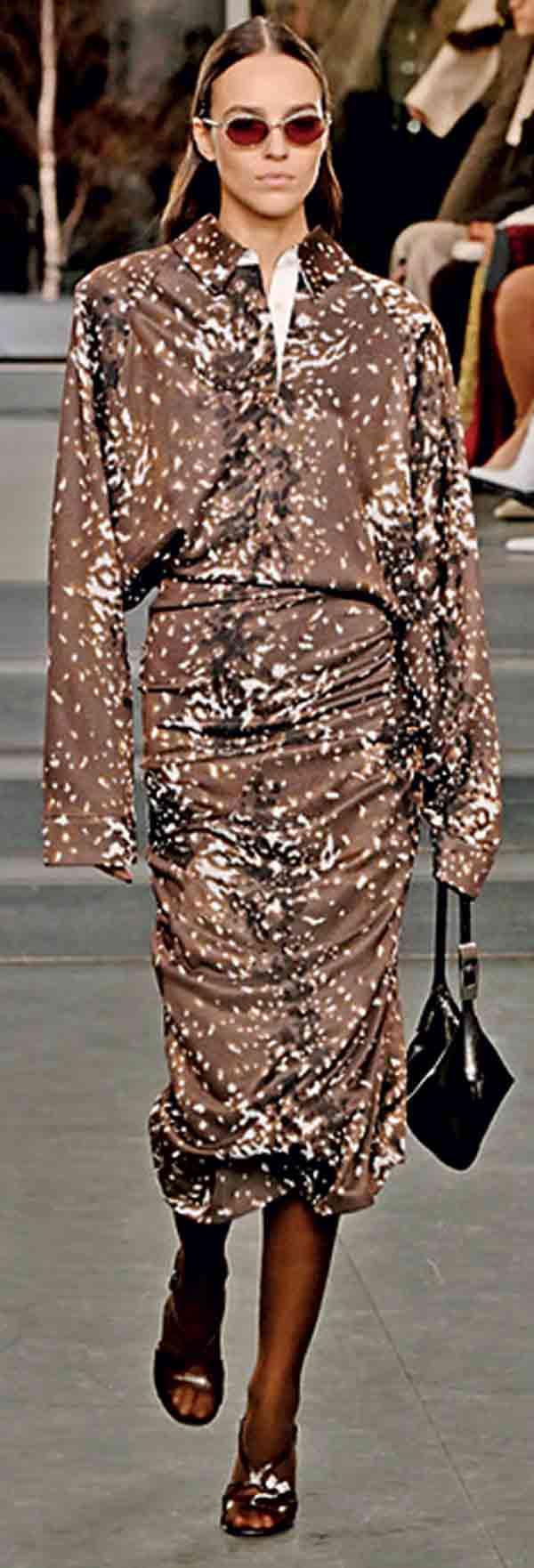
Tory Burch F/W 25
- Subtle flares and bootcut silhouettes, styled cleanly
- Scarves worn as signatures, around the neck, head, or bag
- Brooches and pins used creatively
- Preppy elements softened with colour and texture
- Prints of all kinds, Bambi prints, Ruffles and Polka Dots
These comebacks feel thoughtful rather than nostalgic.
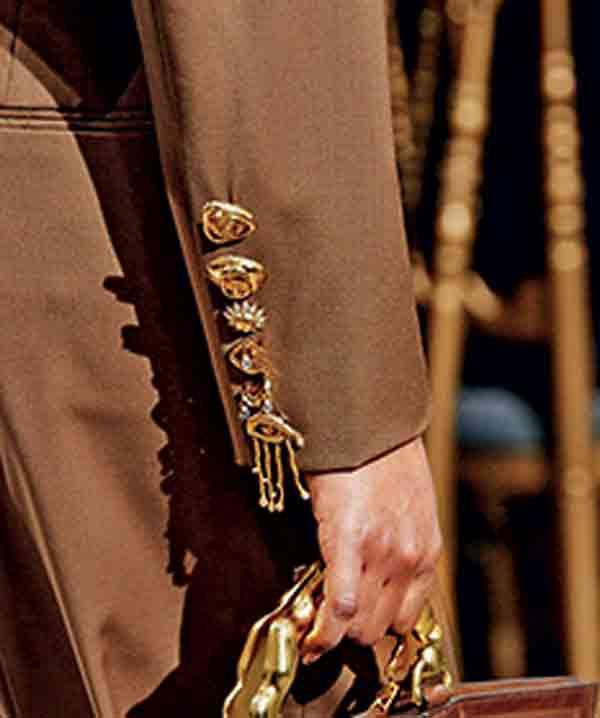
Schiaparelli
The real forecast: fashion becomes human again
So, what does 2026 really look like?
- It looks like wardrobes edited for meaning
- It looks like women dressing for themselves, not the algorithm.
- It looks like heritage and modernity coexisting beautifully.
From global runways to Sri Lankan streets, the message is clear: fashion is no longer about fitting in, it’s about feeling real.
In 2026, we don’t dress to impress. We dress to connect.