Plastic Pollution: How It Affects Humans, Animals, and the Planet
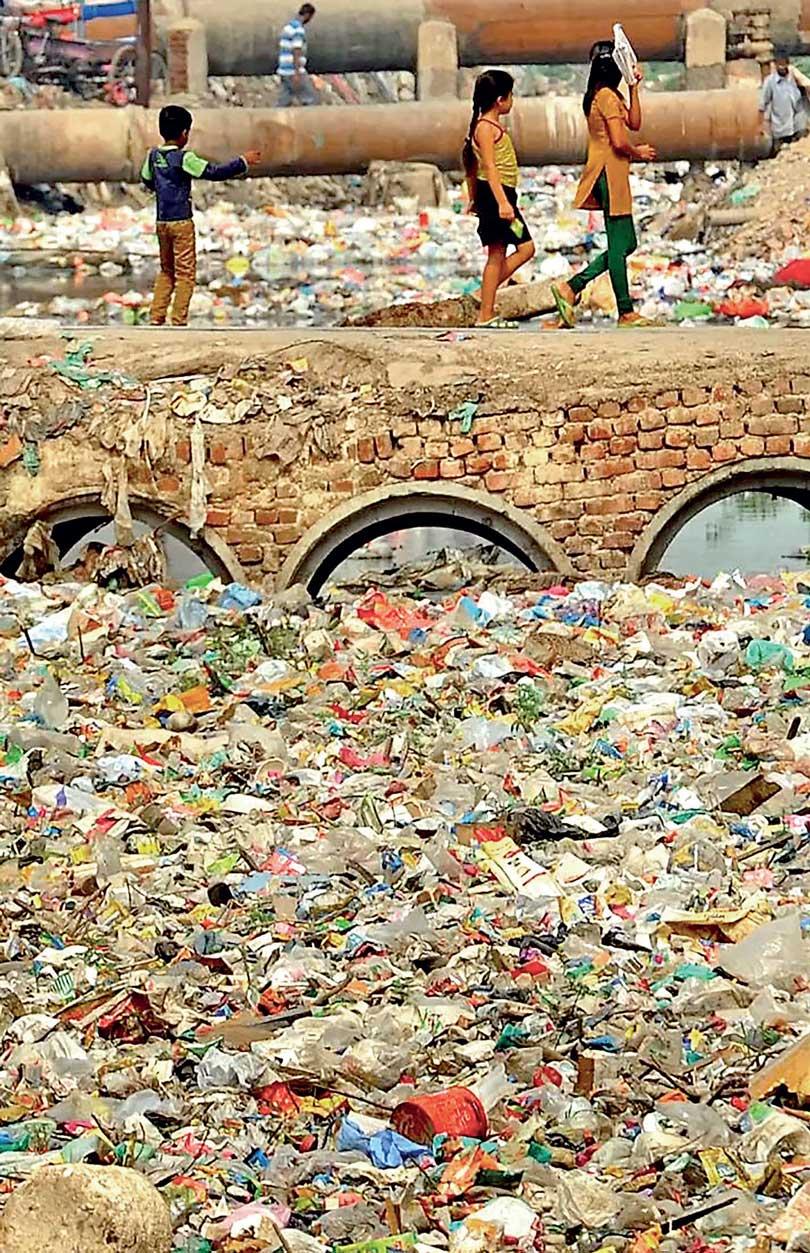
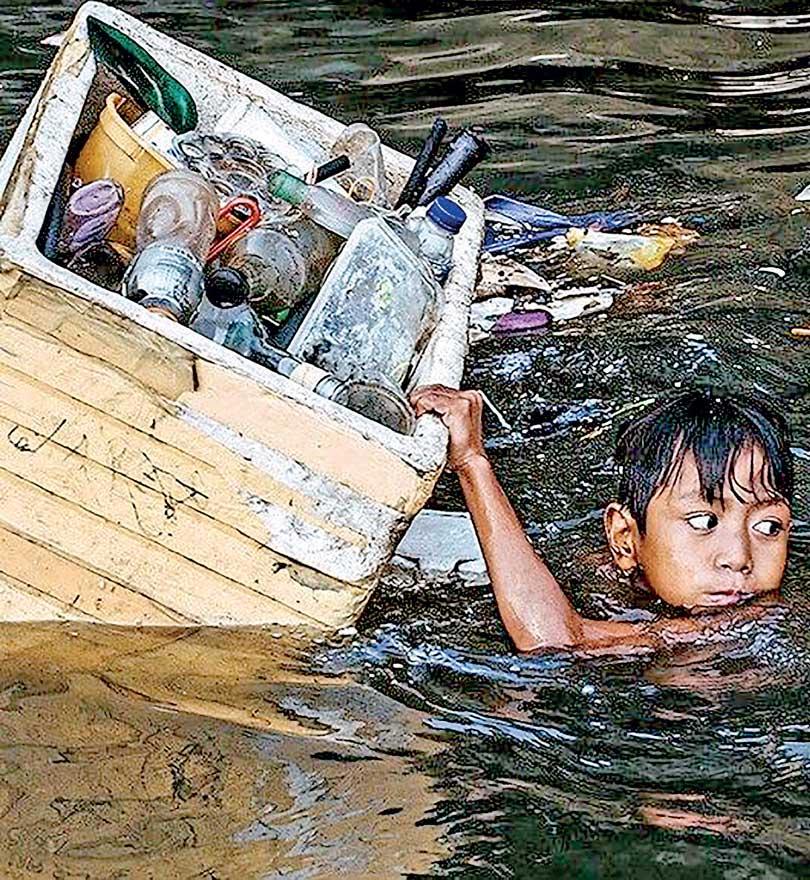
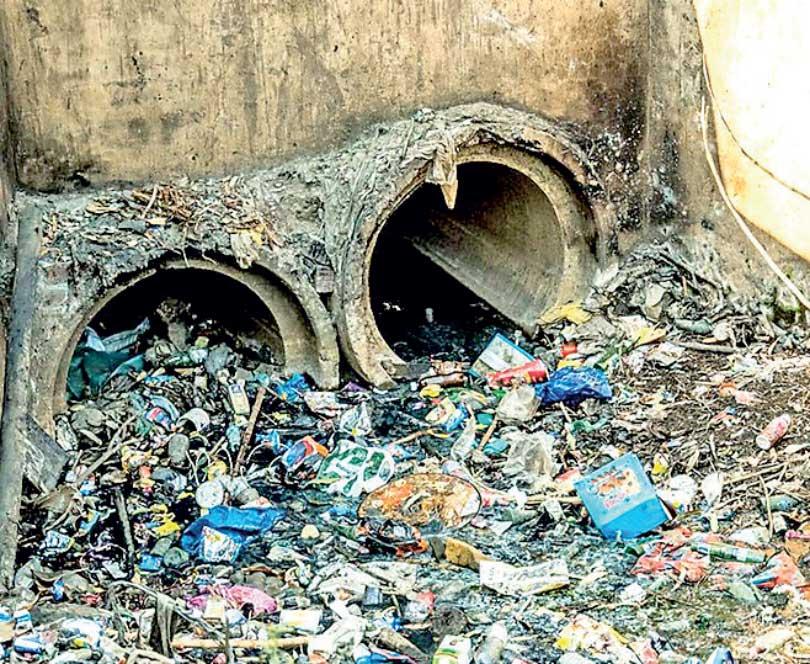
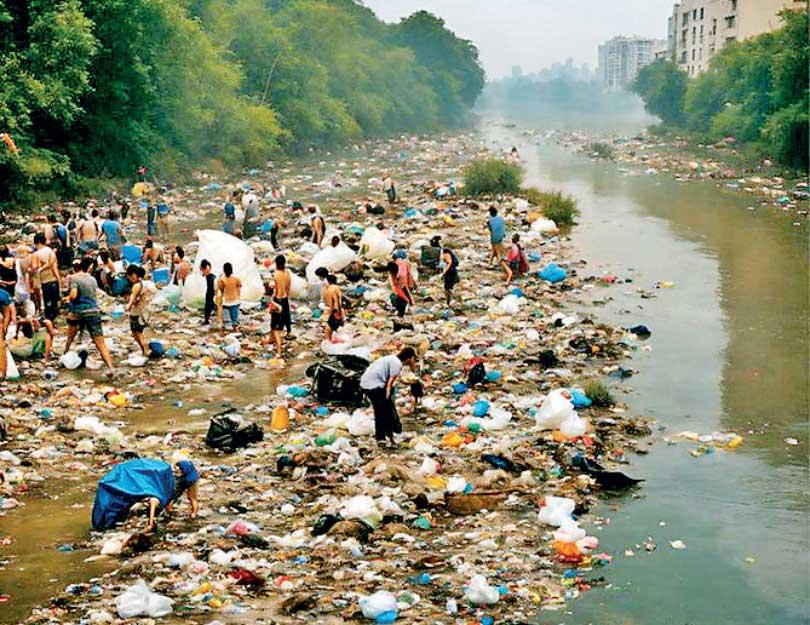
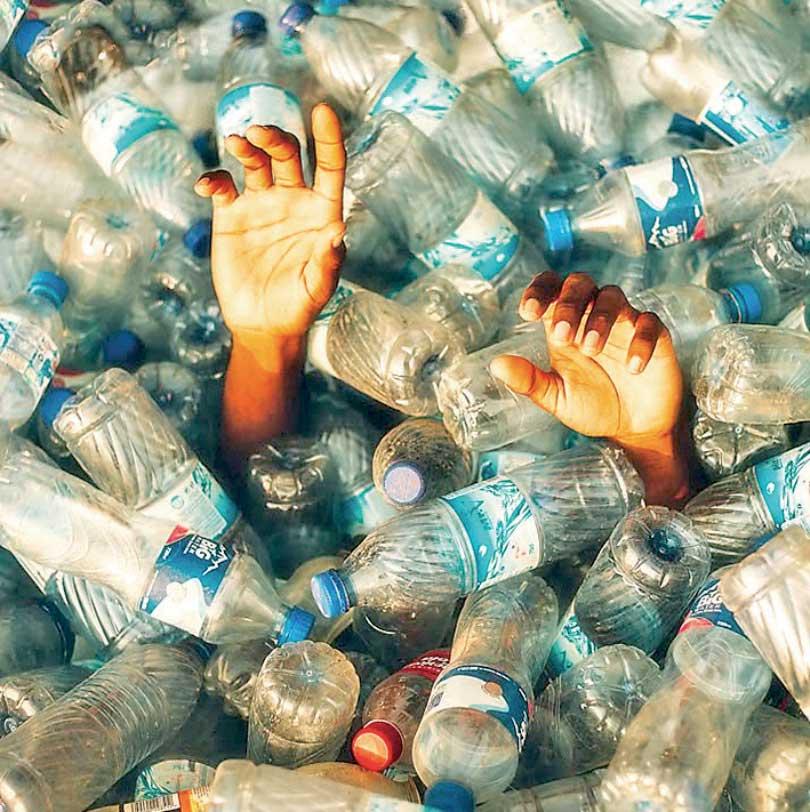
Plastic pollution has become one of the defining environmental challenges of our time. Although many people acknowledge that plastic waste is a problem, daily habits often tell a different story. Reusable bags are sometimes forgotten, plastic packaging continues to dominate supermarket shelves, and recycling rates remain low in many countries. What is less visible to the public is the scale and depth of the crisis. Plastic pollution is no longer limited to litter scattered across streets or floating bottles in rivers. It has become a global environmental and public health emergency with consequences that affect ecosystems, wildlife, and human beings from the earliest stages of life.
Each year, vast amounts of plastic waste enter the environment. The equivalent of approximately 2,000 garbage trucks filled with plastic are dumped into oceans, rivers, and lakes every single day. According to the United Nations Environment Programme, between 19 and 23 million tonnes of plastic waste leak into aquatic ecosystems annually. This pollution contaminates freshwater sources, degrades marine habitats, and threatens countless species. Because plastic is durable and resistant to natural degradation, it persists in the environment for decades or even centuries.
Marine animals are among the most visible victims of plastic pollution. Sea turtles frequently mistake plastic bags for jellyfish, one of their primary food sources. Seabirds ingest bottle caps, fragments, and other debris, filling their stomachs with indigestible material. Fish consume microplastics that resemble plankton. These plastics can block digestive tracts, reduce the ability to absorb nutrients, and cause internal injuries. Entanglement in discarded fishing nets and plastic rings can lead to drowning, infection, or amputation. Millions of marine animals die each year as a direct result of plastic waste. The damage extends beyond large, visible debris. Over time, plastic breaks down into smaller particles known as microplastics and nano plastics. These particles are less than five millimetres in size, and many are so small they cannot be seen with the naked eye. Microplastics are now present throughout the world’s oceans, rivers, soil, and even the air. Small marine organisms such as plankton ingest these particles, introducing plastic into the base of the food chain. As larger species consume smaller ones, plastics accumulate and move up the chain, eventually reaching humans through seafood and drinking water.
Human health is increasingly linked to plastic exposure. Only about 21 percent of plastics are designed to be recyclable, according to UNICEF. The majority ends up in landfills, incinerators, or natural environments. In landfills, plastics can take hundreds of years to decompose. During this time, they may release harmful chemicals into soil and groundwater. Incineration reduces waste volume but can emit toxic substances into the atmosphere if not properly managed. Recent scientific research has revealed that microplastics are present in human blood, lung tissue, breast milk, amniotic fluid, and even the placenta. This means exposure can begin before birth. Scientists are still studying the long-term health consequences, but early findings raise concerns about inflammation, hormonal disruption, and potential impacts on the immune and reproductive systems. Many plastics contain chemical additives such as phthalates, bisphenols, and flame retardants. These substances can interfere with hormonal function and have been associated with developmental and metabolic disorders.
Children are particularly vulnerable to the effects of plastic exposure. Because they consume more food and water relative to their body weight and their metabolic systems are still developing, their bodies may absorb higher concentrations of contaminants. Studies have identified thousands of chemicals in food contact materials, and many of these substances can migrate into food and beverages. At least 30 plastic related chemicals have been detected in infants through breast milk and umbilical cord samples. This early exposure is concerning because critical stages of growth and brain development occur during pregnancy and early childhood. Plastic feeding bottles, widely adopted after the Second World War, are now common around the world. Research shows that heating liquids in plastic bottles or vigorously shaking them can release millions of microplastic particles into an infant’s formula or milk in a single day. Similarly, plastic baby food pouches, formula containers, and breast milk storage bags may release particles or chemicals, especially when exposed to high temperatures or freezing conditions. These findings highlight how plastic exposure can begin from the earliest days of life.
Diet also plays a significant role in exposure levels. Ultra processed foods are often packaged in single use plastics. Studies have linked diets high in these foods to increased levels of phthalates and bisphenols in children and pregnant women. Everyday household items contribute further to cumulative exposure. Plastic tableware, melamine dishes marketed to children, nonstick cookware coated with per and polyfluoroalkyl substances, plastic cutting boards, and epoxy linings in metal cans can all release microplastics or chemical residues into food. Over time, repeated exposure may increase health risks. Beyond human health, plastic pollution severely disrupts ecosystems. Coral reefs, which are among the most biodiverse ecosystems on Earth, can be smothered by plastic debris. When plastic becomes entangled in coral structures, it can block sunlight, introduce pathogens, and increase the likelihood of disease. Damaged reefs lose their ability to support fish populations and protect coastlines from storms. The economic consequences are significant for communities that rely on fishing and tourism.
Plastic pollution also affects terrestrial environments. Plastic waste in soil can alter its structure, reduce fertility, and affect microorganisms essential for nutrient cycling. Wildlife on land may ingest plastic fragments or become entangled in debris. As plastics fragment further, they can be transported by wind, spreading contamination across regions far from their original source. One often overlooked contributor to plastic waste is single use menstrual products. Globally, more than 12 billion disposable menstrual hygiene products are used each year. Many pads and tampons contain up to 90 percent plastic. Most are disposed of in landfills or incinerated. Products placed in landfills may take up to 500 years to break down. During decomposition, they can release chemicals such as phthalates, phenols, and parabens into the environment. Research from the United Nations Environment Programme indicates that reusable alternatives, including menstrual cups and washable pads, have significantly lower environmental impacts over their lifetime. However, access, affordability, cultural norms, and sanitation infrastructure must be considered when promoting alternatives. Despite the scale of the problem, solutions are available. Governments play a critical role by implementing policies that reduce the production and consumption of single use plastics. Bans on certain items, taxes on plastic bags, and extended producer responsibility schemes can encourage companies to design more sustainable products. Investment in waste management infrastructure is essential, particularly in rapidly urbanizing regions where waste collection systems may be inadequate.
Businesses also have a responsibility to redesign packaging, reduce unnecessary plastic, and invest in safer materials. Innovation in biodegradable alternatives and improved recycling technologies offers promise, but these solutions must be supported by clear standards and transparent labelling to avoid greenwashing. Individual actions, while not sufficient on their own, remain important. Choosing reusable bags, bottles, and food containers reduces demand for disposable plastics. Proper sorting and recycling prevent waste from entering natural environments. Supporting brands and policies that prioritize sustainability can influence market trends. Education and community engagement further strengthen these efforts. Clean up campaigns, school programs, and advocacy initiatives have demonstrated measurable improvements in reducing local plastic pollution.
Plastic pollution is no longer a distant or abstract environmental issue. It is present in the water we drink, the food we eat, and even within our bodies. From infants exposed through feeding bottles to marine animals ingesting waste in the ocean, the impacts are pervasive and long lasting. The durability that once made plastic a revolutionary material has become a defining weakness when mismanaged. Addressing plastic pollution requires coordinated global action and sustained commitment. Reducing plastic waste is not optional. It is essential for protecting public health, preserving biodiversity, and ensuring a liveable planet for future generations. Every effort, whether at the level of international policy or personal habit, contributes to a broader movement toward sustainability. Understanding the full extent of plastic’s impact is the first step toward meaningful and lasting change.