EVERY WORD CARRIES A WORLD
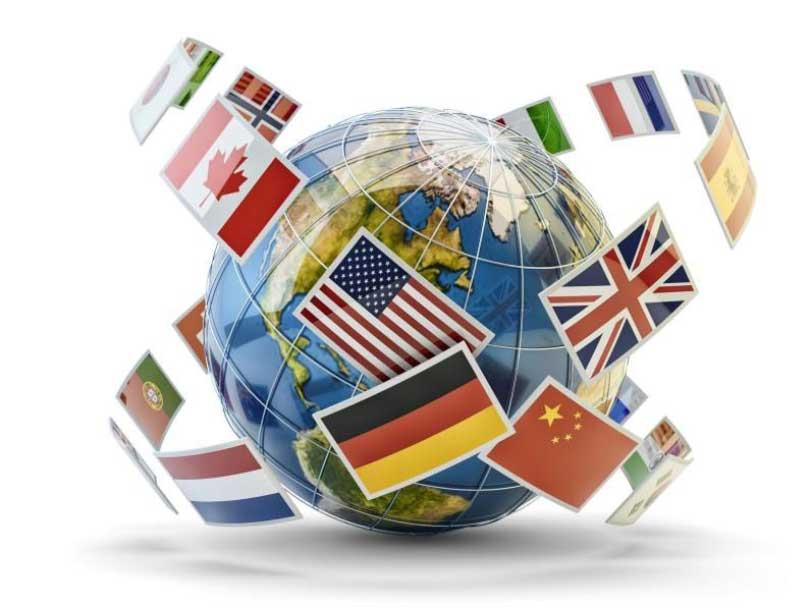
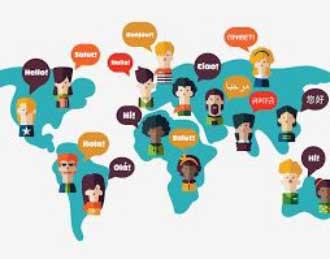 Languages are one of those things we use every single day without really pausing to marvel at them. They sit quietly in our conversations, our texts, our headlines, our love letters, and even our arguments. Yet if you zoom out for a second, the world of languages is wild, layered, and constantly shifting. Today, linguists estimate that there are over 7,000 languages spoken across the globe, a number often cited by sources like Ethnologue. That’s thousands of different ways to say hello, to joke, to tell a story, to pray, to negotiate, and to dream. It’s honestly one of humanity’s most underrated superpowers.
What makes languages fascinating isn’t just the numbers. It’s how deeply they are tied to identity. A language is never just vocabulary and grammar; it carries history, migration, power, survival, and sometimes even resistance. When someone speaks their mother tongue, they’re not just communicating information; they’re carrying generations with them. You hear it in the rhythm, the slang, the sayings that don’t translate neatly into anything else. Every language holds its own worldview, its own way of organizing time, emotions, and relationships. Some languages have multiple words for different kinds of love. Others build respect directly into their sentence structure. Some don’t even separate past and present the way English does. It’s like each language is a slightly different lens on reality.
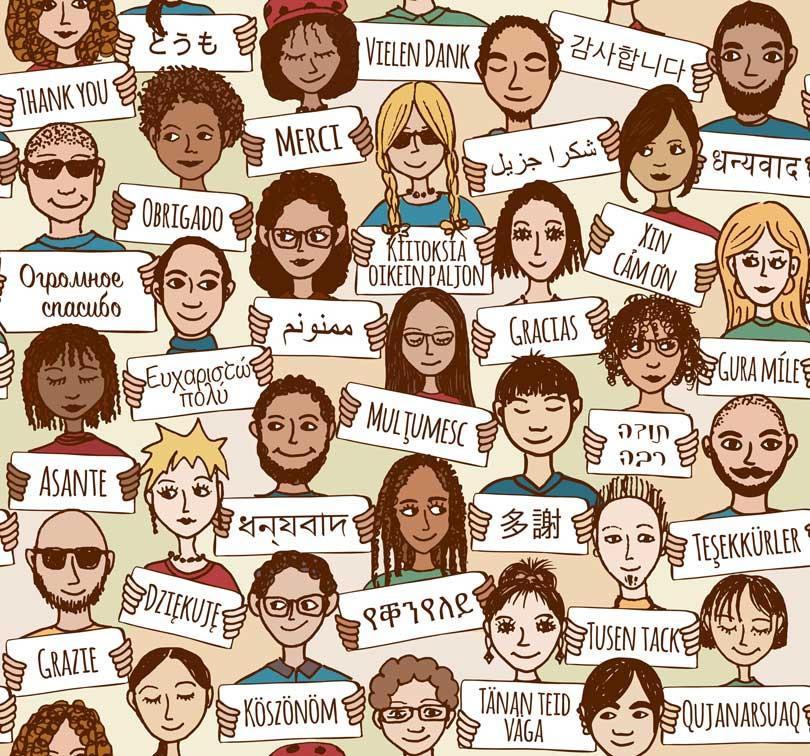
Of course, not all languages are treated equally. A handful dominate global communication, largely because of history, colonization, economics, and media power. English, Spanish, Mandarin, Arabic, and Hindi are spoken by massive populations and shape international business, diplomacy, and culture. English in particular has become the unofficial operating system of the internet, academia, and aviation. But that global reach sometimes comes at a cost. As dominant languages spread, smaller languages often fade into the background. According to estimates highlighted by organizations like UNESCO, a language disappears roughly every two weeks. That means entire cultural archives, songs, oral histories, and indigenous knowledge can vanish in a single generation.
Language loss isn’t just about words dying out; it’s about communities losing pieces of themselves. When a language disappears, it often takes with it unique ecological knowledge, storytelling traditions, and ways of thinking that no textbook has fully captured. In many indigenous communities, language revival has become a form of cultural healing. You see it in classrooms, community centers, and even TikTok, where young people are reclaiming ancestral languages with pride. It’s proof that language isn’t static; it breathes, adapts, and sometimes comes back stronger after near extinction.
At the same time, new forms of language are constantly being born. Technology alone has reshaped how we communicate. Emojis now function like emotional punctuation. Memes carry shared cultural references across borders in seconds. Internet slang evolves faster than any dictionary can keep up. Words like “ghosting,” “stan,” or “main character energy” didn’t exist in mainstream language a couple of decades ago, yet today they feel completely natural. It’s a reminder that language is less like a museum and more like a living city, always under construction.
Multilingualism is another beautiful reality of the modern world. For billions of people, switching between languages isn’t a special skill; it’s just Tuesday. In places like Sri Lanka, India, or Switzerland, people often navigate multiple languages daily depending on context, audience, or emotion. One language for home, another for school, another for work, another for official documents. Each one carries a slightly different version of the self. There’s something powerful about that ability to shift worlds simply by shifting words. Studies even suggest that multilingualism can sharpen cognitive flexibility and empathy because it trains the brain to constantly consider multiple perspectives.
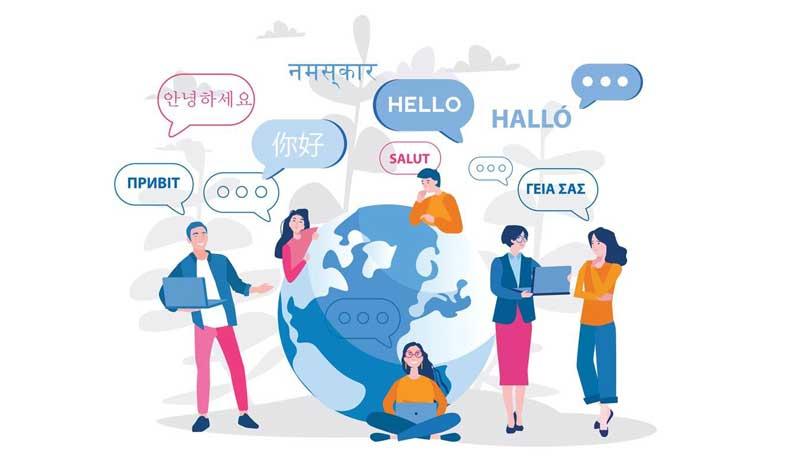
Translation, too, plays a quiet but vital role in global understanding. It’s not just about replacing one word with another; it’s about transporting meaning across cultures. Some phrases refuse to travel neatly. The Portuguese word saudade carries a bittersweet longing that English struggles to pin down. The Japanese concept of wabi-sabi captures beauty in imperfection in a way that feels more philosophical than linguistic. These “untranslatable” words remind us that language isn’t only about efficiency, it’s about nuance, emotion, and cultural memory.
And then there’s the emotional side of language. Most people instinctively switch to their first language when they’re overwhelmed, grieving, or deeply joyful. It’s the language that feels closest to the heart, the one that formed our earliest thoughts. Even fluent bilinguals often say certain jokes only land in one language, certain prayers feel stronger in another, and certain memories are stored in the language in which they happened. Language, in that sense, isn’t just how we speak; it’s how we feel.
In a world that’s increasingly connected, languages serve both as bridges and anchors. They allow us to cross borders, collaborate, and share ideas at scale. But they also root us in community, reminding us of where we come from and who we are. The challenge for the future isn’t choosing between global languages and local ones. It’s finding ways to protect linguistic diversity while still communicating across cultures. That might mean supporting language education, documenting endangered languages, or simply encouraging people to hold onto the ones they grew up with.
Because at the end of the day, languages are more than tools. They are living archives of human experience. Every conversation keeps one alive. Every story passed down protects it. Every time someone chooses to speak, teach, or learn a language, they’re quietly shaping the cultural map of the future. And when you think about it like that, something as ordinary as saying a word suddenly feels a little extraordinary.