Why do we do what we do?
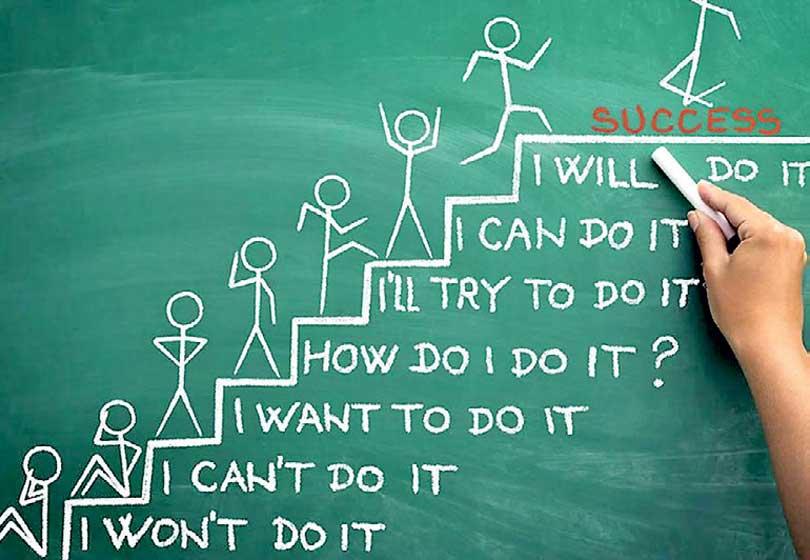
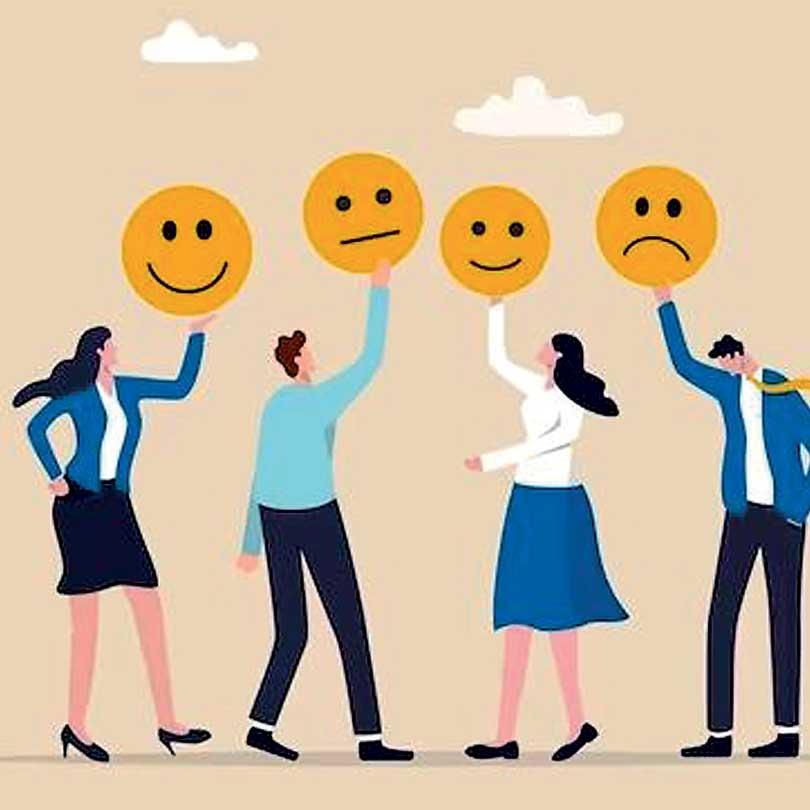
Why do some mornings you feel full of energy and ready to conquer the world, while other days even getting out of bed feels like a struggle? Why do people chase dreams, fall in love, work long hours, help strangers, or give up when things get hard? Every action we take, whether big or small, has a reason behind it. We are constantly being guided by invisible forces inside us, pushing us toward certain choices and away from others. These forces are known as motivation and emotion, and they shape almost everything we do in life.
At the heart of human behaviour are basic psychological needs. Three main needs guide much of our actions: autonomy, competence, and relatedness. Autonomy is the need to feel in control of our own choices. We like doing things because we choose to, not because we are forced to. For example, you may enjoy learning a new skill when it’s your decision but feel annoyed when someone pressures you to do it. Competence is the need to feel capable and successful. When we achieve something, finishing a project, passing an exam, or learning to cook a new recipe, we feel proud and motivated to keep improving. Relatedness is the need to feel connected to others. Humans naturally seek relationships, friendships, love, and belonging. This is why we enjoy spending time with family, texting friends, or being part of a community.
Another big reason behind our actions is emotion. Emotions are not just feelings we experience; they guide our decisions and behaviors. When we feel happy or excited, we are more likely to repeat the actions that caused those feelings. For instance, if exercising makes you feel energized and proud, you are more likely to continue working out. On the other hand, negative emotions like fear, anger, or sadness can either push us to act or make us avoid certain situations. Fear might motivate a student to study harder before a test, while sadness might cause someone to withdraw from social activities. Emotions act like signals, telling us what matters and what needs attention.
Goals also play a major role in why we do things. Some goals are short-term, like finishing homework or saving money for a new phone. Others are long-term, such as building a career, maintaining good health, or forming meaningful relationships. Goals give direction to our behavior. Without goals, we would feel lost and unmotivated. When we have clear goals, we are more focused and willing to put in effort. This is why people often feel more driven at the start of a new year when they set resolutions or when they plan for their future.
There are different types of motivation that influence us. One common type is intrinsic motivation, doing something because you genuinely enjoy it. For example, someone might paint because they love expressing creativity or play a sport because it’s fun. Intrinsic motivation usually leads to better performance and happiness because the activity itself feels rewarding. Another type is extrinsic motivation, doing something for an external reward or to avoid punishment. This could be working for a salary, studying for good grades, or following rules to avoid getting into trouble. While extrinsic motivation is useful in many situations, relying only on rewards can sometimes reduce enjoyment and long-term interest.
Our environment also shapes why we do what we do. Family, culture, school, workplace, and society all influence our behavior. For example, a child who grows up in a supportive home where effort is praised may develop strong motivation to learn and try new things. On the other hand, constant criticism may reduce confidence and motivation. Cultural values also guide actions. In some cultures, teamwork and family responsibility are emphasized, while in others, independence and personal achievement are more important. These influences quietly shape our goals, choices, and behaviors every day.
One interesting idea discussed in motivation studies is that people are naturally curious and want to grow. From childhood, we explore, ask questions, and try to master new skills. Think about how babies learn to walk or talk without being forced, they are driven by an inner desire to grow and understand the world. This natural motivation continues into adulthood when conditions support it. When people feel safe, respected, and encouraged, they are more likely to take risks, learn, and improve themselves.
However, motivation is not always strong. There are times when we feel lazy, tired, or unmotivated. This can happen when our basic needs are not met. For example, if someone feels controlled all the time, they may lose interest and enthusiasm. If they constantly fail or feel incapable, they may give up. If they feel lonely or unsupported, their motivation can drop. Stress, burnout, and emotional struggles also affect our drive. This shows that motivation is not just about willpower, it is closely connected to how we feel and how we are treated.
Understanding why we do what we do can help us make positive changes in our lives. When we know that feeling in control increases motivation, we can try to give ourselves choices instead of forcing ourselves into things. When we understand the importance of competence, we can set small achievable goals and celebrate progress. When we recognize the need for connection, we can invest more time in relationships that support and encourage us.
It also helps us understand others better. Instead of judging someone for being lazy or unmotivated, we can think about what might be affecting their emotions, needs, or environment. Maybe they feel overwhelmed, unsupported, or unsure of themselves. Showing empathy and encouragement can sometimes be more powerful than pressure.
In everyday life, we are constantly guided by a mix of needs, emotions, goals, and influences. Whether it’s choosing a career, helping a friend, chasing a dream, or even taking a break, there is always a reason behind it. Motivation is like an invisible engine driving our actions forward.
In the end, why we do what we do is not a simple answer with one cause. It is a beautiful combination of wanting to grow, feel capable, connect with others, experience positive emotions, and achieve meaningful goals. By understanding these forces, we can live more intentionally, make better choices, and create environments that help ourselves and others thrive.