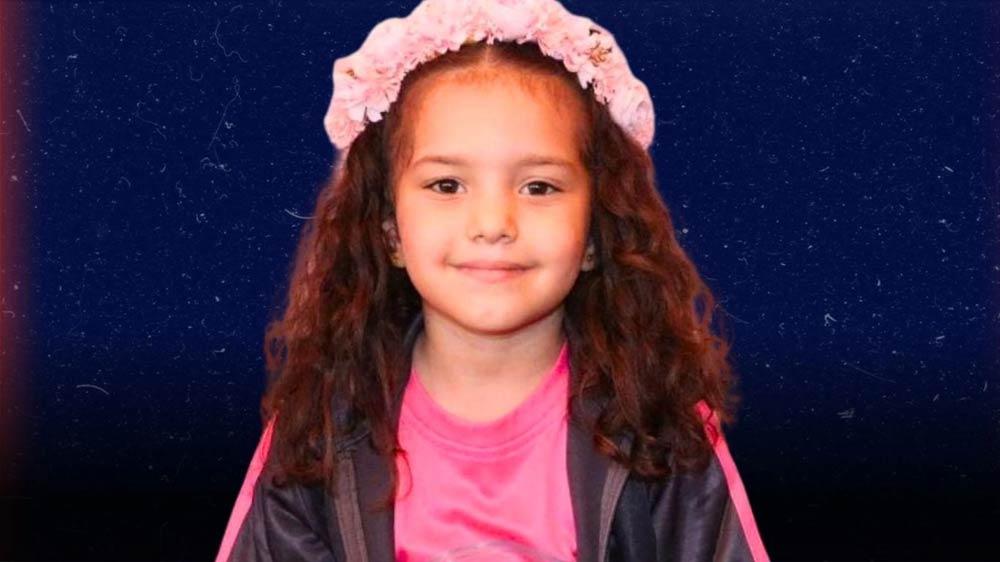
The Voice of Hind Rajab is not a film you watch. It is something you endure. Kaouther Ben Hania’s devastating work reconstructs the final hours of a six-year--old girl trapped in a bullet riddled car in Gaza while the world did nothing. Built around the real audio recordings of Hind Rajab’s last phone calls, the film strips away distance, abstraction, and denial. It leaves you face to face with a child’s terror, and with our collective failure.
I cannot remember another film that has provoked such raw anger, empathy, and crushing helplessness. In under 90 minutes, Ben Hania distills the reality of Gaza’s destruction into something intimate and unbearable. This is not history or geopolitics. It is the sound of a child begging not to die. Tragedy only truly lands when it has a human face. Hind Rajab Hamada was six years old, small, quiet, ordinary. She was not a symbol. She was a child. She was shot to death by the IDF while trapped inside her family’s car, surrounded by the bodies of her aunt, uncle, and four cousins. Israeli tanks stood nearby. She was alive. They knew it.
To hear the recordings of Hind’s final hours, real audio recordings from that fateful day, January 29, 2024, is almost too much to withstand. Volunteers from the Palestine Red Crescent Society try desperately to reach her, their voices trembling as they attempt to comfort a terrified child they cannot physically save. Hind pleads again and again for someone to come. Anyone. Her voice cracks with fear. She cries. She waits. She is completely alone, pinned between corpses, staring down a tank barrel.
In the background, gunfire and explosions never stop. The soundscape is relentless, sadistic. It feels less like chaos than cruelty, as if those firing know she is still alive and are drawing out her terror. Each delay, each unanswered request for clearance, becomes another act of violence. Time stretches. Hope thins. The rescue attempt turns into a bureaucratic nightmare where procedure matters more than a child’s life.
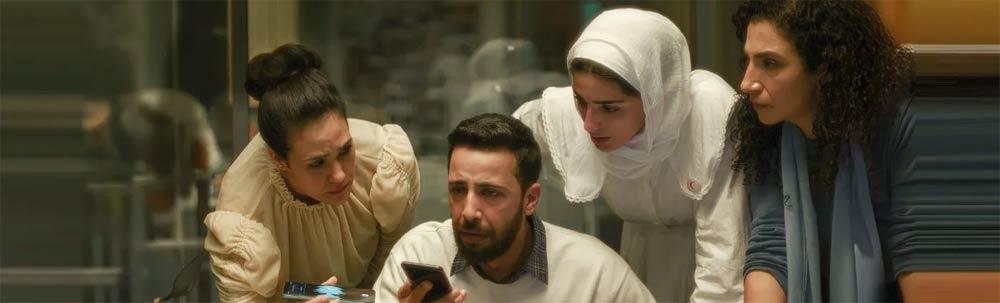
Ben Hania stages the film with the suffocating immediacy of a real-time thriller. Nearly the entire story unfolds inside a Red Crescent call centre in Ramallah. Omar Motaz Malhees, a dispatcher, receives a call no one should ever have to answer: a man in Germany begging for help for his family trapped in Gaza. The call briefly connects. A young woman screams that tanks are beside them. Bullets explode through the car. The line goes dead. When Omar calls back, a little girl answers. My name is Hind, she says. She is six. She is alone. She is terrified.
Ben Hania then does something devastatingly simple and devastatingly honest: she cuts to the real audio from January 29, 2024. The screen goes black. A white waveform quivers as Hind speaks. Her voice, small, shaking, fills the darkness. Omar and his colleague Rana Saja Kilani tell her help is coming. They promise her she is not alone. The rescue team is only minutes away. Eight minutes. That should have been enough. It isn’t.
Military obstruction, recent attacks, and the unspoken truth, that the soldiers know a living child is still in the car, turn the rescue into a death sentence. Hind is no longer just waiting for help. She is being used as bait. The film becomes a merciless countdown. Omar, Rana, and their supervisor Nisreen Clara Khoury recite prayers, sing softly, tell Hind stories, anything to keep her calm, anything to keep her alive, while fighting a system that moves with glacial indifference. Minutes pass. Then hours. Each unanswered call tightens the knot in your chest. You already know how this ends. The film makes you sit with that knowledge.
The handheld camerawork clings to the volunteers’ faces, capturing exhaustion, dread, and barely contained despair. The editing never relents. There is no release, no relief, only waiting. Hind’s voice remains sacred, untouched by dramatization. She does not need embellishment. Her fear is enough. The performances are devastating in their restraint. Kilani’s Rana feels seconds away from breaking at all times. Malhees’ Omar channels the audience’s fury at a system that fails in the most unforgivable way. Khoury’s Nisreen becomes a quiet anchor, assuming a maternal role as the clock runs out, not just for Hind, but for faith in humanity itself.
Ben Hania intercuts real footage of Red Crescent workers livestreaming the crisis, hoping public pressure might do what official channels will not. In one shattering moment, fiction collapses into reality: the real Nisreen appears on a phone screen, calmly reassuring Hind. It is heroism without triumph, courage without reward. Then Ben Hania shows us what remains. The family car. Shredded by 355 bullets. Hind’s body was found 12 days later. If a little girl can’t inspire empathy, what can? Omar asks. There is no answer.
Like Ben Hania’s Four Daughters, this film is almost unbearably painful, but it is necessary. It honours the humanity of those who still try to help when the world refuses to. People who sacrifice their sanity and sleep for the slim chance of saving someone they will never meet. Executive produced by Brad Pitt, Joaquin Phoenix, Spike Lee, Michael Moore, and Rooney Mara it received a record-breaking 23-minute standing ovation at the Venice Film Festival in September 2025, winning the prestigious Silver Lion Grand Jury Prize. Released in theatres in a few countries, earlier this month, it should be available on streaming services like Apple TV and Amazon at the beginning of March.
From Gaza City, Hind’s mother, Wissam Hamada, told Agence France-Presse she hoped the film would move the world to act: “The whole world has left us to die, to go hungry, to live in fear, and to be forcibly displaced without doing anything.” The Voice of Hind Rajab is not asking for your sympathy. It is demanding your reckoning. We were not ignorant. We heard her voice. We listened. And we let her die.
Her voice will haunt you. It should.
Online: https://www.thevoiceofhindrajabfilm.com/home/