
In today’s world, our daily routines revolve around the familiar comfort of perfumes, soaps, toothpastes, and creams. These items have become so ordinary that it’s hard to imagine life without them. From the refreshing scent of a morning shower to the sweet fragrance that lingers after applying perfume, personal care products play a subtle but powerful role in shaping our identities and interactions. Yet, centuries ago, people-maintained hygiene and enhanced beauty in ways that were simple, resourceful, and deeply connected to nature.
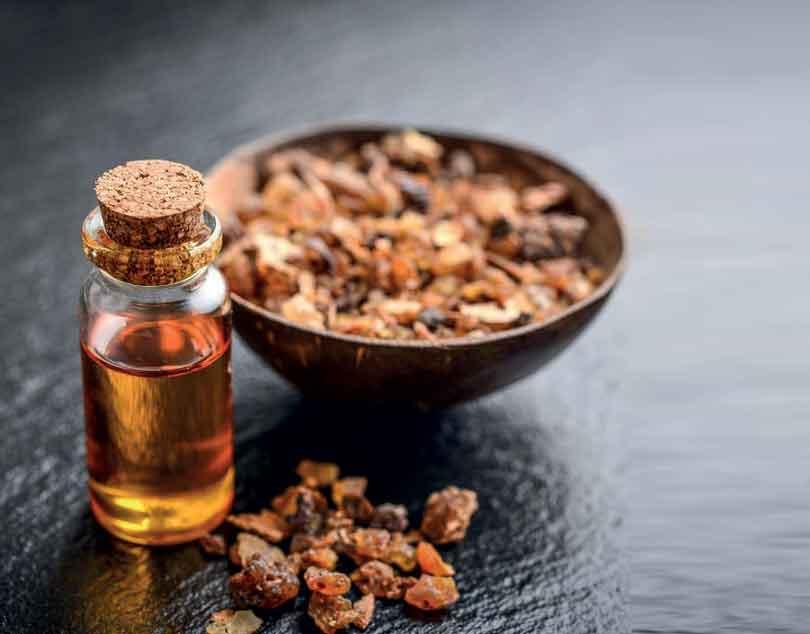
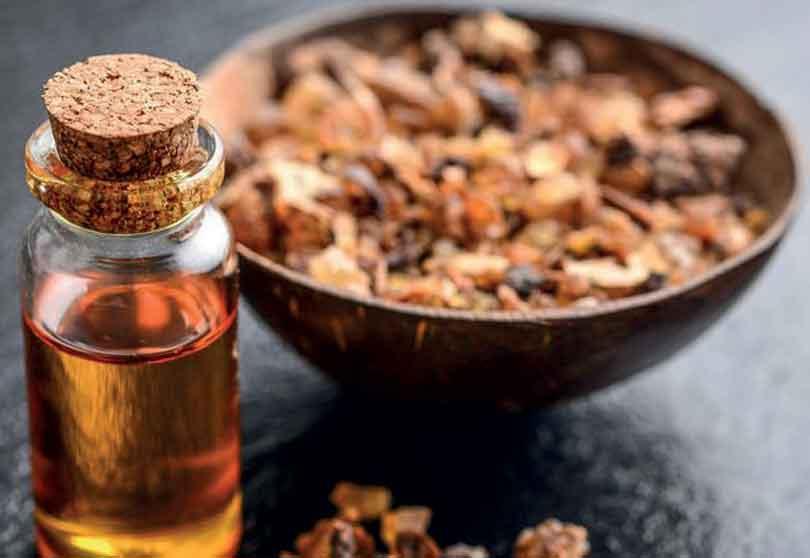
Perfumes are often seen as symbols of sophistication and luxury, but their history dates back thousands of years. Ancient Egyptians were among the first to master the art of perfumery. They used natural ingredients such as myrrh, frankincense, lotus, and cinnamon, blending them with oils and animal fats to create scents used in religious rituals and personal grooming. Perfume was not just about smelling good, it was a sacred offering to the gods and a marker of social status.
In ancient Greece and Rome, the use of perfumes expanded. Scented oils were applied after baths and used to perfume clothing and hair. These fragrances were extracted through rudimentary methods like pressing or soaking flowers and herbs in oil. It wasn’t until the Middle Ages that alcohol-based perfumes appeared, particularly in the Arab world, where the distillation process was refined. Today’s perfumes, with their complex notes and synthetic blends, trace their roots back to these ancient practices, though the essence of using scent to express identity remains unchanged.
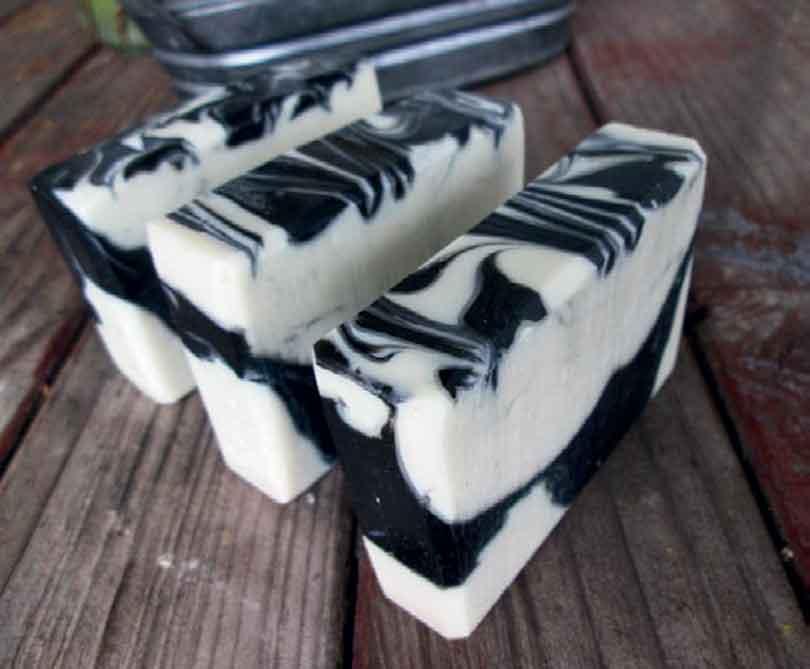
Soap, as we know it, is a symbol of cleanliness and health. But early civilizations cleaned themselves with what nature provided. The Sumerians, as early as 2800 BC, used a mixture of water, alkali, and cassia oil, an early form of soap. Ancient Egyptians combined animal fats with wood ash to create a cleansing paste. Meanwhile, in Rome, olive oil and fine sand were used to scrub and exfoliate the skin, followed by scraping it off with a tool called a strigil.
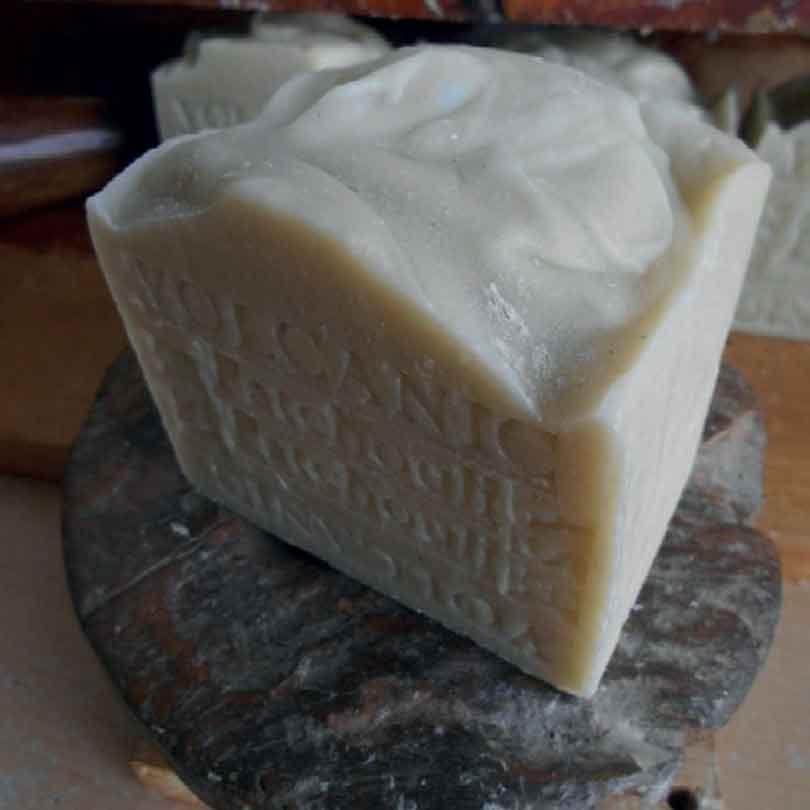
Soap-making evolved through the centuries. By the 7th century, Arabs had developed a more refined form of soap using vegetable oils like olive and palm, adding aromatic herbs for fragrance. This knowledge spread to Europe through trade and crusades. Eventually, soap became a household staple, especially after the industrial revolution made it affordable and widely available. Today, soaps come in countless varieties, antibacterial, moisturizing, scented, organic, but the core idea remains the same: cleansing the body and maintaining health.
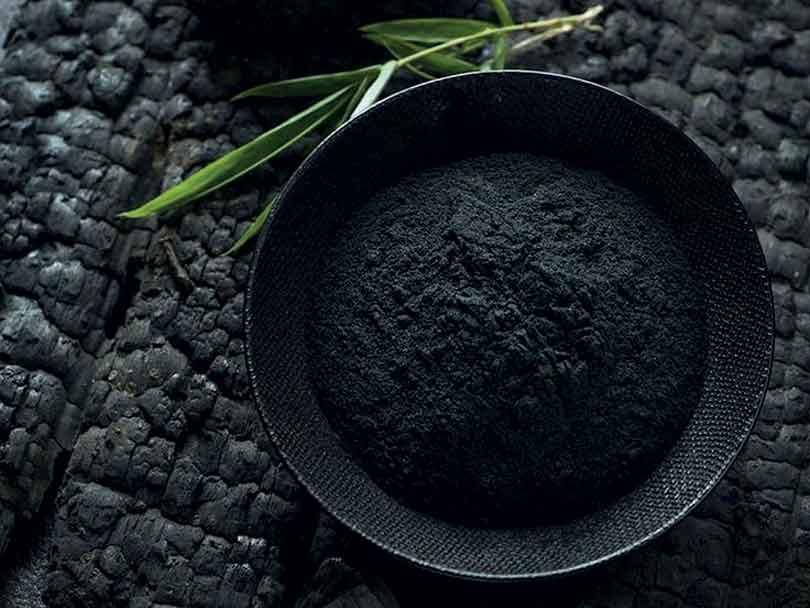
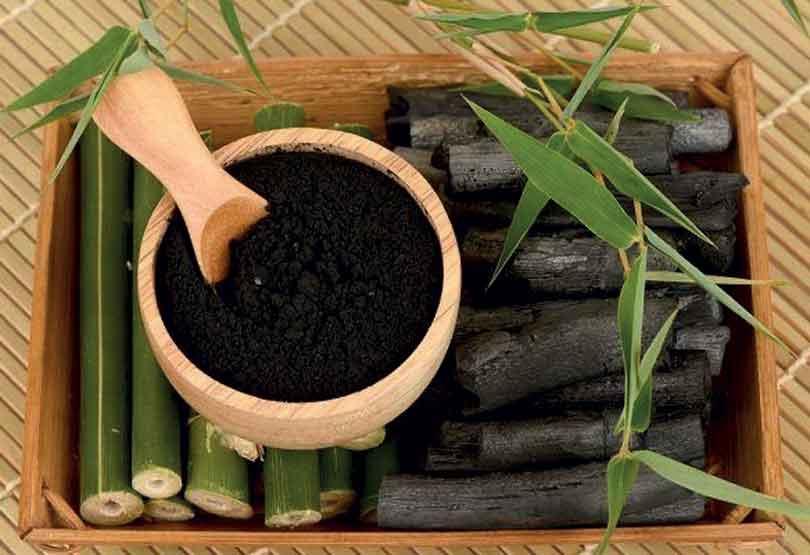
Oral hygiene, too, has ancient origins. Long before the invention of toothpaste, people used natural substances to clean their teeth. The Egyptians created a powder made from crushed eggshells, pumice, and ashes. In India, neem sticks and charcoal were used to scrub teeth and freshen breath, a practice still found in some rural areas today. Greeks and Romans used abrasive mixtures of crushed bones and oyster shells to polish their teeth.
The modern toothpaste emerged in the 19th century, evolving from tooth powders to pastes packaged in tubes. Ingredients like fluoride, baking soda, and mint flavoring were added for effectiveness and freshness. Today’s toothpastes not only clean teeth but also promise whitening, gum protection, and sensitivity relief. What was once a simple act of maintaining oral hygiene has now become a science-backed ritual with aesthetic appeal.
Skincare, too, has transformed over time. In ancient Egypt, both men and women used creams made from olive oil, beeswax, and milk to protect their skin from the harsh desert sun. The Greeks prized smooth, glowing skin and used honey, yogurt, and herbs for nourishment. In Asia, rice water and green tea were traditional beauty secrets that enhanced complexion and prevented aging.
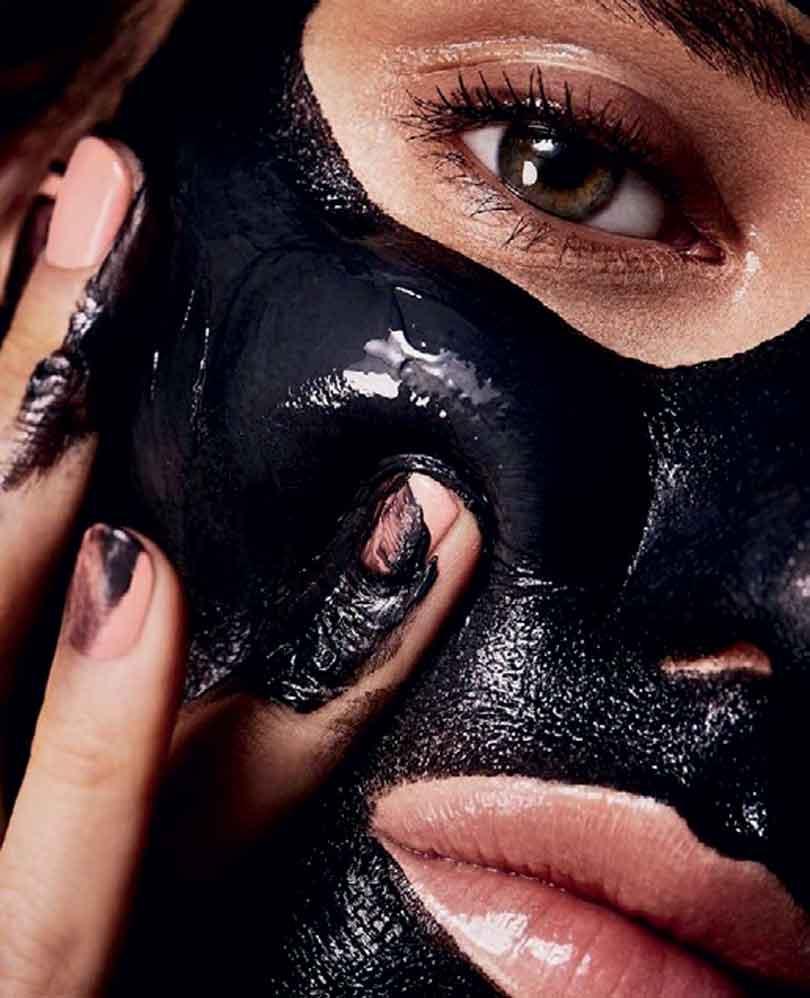
Modern creams are the result of advanced chemistry and dermatology. They come infused with vitamins, retinol, collagen, and SPF, addressing every skincare concern imaginable. Yet, many modern brands are now rediscovering ancient ingredients like aloe vera, turmeric, and coconut oil, a nod to the wisdom of natural beauty.
Though technology and commercialization have transformed personal care, the essence of these rituals remains rooted in human desire, to feel clean, confident, and beautiful. What began as simple mixtures of herbs, oils, and minerals has evolved into an industry worth billions; shaping lifestyles and cultures across the world.
Interestingly, there’s now a movement returning to nature. People are increasingly choosing organic, sustainable, and chemical-free products, echoing the very practices of our ancestors. It’s a full circle, from nature to laboratories, and back to nature again.
So, while we may reach for our favorite perfume, soap, toothpaste, or cream without much thought, each one carries a piece of history, a reminder that caring for ourselves is a timeless tradition, one that has evolved with civilization itself.