By Menusha Raveenthiran
Women in Sri Lanka today are studying more, earning more, and joining the workforce in larger numbers than ever before. From garment factories to corporate offices, from small businesses to government jobs, they are stepping into roles that bring pride, income, and independence. Many young women dream of careers, financial stability, and a better future for their families. Their contribution to the economy is growing annually, and their presence in the workforce is gradually transforming the image of the Sri Lankan woman.
However, behind this progress, a silent and painful reality is unfolding inside many homes. While women gain confidence outside, many of them lose safety inside. The walls that should protect them sometimes become the walls that conceal their suffering. Neighbours may not hear it. Families may not see it. Society often ignores it. However, for thousands of women, this hidden struggle is a reality.
Some arguments suggest that a woman's financial independence and empowerment through employment can reduce her vulnerability to domestic violence, as it grants her greater autonomy and negotiation power within the household. Moreover, it can lessen the husband's financial dependency on the household. However, numerous concerns lead to a backlash in households, stemming from traditional gender norms and the power of a patriarchal society, which can consequently increase domestic violence. This violence manifests as physical abuse, mental health issues, sexual abuse, pregnancy loss, and unplanned pregnancies. Furthermore, women who have been victims of domestic violence are more likely to seek employment than women who have not. Conversely, financially independent women are also more likely to exit abusive relationships, which may lead to divorce or a decrease in violence.
It follows that while women's employment has been linked to a reduction in domestic violence in developed countries, the incidence of domestic violence appears to have increased in developing countries, particularly in South Asia. Furthermore, working women from low-income backgrounds experience greater violence than women from wealthy households. Moreover, if a woman earns more than her partner, the level of violence, including emotional abuse and domestic violence, has been observed to rise.
A new study reveals that when women enter the workforce, domestic violence does not always decrease; in many cases, it increases. Researchers suggest this is not because women are doing anything wrong, but because some men feel threatened when the traditional balance of power in the home shifts. A woman earning money or gaining independence can cause tension in households where rigid gender expectations persist.
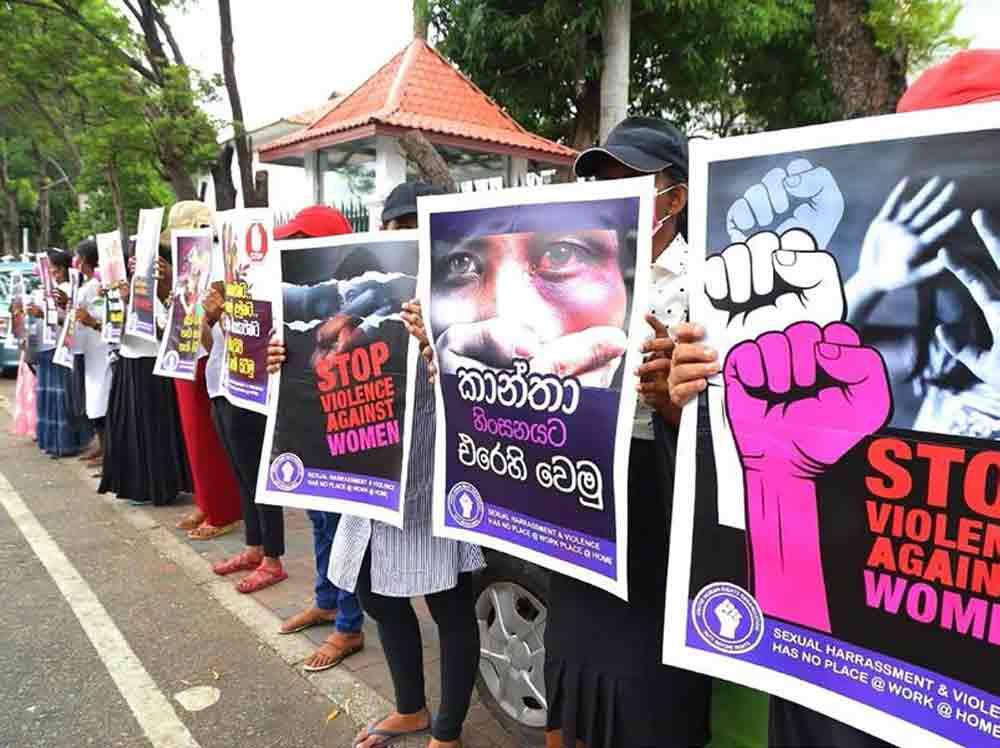
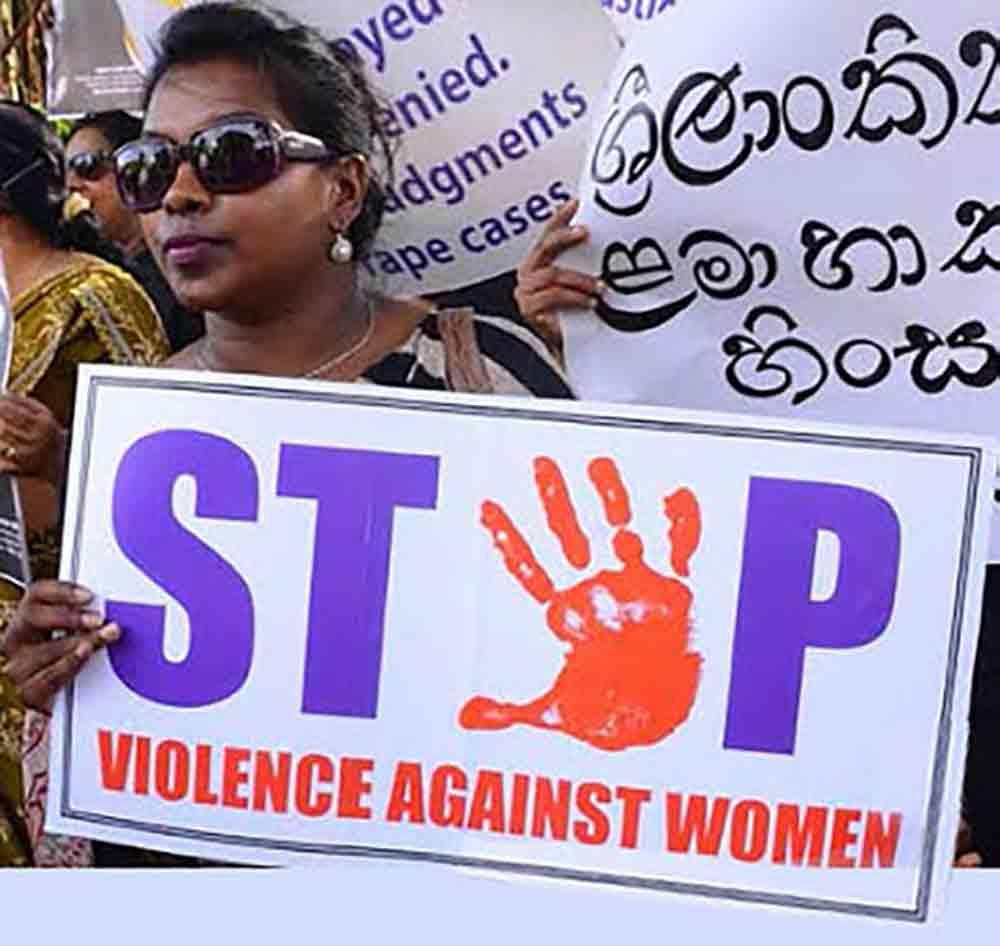
Domestic violence is an epidemic-level worldwide issue, an extreme example of gender inequity, and a violation of human rights. Approximately one in three women globally has at some point in their lives been the victim of physical or sexual abuse by their partners, and the percentage is significantly higher in developing nations (World Bank, 2015). Policy advocacy often focuses on providing women with employment options as a means of reducing domestic abuse. It is argued that employment can reduce violence by giving women more options and bargaining power outside the home and reducing household financial stress (Sanin, 2021). However, this strategy does not always improve women's well-being in the household.
One study found a 0.50 percentage point increase in the incidence of physical violence against women for every 1% increase in the male unemployment rate and a 0.52 percentage point decrease in the incidence of violence for every 1% increase in the female unemployment rate (Bhalotra et al., 2020). Therefore, better employment prospects for women may not necessarily raise the likelihood of them leaving their marriage. Rather, outside employment opportunities for women might threaten the primary male identity and entrenched gender stereotypes, which could trigger a backlash (Bhalotra et al., 2020). The research indicates that while increasing female economic empowerment reduced domestic violence in developed countries, the opposite reaction is observed in developing countries, where women are more likely to become victims of spousal abuse when their outside employment increases (Krishnan et al., 2010; Khan & Klasen, 2018).
Women from poor households are more likely to seek employment and experience abuse by their partners than those from wealthier backgrounds. According to Khan & Klasen (2018), if women have greater financial prospects than men, they will have more options outside the home and be less willing to tolerate abuse in the marriage, which will ultimately decrease the rate of violence. Zhang & Breunig (2023) researchers found that, in comparison to mean levels, women who earn more than their male partners experience a 20% rise in emotional abuse and a 33% increase in relationship violence. They demonstrate that a binary variable capturing "female breadwinning" is the most effective way to model the association between relative spouse income and abuse of female partners. The findings of Gedikli et al. (2023) demonstrate that women's probability of entering the workforce is positively correlated with intimate partner violence. If all additional variables are held constant, the likelihood of domestic abuse rises by 0.076, or 7.6, if a woman works for an income. This difference is statistically significant at the 1% level. This outcome appears to support the male backlash argument (Lenze & Klasen, 2016).
Conclusion
Working women's increased bargaining power, financial independence, and autonomy are undeniable factors within the household. However, research has discovered that domestic violence can increase after women begin working outside the home for pay. Women have experienced heightened mental health problems, sexual harassment, and physical abuse. Furthermore, domestic violence often ceases when a relationship ends or a divorce occurs. The core concern is that if increasing women's employment in the job market does not reduce domestic violence in the household but rather increases it, then the policy intended to empower women may be unintentionally placing them at greater risk.
To ensure that women's employment in Sri Lanka truly leads to independence rather than increased danger, the government must adopt an integrated approach. The core strategy, led by the Ministry of Women, must focus on stopping the male backlash at home by funding community programs that teach men that sharing domestic roles and supporting a woman's income is a benefit to the whole family, not a threat. At the same time, the government must build a stronger safety infrastructure. This means making essential support services like the 1938 Women's Helpline and legal aid easy to reach for working women who have limited free time. Furthermore, companies must be required to provide safe, confidential ways for women to report abuse. By tackling the social roots of violence and strengthening practical safety nets, employment can become a path to genuine equality.