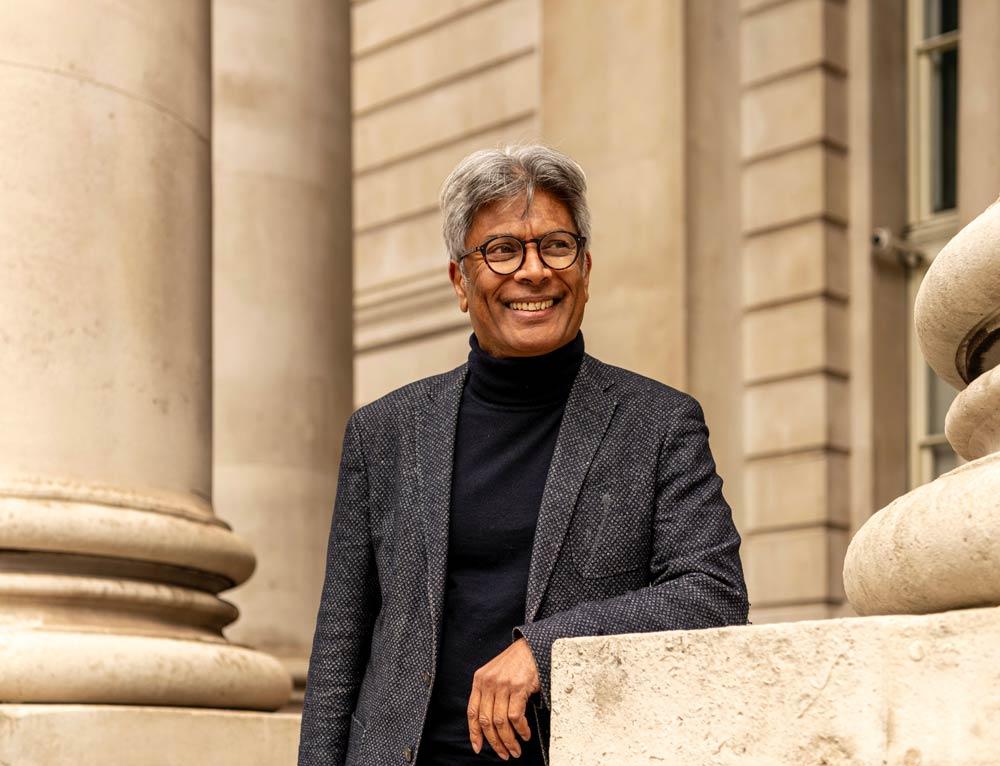
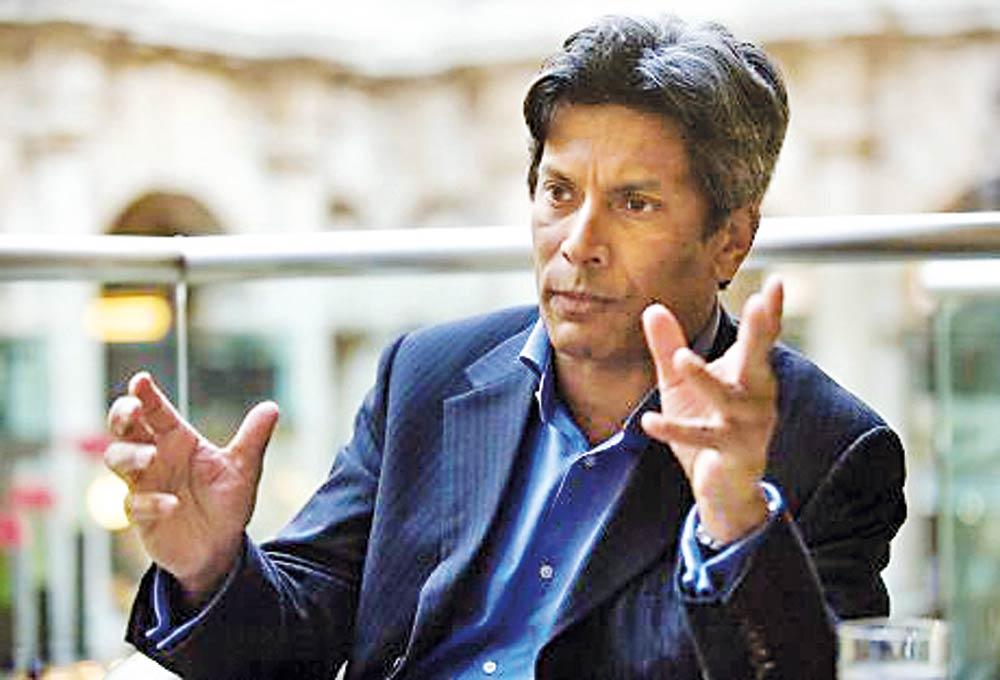
 When Des Gunewardena returned to Sri Lanka after nearly two decades, he found a country transformed, almost unrecognisable from the one he had left behind. Colombo’s gleaming expressway, its striking new skyline and its expanding collection of world-class hotels all reflected a capital with clear global ambitions. It was a fitting scene for someone who has spent his career shaping many of the world’s most celebrated dining and hospitality destinations.
Born in Kandy and educated in London, Des began his professional life in finance before partnering with Sir Terence Conran in 1991, helping build Conran Holdings into an international hospitality and design group with revenues of around £150 million. In 2006 he led the management buyout that created D&D London, going on to launch landmark establishments including Bluebird Chelsea, German Gymnasium, Quaglino’s, 14 Hills, 20 Stories and Queensyard in New York. In 2023 he founded D3 Collective, home to Engel Bar, a 1920s Berlin-inspired bar, and events space, and Jang, a fine-dining Korean Japanese restaurant. The group’s most ambitious project, Pillar Hall, will open in 2026. The venue is set within the magnificent 30,000 sq. ft Pillar Hall, a Grade II listed building which was the site of one of the first film screenings in Britain and hosted iconic fashion shows in the early 1980s such as Vivienne Westwood's first ever catwalk show. Pillar Hall will feature Idalia, a grand 300-cover all-day dining destination, Pepperbird, an intimate speakeasy drawing on Olympia’s musical heritage, and Upstairs at Pillar Hall, a 500-capacity live music and events space.
Recognised as one of London’s most influential figures in hospitality, Des brings a global perspective to Sri Lanka’s future. In this conversation he reflects on the island’s immense potential for tourism, investment and nation branding, and considers what it would take to position Sri Lanka among Asia’s most compelling destinations.
Q: You returned to Sri Lanka after nearly two decades; what are your first impressions of the country today compared to the Sri Lanka you left behind?
It feels almost unrecognisable, especially Colombo. The expressway from the airport to the city centre, the striking new skyline and the rise of luxury hotels all paint a picture of a dramatically transformed capital.
Q:You stayed at several leading properties from Colombo to Tangalle. How would you describe the evolution of Sri Lanka’s hospitality landscape through that experience?
The hotels I stayed in, Cinnamon Life in Colombo, Cape Weligama and Anantara Peace Haven in Tangalle, were all truly world-class. My sisters stayed at The Six in Tangalle, another remarkable and impressively ambitious property. Cinnamon Life, in particular, stands out as an extraordinarily forward-looking leisure development. It signals Colombo’s aspirations to become a genuinely global city for both business and tourism and reflects how far Sri Lanka’s hospitality sector has evolved.
Q:As someone who’s spent decades shaping London’s dining and hospitality scene, what struck you most about Sri Lanka’s service culture and guest experience today?
Sri Lanka may not yet offer the breadth and depth of culinary experiences you’d find in London, Paris or New York. However, the ingredients are very much in place for the country to establish itself as a significant, perhaps even the standout, foodie destination in South Asia, much in the way Peru has risen to global prominence in South America. Sri Lankan cuisine is already earning global award-winning recognition, and its potential is tremendous.
Q:Sri Lanka has endured a war, a pandemic, and an economic crisis in the span of two decades. What lessons do you think the country can draw from these experiences to build a more resilient economy?
I suppose the main lesson from the past 20 years is the importance of avoiding crises. Stability is essential; political stability, economic stability, and freedom from the repeated shocks that have held the country back. Equally important is having a realistic and robust plan for growth. Sri Lanka has enormous potential, but it is not yet as accessible or as straightforwardly pro-growth as somewhere like Dubai. As a result, it is not as immediately attractive to investors, which means that an ambitious “build it and they will come” strategy will only succeed if it is matched by an equally ambitious approach to attracting tourism and business.
Q:From an investor’s standpoint, what signals or reforms would you like to see that show Sri Lanka is truly back on its feet?
Investors seek sustainable long-term returns with an appropriate premium for risk. For overseas investors in particular, strong returns, currency stability, transparent legislation, and flexibility in repatriating profits are absolutely essential. No foreign investor will commit funds if the risk of profit erosion or currency depreciation remains high. A market that relies on investors who have already suffered significant currency-related losses will struggle to attract new investment. Major investments from non-financial investors require careful evaluation. Of course, if investors are driven by emotional or historic ties to Sri Lanka, that can be a positive factor. However, if the motivation is to exert political influence, both the government and companies should proceed with greater caution.
Q:Having seen global markets recover from crisis, what are the critical factors that separate countries that bounce back stronger from those that stagnate?
A positive political and economic outlook, and a clear plan for growth, are the qualities that define the major economies that have rebounded most successfully since Covid19. The UK and Europe have faced political turbulence and a persistently pessimistic narrative about their long-term prospects. India, by contrast, shows no such malaise. Post-Covid19 growth rates tell the story; the UK at around 5%, Europe at 6%, the US at 13%, and India at an impressive 30%.
Q:Tourism has long been touted as Sri Lanka’s fastest route to economic revival. Do you believe we’re leveraging the sector’s full potential?
Yes, tourism is an enormously powerful lever for economic growth, and it’s encouraging to see Sri Lanka’s visitor numbers recovering strongly to pre-Covid19 levels.
However, tourism spending remains roughly 40% below what it was before the pandemic. There is clearly tremendous potential still to be unlocked.
Q:What should Sri Lanka’s hospitality industry do differently to compete with destinations like Thailand, Vietnam, or Bali, which have built stronger international reputations?
For Sri Lanka to significantly increase tourism revenue, it must focus on attracting higher-spending visitors. Tourist numbers can also grow substantially without overwhelming the country, if that is a concern. Thailand, for instance, has a population only three and a half times larger than Sri Lanka’s, yet welcomes fifteen times more tourists. Meanwhile, an average visitor to Bali spends more than twice as much as a tourist spends in Sri Lanka. A combination of higher visitor numbers and higher-spending travellers could turbocharge Sri Lanka’s tourism earnings, lifting them from the current level of around 3.5 billion dollars a year to as much as 15 billion. To realize this potential, Sri Lanka must offer what travellers truly value. The fundamentals are already strong; the country’s history, natural beauty and culture are major attractions. What needs strengthening is the supporting infrastructure, such as more luxury hotels, a vibrant and distinctive restaurant scene, and better flight connectivity from major global markets, which is currently very weak. The United States is one of the world’s biggest sources of high-spending tourists. Thailand attracts around 850,000 American visitors annually; Sri Lanka receives only about 60,000. With the right strategy, Sri Lanka could also position itself as the food capital of South Asia. For anyone who doubts the power of cuisine in driving tourism, South America offers a compelling example. Between 2011 and 2016, tourism to Argentina remained flat, while tourism to Peru doubled from around 2.5 million to 5 million visitors. When I met the Mayor of Buenos Aires at a Cities International Conference in 2017, he told me that Peru’s extraordinary tourism boom was driven almost entirely by the global excitement around Peruvian food and its restaurants.
Q:How can Sri Lankan brands in tourism, from hotels to experiences, elevate themselves to appeal to the high-value, long-stay traveller rather than purely volume-driven tourism?
To attract high-spending leisure tourists, the fundamentals are clear; quality transport infrastructure, from flights to internal travel, alongside luxury hotels, excellent restaurants and plenty to see and do. It’s not complicated. Look at the Maldives; tourists there spend more than twice what they spend in Sri Lanka, largely because the experience is seamless; resorts, world-class, logistics, effortless – overall a truly premium offering. Business tourism is also a major source of high-value visitors. The drivers are similar, but logistics, accommodation and restaurants matter more than sightseeing. And winning business events is highly competitive and transactional. When I served on the Tourism Board in London, securing major sporting events and conferences was a core part of our work. For Sri Lanka, building Colombo’s reputation as a first-rate city for conferences would provide a significant boost to tourism revenues. Equally, developing Colombo into a destination where visitors want to spend two or three days, rather than immediately heading to the coast, would meaningfully increase the average length of stay and, therefore tourism income.
Q:Many argue Sri Lanka needs a unified destination narrative. In your opinion, what should that narrative be?
In my view, Sri Lanka should position itself as “the most exciting tourism destination in Asia,” a place with extraordinary history, breathtaking nature, beautiful beaches, a vibrant capital, fabulous hotels and outstanding food. But the key is getting others to say it; influential media, travel writers, tour operators. Their voices carry far more weight than any self-promotion. And for business, the message should be equally clear; Sri Lanka as “the best country in Asia to live, work and invest.”
Q:What lessons can Sri Lanka draw from your experience leading large-scale hospitality ventures in London in terms of regulation, transparency, and investor facilitation?
My perspective is shaped not only by personal experience of building my businesses but also by my advisory roles to promote investment and tourism to London, working closely with UK governments. Tourism is fundamentally about a great visitor experience and communicating that globally through storytelling, clarity of message and financial investment. Business tourism is highly competitive, so proposals must be sharply written and strategically aligned. Governments have a critical role to play. Singapore is the best example. Its tourism board is one of the most powerful in the world, reportedly spending around $100 million per year just to stage Formula One in order to boost tourism. Singapore reportedly more than recoups that investment through increased visitor revenues.
Q:Many countries have reinvented themselves through strong nation branding campaigns from “Incredible India” to “Pure New Zealand.” What kind of branding philosophy should Sri Lanka adopt?
A simple, compelling storyline can be incredibly effective, just look at the famous “I ♥ NY” campaign, which built one of the strongest city brands in the world. Sri Lanka adopting an overly ambitious slogan might not be the right approach at this stage. Something like “Paradise Isle” aligns far more closely with how the market already perceives the country and plays to its natural strengths. But if Sri Lanka wants to communicate a more forward-looking vision, Colombo as an emerging global city, new investment opportunities, a modern cultural and culinary identity, then a different narrative will be needed. That will require careful thought, creative development and a few solid brainstorming sessions to get it right.
Q:India is now one of Sri Lanka’s biggest tourism and trade partners. How can Sri Lanka deepen its relationship with India without losing its distinct identity?
India is a country of 1.8 billion people and the fastest-growing major economy in the world. That is why I am already in discussions with Indian developers and restaurant groups about potential launches in Mumbai in 2027/2028. Sri Lanka should recognise the scale of this opportunity. The country is perfectly positioned to attract investment and higher-spending tourism from India. An Indian businessman recently told me, “Sri Lanka has the potential to be the playground for wealthy Indians, because of its beauty and its overall appeal as a destination.” The challenge for Sri Lanka is to capture substantial economic benefits from India’s remarkable growth while still preserving its own cultural identity.
Q:Do you see a potential for more Sri Lanka–India joint ventures in hospitality, real estate, and entertainment?
Yes, I see significant opportunities for Sri Lanka, especially through partnerships and joint ventures with high-quality Indian firms. Across India, Europe, the US and the Middle East, I’m seeing major developments being planned, and Sri Lanka, particularly Colombo, has the potential to position itself as the jewel of South Asia. Alongside India’s growth, there is a clear opportunity for Colombo to carve out a complementary identity; Mumbai for business, Colombo for business and pleasure.
Q:Having seen Port City Colombo firsthand, do you believe it has the potential to transform Colombo into a regional hub, or do you think it risks becoming a missed opportunity?
Port City Colombo has the potential to transform the capital, but this will not happen overnight. It must be supported by a determined, high-impact strategy to attract both large-scale investment and higher-spending tourism. For this to succeed, the government and the private sector need to work together, aligned on shared objectives rather than competing priorities.
Q:Finally, if you could advise Sri Lanka’s next generation of entrepreneurs and policymakers on one thing, to make this country truly world-class, what would it be?
My advice would be to think globally, aim high, pursue your ambitions with real determination, and learn from the best. Policymakers have a crucial role to play in building the infrastructure and environment that allow entrepreneurs and investors to flourish. And if Sri Lanka believes this is a lofty pipedream, it only needs to look at Singapore, one of the most dynamic and influential city-states in the world, with a population just a quarter the size of Sri Lanka’s.
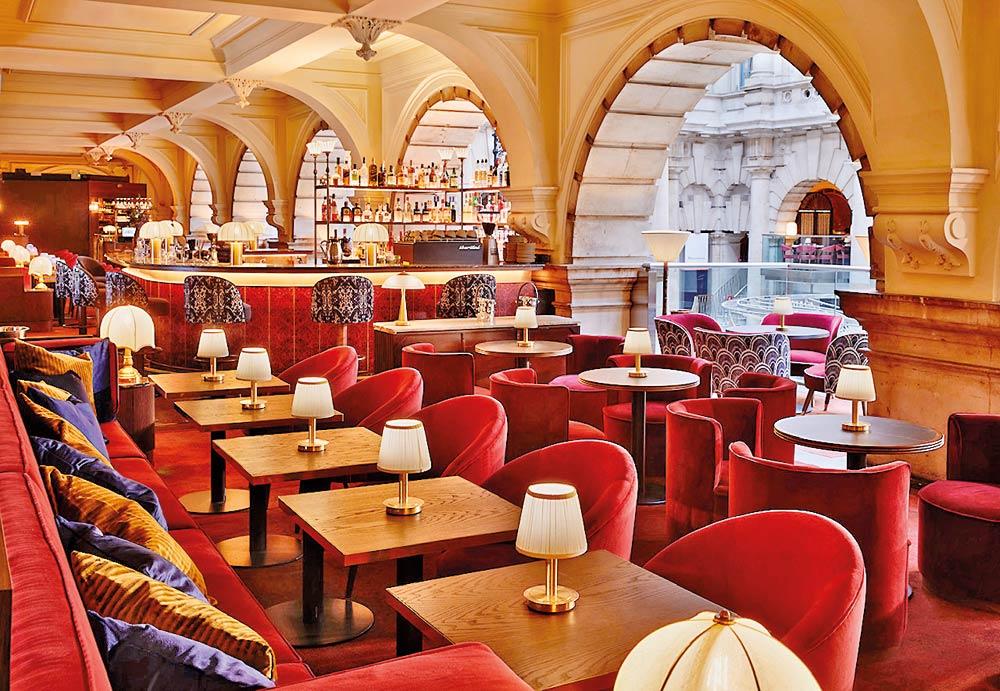
Engel, Royal Exchange
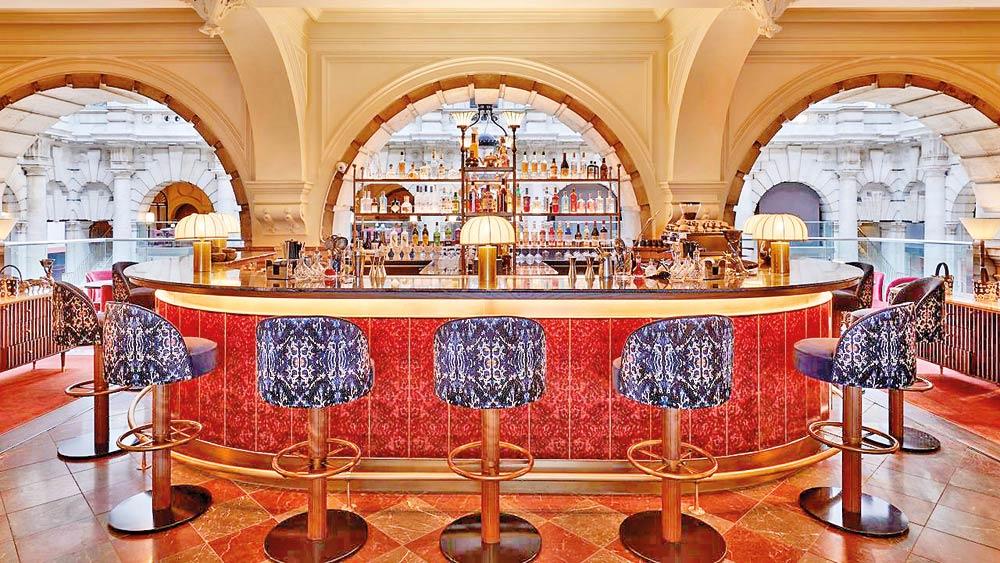
Engel
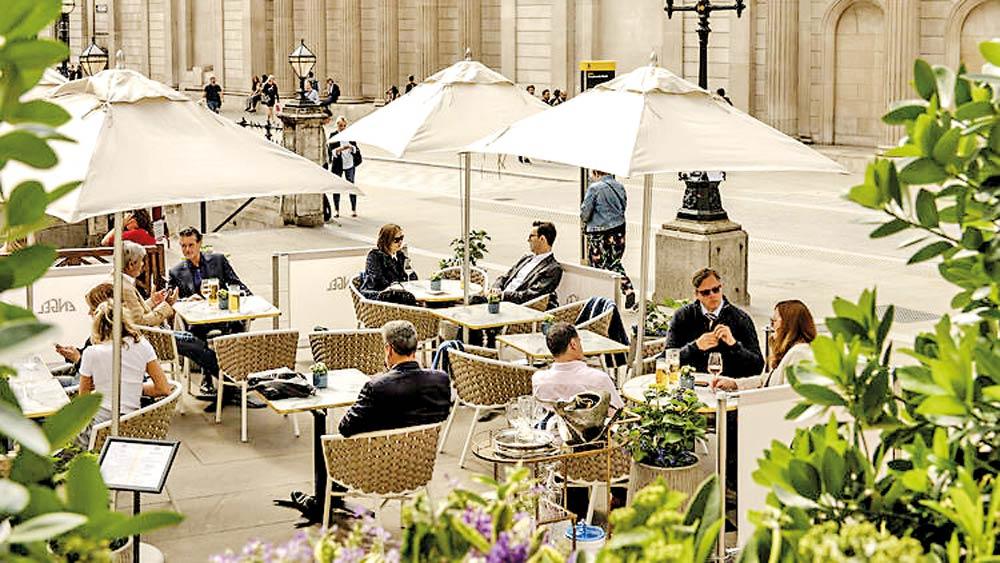
The Engel Terrace
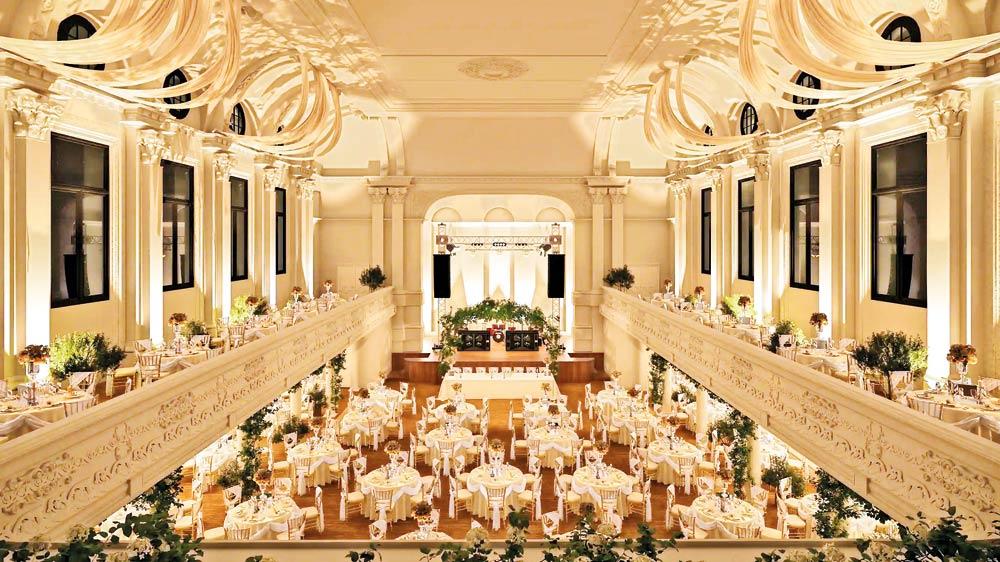
Upstairs at Pillar Hall
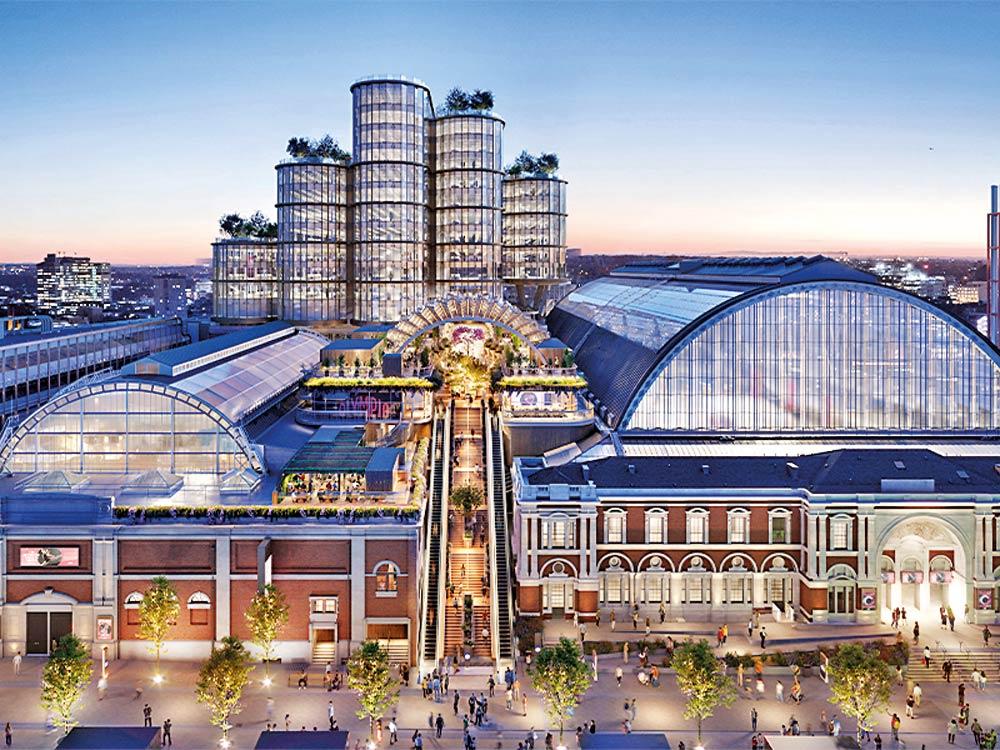
Pillar Hall, Kensington Olympia
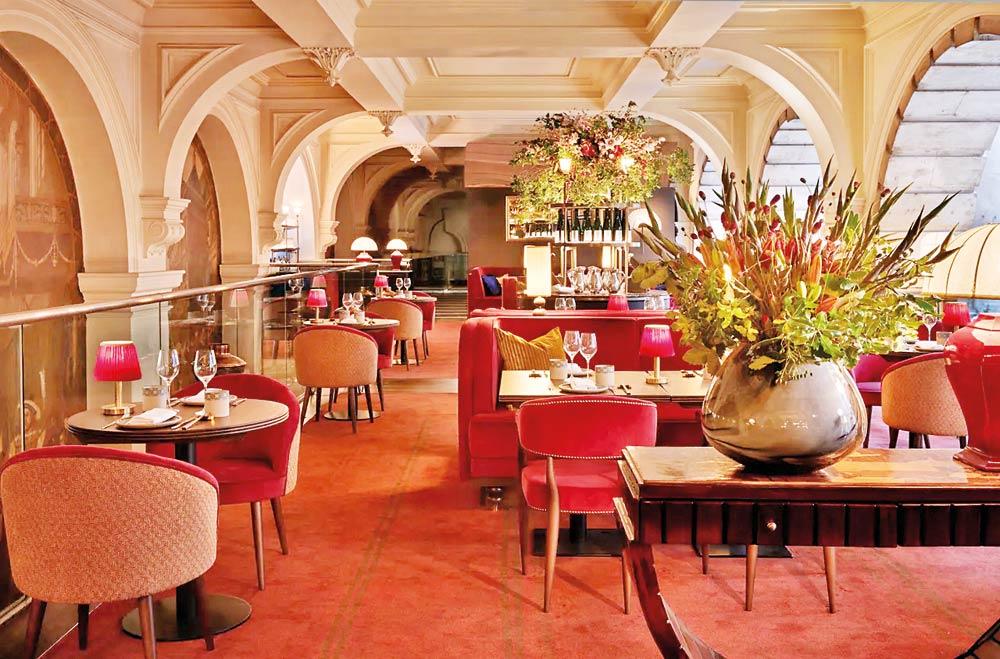
Jang, Royal Exchange