The Story Behind Sri Lanka’s Independence Day
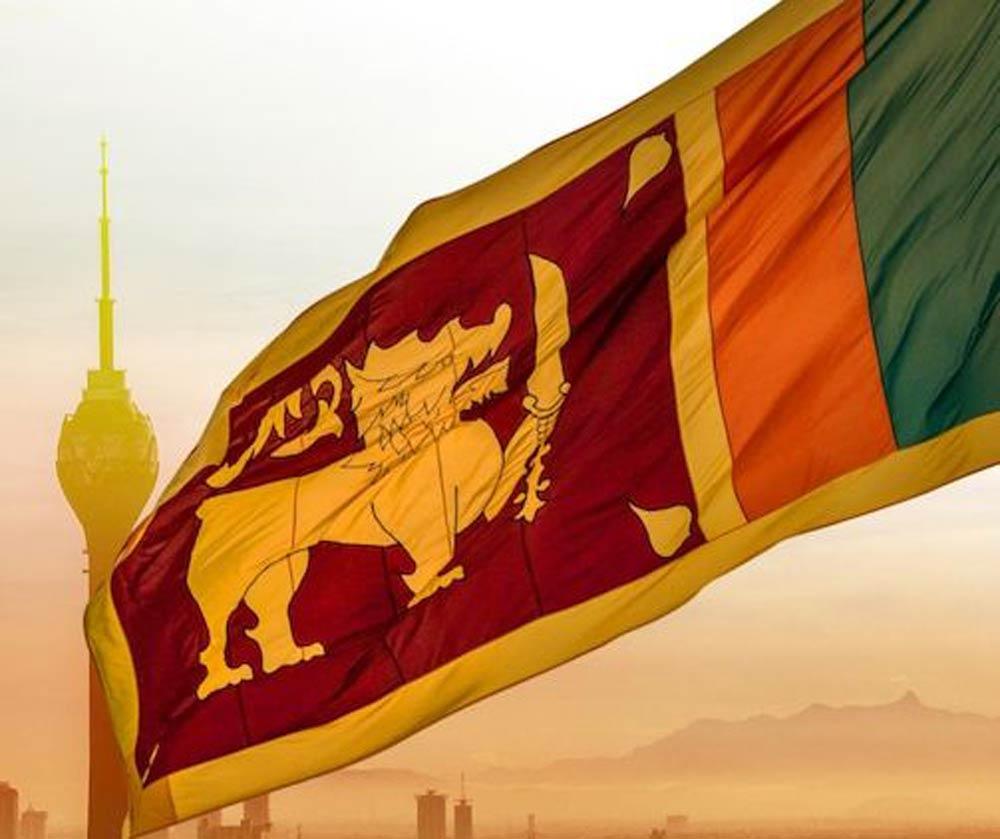
Independence Day is one of the most meaningful national occasions in Sri Lanka, observed each year on 4 February. It marks the moment in 1948 when the country gained political independence from British colonial rule and began a new chapter as a self-governing nation. For Sri Lankans, the day is not only a reminder of freedom achieved through determination and leadership, but also a celebration of identity, heritage, and national pride. Across the island, people gather to honour the past, recognize the sacrifices of earlier generations, and reflect on the responsibilities that come with sovereignty.
 Every year, Independence Day is commemorated with ceremonies and celebrations that highlight both the political significance of the event and the cultural richness of the nation. The day typically includes flag hoisting, parades, traditional dancing, and performances that represent the diversity of Sri Lankan culture. Communities in cities, towns, and villages participate in their own local celebrations, creating an atmosphere of shared pride and remembrance. While the holiday is recognized throughout the country, the central and most widely viewed ceremony takes place in Colombo, the commercial capital. At this national event, the President raises the Sri Lankan flag and delivers a speech broadcast to the nation. This address often reflects on the country’s historical journey, its achievements, and its hopes for the future.
Sri Lanka’s road to independence was shaped by a strong political movement that emerged gradually and gained momentum during the early twentieth century. Unlike many struggles for independence around the world that were defined by armed conflict, Sri Lanka’s movement was largely peaceful and driven by political negotiation, advocacy, and civic engagement. The push for self-rule was initiated primarily by members of the educated middle class, many of whom had access to political ideas and administrative experience through colonial institutions. They believed that independence could be achieved through reform, representation, and dialogue rather than violence. Their efforts helped build a political foundation that eventually made independence possible.
The culmination of this long journey arrived on 4 February 1948, when Ceylon, the name used for the island during the colonial era, was granted independence as a dominion within the British Commonwealth. This status meant that the country gained self-government in internal affairs while still recognizing the British monarch as the official head of state. Although it was not full republican independence at the time, it represented a major turning point and a significant achievement for those who had worked tirelessly for political freedom. With this change, the nation gained the authority to govern itself and shape its own policies, laying the groundwork for future developments in its political system.
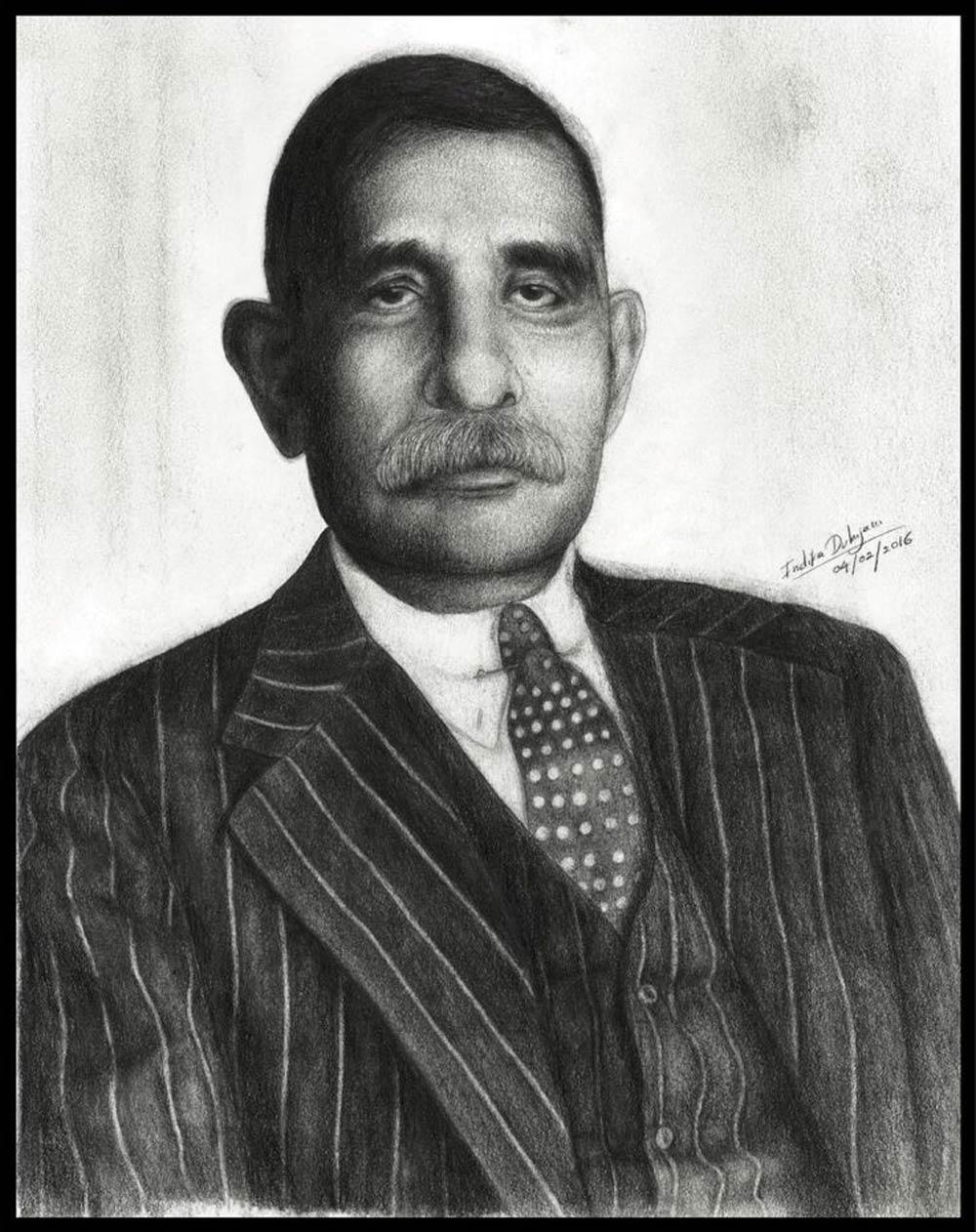
One of the most important figures associated with Sri Lanka’s independence is Don Stephen Senanayake, commonly known as D.S. Senanayake. He became the first Prime Minister of independent Ceylon and is widely remembered as the Father of the Nation. Senanayake played a key role in negotiating with the British and guiding the country through the transition from colonial administration to self-rule. His leadership was marked by pragmatism and a focus on stability, aiming to ensure that independence would be achieved without unnecessary disruption. Under his guidance, the country entered a new era of governance while maintaining continuity in administration and national development.
At the time of independence, although Ceylon had its own elected leaders, the legal head of state remained the British monarch. The monarch’s representative in Ceylon was the governor general, who carried out ceremonial duties and served as a constitutional figurehead. This arrangement reflected the dominion model used by several former British colonies, where internal self-government existed alongside continued symbolic ties to the British Crown. The governor general’s role was largely ceremonial, but it represented the fact that the nation’s constitutional independence was still evolving.
The constitutional framework of newly independent Ceylon was designed to balance self-governance with political stability and familiar administrative structures. The 1947 Constitution established a parliamentary system with a bicameral legislature. This included the House of Representatives, which was elected by the people, and the Senate, which was made up of members who were partly nominated and partly indirectly elected. The prime minister and cabinet held executive authority and were responsible for leading the government. The governor general represented the monarch and performed duties connected to constitutional processes. This system was influenced by British political traditions, yet it allowed Ceylon to operate as a self-governing state with increasing control over its own affairs.
Independence did not happen in isolation, and Sri Lanka’s experience of colonial rule had a long and complex history that spanned several centuries. European involvement on the island began in the sixteenth century with the arrival of the Portuguese. Their presence introduced new political and economic pressures and marked the beginning of a long period of foreign intervention. In the seventeenth century, the Dutch replaced the Portuguese in many coastal regions, establishing their own system of control and influence. Eventually, the British became the dominant colonial power, taking control over the island and formally establishing it as the colony of Ceylon. By 1815, the British had gained authority over the entire island, including the Kandyan Kingdom, bringing Sri Lanka fully under British rule.
British colonial governance had a lasting impact on the country. Over more than a century, the British introduced administrative and legal structures that shaped public institutions and governance. They also influenced economic systems, particularly through plantation agriculture and trade networks that tied the island to global markets. While colonial development included infrastructure and institutional changes, it also created inequalities and reinforced foreign dominance. Many Sri Lankans experienced restrictions on political power and economic opportunity under colonial rule, which contributed to the growing desire for self-determination. Despite these challenges, the independence movement that emerged remained largely committed to peaceful political progress and gradual reform.
Several key leaders played important roles in shaping the independence movement and inspiring public support for national freedom. D.S. Senanayake was central in securing independence through negotiation, but he was not alone in influencing the national vision. Sir Ponnambalam Arunachalam was a respected statesman and intellectual who contributed to political development and encouraged greater representation for Sri Lankans in governance. Anagarika Dharmapala was another influential figure whose work inspired cultural and national consciousness. He encouraged pride in Sri Lankan heritage and helped shape ideas about identity, reform, and self-respect. Together, leaders like these helped lay the ideological and political foundation for independence, creating a strong sense of purpose and unity among those who sought self-rule.
Following independence in 1948, Sri Lanka continued to develop its national institutions and strengthen its political identity. Independence Day celebrations gradually became an established tradition, blending formal state ceremonies with cultural expression. The holiday came to represent more than a historical date. It became a symbol of unity and a reminder of the struggles and achievements that led to national freedom. The flag hoisting ceremonies and military parades highlighted the strength of the nation and the pride of its people. Cultural performances, including traditional dance and music, celebrated the heritage that makes Sri Lanka unique. Speeches delivered by national leaders often emphasize both the importance of remembering history and the need to work together for the future.
 Even after gaining independence, Sri Lanka’s constitutional development continued. The country functioned as a self-governing dominion with a parliamentary system that reflected British conventions. The prime minister and cabinet were accountable to the legislature, and the governor general remained in place as the representative of the monarch. This structure allowed the nation to govern itself while maintaining a connection to the Commonwealth framework. Over time, however, there was a growing desire to fully redefine the nation’s political identity and remove the remaining colonial symbols in governance. The push toward becoming a republic reflected the belief that true sovereignty required a head of state chosen within the country rather than represented through a foreign monarchy.
This transition reached its most significant milestone in 1972. On 22 May 1972, Ceylon officially became a republic, adopting a new constitution and changing its name to Sri Lanka. The shift marked a major transformation in national identity and governance. The position of governor general was abolished, and a President became the head of state. This change symbolized the final step away from colonial ties and confirmed Sri Lanka’s status as a fully sovereign republic. William Gopallawa was sworn in as the first President, representing the new era of republican governance. In the early period of the republic, the presidency was largely ceremonial, while the political system continued to evolve in response to the needs of the nation.
The establishment of the republic was not simply a change in titles or structures. It represented a deeper effort to define Sri Lanka’s future on its own terms. It also reflected the nation’s growing confidence in shaping its identity beyond the colonial legacy. While the influence of colonial history remained present in institutions and systems, the move toward a republic signalled a commitment to independent governance, national pride, and self-determination. Independence Day, therefore, came to represent both the achievement of 1948 and the continuing process of strengthening sovereignty and national unity.
Today, Independence Day remains a deeply symbolic occasion for Sri Lankans. It is a time to honour those who worked for political freedom and to recognize the leadership that helped guide the country toward independence. Figures such as D.S. Senanayake continue to be remembered for their crucial contributions, and the nation’s independence story is taught and discussed as a defining part of Sri Lanka’s history. The holiday also reminds citizens that independence is not only about freedom from foreign rule but also about responsibility, unity, and national progress.
Across the country, schools, government institutions, and community organizations take part in Independence Day observances. Students often perform songs, dramas, and cultural displays that reflect national history and pride. Government offices and public spaces are decorated with national flags, and people express greetings and messages of unity. These celebrations help reinforce the importance of national identity and encourage citizens to reflect on the values that independence represents. In Colombo, the central ceremony continues to serve as the most prominent national event, bringing together political leaders, military representatives, cultural performers, and members of the public in a display of national pride.
Independence Day is also a reminder of Sri Lanka’s diversity. The island is home to a range of cultures, religions, languages, and traditions, all of which contribute to the nation’s identity. Cultural performances during Independence Day celebrations often highlight this richness, showing that national pride is strengthened through inclusion and shared heritage. The holiday serves as an opportunity to promote unity and resilience, especially in a country that has faced challenges and transformations over time. By remembering the journey to independence, Sri Lankans are encouraged to value cooperation and work toward a stronger future together.
Ultimately, Independence Day is more than a celebration of a single historical event. It is a reflection of the long journey that allowed Sri Lanka to emerge as a self-governing nation and later a republic. It honours the efforts of visionary leaders and the dedication of citizens who believed in self-rule. It also celebrates the unity and cultural heritage of the people, reminding the nation of the strength found in shared identity and collective memory. Each year, as the flag is raised and the country reflects on its past, Independence Day stands as a tribute to freedom, resilience, and the continuing story of Sri Lanka’s independence.