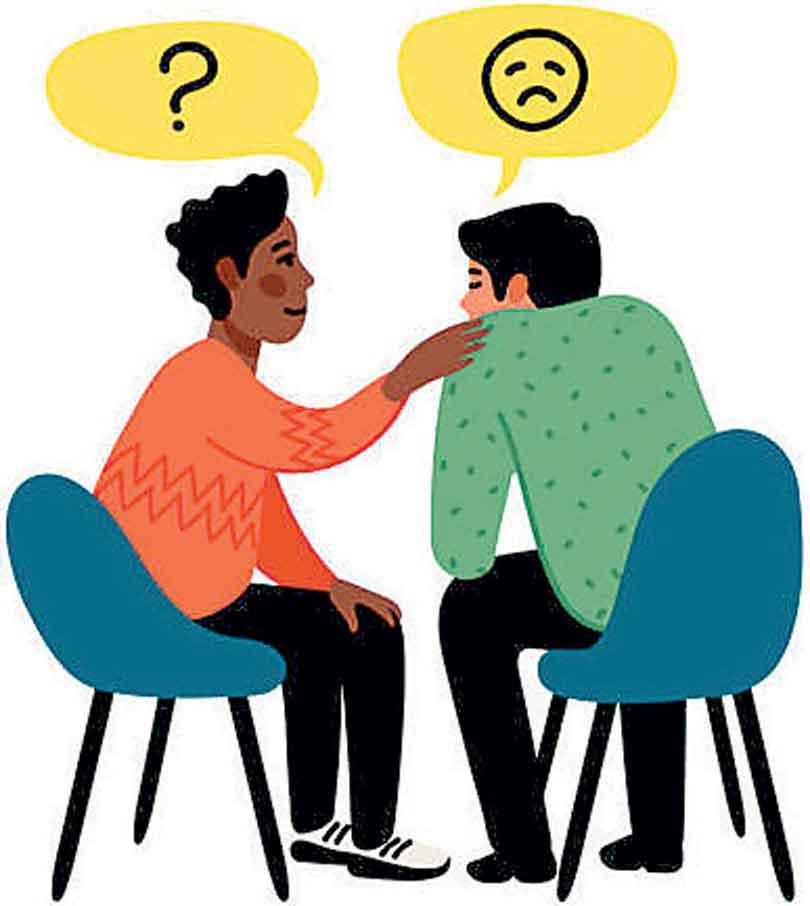
We all know a “strong friend.” The one who holds everything together, keeps everyone calm, listens without judgment, and somehow manages to show up even when life is pulling them in a thousand directions. To the outside world, they look collected, capable, and unshakeable. But the truth is, the strong friend is often the one carrying the heaviest, quietest weight.
Most people don’t realize that this role isn’t something the strong friend chooses, it’s something that gradually forms around them. They become the go-to person because they seem stable. They offer solutions because they’ve learned to survive their own storms. They’re the shoulder everyone cries on because they always know what to say.
But what I believe that most of us fail to see is how exhausting that can be. When you’re always the one others lean on, you rarely get the chance to lean on anybody else. Strong friends get used to swallowing their own stress, hiding their disappointments, and managing their emotions alone. They want to be dependable, but sometimes that dependability becomes a burden they can’t put down.
We assume they’re fine because they look fine. We assume they don’t need checking on because they never ask for help. We assume they’re okay because they’ve survived every crisis so far. But strength is not the absence of struggle, it’s the ability to keep going while struggling. And even the strongest people get tired, overwhelmed, and emotionally drained.
Being the strong friend can feel lonely. Not because there’s a lack of people around you, but because there’s a lack of space for you. You learn to be the listener, not the talker. The helper, not the one who needs help. You learn to keep your voice small because everyone else’s feels louder. Sometimes, you don’t even know how to ask for support anymore. It becomes easier to say “I’m okay” even when you’re quietly falling apart.
There’s also a pressure that comes with this identity. When everyone sees you as the stable one, the wise one, the emotionally mature one, it becomes harder to show your cracks. You worry that if you break, others will break with you. You fear that if you say you’re struggling, people will be disappointed or confused. So you keep performing strength even when it doesn’t feel real.
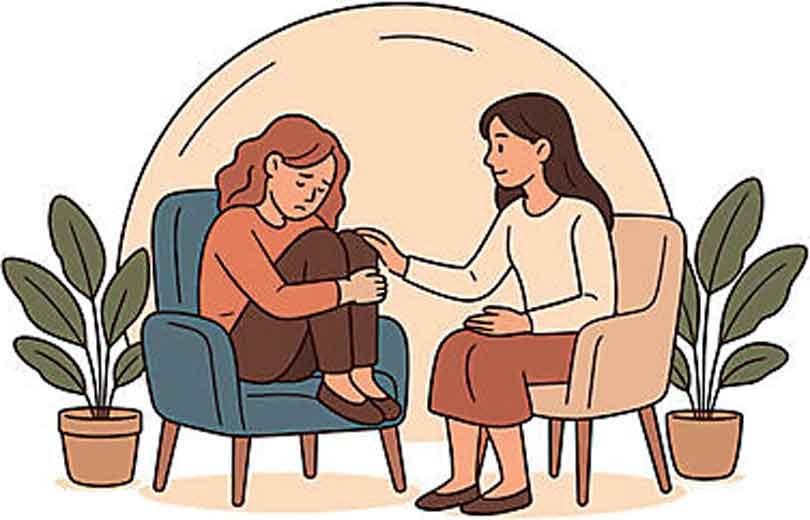
But strong friends deserve softness too. They deserve comfort, reassurance, and someone who checks on them without waiting for a crisis. They deserve moments where they don’t have to be composed or responsible or “the mature one.” They deserve space to be vulnerable, emotional, and imperfect.
If you’re the strong friend, here’s something you need to hear: you’re allowed to put the weight down. You don’t have to stay strong for everyone while you’re silently falling apart. You don’t have to fix everything. You don’t have to be the stable one all the time. Because you’re human before you’re strong.
Let yourself rest. Let yourself be cared for. Let yourself be honest when you’re not okay. The people who truly love you won’t see your weakness; they’ll see your humanity. And they’ll show up for you the way you’ve always shown up for them.
Strength is not just holding everyone together. Strength is also knowing when to let others hold you. And you deserve that softness, that safety, and that support, because even the strongest hearts need a place to land.