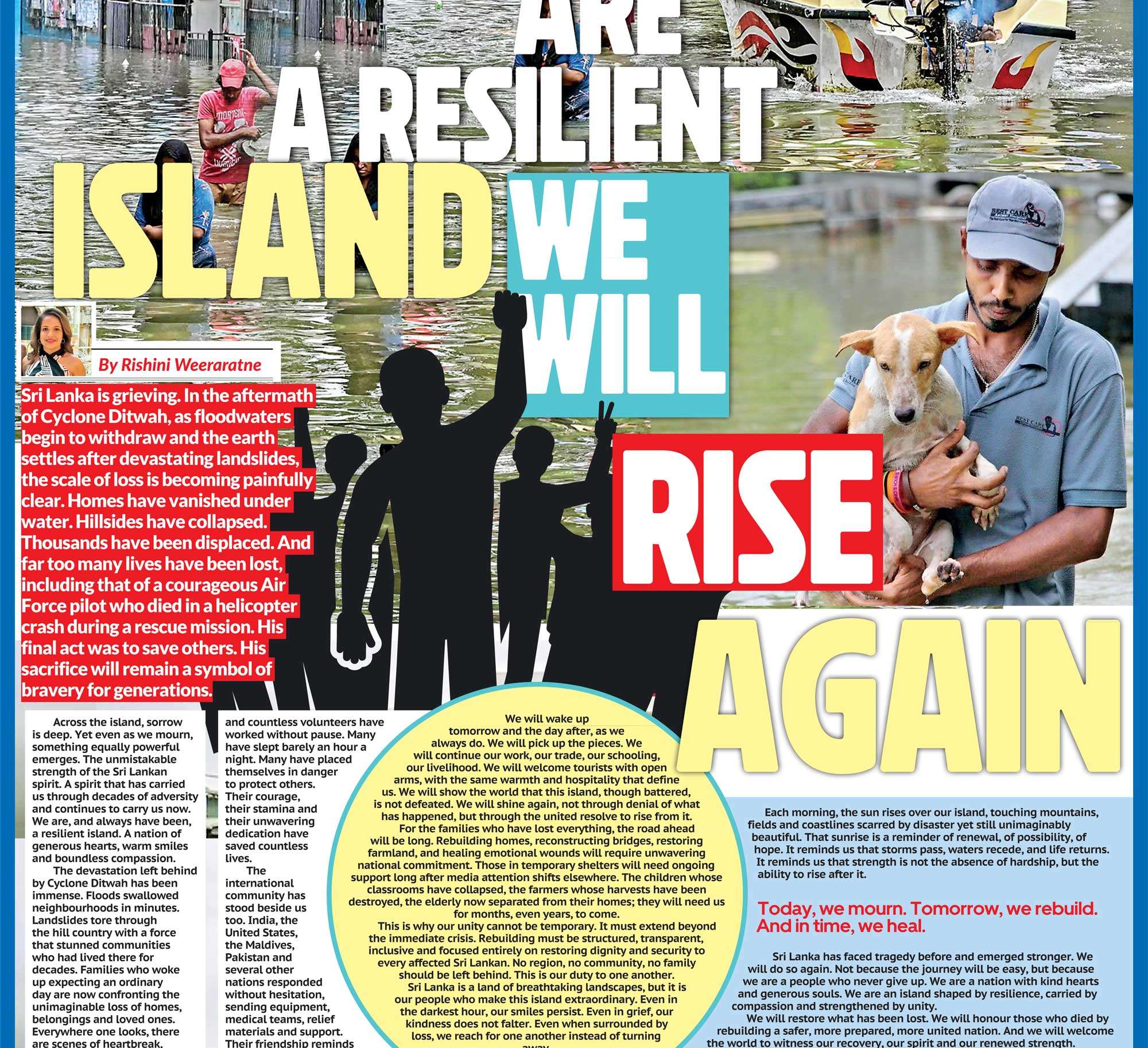
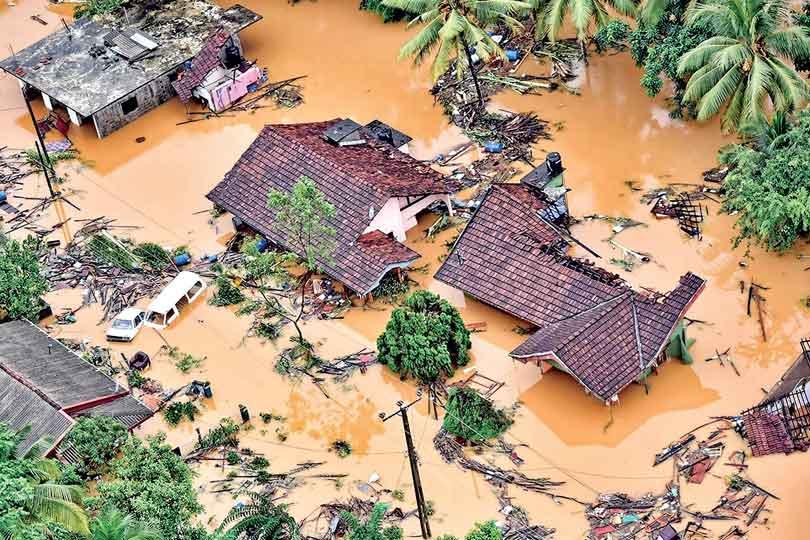
 There’s a quiet devastation sweeping across Sri Lanka right now, one that doesn’t always show in numbers, but in empty homes, broken livelihoods, and dreams washed away by water. The recent flooding didn’t just drown roads and fields. It drowned stability. It drowned normalcy. It drowned the small comforts people fought so hard to build during already difficult years.
When Homes Became Islands
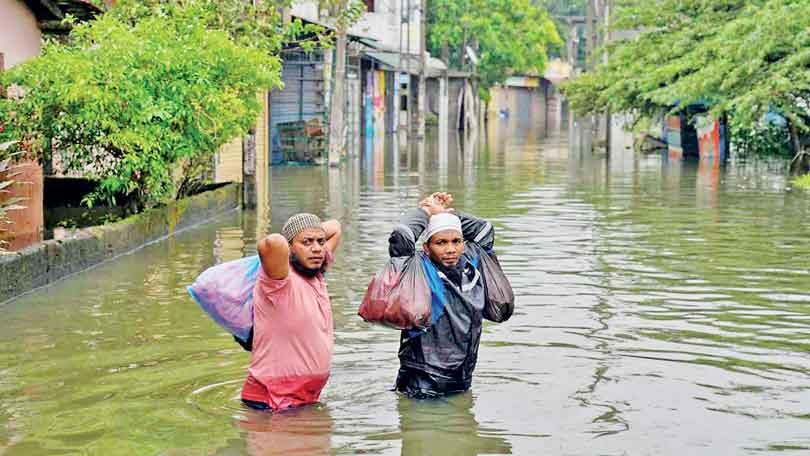
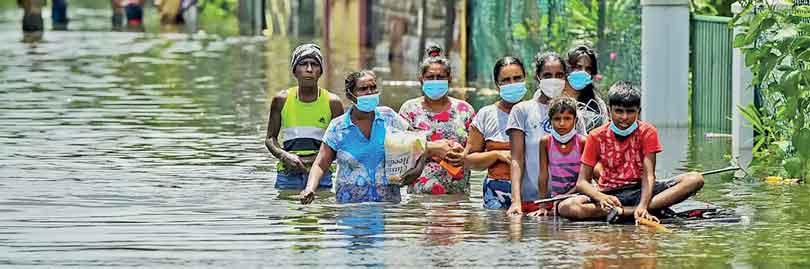
For thousands, home turned into something unrecognisable overnight. Families climbed onto tables as water rose. Parents held children on their shoulders. People watched cherished belongings float away not because they didn’t care, but because there was no time to save anything. Some areas had water up to the roofs. Others had entire neighbourhoods cut off, turning familiar streets into islands. Boats replaced buses. Community halls replaced bedrooms. In some districts, people spent days waiting for rescue boats, stranded on higher floors of their houses. And the heart-breaking part? Many of these homes had only just been repaired after previous floods.
Loss beyond the Waterline
Floods don’t just break property, they break the rhythm of life. Daily-wage workers can’t earn. Small shops lose stock. Farmers lose entire seasons to waterlogged fields. Students lose books, notes, uniforms. One mother said, “I didn’t cry when the house flooded. I cried when my children asked if school will start again.” And while relief packs help for a few days, the long-term reality is much heavier: rebuilding costs money people simply do not have.
The Hidden Emotional Damage
Long after the water drains, the fear remains. Children wake up frightened by the sound of heavy rain. Parents panic when water rises even an inch. Families feel the uncertainty of not knowing if they’ll ever feel safe inside their own homes again. And no hotline or disaster report measures this kind of trauma. This part of the story is often forgotten, the emotional wounds that stay long after walls dry and roads reopen.
Stories From the Floods
• A father in Gampaha spent the night holding his infant above his head because the water reached his chest. He said, “My arms were shaking, but I wasn’t letting go.”
• A shop owner in Kelaniya watched the water swallow his entire stock. He whispered, “Twelve years of work… gone in fifteen minutes.”
• A university student in Kaduwela lost her laptop, books, research notes — everything. She said, “I didn’t cry about the things. I cried because of how hard I worked to buy them.”
These are the real stories, the quiet struggles behind the headlines.
What Needs to Change — Seriously
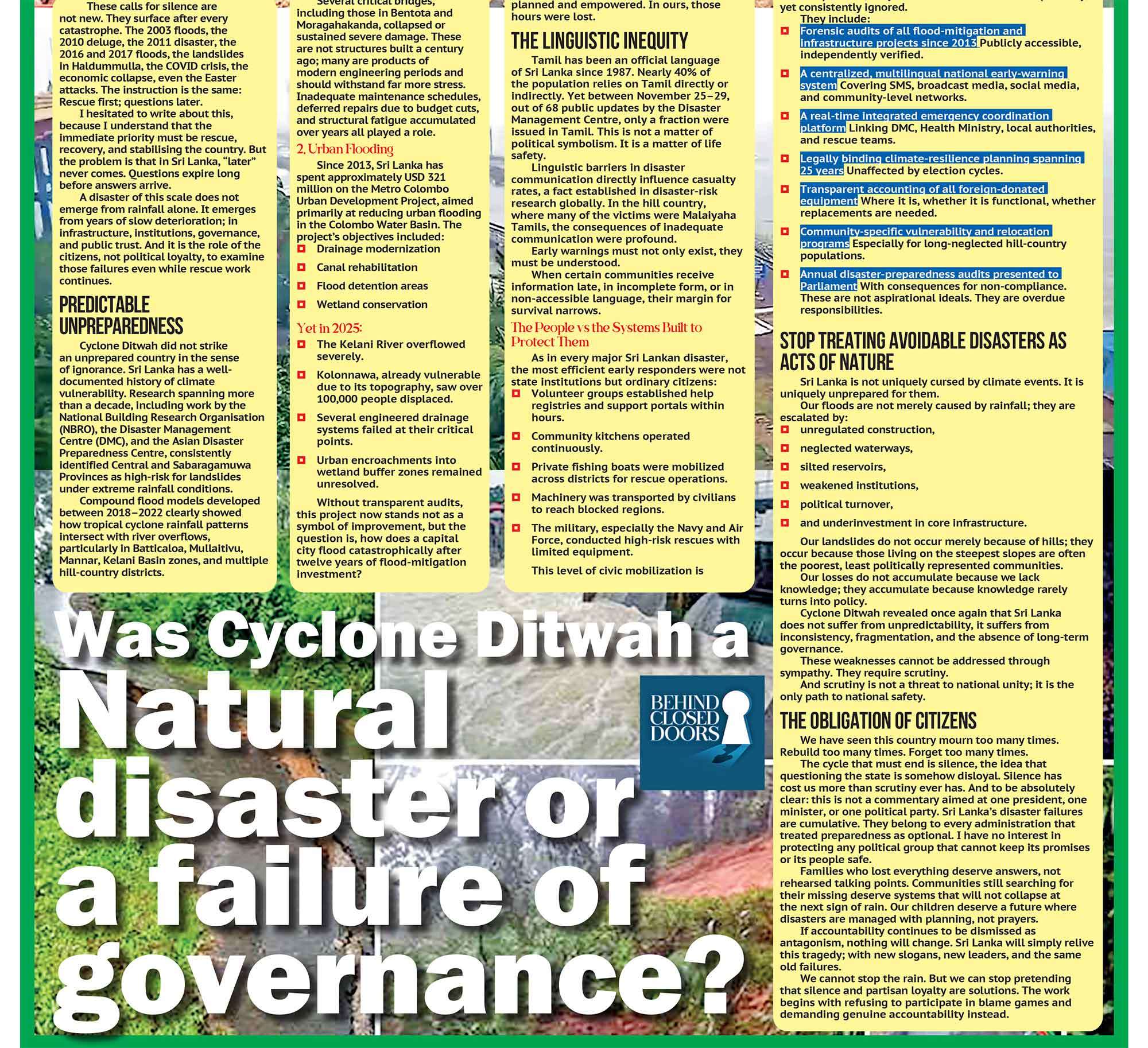
Sri Lanka can’t keep rebuilding the same way and expecting new results.
Climate change is no longer a “future problem.” It’s here. It’s now. And it’s hitting the most vulnerable the hardest.
We need:
• stronger drainage systems
• better town planning
• proper relocation plans for flood-prone areas
• rain-resilient infrastructure
• faster emergency response systems
• mental-health support for families who lost everything
This isn’t about politics. It’s about survival.
Hope in the Hardest Places
Even in disaster, Sri Lankans remain who they’ve always been, people who show up for each other. Teenagers waded through waist-deep water to deliver food packs. Strangers opened their homes to entire families. Volunteers cooked meals for people they’d never met. If anything is stronger than the floodwaters, it’s the way this country refuses to abandon each other.
The Road Ahead
Recovery won’t be fast. It won’t be simple. And for many, it won’t be fair. But if we rebuild smarter and with compassion, we can create a future where disasters don’t destroy lives the way they just did. Because at the end of the day, this isn’t a story about water. It’s a story about people. About loss, fear, resilience and the hope that rises even when everything else sinks. And maybe that’s the real lesson this disaster leaves behind that we can’t control the storms, but we can control how we show up for each other. Sri Lanka has been bent, shaken, and soaked, but it has not broken. And as the waters slowly fade, the strength of its people is what will rise first.
In the coming weeks, the news cycle will move on, but the people affected won’t. They’ll still be sweeping mud out of their living rooms, still trying to replace what they lost, still trying to feel safe again every time it rains. Recovery is not just rebuilding walls its rebuilding confidence, stability, and the simple feeling of “normal.” And that takes time. It takes help. It takes all of us. Because even if the floods washed away so much, they also reminded us of something powerful: Sri Lanka stands strongest when it stands together.