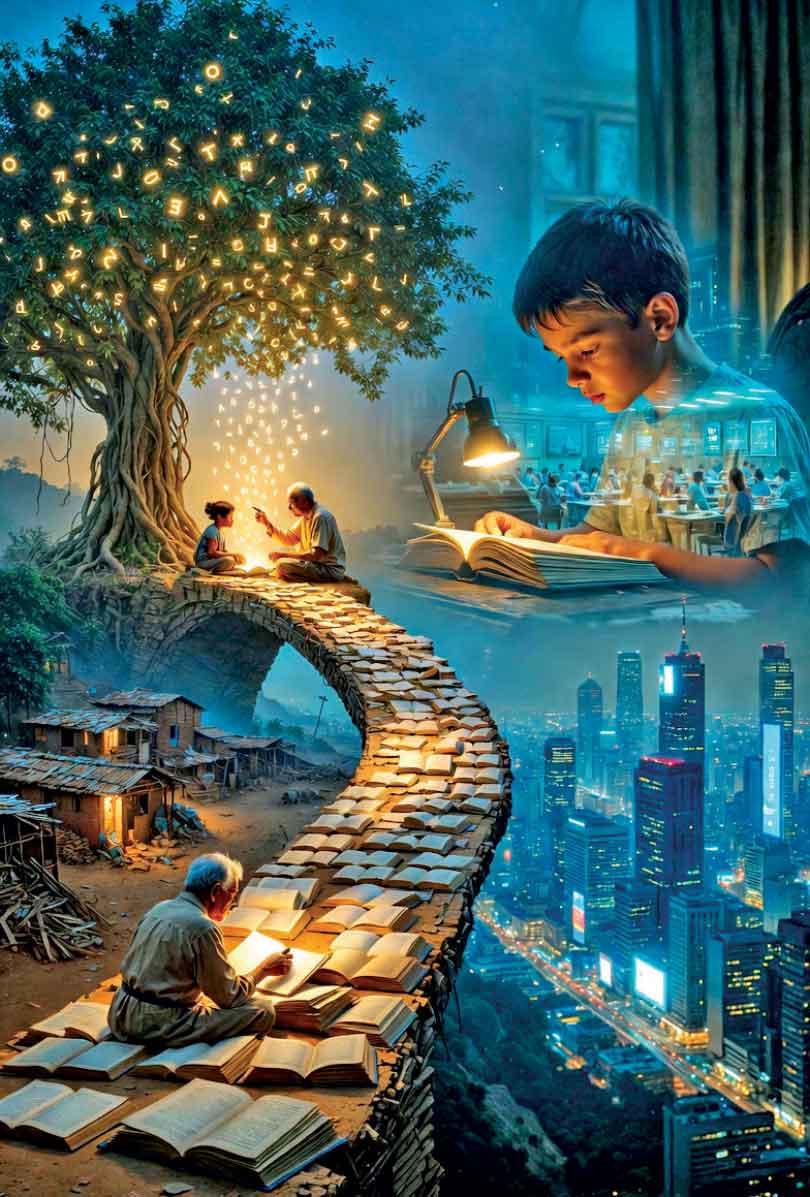
Education has long been called the great equalizer, a powerful force capable of narrowing gaps between individuals, communities, and nations. This idea feels especially tangible each year when the world comes together to observe the International Day of Education on 24 January. Beyond ceremonies, speeches, and policy discussions, the day serves as a collective pause, an opportunity to reflect on something many people experience daily without much thought: the chance to learn. Access to knowledge, guidance, and learning spaces is often assumed, yet for millions it remains uncertain or completely absent. The International Day of Education brings this reality into focus, reminding us that education is not only a global objective but a deeply personal and human experience that shapes lives in quiet and profound ways.
Education does not begin when a child first walks into a classroom; it starts much earlier, within the walls of a home or community. From infancy, children learn by watching the world around them. They observe how adults communicate, solve problems, express emotions, and treat others. These early lessons, rooted in imitation and curiosity, shape attitudes toward learning itself. When children are encouraged, listened to, and supported, they develop confidence and a sense of belonging. When kindness and curiosity are modelled, they begin to see learning as something positive and empowering. Long before formal schooling, these foundational experiences influence how children approach knowledge, challenges, and relationships.
As children enter school, education becomes a shared responsibility between families, teachers, and communities. Classrooms transform into spaces of exploration, where questions are welcomed and mistakes become opportunities for growth rather than reasons for shame. Teachers step into the role of guides and mentors, helping students make sense of the world while nurturing their potential. Peers become collaborators in learning, sharing ideas, laughter, and challenges. The International Day of Education reminds us that these everyday moments, a lesson explained patiently, a question answered with care, or encouragement offered at the right time, are the building blocks of every scientific discovery, social advancement, and cultural achievement humanity enjoys today.
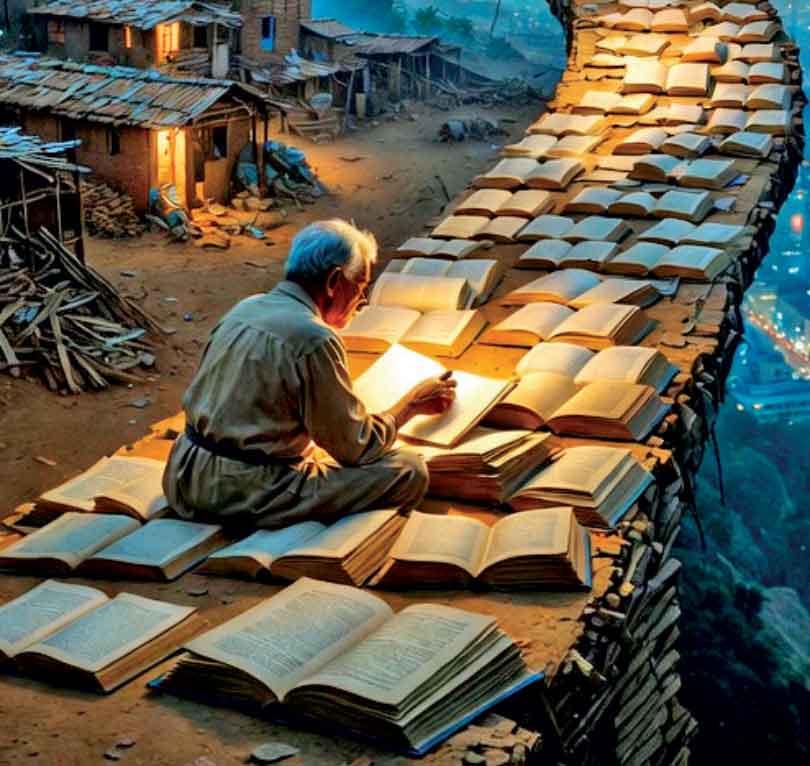
However, this day of reflection also forces us to confront uncomfortable truths. Access to education remains deeply unequal across the globe. Millions of children never step inside a classroom, not because they lack ability or interest, but because circumstances deny them the chance. Armed conflict destroys schools and displaces families. Poverty pushes children into labour instead of learning. Discrimination limits opportunities for girls, ethnic minorities, and marginalized groups. Natural disasters interrupt schooling for years at a time. For many families, daily survival takes precedence over education, and the idea of reading books or completing homework feels like a distant luxury. What some children consider routine, sitting at a desk, writing in notebooks, sharing ideas with classmates, remains an unreachable dream for others.
Girls continue to face barriers to education in certain parts of the world, where cultural norms, early marriage, or safety concerns prevent them from attending school.
Children with disabilities often encounter schools that lack accessible buildings, appropriate learning materials, or trained educators. Refugee children, forced to flee their homes, may lose years of schooling while adjusting to new languages and unfamiliar systems. These realities highlight that education is not just about availability but about inclusion. The International Day of Education challenges the global community to ensure that learning opportunities reach every child, regardless of gender, ability, location, or background.
At the same time, the concept of education itself has evolved dramatically. Learning is no longer confined to traditional classrooms or rigid schedules. Technology has transformed how knowledge is shared, creating new pathways for education that transcend borders. Online courses, digital libraries, and open educational platforms have placed information within reach of millions. The COVID-19 pandemic accelerated this shift, forcing schools and universities to adapt almost overnight. Students attended classes from kitchens, bedrooms, and shared spaces, relying on screens instead of chalkboards. While this transition exposed significant inequalities in access to devices and internet connectivity, it also demonstrated the resilience and adaptability of education. When learning is valued, people find ways to continue, even in the face of disruption.
Modern education increasingly extends beyond childhood and adolescence, becoming a lifelong process. Adults return to learning to gain new skills, change careers, or adapt to evolving job markets. Older generations learn to navigate technology to stay connected with family and society. Migrants and refugees attend language and vocational classes to rebuild their lives in unfamiliar environments. These forms of learning may not always take place in formal institutions, but they are no less meaningful. The International Day of Education celebrates these quiet acts of determination, recognizing that the desire to learn does not fade with age. Every individual who chooses to grow intellectually contributes to a more informed, adaptable, and empathetic society.
The benefits of education extend far beyond individual achievement. Strong education systems are closely linked to economic growth, public health, democratic participation, and social stability. Educated populations tend to have higher incomes, better access to healthcare, and greater resilience in times of crisis. Education equips people with the tools to analyse problems, challenge misinformation, and engage constructively with others. When individuals understand the causes of social and environmental issues, they are better prepared to address them collaboratively rather than through conflict. Education underpins progress across all global development goals, from reducing poverty and hunger to combating climate change and promoting equality.
Yet while policies, funding, and infrastructure are essential, the true power of education often reveals itself in personal, human stories. It lives in teachers who stay late to support struggling students or adapt lessons to meet diverse needs. It is found in parents and caregivers who make sacrifices so their children can remain in school. It appears in students who travel long distances, wake before sunrise, or balance household responsibilities just to attend class. It exists in classmates who share notes, offer encouragement, and remind one another that learning is a shared journey. These moments illustrate that education is not merely an abstract goal or a government responsibility; it is a daily investment made by families and communities around the world.
The International Day of Education also prompts reflection on the quality of learning, not just its availability. Filling classrooms is not enough if education fails to prepare students for real life. Quality education encourages critical thinking rather than rote memorization. It teaches learners to ask questions, analyse information, and apply knowledge in meaningful ways. It fosters respect for diversity, collaboration, and empathy. While literacy and numeracy remain essential foundations, education must also nurture creativity, communication skills, emotional intelligence, and digital competence. When learning addresses the whole person, it becomes a powerful force that shapes character, resilience, and purpose, not just academic credentials.
Equally important is the role individuals play in supporting education, even outside formal systems. Small actions can make meaningful differences. Reading to younger siblings, donating books or supplies, mentoring students, supporting educators, or simply valuing curiosity all contribute to a culture that prioritizes learning. For young people, education is one of the most powerful tools of agency available. It allows them to imagine futures beyond their immediate circumstances and equips them with the skills to pursue those possibilities. For societies, sustained investment in education represents a commitment to long-term progress, stability, and innovation.
As the world marks the International Day of Education each year, its message remains both simple and urgent. Education is a fundamental human right, not a privilege reserved for a few. Wherever a child opens a book, listens attentively to a teacher, or dares to dream of a better future, the spirit of the day comes alive. It is a celebration of human potential, a call to address inequality, and a reminder that meaningful progress depends on curious, informed, and empowered minds. No matter where someone begins or how long their learning journey takes, the opportunity to learn remains one of the most powerful and enduring forces for change available to humanity.