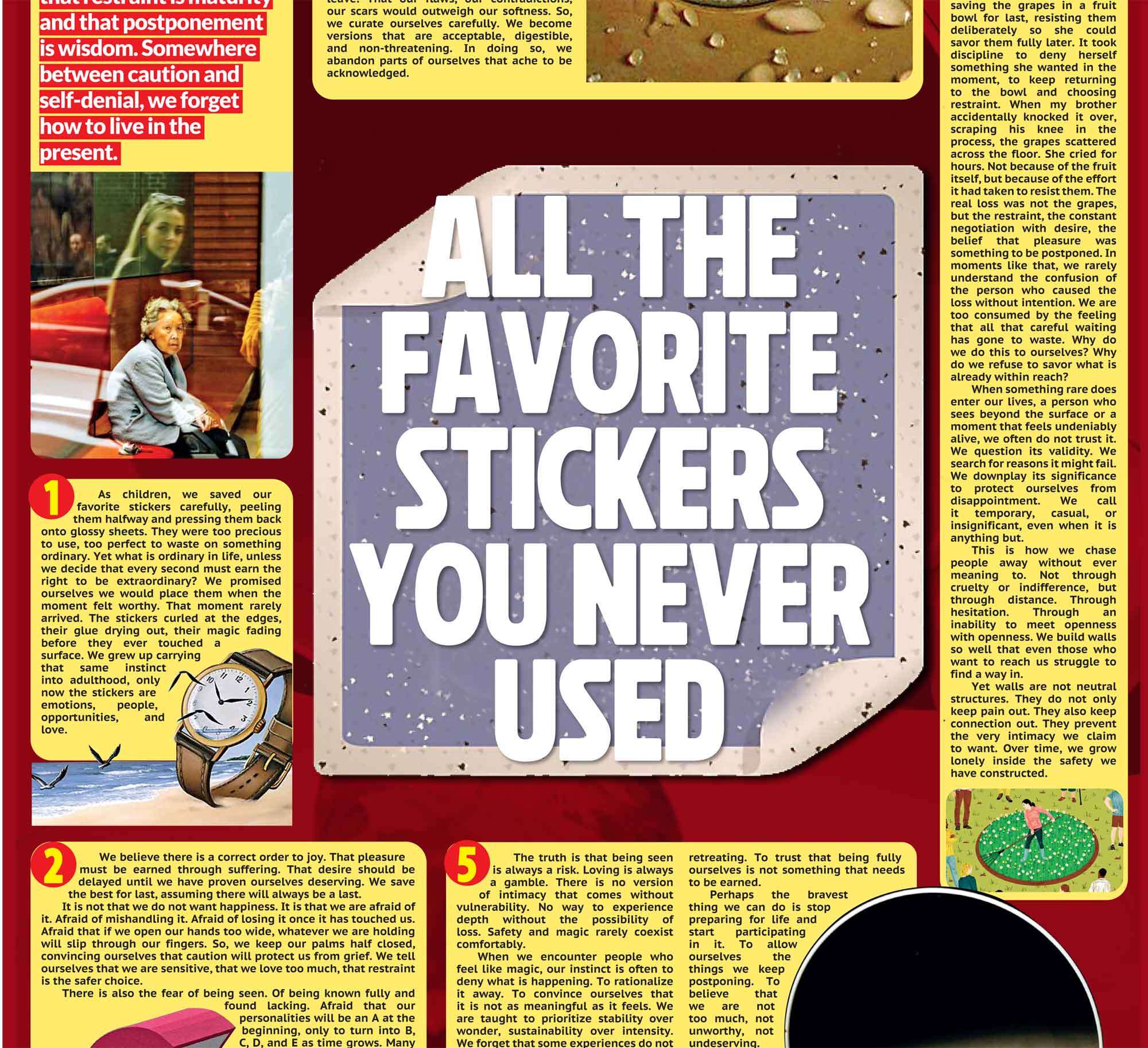
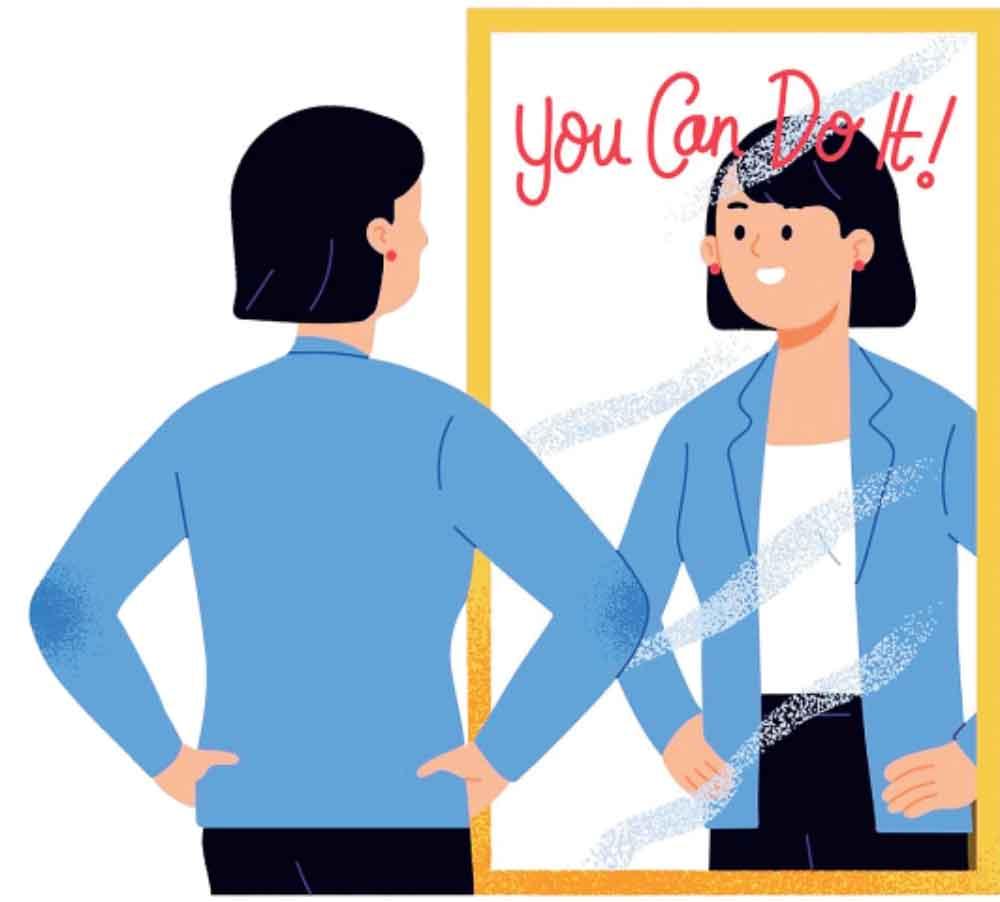
 The ego has a terrible PR team. Say the word out loud and most people immediately picture someone loud, arrogant, and obsessed with themselves. But the ego isn’t just the villain in self-therapy books or the reason your ex couldn’t apologize. No, it’s much quieter than that. Sneakier. It’s the voice in your head that panics when you’re ignored, spirals after mild criticism, or replays embarrassing moments at 2 a.m. The ego isn’t always just feigned confidence. Sometimes it’s insecurity in disguise. I didn’t start thinking about the ego because I wanted to be enlightened. I started thinking about it because I kept asking myself why it’s so hard to let things go. Why does being wrong feel humiliating? Why does rejection sting even if I pretend, I don’t care? Why does my self-worth fluctuate depending on how other people treat me? Somewhere between psychology lectures, late night overthinking, and watching people self-destruct in real time, I realized the ego was doing a lot more behind the scenes than I wanted to admit.
01.What Is the Ego?
In basic psychological terms, the ego is the part of us that says this is me. It’s our identity, our self-image, the mental file we carry around labelled who I am. Freud described it as the mediator between desire, morality, and reality, which sounds very clinical, but in real life it’s the part of you that wants something, knows you shouldn’t have it, and then tries to justify it anyway. Outside the textbooks, the ego feels more like a story we tell ourselves. I’m the smart one. I’m the one who doesn’t care. I’m the more emotionally mature one. It’s built out of memories, labels, achievements, failures, and the way people have treated us. The ego isn’t fake, but it isn’t the entire truth either. The ego exists so we can function. Without it, we wouldn’t have boundaries, goals, or a sense of continuity. We wouldn’t know where we end, and other people begin. So no, the ego isn’t bad. It’s necessary. The problem is when we start believing that we are the ego instead of just someone who has one.
02.The Ego and Control
At its core, the ego is obsessed with safety. Not physical safety, but emotional safety. It wants to protect you from embarrassment, rejection, shame, and anything that might threaten your sense of worth. That’s why it reacts so aggressively to criticism. Even gentle feedback can feel like a personal attack if your ego hears you are not enough. This is also why the ego loves comparison. It constantly scans the room, or Instagram, asking am I better, worse, behind, winning, losing? Social media has turned the ego into an overstimulated mess. Every like, view, and follower count becomes a tiny verdict on your value. You tell yourself you’re above it, but your nervous system knows when something feels like approval and when it feels like rejection.
The ego also hates being wrong. Not because being wrong is objectively bad, but because it threatens the image you’ve built. If your identity is tied to being smart, kind, strong, or emotionally evolved, then any evidence to the contrary feels unbearable. So, the ego defends. It justifies, blames, minimizes, and shuts down. Not because it’s evil, but because it’s scared.
03.Why Is It So Hard to Put Our Ego Aside?
People love to say just put your ego aside, guilty, like it’s as easy as putting your phone on silent. But for most people, letting go of the ego feels like losing themselves. If you strip away your labels, achievements, trauma responses, and coping mechanisms, what’s left? That question alone is enough to make the ego cling tighter. For a lot of us, the ego was formed during moments when we didn’t feel safe. When we were misunderstood, ignored, or hurt, the ego stepped in and said okay, here’s who we need to be to survive. Maybe you became the funny one, the smart one, the low maintenance one, the one who never needs help. That identity works until it doesn’t. But the ego doesn’t forget that it once saved you, and so it resists change. There’s a certain kind of vulnerability in ego death. It isn’t dramatic. It’s quiet. It’s apologizing without adding an explanation. It’s listening without being defensive. The ego hates that level of exposure because it removes control, and control is the ego’s favourite illusion.
 04.The Difference Between Ego and Confidence
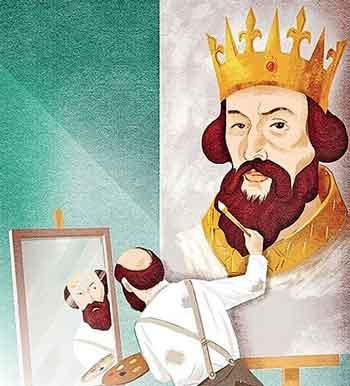
One of the biggest lies we’re sold is that confidence comes from a strong ego. In reality, confidence comes from a flexible one. People with healthy egos can take feedback without falling apart. They don’t need to be the loudest or the most impressive because their sense of self isn’t on trial all the time. True confidence is humble and quiet. It doesn’t feel the need to prove itself. It can admit when it’s wrong. It can walk away without getting the last word. It doesn’t mean insecurity disappears, only that insecurity doesn’t run the show.
05.Loosening the Grip
Letting go of your ego isn’t about erasing your identity or becoming detached from ambition. It’s about creating space between who you are and what you experience. Thoughts, emotions, and opinions stop being facts and become information. You still feel things deeply; you just don’t let those things define you. Therapy, journaling, and brutal self-honesty help. So does noticing when you’re more invested in protecting your image than understanding the truth. The moment you catch yourself thinking I need to win this; that’s usually ego talking. The goal isn’t to kill the ego. It’s to stop letting it micromanage your life. When the ego softens, growth doesn’t feel as threatening. Relationships get deeper, and you start realizing you were never as fragile as your ego made you believe.
Underneath all those defence mechanisms and self-stories is something more, and it doesn’t need to be right all the time in order to be worth something.