Digital Nomad Culture and Sri Lanka’s Rising Role as a Remote Work Hub

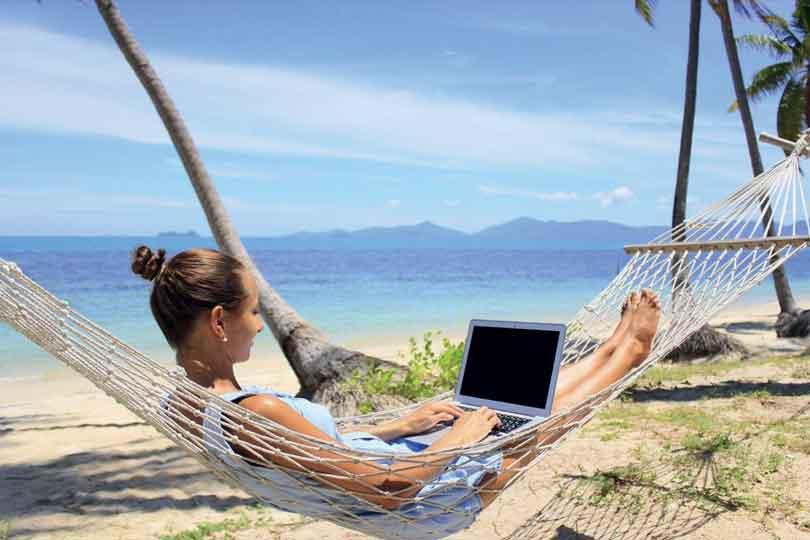
The idea of being a digital nomad once sounded like a romantic but unrealistic fantasy reserved for adventurous freelancers and tech entrepreneurs. Popular images showed travellers working from hammocks, beach cafes, or mountain retreats with little more than a laptop and a sense of freedom. For many years, this lifestyle appeared exciting yet impractical for the majority of professionals. Today, digital nomadism has moved far beyond the margins. It has become a recognized and growing way of working for millions of people around the world. The expansion of remote work, accelerated significantly during the COVID 19 pandemic, changed how people think about careers, mobility, and where they choose to live. What was once an alternative lifestyle has evolved into a mainstream global trend.
At its core, a digital nomad is someone who works remotely while travelling. These professionals are not tied to a single office, city, or country. Instead, they select destinations based on lifestyle, affordability, connectivity, safety, and personal curiosity. Digital nomads can be found in many industries including technology, marketing, journalism, design, finance, consulting, education, and online entrepreneurship. This shift has been made possible by powerful digital tools that allow people to work from almost anywhere. Cloud based platforms such as Google Workspace, Slack, Zoom, Notion, and Microsoft Teams enable seamless collaboration across continents and time zones. Financial services like Wise and Payoneer make international payments easier, while online platforms such as Upwork and Fiverr have normalized remote careers. At the same time, co working spaces provide structured environments for those who prefer a professional setting rather than working from cafes or apartments.
However, digital nomadism is not simply about technology or convenience. It reflects a deeper cultural transformation in how people define success and balance in life. Rather than postponing travel for short annual holidays, many professionals now integrate movement and exploration into their everyday routines. They spend months living in one place, allowing them to form deeper connections with local communities and cultures. This approach has given rise to a more intentional form of travel, where people seek destinations that support both their professional goals and personal wellbeing. Factors such as cost of living, climate, internet reliability, community, and lifestyle have become just as important as salary or job title.
In this global context, Sri Lanka has quietly begun to attract increasing numbers of digital nomads. Long celebrated for its beaches, wildlife, tea plantations, and ancient heritage, the island is now being seen not only as a tourist destination but also as a place to live and work for extended periods. Sri Lanka’s appeal lies in its remarkable diversity within a small geographic area. Within a few hours, one can move from palm lined coastlines to misty highlands, bustling cities to tranquil temple towns. Coastal areas such as Mirissa, Weligama, and Ahangama have become popular among remote workers drawn to surf culture and relaxed living. Galle, with its historic fort and artistic atmosphere, offers a quieter but culturally rich environment. Colombo, as the commercial capital, provides modern amenities, international restaurants, and professional networking opportunities.
Beyond its landscapes, Sri Lanka offers an affordable lifestyle compared with many established digital nomad hubs. Accommodation ranges from budget guesthouses to stylish villas, while local food is both diverse and inexpensive. Street markets, traditional rice and curry, and high-quality seafood make daily living appealing for long term visitors. Sri Lankan hospitality also plays a major role in making newcomers feel welcome.
A significant development in recent years has been Sri Lanka’s evolving visa policies. Recognizing the economic potential of remote workers, the government has introduced a formal Digital Nomad Visa category. This visa is intended for professionals who work remotely for companies or clients outside Sri Lanka. Applicants generally need to demonstrate a stable monthly income and proof that their employment is not linked to local businesses. At the same time, many digital nomads still enter Sri Lanka using the Electronic Travel Authorization system and extend their stay through official channels. As a result, the country currently operates with a mixed system where some remote workers use the official Digital Nomad Visa while others rely on extended tourist visas. Nevertheless, the overall direction suggests that Sri Lanka is becoming more structured and welcoming toward location independent professionals.
Infrastructure for remote work has also improved steadily. Colombo now hosts several modern co working spaces that provide high speed internet, meeting rooms, and networking events. These spaces bring together international digital nomads and local entrepreneurs, creating opportunities for collaboration and innovation. In coastal areas, a different model has emerged through co living spaces that combine accommodation with shared work environments. These spaces create small communities where residents live, work, and socialize together. Many are located near beaches, allowing people to balance productivity with leisure.
Cafes across Sri Lanka have also adapted to the needs of remote workers. Many now offer reliable Wi-Fi, power outlets, and comfortable seating for those who prefer working outside formal offices. This shift has made it easier for digital nomads to integrate into everyday life on the island. Online platforms and digital communities have further supported Sri Lanka’s growing appeal. Websites such as Nomad List provide information on cost of living and internet speeds, while WhatsApp and Facebook groups connect remote workers before they arrive. These networks help newcomers find housing, housemates, and social circles more easily.
The people choosing Sri Lanka as a remote work base come from varied backgrounds. Some are freelance creatives seeking inspiration, others are software developers employed by global companies, while many run online businesses. Despite their differences, they share a desire for balance between work, travel, and cultural experience. For Sri Lanka, the rise of digital nomad culture brings tangible economic benefits. Unlike traditional tourists who stay for a short time, remote workers often remain for several months. During their stay, they rent homes, eat at local restaurants, use transport services, and support small businesses. Their consistent spending helps local economies remain stable beyond peak tourist seasons.
There are also cultural benefits. Many digital nomads engage deeply with Sri Lankan society by taking cooking classes, attending religious ceremonies, or learning basic Sinhala or Tamil. In return, local communities gain exposure to new ideas, professional skills, and international perspectives. Some remote workers collaborate with Sri Lankan entrepreneurs or volunteer with local organizations, creating meaningful partnerships.
Despite these advantages, challenges remain. Internet connectivity outside major cities can be inconsistent, and infrastructure development varies across different regions. Public transport and digital services are still evolving compared with more established global hubs. There is also the issue of sustainability. As more foreigners move into popular coastal towns, housing prices can rise, making it difficult for local residents to afford rent. Sri Lanka must carefully balance economic growth with cultural preservation and community wellbeing.
Even with these obstacles, Sri Lanka’s future as a digital nomad destination looks promising. The country offers a rare combination of natural beauty, cultural depth, affordability, and improving digital infrastructure. While it may not yet have the polished systems of Bali or Lisbon, many remote workers appreciate its authenticity and charm. Ultimately, digital nomad culture represents more than just working from exotic locations. It reflects a broader shift toward flexibility, curiosity, and intentional living. Professionals are increasingly asking not only what job they want but where they want to live while doing it.
For Sri Lanka, embracing this movement provides an opportunity to position itself as more than a holiday destination. It can become a hub for creativity, innovation, and cross-cultural exchange. As policies evolve and infrastructure strengthens, the island has the potential to attract a new generation of global professionals. In this way, Sri Lanka’s journey aligns with the spirit of digital nomadism itself, a commitment to openness, adaptability, and connection in an increasingly interconnected world.