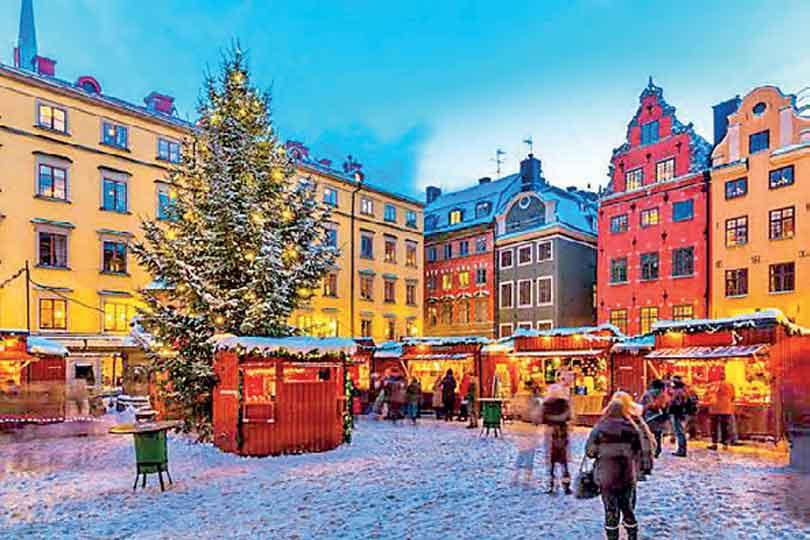
Sweden
Southern Europe
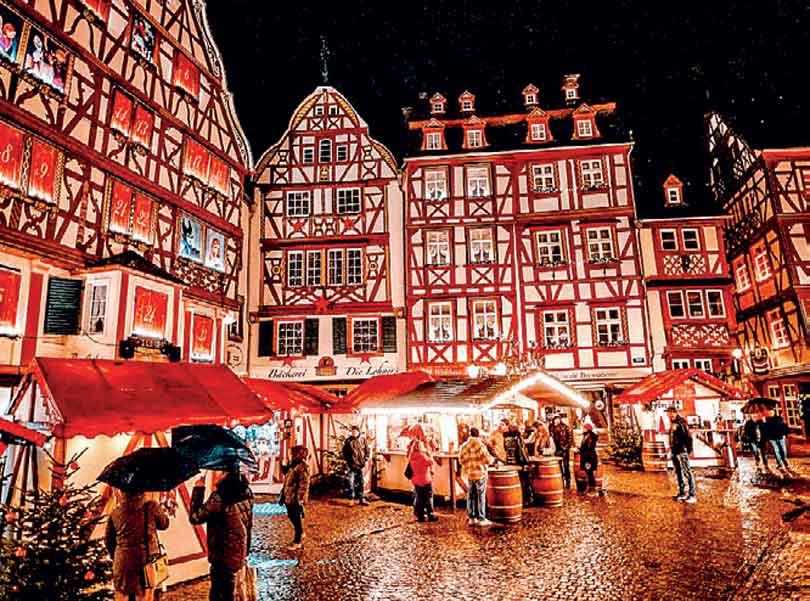
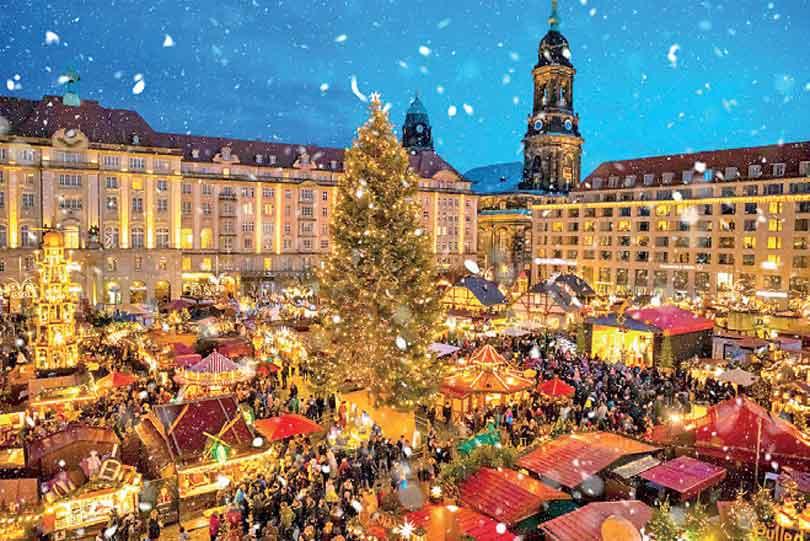
Germany
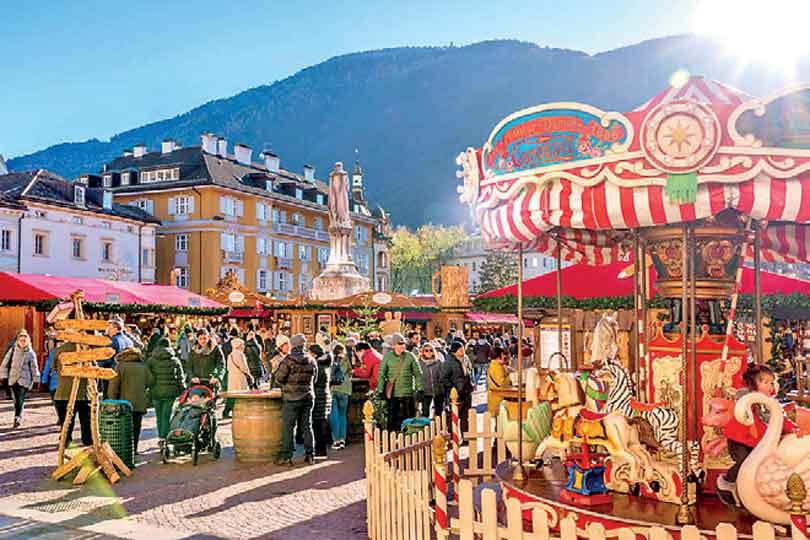
Italy
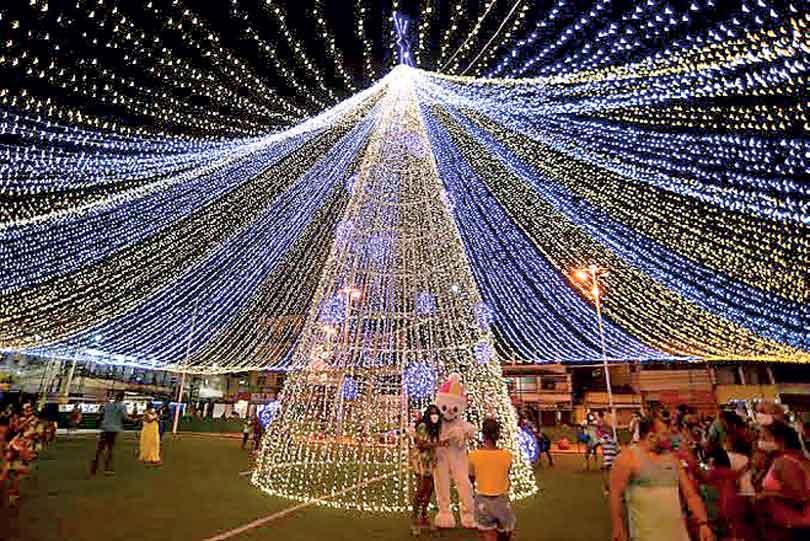
Brazil
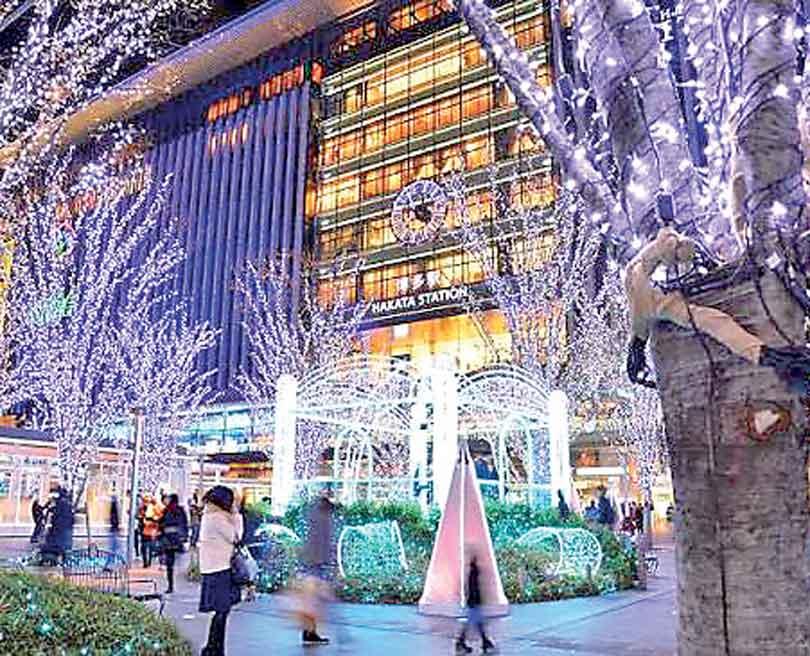
Japan
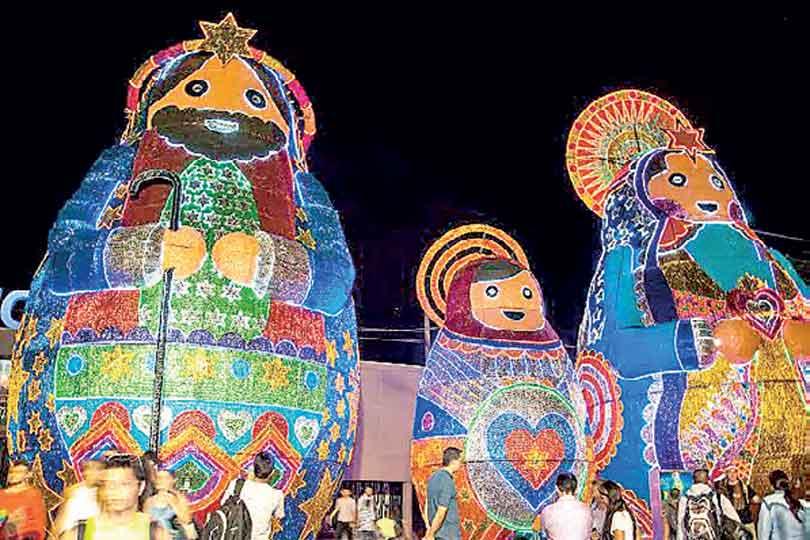
Latin America
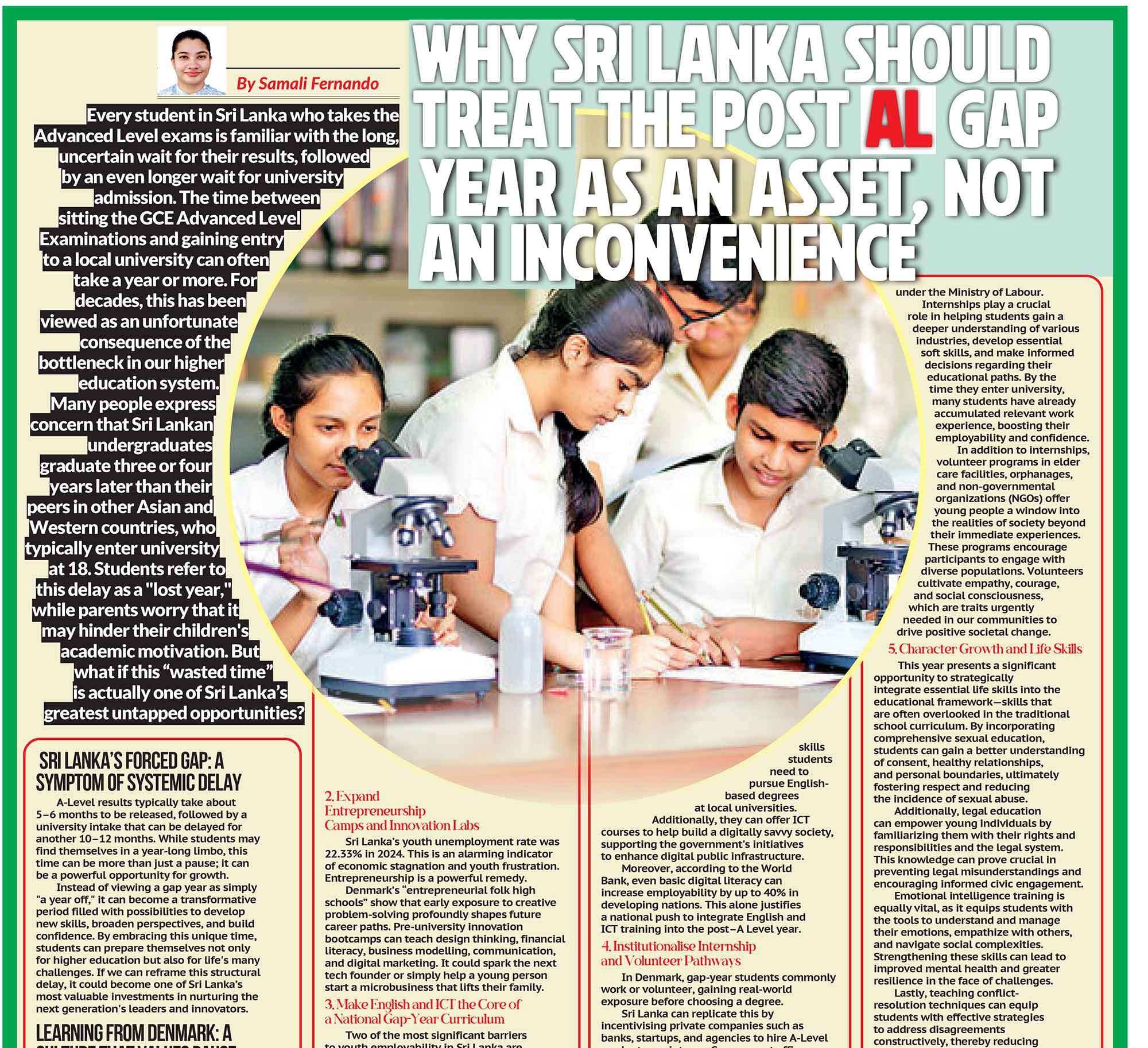
Christmas may celebrate the same story across continents, but the rituals that surround it are shaped by culture, climate, faith, and history. From quiet candlelit services to joyful street celebrations, Christmas around the world is a tapestry of traditions that reflect how communities interpret togetherness, generosity, and hope.
In Europe, Christmas customs are often steeped in history and symbolism. In Germany, the season begins with Advent, marked by wreaths adorned with four candles, one lit on each Sunday leading up to Christmas. Christmas Eve is the most important celebration, when families exchange gifts and share a festive meal. In Scandinavia, light plays a central role during the dark winter months. In Sweden, Saint Lucia Day on December thirteen features young girls dressed in white robes carrying candles, symbolising purity and hope. In the Czech Republic, unmarried women throw a shoe over their shoulder on Christmas Eve to predict whether marriage lies ahead in the coming year.
In Southern Europe, Christmas blends religious devotion with rich culinary traditions. In Italy, families gather for a large meal on Christmas Eve, often avoiding meat and focusing on seafood. The Nativity scene, known as the presepe, is central to Italian homes and churches, sometimes crafted with extraordinary detail. In Spain, children traditionally receive gifts on January six, the Day of the Three Kings, rather than on Christmas Day itself.
Across Latin America, Christmas is deeply communal and vibrant. In Mexico, the nine-day celebration known as Las Posadas reenacts Mary and Joseph’s search for shelter. Each evening includes processions, prayers, songs, and shared meals. Children delight in breaking colourful pinatas filled with sweets and fruit. In Colombia, the festive season begins early with the Day of the Little Candles in December, when homes and streets glow with lanterns and candles. In Brazil, midnight Mass is followed by lively gatherings featuring music, dancing, and fireworks, reflecting the country’s joyful spirit.
In Africa, Christmas celebrations often combine Christian worship with local customs. In Ethiopia, Christmas is celebrated in January according to the Orthodox calendar. The day begins with long church services, followed by communal meals and traditional games. In Ghana, Christmas is marked by church performances, drumming, dancing, and extended family gatherings. Festivities often stretch for days, emphasising community and generosity. In Asia, where Christians are often a minority, Christmas takes on unique cultural expressions. In Japan, Christmas is celebrated largely as a secular and romantic occasion, with illuminated streets, gift exchanges, and the unusual tradition of sharing a meal from fast food restaurants. In the Philippines, Christmas is one of the longest celebrations in the world, beginning as early as September. The season includes Simbang Gabi, a series of early morning church services, and colourful star shaped lanterns symbolising the Star of Bethlehem.
In Australia and New Zealand, Christmas falls during summer, reshaping traditional imagery of snow and fireplaces. Families celebrate with outdoor barbecues, beach gatherings, and cricket matches. In some coastal towns, Santa arrives by surfboard rather than sleigh, blending tradition with local lifestyle. Across the world, Christmas rituals may differ in form, but their essence remains the same. They bring people together, honour faith and family, and offer moments of warmth and reflection. Whether celebrated with candles, carols, feasts, or fireworks, Christmas continues to unite cultures through shared values of joy, compassion, and hope.