
When Nervous System Feels Overloaded, Turn to Ancient Wisdom
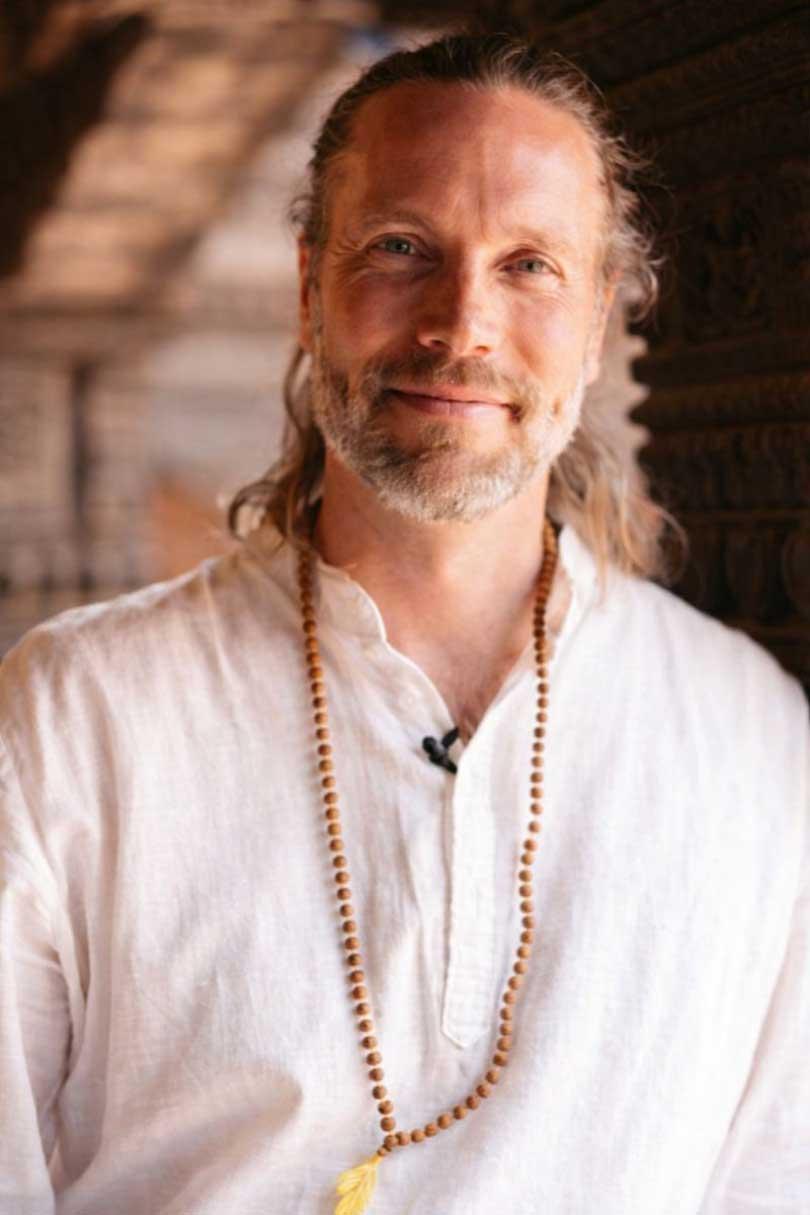
For a long time, I thought nervous system overload was simply another word for stress. Something to manage better. Something that came with modern life. What I understand now is that it’s not just mental pressure or tiredness. It’s the body losing its sense of internal safety. That understanding deepened during my conversation with Dr. Clint Rogers, a researcher, Siddha-Veda practitioner, and author of Ancient Secrets of a Master Healer. What stayed with me wasn’t a promise of instant calm or a dramatic intervention, but the way ancient systems frame overload as imbalance rather than failure.

When Body Never Fully Switches Off
Many of us are living in a constant state of alert. Even when nothing urgent is happening, the body behaves as though it needs to stay ready. This is why we feel wired and tired at the same time. It isn’t a lack of willpower or resilience. It’s a nervous system that hasn’t been given enough signals of safety. Ancient traditions understood something we’re only beginning to rediscover. The nervous system doesn’t regulate through logic alone. It responds to rhythm, repetition, and sensation. This is why practices rooted in breath, movement, and awareness have survived across cultures for thousands of years. Modern research now supports this. A landmark study published in Psychosomatic Medicine found that mindfulness meditation, an ancient contemplative practice, produces measurable changes in brain function and immune response, helping the nervous system shift out of chronic stress patterns.
How Ancient Practices Understand Overload
In systems like Siddha-Veda, nervous system overload isn’t labelled as anxiety or burnout. It’s seen as excess agitation, blocked flow, or depleted reserves. Stress that isn’t processed doesn’t disappear. It settles into the body and shows up quietly, through poor sleep, digestive discomfort, chronic tension, or emotional reactivity. Dr. Clint spoke about this through stories rather than diagnoses, explaining how ancient healers focused on identifying where imbalance was being held before trying to correct it. One thing he said stayed with me, “Sleep is the greatest healer, actually. And if you don’t have good sleep, everything is going to suffer.” In these traditions, sleep isn’t just rest. It’s when the body restores rhythm and recalibrates its internal systems.

Regulation Happens Through Body
One of the biggest shifts for me has been understanding that regulation happens through the body, not the mind. Ancient practices work by engaging the senses, grounding the body, and restoring rhythm. Breath, touch, movement, food, and daily routines are all ways of signalling safety to the nervous system.

Research on Tai Chi, a traditional movement practice, reflects this wisdom. A study published in the Journal of Alternative and Complementary Medicine showed that regular Tai Chi practice improves heart rate variability and reduces stress markers, indicating stronger autonomic nervous system regulation. Similarly, research into yoga demonstrates how ancient movement and breath practices support nervous system balance. A review published in Frontiers in Psychiatry highlights yoga’s role in improving emotional regulation and reducing physiological stress responses, particularly in people experiencing chronic overload. What ancient systems do differently is that they don’t isolate these practices. Food, sleep, purpose, emotional processing, and daily rhythm are treated as interconnected. You don’t calm the nervous system in one area while ignoring the rest.
My Takeaway
What I hold onto most is that nervous system overload isn’t a personal failing. It’s biological feedback. Ancient practices don’t promise instant calm, but they offer something far more sustainable. A way of working with the body rather than against it. I pay closer attention now to rhythm, to how my body responds to food, sleep, stimulation, and emotional load. Regulation, I’ve learned, isn’t about stopping life. It’s about moving through it with enough internal steadiness to stay present. Sometimes, the oldest systems know exactly how to guide us back there.
PLEASE SCAN THE QR CODE TO WATCH THE FULL EPISODE