Picasso Museum, Barcelona
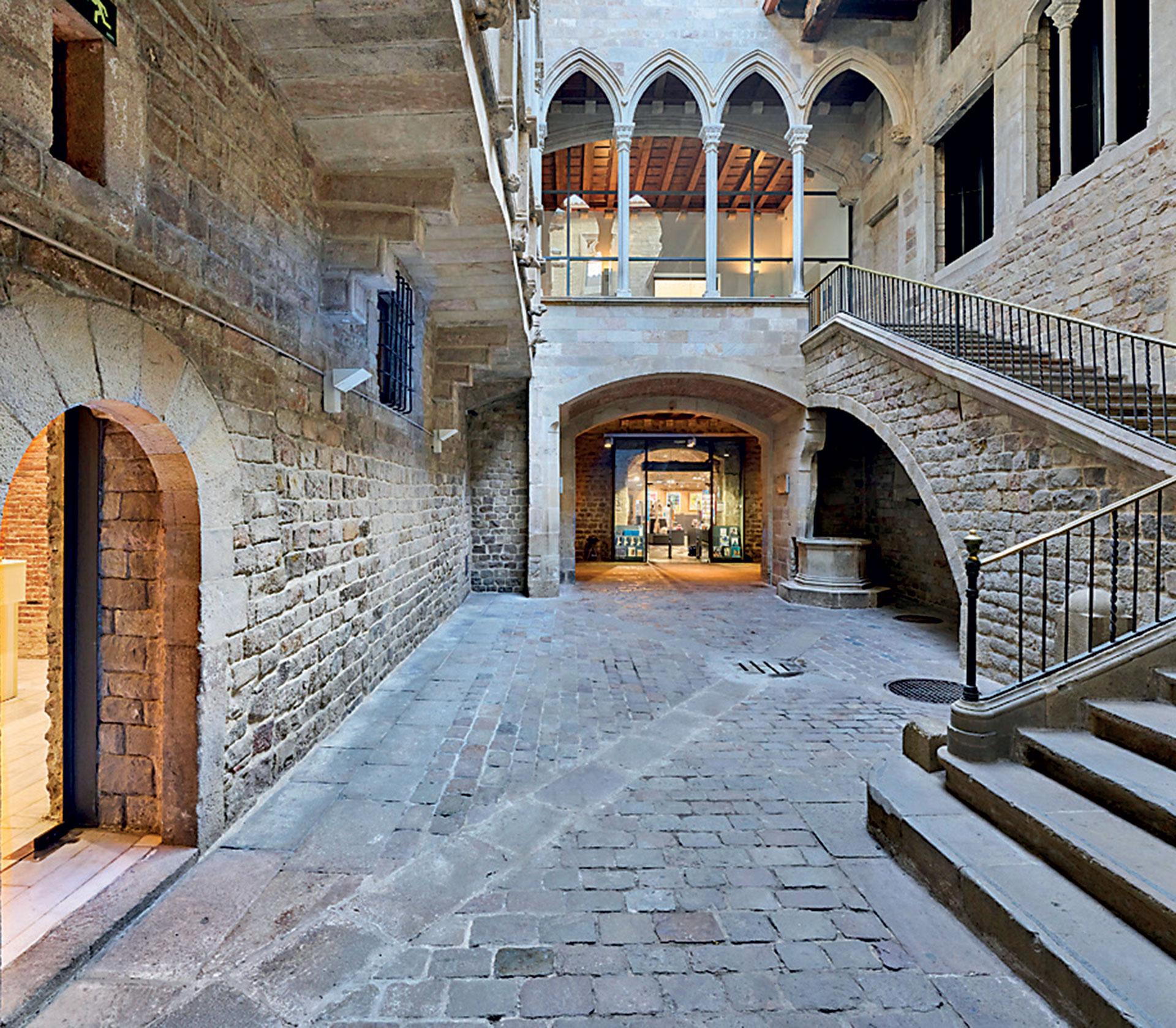
Walking into the Picasso Museum in Barcelona felt less like entering a gallery and more like stepping into someone’s inner world. The narrow streets of El Born had already begun their quiet work on me. The soft sound of footsteps on stone. The low hum of voices passing by. The feeling that I was about to experience something personal rather than grand. I went in expecting to admire paintings. Instead, I felt as though I was walking through a life filled with emotion, uncertainty, brilliance and restlessness.
The museum is set inside a group of old townhouses, and nothing about it feels showy or overwhelming. There is no dramatic entrance and no pressure to rush. You move from room to room slowly, almost naturally. The space itself encourages you to pause. Picasso does not feel like a distant legend on a wall. He feels like a young person finding his way. You see him discovering his style, doubting himself, trying again, and changing direction. It feels personal, almost private.
What surprised me most was how talented Picasso was at such a young age. The early paintings he created as a child and teenager are incredibly detailed and confident. There is a calm control in the way he draws faces and figures. These are not messy early attempts. They feel careful and thoughtful. Standing there, I felt a strange mix of admiration and humility. We often imagine great artists bursting into the world with wild ideas. But Picasso began with patience, practice and a strong understanding of how to draw before he ever started to break the rules.
Seeing works like Man in a Beret, Jaume Sabres with Ruff and Bonnet, An Evening at Home, Barcelona Rooftops, Self Portrait with Wig and First Communion shows how observant he was even as a teenager. Some paintings feel formal and serious, while others feel gentle and warm. The rooftops of Barcelona do not show a grand city but quiet everyday life. First Communion feels calm and reserved, almost restrained. These early works made me realise that his later, more unusual style grew from a very solid beginning.
Barcelona itself feels deeply woven into the story of Picasso in this museum. This was not just a city he passed through. It was where he studied, made friends, argued about art and found his creative community. The paintings from this time show how closely he paid attention to the people and places around him. You can imagine him walking these same streets, sitting in cafes, watching people, noticing small moments and storing them away in his mind. In this museum, Barcelona feels like the place where his way of seeing the world began to take shape.
As I walked through the galleries, I noticed how much his paintings seemed to change with his emotions. The early works feel quiet and slightly heavy, as if something is weighing on him. As you move forward, the colours begin to warm, and the mood feels lighter. There is more curiosity and playfulness in the later rooms. Watching this change unfold felt like watching someone slowly come back to themselves after a difficult time.
There is something comforting about seeing an artist change over time. The museum does not present Picasso as one fixed version of himself. You see him shift, grow, experiment and even contradict his earlier work. That felt reassuring in a strange way. We often try to define ourselves by one chapter of our lives. Seeing how Picasso kept changing reminded me that it is normal to evolve and outgrow old ways of thinking.
One of the most interesting parts of the museum is seeing Picasso’s many versions of Las Meninas. Standing in front of them together feels like listening to a long conversation between him and an artist who lived long before him. He is not just copying the original painting. He is responding to it in his own way. Each version feels different in mood, as if he is returning to the same idea again and again and finding something new each time. What first looks repetitive starts to feel personal and alive. It feels less like copying and more like an ongoing conversation with the past.
Some of Picasso’s paintings can feel uncomfortable at first. Faces look strange. Bodies seem twisted or out of place. At the beginning, this unsettled me. But the longer I stood there, the more it started to make sense. People are complicated. Feelings are messy. Memories change shape over time. His paintings reflect that confusion and complexity. He does not paint people as they look in a mirror, but as they might feel inside. The discomfort slowly turned into understanding.
There is also a sense of openness in how much of his personal life appears in his art. His relationships, his loves and his struggles seem to surface again and again. Love in his paintings is not always gentle or peaceful. Sometimes it feels intense or overwhelming. The museum does not try to hide these contradictions. It lets you see both the beauty of his work and the complicated person behind it. You are not asked to admire him without question. You are simply asked to see him as a human being, full of talent and flaws at the same time.
What I loved most about the Picasso Museum was how calm it felt. It does not rush you. It invites you to slow down. I found myself standing in front of certain paintings longer than I expected, not because I fully understood them, but because they made me feel something I could not immediately explain. The museum allows space for that kind of quiet moment.
At one point, I found myself alone in a small room. It was silent, and for a moment the outside world faded away. No phone. No plans. No hurry. Just paint on canvas and the feeling of being fully present. It reminded me that art does not always give answers. Sometimes it simply asks you to pay attention. When I stepped back outside into the bright streets of Barcelona, the city felt slightly different. Colours felt sharper. Faces felt more noticeable. Small moments seemed more interesting. Visiting the Picasso Museum did not make me feel as though I completely understood Picasso. If anything, he felt more complex and more human. But it did change how I noticed the world around me. I left with the quiet feeling that art does not stay inside museum walls. It follows you outside, gently shaping how you see people, places and moments, even after you have walked away.
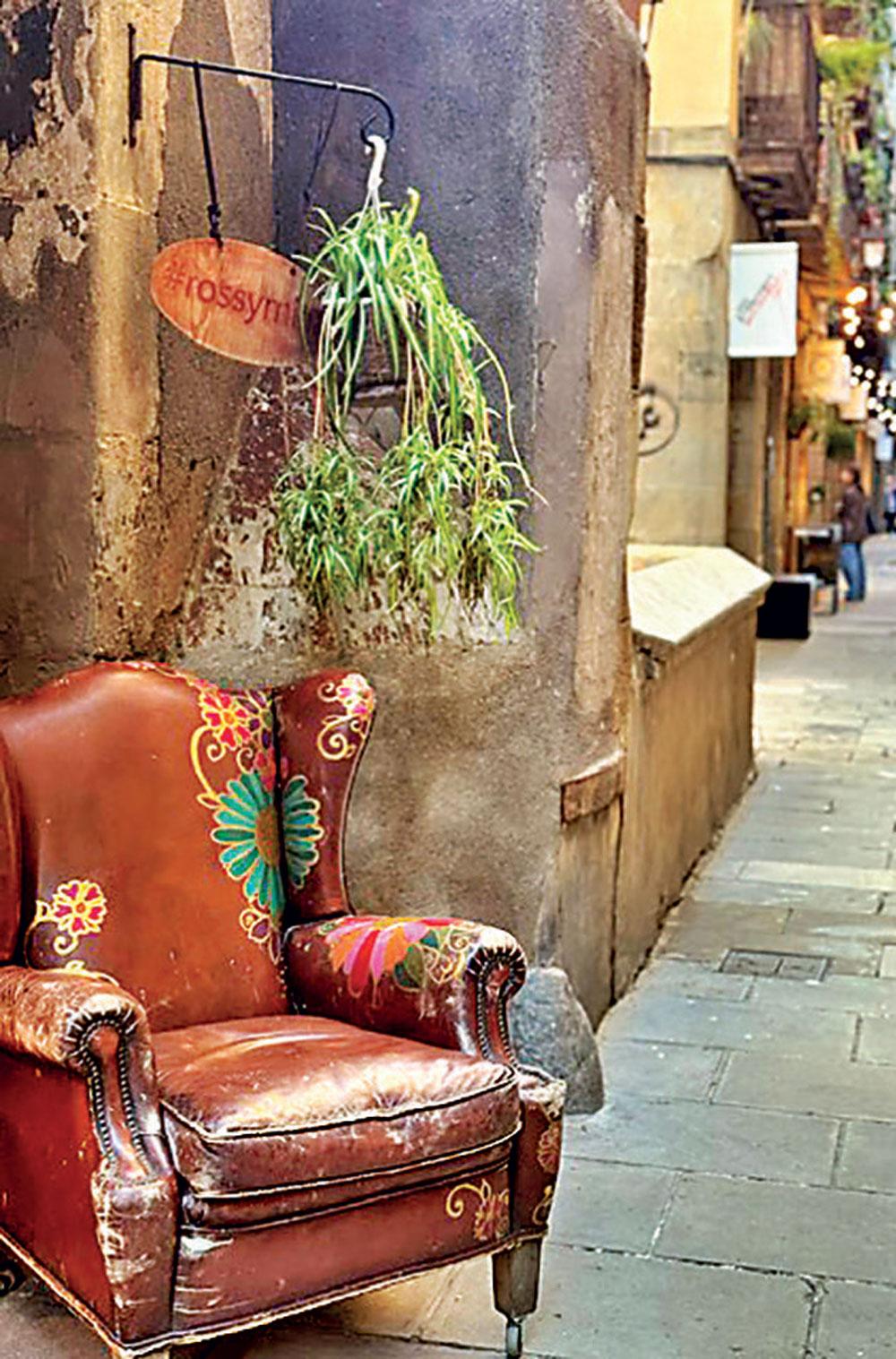
The alleyways of El Born
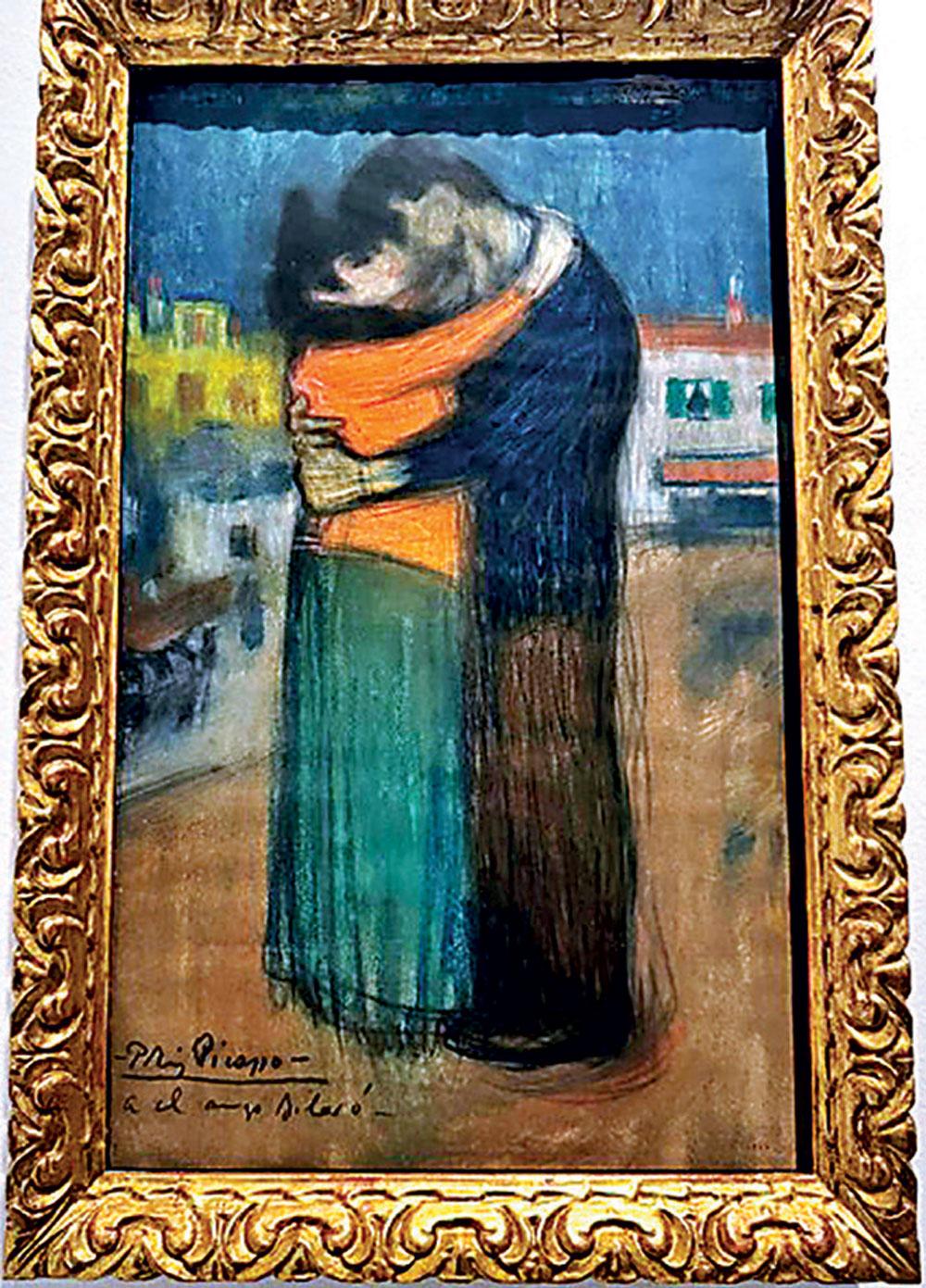
The Embrace, Paris (1900)
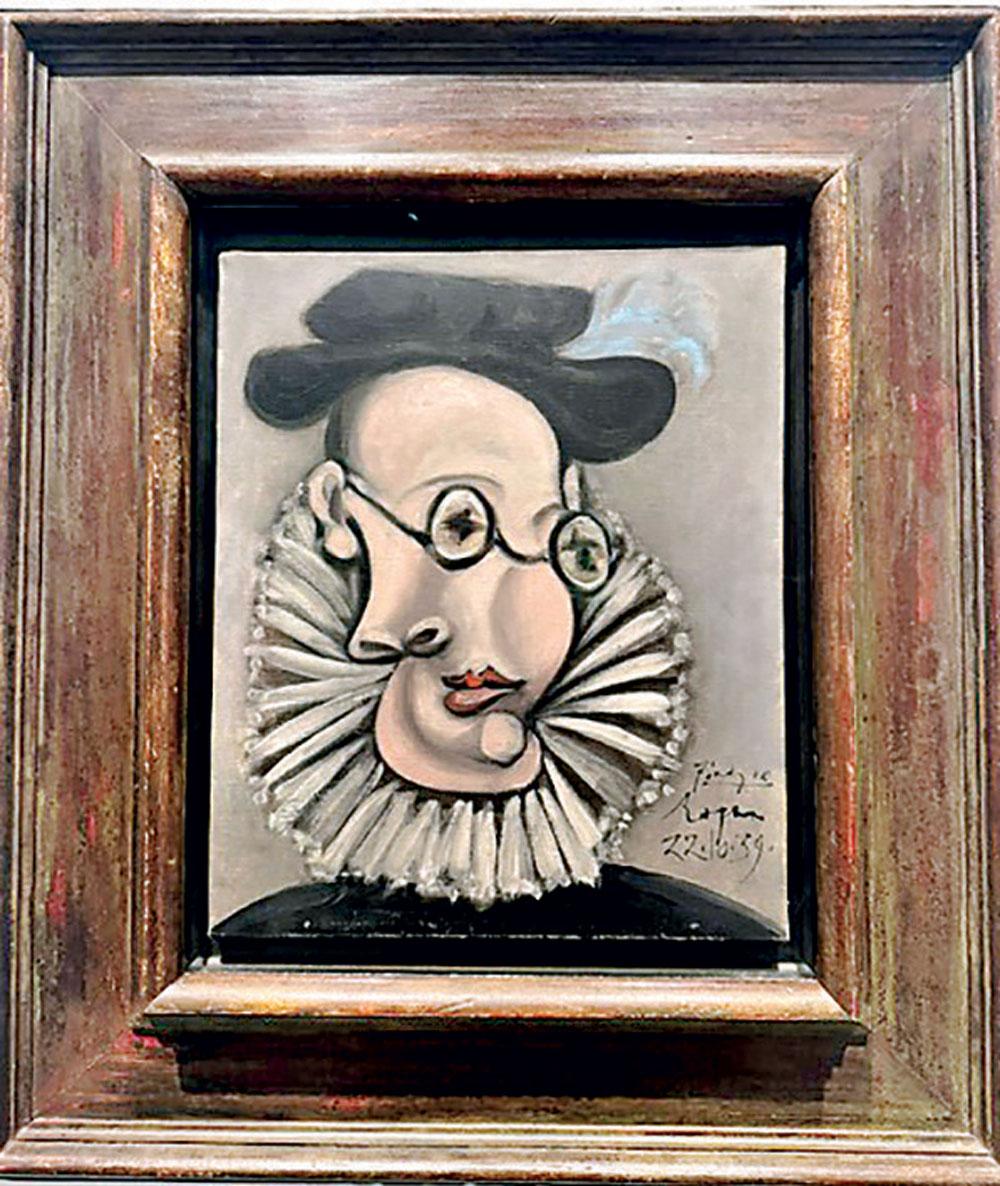
Jaume Sabarte
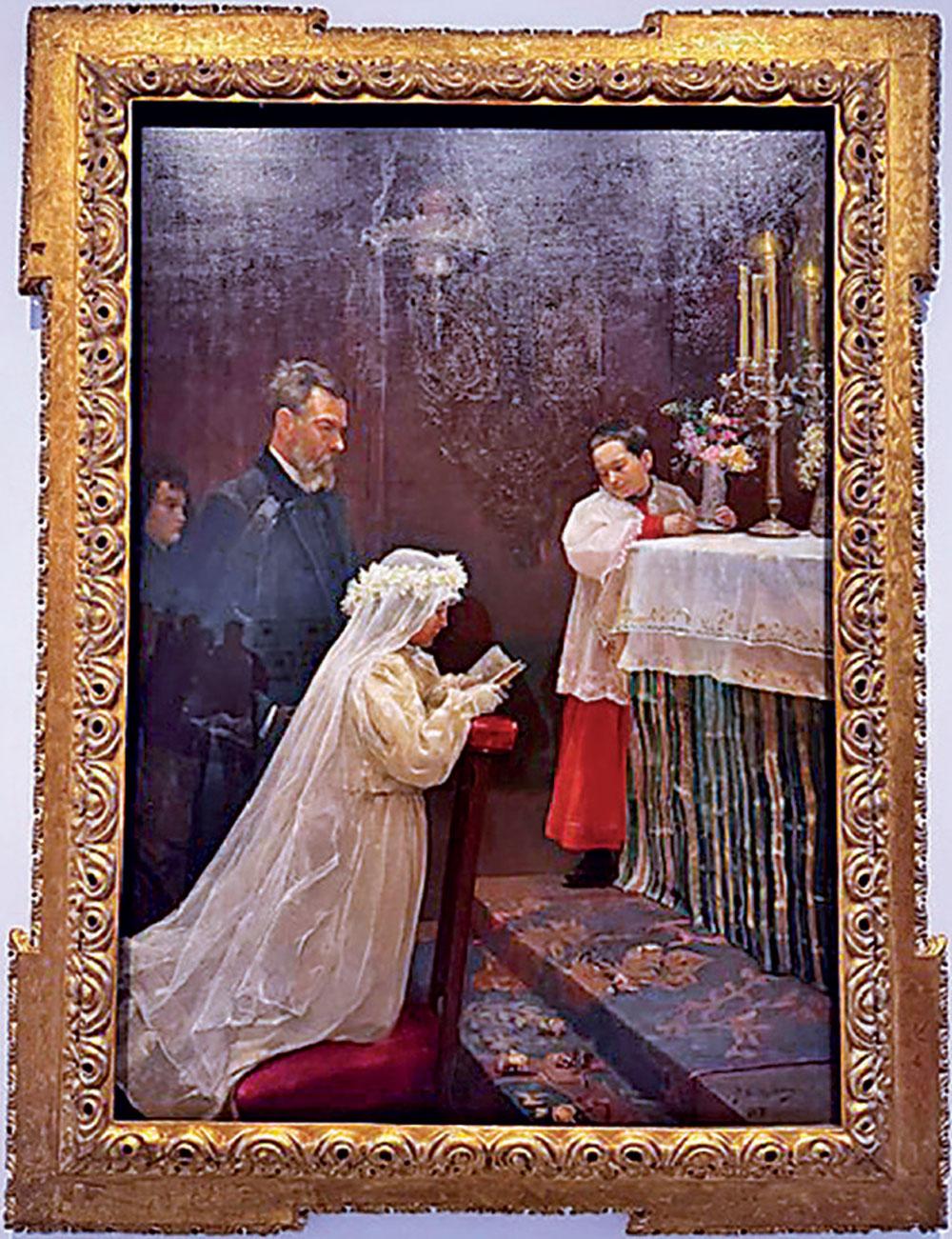
First Communion
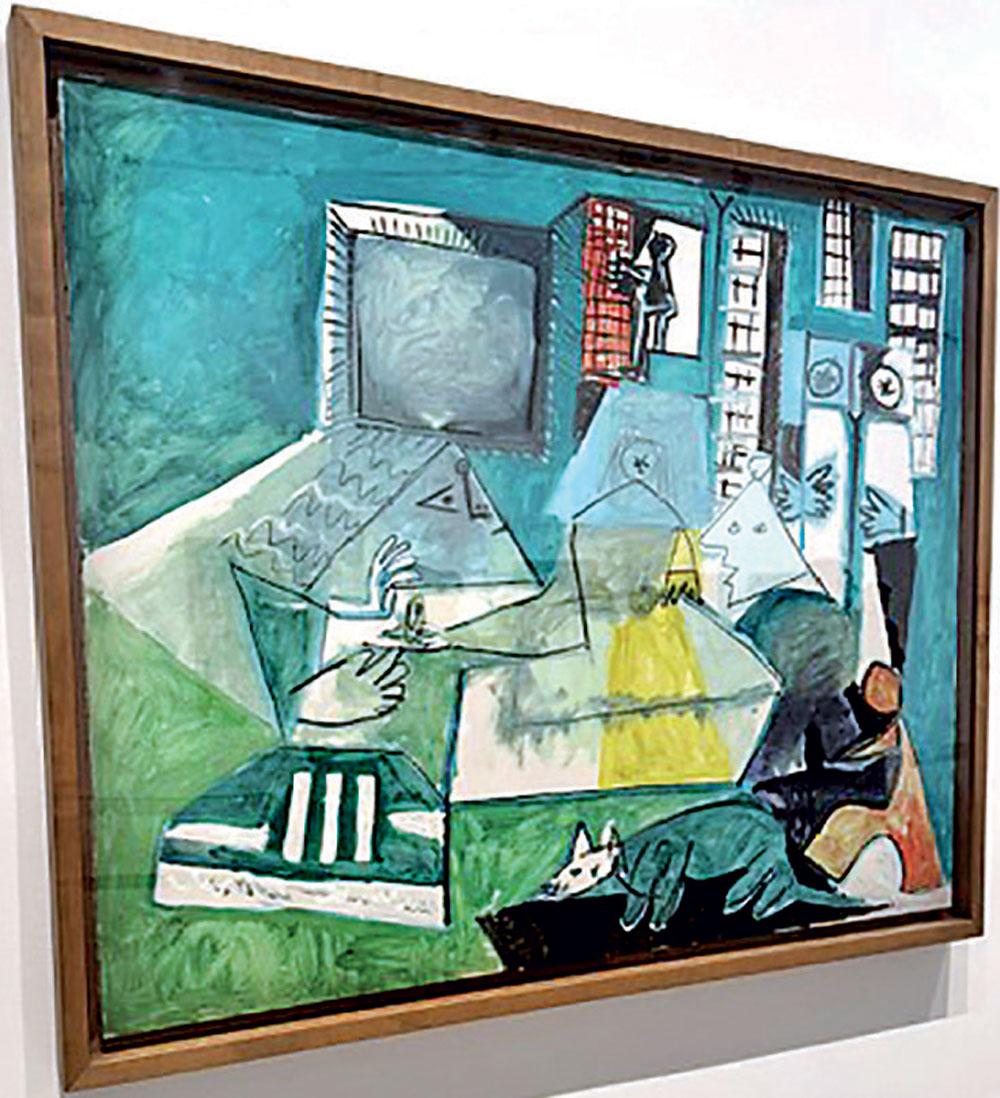
Las Meninas
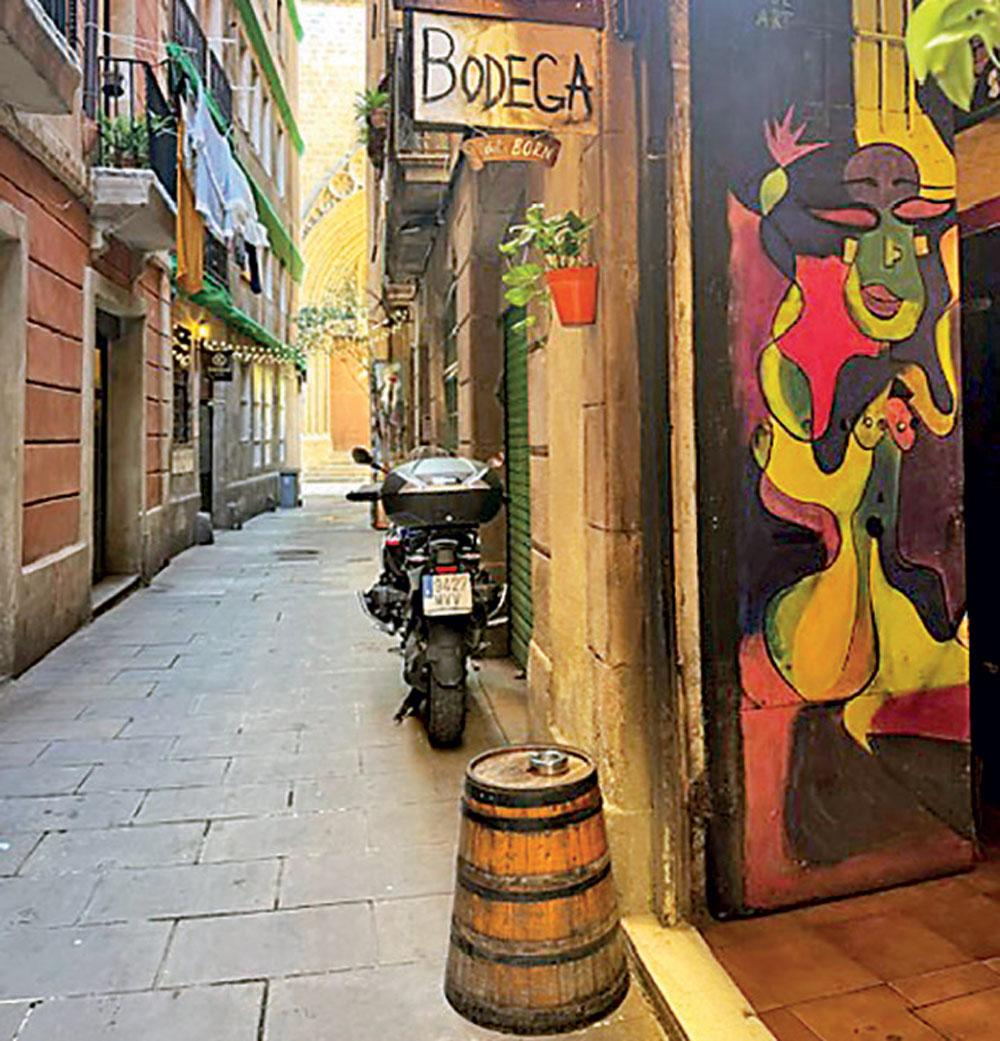
El Born, Barcelona
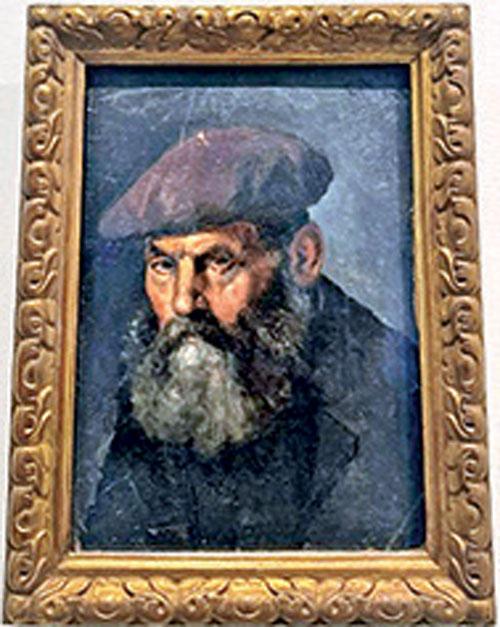
Man in a Beret
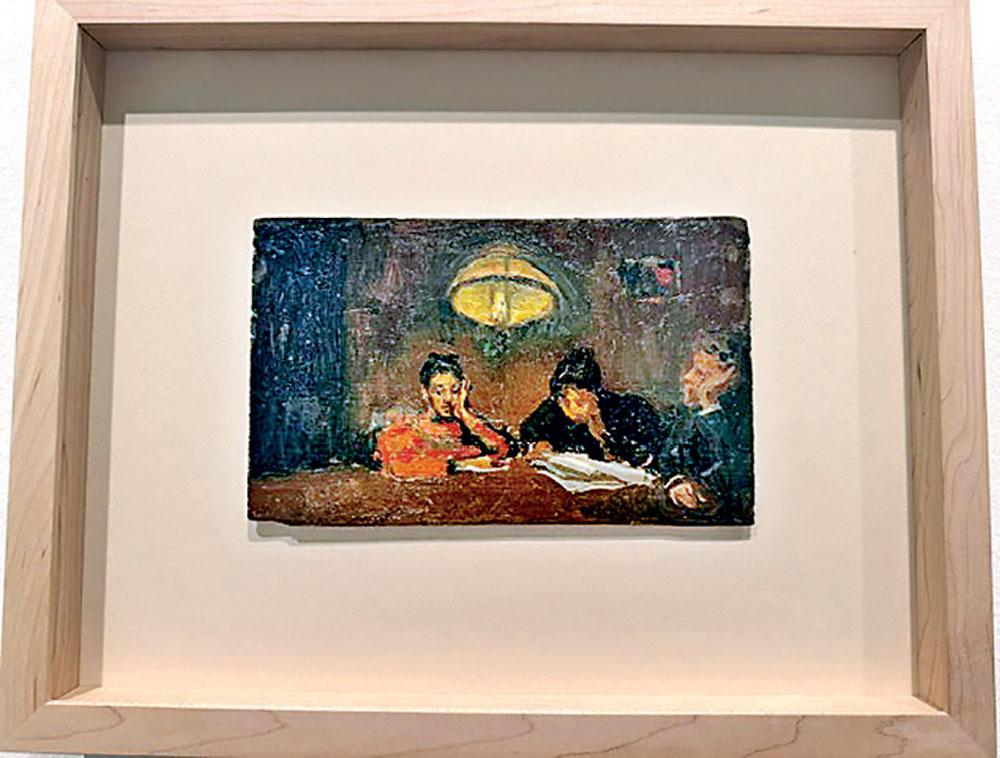
An Evening at Home (1895)
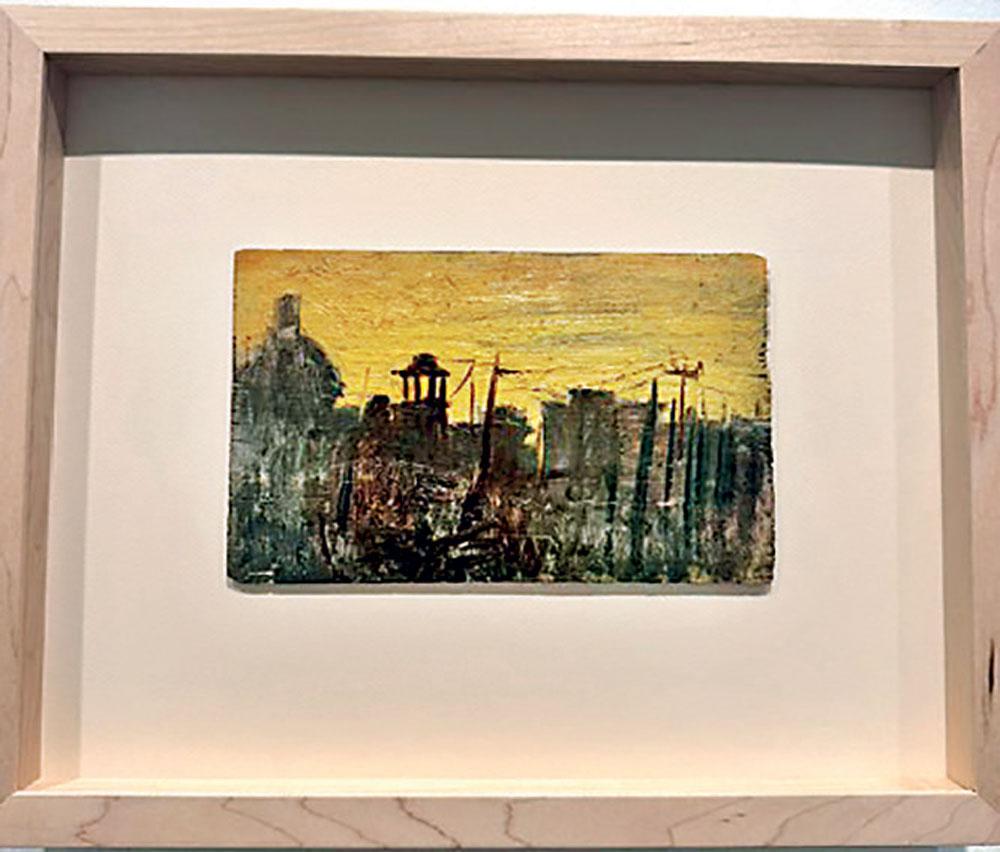
Barcelona Rooftops (1896)
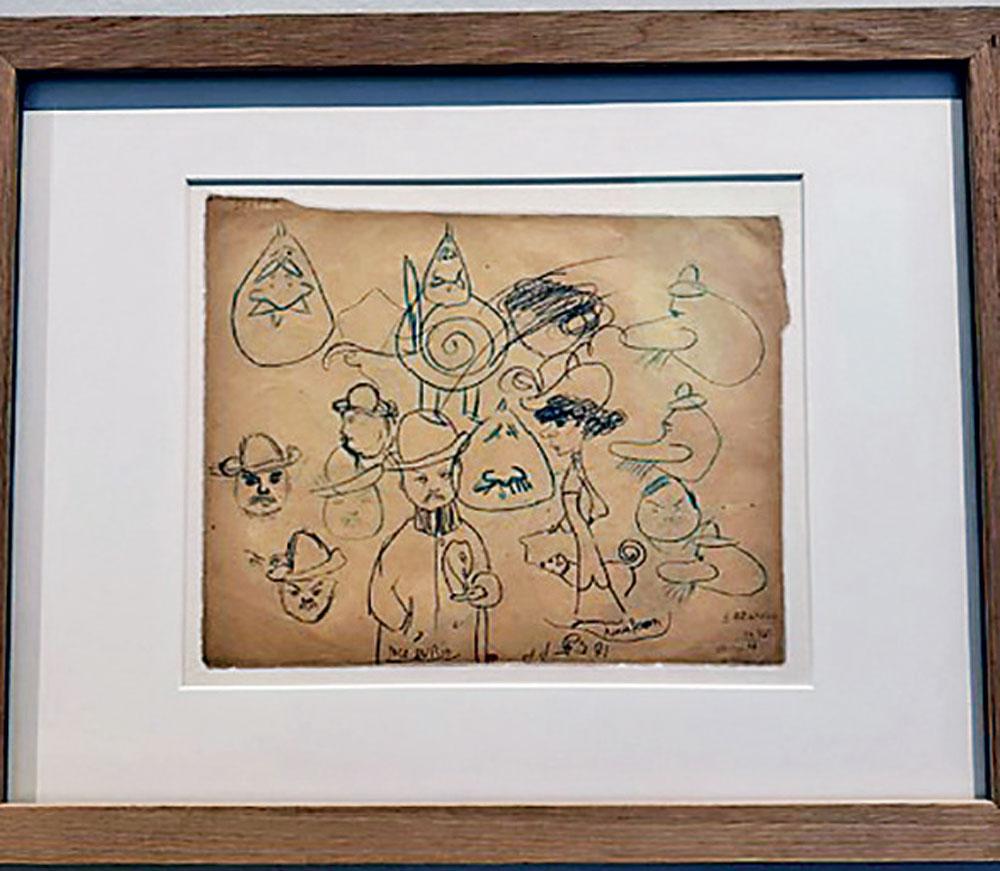
Sketches of Figures
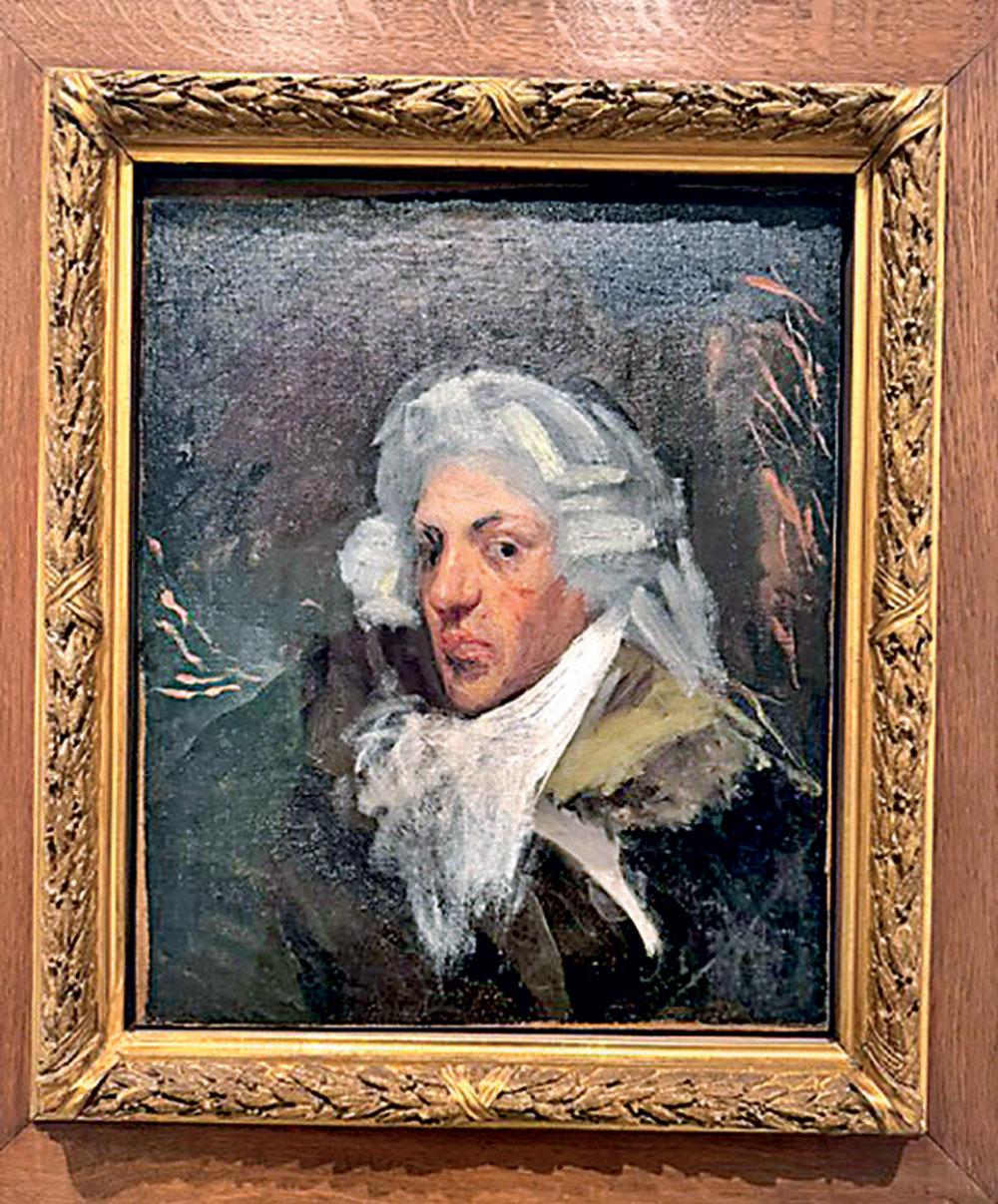
Self Portrait with Wig
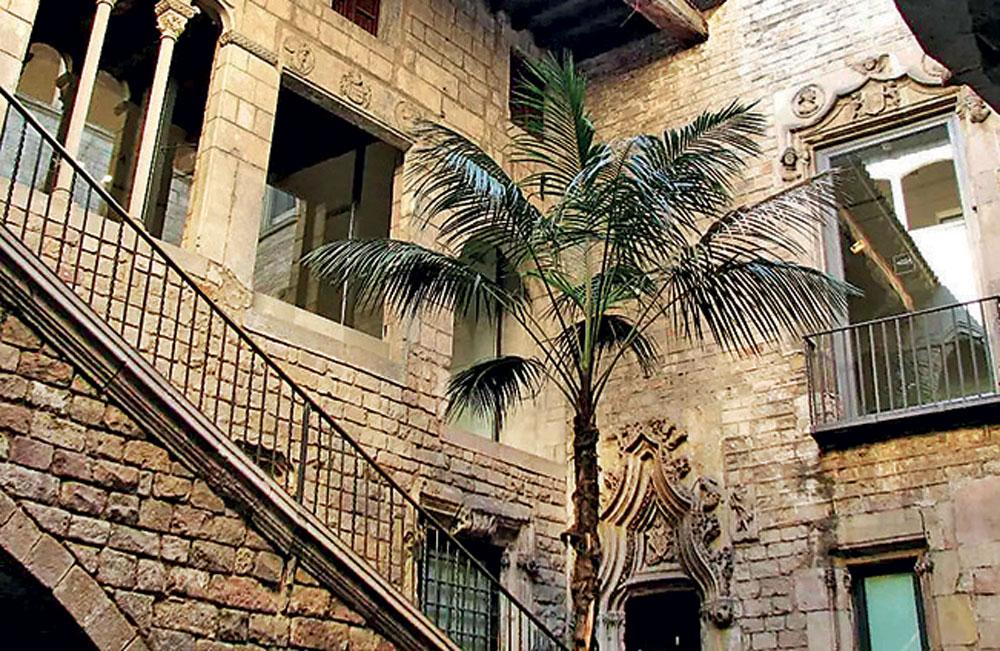
The Museu Picasso, Barcelona