Bad Bunny’s Super Bowl 2026 Halftime Show Redefined the American Stage

Jessica Alba
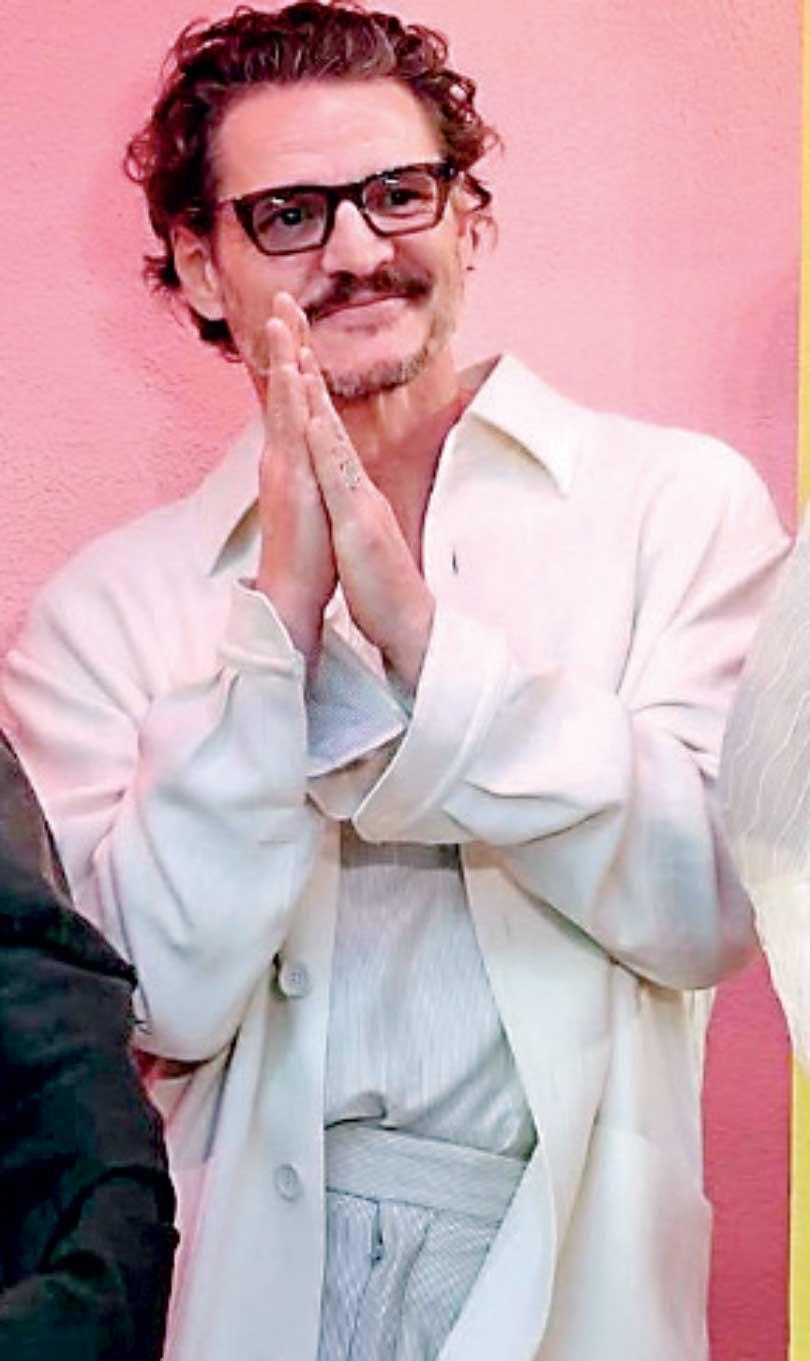
Pedro Pascal
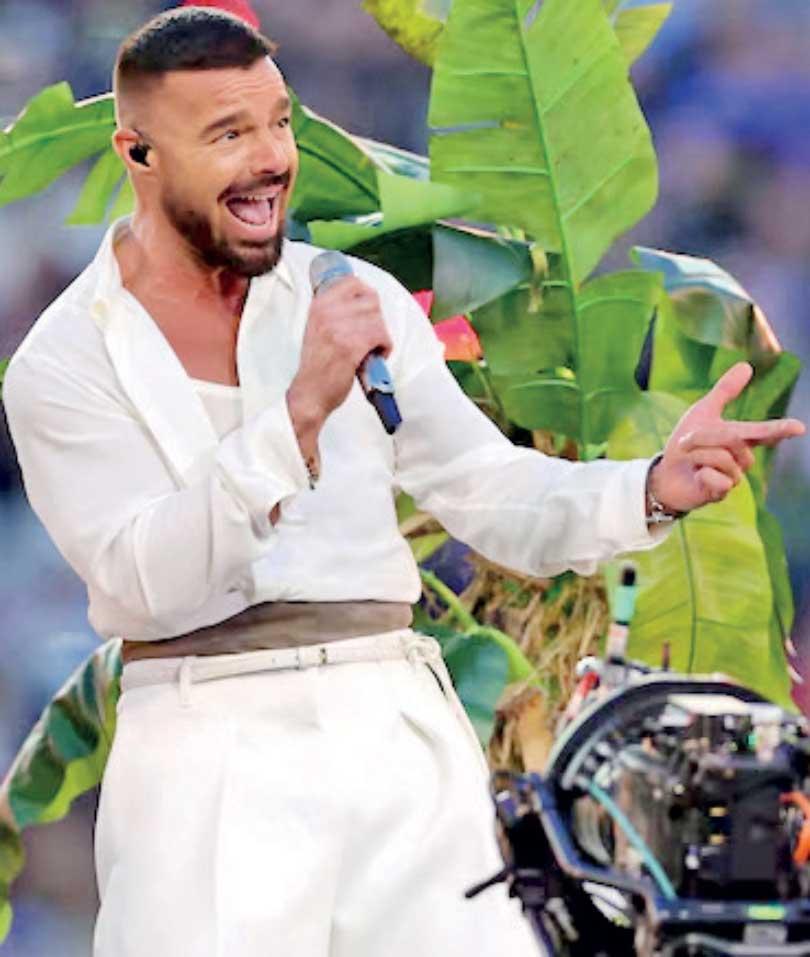
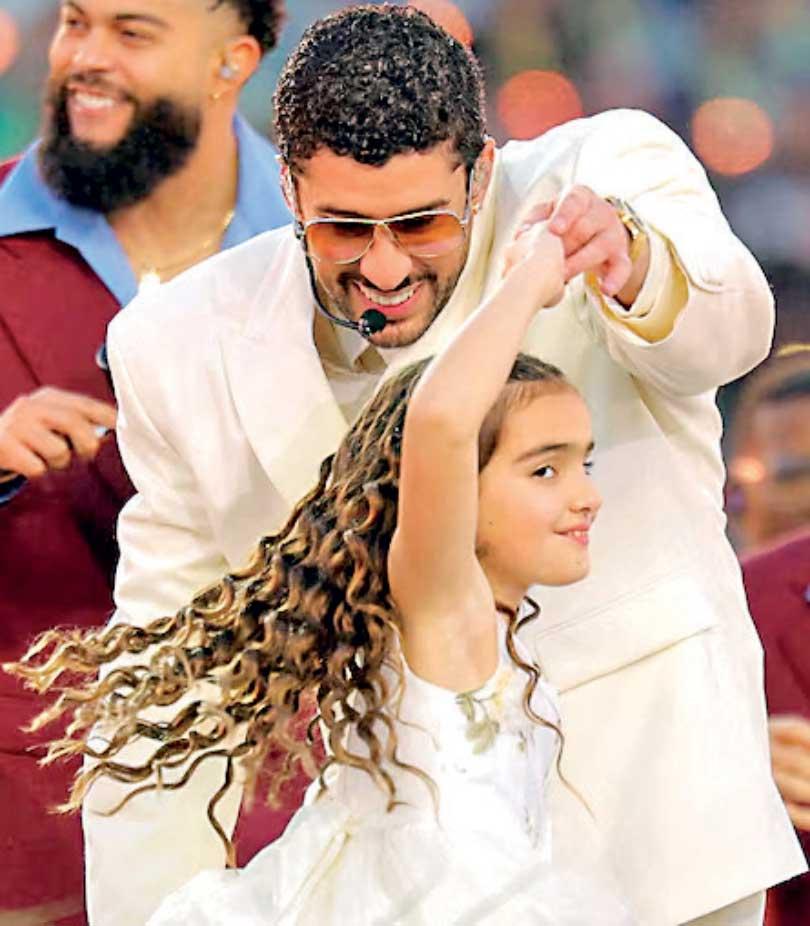
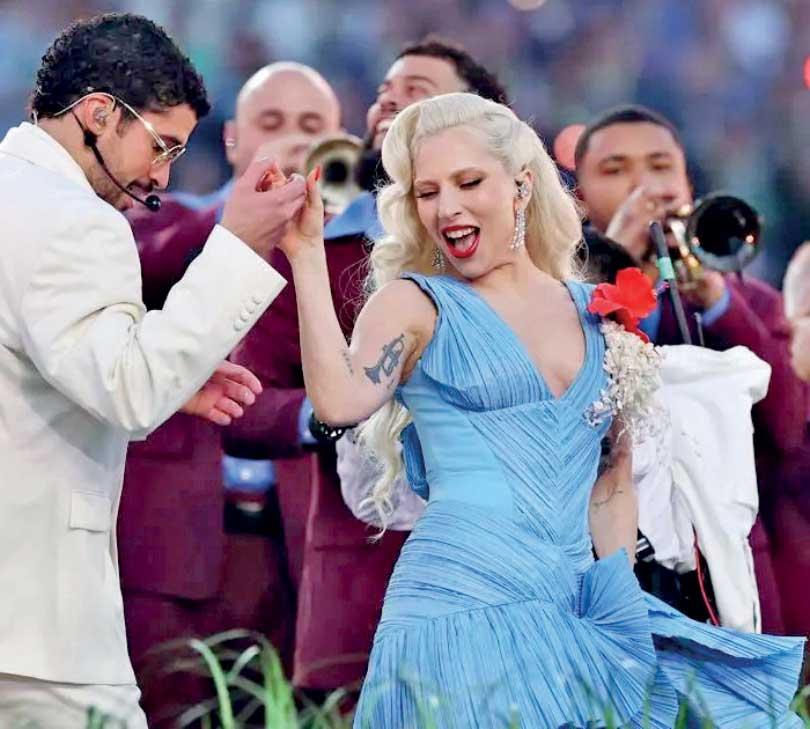
Bad Bunny and Lady Gaga
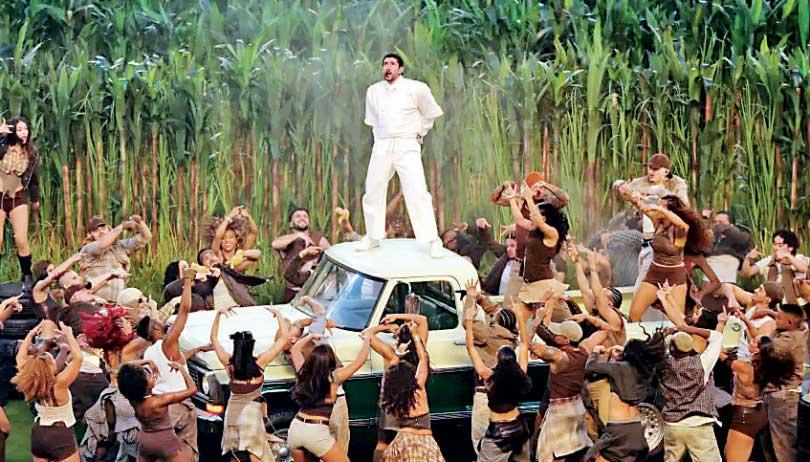
On the evening of February 8, 2026, Levi’s Stadium in Santa Clara, California, became the epicentre of a cultural moment unlike any in Super Bowl history. Bad Bunny, the Puerto Rican artist whose music has dominated global charts and streaming platforms, stepped onto one of the world’s biggest stages to headline the Apple Music Super Bowl LX Halftime Show. In a performance that was vibrant, deeply personal, unapologetically rooted in Spanish language and Latino culture, and rich with symbolism, Bad Bunny delivered a spectacle that sparked admiration, debate, and reflection long after the final note faded. The Super Bowl halftime show has long been one of the most watched musical performances of the year, historically dominated by English language pop stars and artists with crossover appeal. Bad Bunny’s performance challenged that tradition in the most visible way. He delivered nearly the entire set in Spanish, performing hits that have propelled him into global superstardom without altering them for a broader English dominant audience.
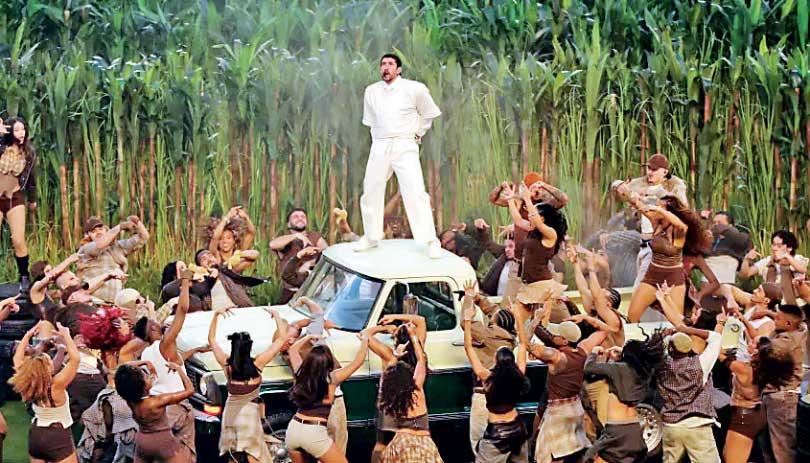
From the moment the lights dimmed and the unmistakable beat of Tití Me Preguntó echoed through the stadium, it was clear that this would not be a conventional halftime show. The stage transformed into a vibrant homage to Puerto Rico, filled with imagery reminiscent of tropical streets, food vendors, carnival colours, and scenes of community life. The choreography mixed reggaeton and salsa rhythms with contemporary staging, crafting an atmosphere that felt both celebratory and deeply immersive, inviting viewers not just to watch but to experience part of Bad Bunny’s cultural world. Bad Bunny’s setlist drew heavily from his vast catalog, featuring tracks that have dominated global streaming charts and resonated with fans across continents. He performed every song in Spanish, maintaining linguistic consistency throughout the show. The only brief English phrase spoken live on stage came near the end when he said “God Bless America” before listing countries and territories across the Americas, a gesture that underscored his message of inclusivity and shared identity.
The choice to perform almost entirely in Spanish was not merely a stylistic decision. It was a statement about cultural identity, representation, and the evolving landscape of global music. For millions of Latino viewers in the United States and around the world, seeing a Spanish language artist command such a prominent stage felt historic, reflecting demographic shifts and the growing influence of Spanish speaking communities. Never before had a Super Bowl halftime headliner so fully centred Spanish and Latino identity in both language and artistic expression. Messages of unity and resilience were threaded throughout the performance. One of the most striking visual moments came when Bad Bunny held up a football inscribed with the words “Together We Are America,” suggesting that cultural specificity and national identity need not be in tension. Later, massive screens displayed phrases such as “The only thing stronger than hate is love,” reinforcing a theme of connection and shared humanity that resonated with fans of all backgrounds.
The production was layered with symbolic references to Puerto Rican history and experience. At one point, dancers scaled props resembling power lines that burst with light in time with the music, a visual many commentators interpreted as a reflection of Puerto Rico’s ongoing struggles with infrastructure and recovery after devastating hurricanes. Another segment featured elements of everyday life, from domino games to food stands, blending celebration with cultural storytelling.
The performance also featured high profile collaborators and surprise guests, adding depth and intergenerational resonance to the show. Lady Gaga appeared in a salsa inflected reinterpretation of her song Die With a Smile, embracing the Spanish language tone and adding her own energy to the set. The pairing felt organic, a meeting of cultural sensibilities rather than a forced crossover. Shortly after, Ricky Martin, whose career helped pave the way for global Latin pop visibility decades earlier, appeared briefly to perform a part of Lo Que Le Pasó a Hawaii, a song with deep cultural resonance about gentrification and community.
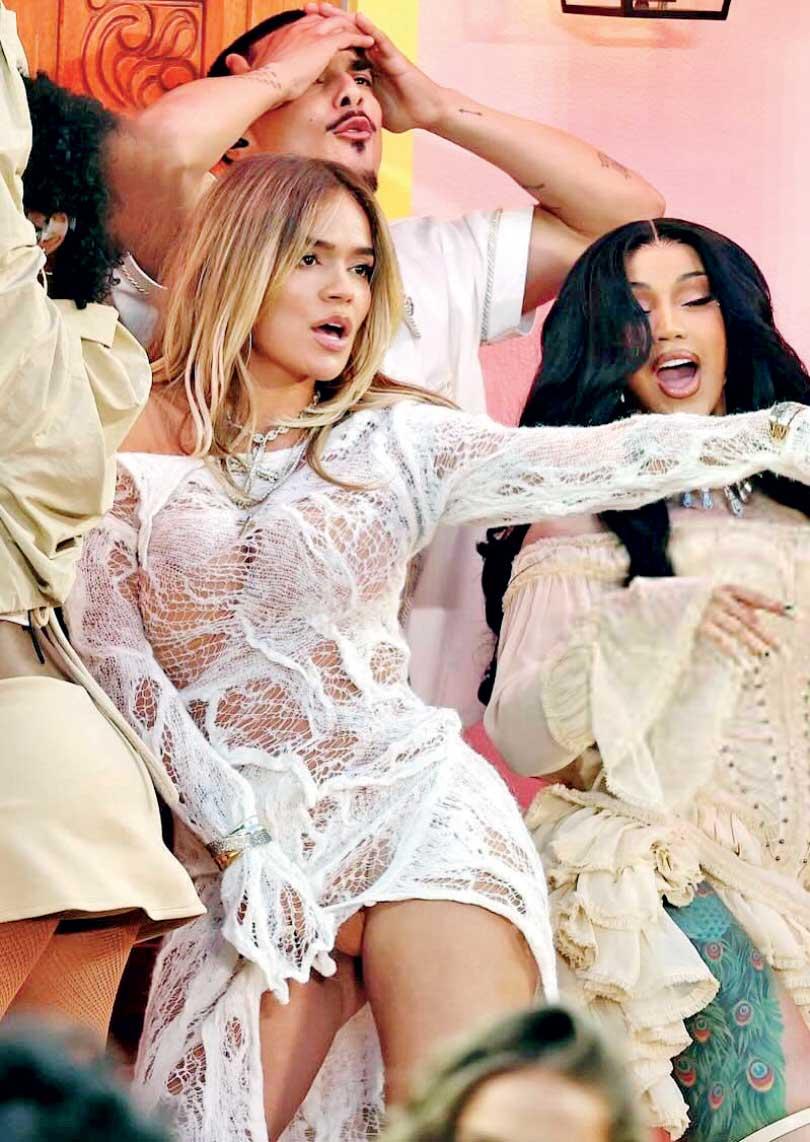
Cardi B, whose career has blended English and Spanish with global appeal, joined the performance during the house party segment, dancing with spirited energy. Actors Jessica Alba and Pedro Pascal, along with entrepreneur David Grutman, also appeared, not as performers but as part of the celebratory ensemble, illustrating how Latino influence spans music, film, television, and culture at large. The result was a show that felt less like a solo concert and more like a cultural gathering, a shared moment of pride, joy, and representation for viewers who rarely see their language and heritage centred on such a massive global broadcast. Estimates suggest the halftime show drew more than 130 million viewers worldwide, making it one of the most watched in Super Bowl history. Social media exploded with clips of fans singing along, dancing in their living rooms, and celebrating the performance regardless of their own language fluency, underscoring how music can transcend words and connect through rhythm and emotion.
However, as with many transformative cultural moments, celebration was accompanied by controversy. Some conservative commentators and viewers expressed dissatisfaction with the language choice and cultural framing of the show. Social media posts ranged from sharp criticism to outright hostility, with some arguing that the halftime show, as an iconic American institution, should prioritize English language music.
Among the loudest online reactions was a public condemnation from President Donald Trump, who described the show as “absolutely terrible, one of the worst ever,” dismissing its artistic and cultural merits. He framed his comments in terms of national values and expectations for a Super Bowl performance, intensifying discussions about American identity and the role of cultural representation in mainstream media. Other conservative commentators criticized the performance for being conducted almost entirely in Spanish. Megyn Kelly, during a televised conversation with Piers Morgan, argued that the halftime show should have prioritized English given the Super Bowl’s status as an American institution. She described the linguistic focus as alienating to English speaking viewers and questioned whether the show served as a unifying national moment. Morgan pushed back during the discussion, noting that the United States does not have an official language, and that cultural diversity has long shaped its identity. Nevertheless, Kelly’s remarks circulated widely online, fuelling a broader debate about language, assimilation, and representation.
Political and cultural disagreements quickly spilled into broader media coverage. Conservative groups such as Turning Point USA organized an alternative broadcast titled the All-American Halftime Show, featuring artists with a more traditional rock or country orientation, including Kid Rock, streamed simultaneously with the official halftime performance. Although the alternative broadcast drew millions of views on platforms such as YouTube, its numbers were significantly lower than those of Bad Bunny’s show, highlighting that while polarization exists, the global impact of the official performance was far greater.
Many cultural commentators and music critics praised Bad Bunny’s show as a bold affirmation of artistic authenticity and cultural visibility. They emphasized that Latin music has been a dominant force in global streaming for years and that the Super Bowl stage simply reflected that reality rather than resisting it. Critics noted that the show’s energy, visual storytelling, and attention to cultural specificity elevated it beyond a performance into a moment of collective recognition for audiences around the world.
Public reaction was far from uniform. On social media, fans from diverse backgrounds shared how the performance affected them emotionally, noting that even without understanding every lyric, they felt moved by the energy, the celebration of identity, and the invitation to appreciate cultures outside their own. Others reflected on how the show highlighted shifting cultural dynamics in America and how the Super Bowl halftime stage had evolved into a forum where global voices could be heard confidently. At the same time, some viewers criticized the music style, linguistic choice, or artistic direction, illustrating how high-profile cultural moments serve as mirrors for broader public sentiment as much as they serve as entertainment. Amid social media debate, independent reflections emerged on the broader significance of the show. Some saw it as an affirmation of how global pop culture has transformed in recent years, how language barriers have lessened in a digital era where tracks in multiple languages dominate charts around the world. Others described the performance as a redefinition of what American entertainment can include, a moment when mainstream stages acknowledge and elevate voices once considered peripheral.
Celebrity attendance added another layer of intrigue. Kim Kardashian was spotted in the stands, applauding during several segments alongside her rumoured boyfriend, Formula One champion Lewis Hamilton, and her sister Kendall Jenner. Their presence reinforced the Super Bowl’s status as a global entertainment gathering that extends far beyond American football.
Bad Bunny’s halftime show was more than a performance. It was a cultural milestone that reflected both continuity and change. On the one hand, it celebrated musical excellence and global influence. On the other, it catalysed debate about identity, language, and representation in American culture. For many Latinos around the world, seeing Spanish language music celebrated on such a massive stage brought a sense of pride rarely felt in a setting so broadly viewed. For others, it sparked reflection on how cultural expression intersects with public perception and national narratives.
In the days following the halftime show, media coverage continued to explore what the performance meant for audiences and the future of global entertainment. Some framed it as a unifying moment that expanded the notion of American identity to be more inclusive and global. Others focused on the cultural conflicts it revealed, debates about language, nationhood, and belonging that extend far beyond music and sport. Ultimately, Bad Bunny’s Super Bowl halftime performance will be remembered as a defining cultural moment of the decade. It challenged assumptions about language and mainstream appeal, reaffirmed the power of music to transcend borders, and invited a global audience into a celebration of identity, community, and joy. Whether hailed as groundbreaking or criticized as controversial, the show ensured one thing above all else; it will not be forgotten.