

Ash Wednesday and Lent are among the most meaningful periods in the Christian calendar, inviting believers into a season of reflection, repentance and renewal. While the visible mark of ashes on the forehead has become one of the most recognisable symbols of Christian faith in the public sphere, the deeper meaning of Ash Wednesday and the journey of Lent extends far beyond a single day. Together, they form a spiritual rhythm that calls individuals to pause, examine their lives and prepare their hearts for the celebration of Easter.
Ash Wednesday marks the beginning of Lent, a forty-day period of spiritual preparation leading up to Easter Sunday. The number forty carries deep biblical significance. In the Christian tradition, it recalls Jesus fasting for forty days in the wilderness before beginning his ministry. It also reflects the forty years the Israelites spent wandering in the desert and the forty days of rain during the story of Noah’s flood. These periods of forty represent times of testing, purification and transformation. Lent mirrors this symbolism by becoming a season where believers step back from distractions and focus on spiritual growth.
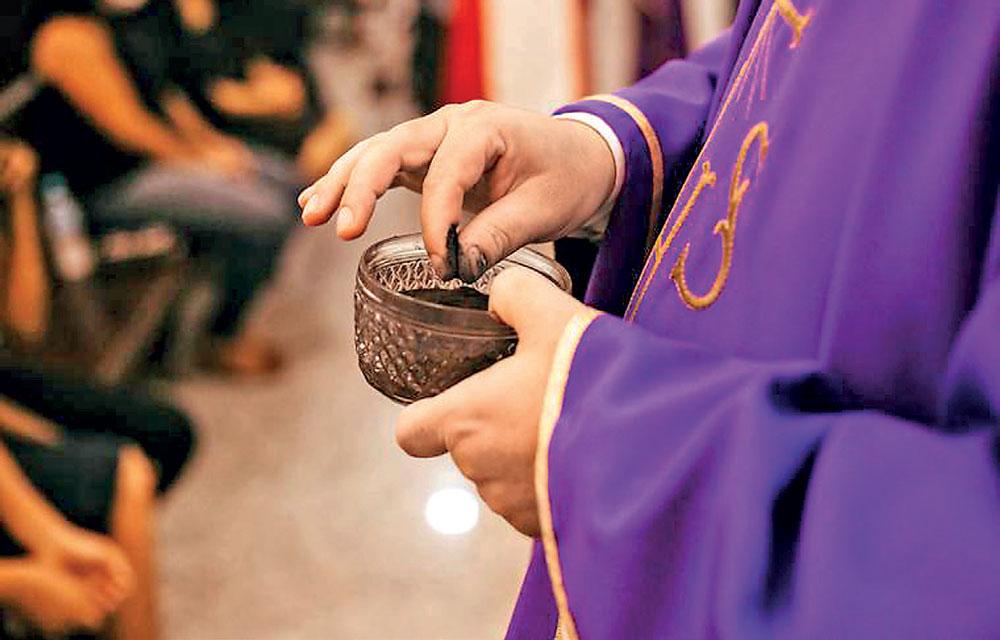
One of the most powerful and visible aspects of Ash Wednesday is the imposition of ashes on the forehead. The ashes are usually made from palm branches used in the previous year’s Palm Sunday celebrations, creating a symbolic cycle that connects moments of joy and triumph with humility and repentance. The words spoken during the marking of ashes are often Remember that you are dust and to dust you shall return or Repent and believe in the Gospel. These words remind believers of the fragility of life, the reality of mortality and the call to turn away from wrongdoing. In a world that celebrates success, image and achievement, the ashes offer a countercultural message of humility. They speak of human limitation and the need for grace.
Ash Wednesday is not meant to be a performance of sorrow or guilt. Instead, it serves as a gentle but firm invitation to honesty. It asks people to acknowledge their shortcomings, their failures and their need for forgiveness. This act of acknowledgment is not meant to burden the believer with shame, but to open the door to healing and renewal. In Christian theology, repentance is not simply about feeling regret. It is about turning the heart back toward God and choosing a new direction for one’s life.
Lent continues this journey that begins on Ash Wednesday. Traditionally, Lent is observed as a time of fasting, prayer and charitable action. Fasting during Lent often takes the form of giving up certain foods or comforts, though the deeper purpose is not self-denial for its own sake. Instead, fasting is intended to create space for spiritual awareness. By letting go of small comforts, believers are reminded of those who live without basic necessities and are encouraged to grow in compassion. The hunger or discomfort experienced through fasting becomes a physical reminder of deeper spiritual hunger, the longing for meaning, connection and peace.
Prayer is another central pillar of Lent. During this season, many Christians commit to spending more intentional time in prayer, reflection and reading of sacred texts. This period of quiet attention helps individuals step away from the constant noise of modern life and listen more closely to their inner spiritual needs. Lent encourages a slowing down of pace. It creates room for stillness in a culture that often values speed and productivity over presence. Through prayer, believers are invited to reflect on their choices, their relationships and their values.
Charitable action is the third key element of Lent. Often referred to as almsgiving, this practice calls believers to express their faith through acts of generosity and service. This may involve donating money, volunteering time or offering practical support to those in need. The emphasis on charity reminds believers that spirituality is not only about personal reflection, but also about responsibility toward others. Lent becomes a season where faith is translated into action. It challenges individuals to look beyond themselves and respond to suffering and injustice with compassion.
The importance of Ash Wednesday and Lent lies in their power to create a meaningful pause within the year. In many cultures, life moves at a relentless pace, shaped by deadlines, social pressures and digital distractions. Ash Wednesday interrupts this momentum. The simple act of receiving ashes becomes a moment of stillness in the middle of ordinary routines. It invites people to reflect on what truly matters. This pause is not an escape from daily life, but a way of re-entering it with greater clarity and purpose.

The significance of Lent also lies in its focus on inner transformation rather than outward performance. While some people view religious observance as a set of rules to follow, Lent offers a different vision. It is not primarily about perfection, but about honesty and growth. The practices of fasting, prayer and generosity are tools that help individuals become more aware of their inner lives. They reveal habits, attachments and patterns that may need to change. In this sense, Lent becomes a season of spiritual spring cleaning, clearing away what no longer serves the soul.
Ash Wednesday and Lent also hold communal significance. They remind believers that faith is not only an individual journey, but a shared experience. Churches around the world mark this season together, creating a sense of unity across cultures and traditions. The ashes on the forehead become a quiet sign of belonging to a larger story. Even among different Christian denominations, the themes of repentance, humility and renewal resonate deeply. This shared observance strengthens the sense of spiritual community and mutual support.
Beyond the boundaries of religious belief, the themes of Ash Wednesday and Lent carry universal relevance. The call to reflect, simplify and reconnect with deeper values speaks to people of many backgrounds. In a world often defined by excess and distraction, the idea of intentional restraint and mindful living has wide appeal. Lent offers a framework for examining personal habits, consumption patterns and emotional responses. It encourages a more thoughtful way of living that prioritises meaning over impulse.

The journey of Lent ultimately leads to Easter, the central celebration of Christian faith. Easter represents hope, renewal and the triumph of life over death. The reflective practices of Lent are meant to prepare the heart for this message of renewal. Without the honesty of Ash Wednesday and the discipline of Lent, the joy of Easter risks becoming shallow. The movement from ashes to celebration reflects a deeper spiritual truth that transformation often begins with acknowledgment of weakness and the courage to change.
In the end, Ash Wednesday and Lent are not about sorrow for its own sake. They are about making room for hope. The ashes remind believers of their humanity, but they also point toward the possibility of renewal. The practices of Lent invite people to let go of what weighs them down and to reconnect with what gives life meaning. In this way, Ash Wednesday and Lent remain deeply relevant in the modern world. They offer a path of reflection in a culture of distraction, humility in a culture of self-promotion and compassion in a culture of competition.
Through their quiet rituals and simple practices, Ash Wednesday and Lent continue to speak to the human desire for renewal, forgiveness and deeper connection. They remind believers that growth is a journey, not a single moment, and that meaningful change often begins with a pause, a breath and a willingness to turn toward what truly matters.