
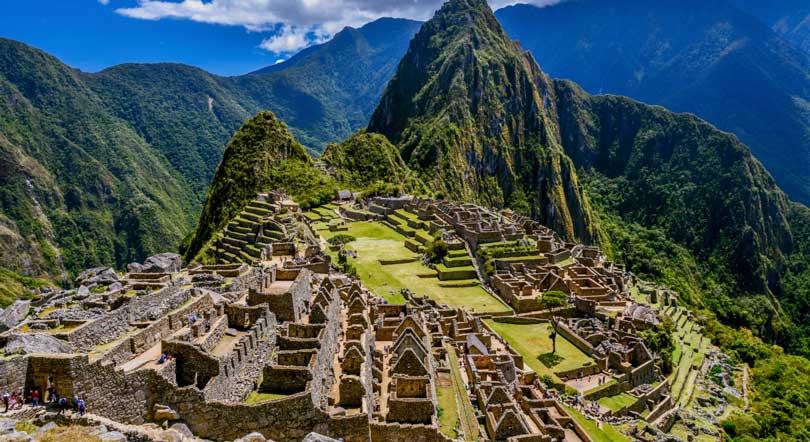
 There are destinations in the world that people visit for relaxation, others for adventure, and a rare few that completely transform the way we think about history and nature. Machu Picchu, hidden high in the Andes Mountains of Peru, belongs to that final category. It is not merely a famous landmark or a tourist attraction it is an emotional experience, a living museum, and a breathtaking encounter with the past all at once. Often referred to as The Lost City of the Incas, Machu Picchu continues to inspire awe, curiosity, and admiration in everyone who sets eyes upon it.
Perched nearly 2,430 meters above sea level, this ancient citadel appears as though it is floating between earth and sky. Surrounded by layers of mist in the early morning and glowing golden under the afternoon sun, Machu Picchu feels less like a physical place and more like a scene drawn from imagination. It is one of those rare destinations where photographs, no matter how stunning, never fully capture the true feeling of standing there in person.
One of the most magical aspects of Machu Picchu is its location. Unlike many ancient cities that were built in valleys or plains, this Incan masterpiece sits on a narrow mountain ridge, protected naturally by steep cliffs and dense forest. When the morning fog rolls through the mountains, the ruins slowly reveal themselves, stone by stone, creating a dramatic unveiling that feels almost theatrical. Travelers often describe their first glimpse of Machu Picchu as a moment of silence an instinctive pause where words simply fail.
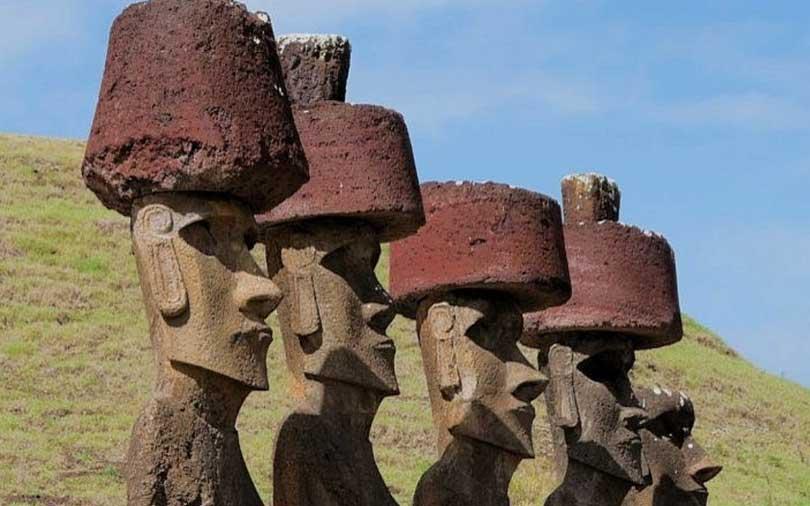
The Incas selected this location with remarkable wisdom. The surrounding mountains acted as natural barriers against enemies, while nearby rivers provided fresh water and fertile soil. Even centuries later, modern engineers and historians still marvel at how advanced the Incas were in choosing such a strategic and sustainable site without the help of modern technology or machinery.
Walking through Machu Picchu feels like stepping into a perfectly preserved chapter of history. Massive stone blocks, carefully carved and fitted together without mortar, form walls, terraces, temples, and staircases that have survived earthquakes, heavy rainfall, and centuries of change. The precision of the stonework is so extraordinary that even a thin blade of grass cannot fit between some of the stones. It is a silent testimony to the intelligence and craftsmanship of the Inca civilization.
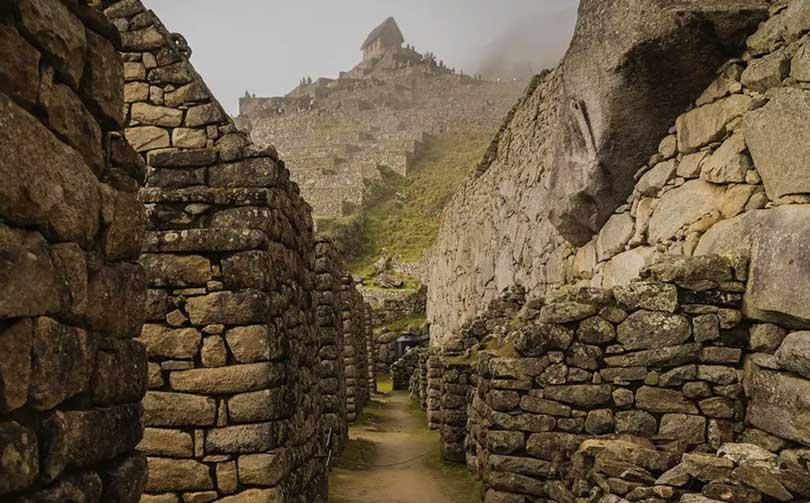
Among the many structures, the Temple of the Sun stands out as one of the most fascinating. Built with curved stone walls and aligned carefully with astronomical events, it reflects the Incas’ deep understanding of the cosmos. Sunlight enters the temple at precise angles during solstices, proving that this civilization observed celestial movements with astonishing accuracy. Nearby agricultural terraces reveal how the Incas cultivated crops efficiently, preventing soil erosion while maximizing farming space on steep mountain slopes.
What makes Machu Picchu truly unique is how seamlessly it blends with nature. Rather than dominating the landscape, the city appears to grow out of the mountain itself. Lush green peaks surround the ruins in every direction, creating a natural amphitheater of beauty. During certain seasons, wildflowers bloom between stone pathways, adding bursts of color to the ancient gray walls.
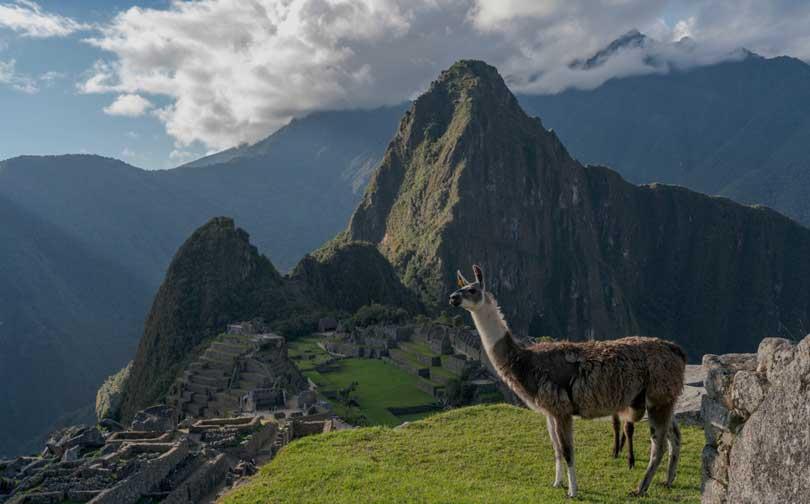
Wildlife also adds charm to the experience. Llamas, gentle and curious, wander freely among the ruins, often posing unintentionally for photographs. Bright birds dart through the air, and if you are lucky, you may even spot a majestic condor gliding above the valley. The sounds of nature wind brushing against grass, distant bird calls, and the echo of footsteps on stone replace the noise of modern life, creating a peaceful atmosphere that encourages reflection rather than distraction.
For those seeking a higher vantage point, climbing Huayna Picchu offers a panoramic view of the entire site. From above, Machu Picchu resembles a carefully crafted puzzle embedded within the mountains, a masterpiece of architecture framed by endless greenery and winding rivers far below.
Reaching Machu Picchu is an adventure in itself, and that journey contributes greatly to its magic. Many visitors begin their trip in Cusco, a historic city that once served as the capital of the Inca Empire. From there, travelers can take a scenic train ride through valleys and alongside rushing rivers. The journey offers ever-changing views of towering cliffs, cloud forests, and traditional villages that feel untouched by time.
For more adventurous souls, trekking the famous Inca Trail provides a multi-day hike filled with ancient ruins, mountain passes, and breathtaking viewpoints. Arriving at Machu Picchu at sunrise after days of walking creates an emotional reward that many travelers describe as life changing. It is not simply reaching a destination; it is earning a moment that feels deeply personal and unforgettable.
Another reason Machu Picchu continues to fascinate the world is the mystery surrounding its purpose. Historians debate whether it served as a royal retreat, a sacred religious center, or an astronomical observatory. Unlike many ancient cities, Machu Picchu was never discovered by Spanish conquerors, which helped preserve its structures. It remained hidden from the outside world until 1911, when explorer Hiram Bingham introduced it to international attention.
This sense of mystery adds depth to every visit. As you walk through silent stone corridors and open plazas, questions naturally arise. What ceremonies once took place here? What daily routines filled these terraces? Why was the city eventually abandoned? These unanswered questions transform Machu Picchu from a simple historical site into a living puzzle carved into the mountains.
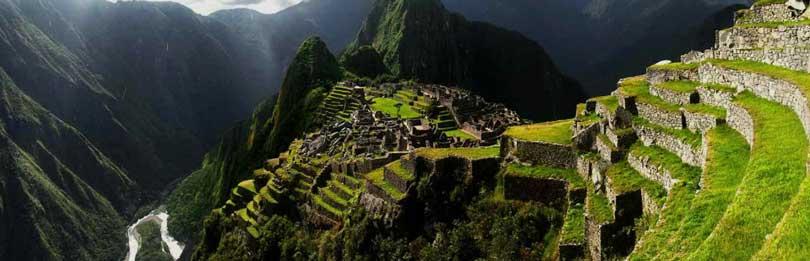
Machu Picchu is not a static destination it transforms constantly with light and weather. Early mornings bring soft golden hues that gently illuminate the stone walls. Midday sunlight intensifies the greens of surrounding mountains and reveals the intricate details of the ruins. As evening approaches, warm amber tones spread across the landscape, creating a glowing farewell before the mist often returns to cloak the city once again.
Rainy days add their own charm. Light showers create rainbows that stretch across valleys, while drifting clouds make the ruins appear and disappear like a mirage. No two visits are ever identical; the mountain decides its mood, and travelers become fortunate witnesses to its ever changing beauty.
Due to its global popularity, preserving Machu Picchu has become a shared responsibility. Visitor numbers are carefully regulated to protect the fragile environment and ancient structures from damage. Travelers are encouraged to stay on designated paths, avoid littering, and respect the cultural significance of the site. These efforts ensure that Machu Picchu remains intact for future generations.
Sustainable tourism also benefits nearby communities, supporting local guides, artisans, and businesses. By visiting responsibly, travelers become part of Machu Picchu’s ongoing story rather than merely observers. It becomes not just a trip, but a meaningful contribution to preserving history.
What truly makes Machu Picchu unforgettable is not only its architecture or scenery, but the emotions it awakens. Standing among centuries old stones while clouds drift below your feet creates a rare sense of perspective. You feel connected to ancient civilizations, natural forces, and human creativity all at once. It is a reminder of what humanity once achieved with patience, intelligence, and harmony with nature.
Many visitors leave Machu Picchu with more than photographs they leave with inspiration, humility, and renewed curiosity about the world. In an era filled with busy cities and digital distractions, Machu Picchu stands as a timeless sanctuary above the clouds. It proves that wonder still exists, that mysteries remain unsolved, and that somewhere high in the Peruvian mountains, an ancient city continues to greet each sunrise just as it did centuries ago; silent, majestic, and eternally extraordinary.