
Ash Wednesday always arrives quietly. There’s no countdown, no decorations in the streets, no loud music announcing it. Yet for many Christians around the world, it marks the beginning of one of the most reflective seasons of the year. It’s the day that gently reminds people to pause, look inward, and begin again. Falling at the start of Lent, Ash Wednesday opens a forty-day journey of reflection, prayer, and often sacrifice. The number forty itself carries deep meaning in Christianity; it mirrors the forty days that Jesus Christ spent fasting in the wilderness, facing temptation and preparing for his ministry. So, Ash Wednesday isn’t just about a ritual; it’s about stepping into that same spirit of preparation. It asks a simple but heavy question: what needs to change in me?
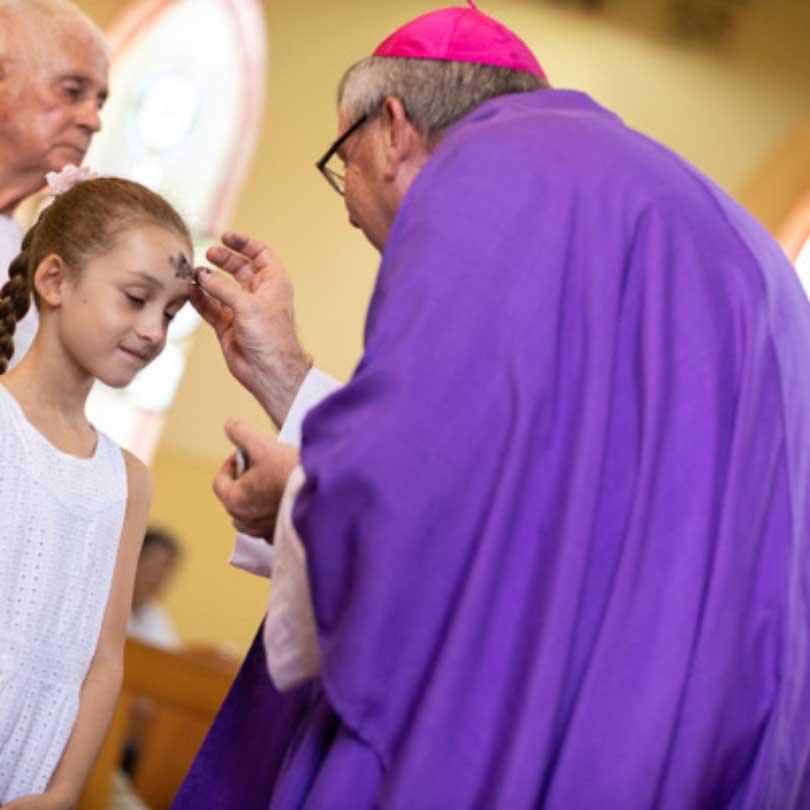
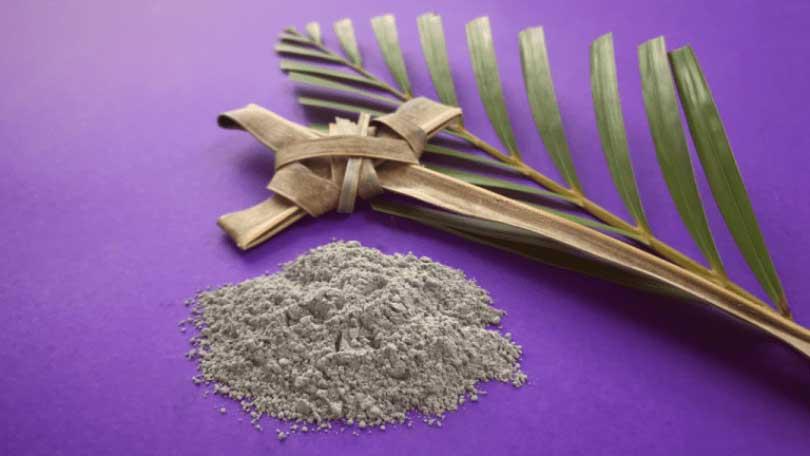
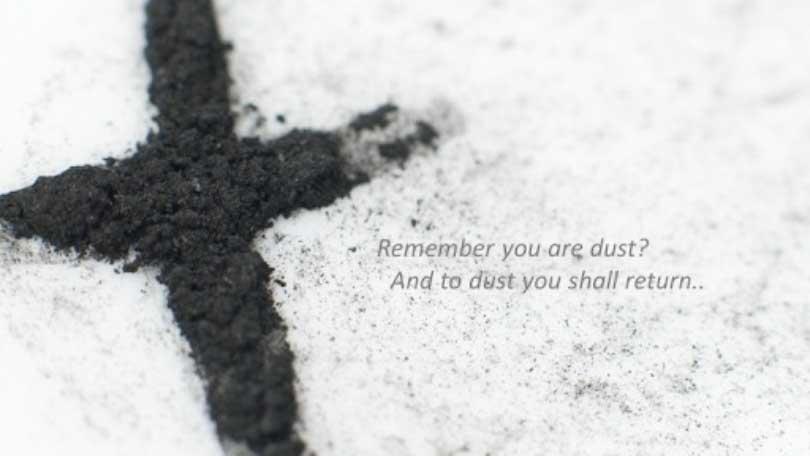
One of the most recognisable parts of Ash Wednesday is the ashes themselves. In many churches, people walk up quietly and receive a small cross of ash on their foreheads. As it’s placed, the priest or minister often says, “Remember that you are dust, and to dust you shall return.” It’s a sentence that sounds almost harsh at first. But the intention isn’t to scare people, it’s to remind them of humility, of how fragile and temporary life really is. In a world where we’re constantly told to chase success, attention, and perfection, this moment grounds people in something more real. The ashes usually come from burned palm leaves from the previous year’s Palm Sunday services. There’s something poetic about that. The same branches that were once waved in celebration are turned into ashes for reflection. It quietly shows how faith holds both joy and seriousness together. It’s not always about celebration; sometimes it’s about honesty with ourselves.
For many, Ash Wednesday also signals the start of giving something up for Lent. Some people fast from certain foods, others step away from habits like social media, sweets, or even negative thinking. While it might look like a religious version of a New Year’s resolution, the heart of it is different. The goal isn’t self-improvement for appearance’s sake; it’s making space. Space to think, to pray, to reset priorities. When something is removed, even temporarily, people often realise how much it occupied their minds in the first place. What makes Ash Wednesday powerful isn’t the ash or the fasting itself. It’s the invitation behind it. It’s a chance to start fresh without pretending the past didn’t happen. Christianity has always carried this theme of renewal. From stories in the Bible to everyday sermons, the message repeats: people aren’t defined by their mistakes, but by what they do next. Ash Wednesday becomes the doorway to that next step.
It’s also one of the rare days when faith becomes publicly visible. You might see someone walking by with a faint ash cross on their forehead, heading to work, sitting on a bus, or standing in line at a shop. It’s not worn for attention; in fact, many forget it’s even there. But for those who observe it, it’s like carrying a quiet reminder throughout the day, a small sign that something deeper is happening inside. Different Christian traditions observe Ash Wednesday in slightly different ways. The Roman Catholic Church, Anglican, Lutheran, and some Protestant communities hold formal services with readings, prayers, and the imposition of ashes. Others may mark the day more personally, through private prayer or reflection. But the theme stays the same across traditions: repentance, humility, and preparation.
There’s also something comforting about the timing of Ash Wednesday. It usually falls after months that can feel rushed and noisy, the end-of-year celebrations, the pressure of new beginnings, and the fast return to routine. Ash Wednesday interrupts that rhythm. It doesn’t shout for attention; it simply asks people to slow down. And in a time where everything moves quickly, that pause can feel surprisingly meaningful.
Even for people who aren’t deeply religious, the message of Ash Wednesday can still resonate. The idea of taking a moment to reflect on life, acknowledge faults, and try again isn’t limited to faith. It’s human. Everyone carries regrets, unfinished goals, or things they wish they’d handled differently. Ash Wednesday offers a structured moment to face those thoughts, not with shame, but with hope. Because ultimately, the day isn’t about endings, it’s about beginnings. It marks the first step toward Easter, toward renewal and joy. But before celebration comes reflection. Before hope is fully felt, honesty has to happen. Ash Wednesday gently leads people through that order.
In many ways, it’s a quiet reset button. Not the dramatic, overnight change people often imagine, but the kind that begins with small decisions. A prayer said more intentionally. A habit paused. A conversation approached with more kindness. None of these things are huge on its own, but together they start to shift something inside. That’s what makes Ash Wednesday meaningful year after year. It doesn’t promise perfection. It doesn’t demand a dramatic transformation. It simply offers a chance, a reminder that life is temporary, grace is possible, and change can begin at any moment. And maybe that’s why the day still matters. Because in the middle of ordinary routines, it quietly tells people that starting over is always an option.