What’s Next in Style The Definitive Fashion Trends of 2026
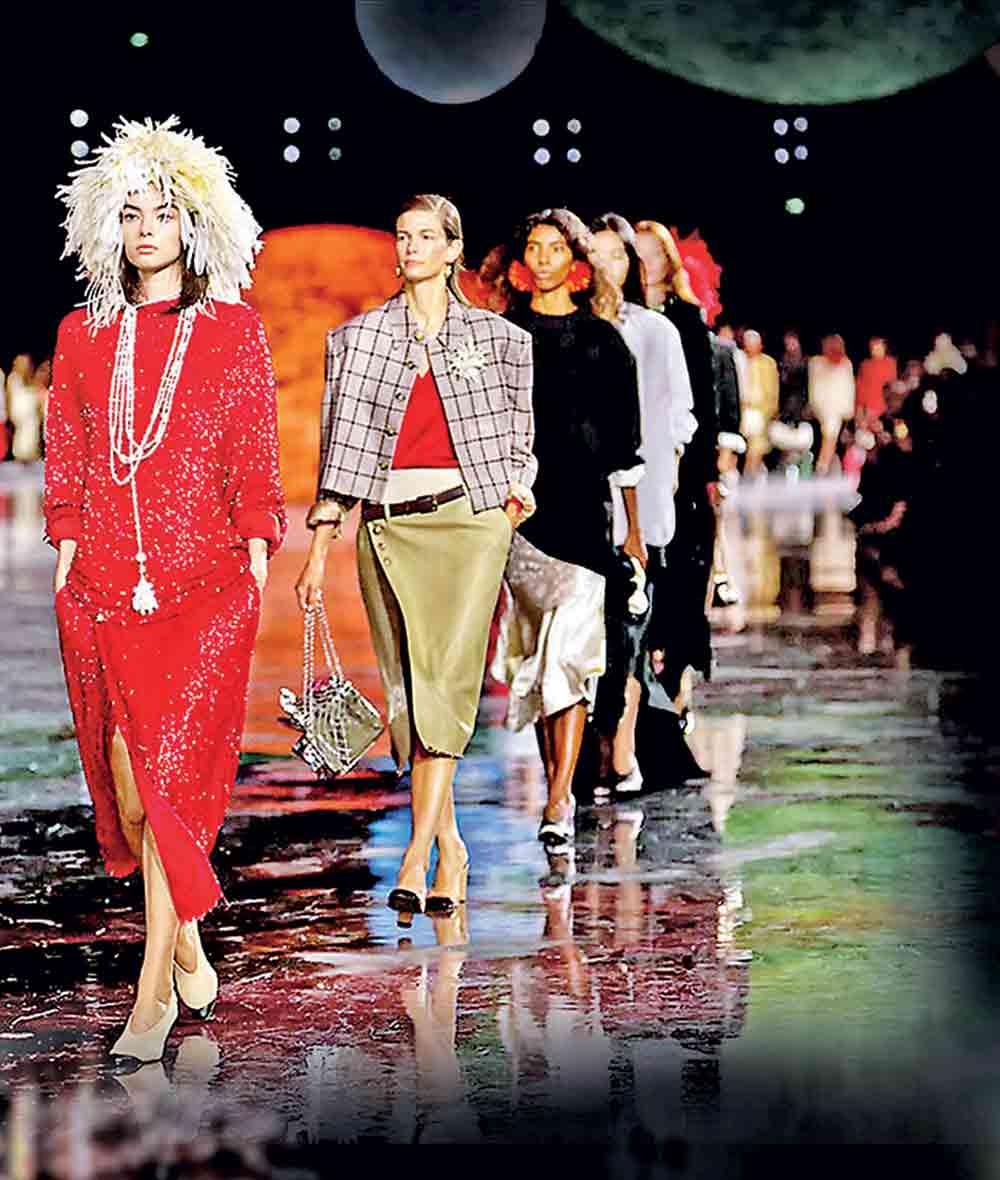
Chanel show
 If the past few years in fashion were defined by quiet luxury, 2026 marks a clear turning point. The industry is stepping into a more expressive, emotionally driven era. one where clothing becomes a language. As designers, consumers and culture recalibrate after years of minimalism, fashion is rediscovering its power to communicate identity, mood and meaning. The trends emerging for 2026 are not about novelty for novelty’s sake. Instead, they reflect a deeper desire for connection: to craftsmanship, to nostalgia, to self-expression, and to purpose. From romantic silhouettes to emotionally charged colour palettes, fashion is shifting from “quiet” to intentional. Here’s what we can expect to define the style landscape of 2026.
Romanticism Returns, But with Modern Confidence
One of the most notable shifts for 2026 is the return of romance in fashion. Lace, sheer fabrics, fluid draping and soft silhouettes are re-entering wardrobes, but this time, they’re stripped of fragility. Instead of overtly delicate dressing, designers are presenting romantic elements with structure and strength. Lace skirts are paired with sharp tailoring. Sheer blouses are grounded with denim or masculine outerwear. Flowing dresses coexist with bold footwear and sculptural accessories. This contrast speaks to the modern wearer: feminine but not passive, soft yet self-assured. Texture plays a central role here. Fringe, pleating, ruching, and tactile layering are replacing flat minimalism, creating garments that invite movement and touch. Fashion in 2026 is not meant to sit still, it’s designed to be experienced.
From Quiet Luxury to Emotional Expression
After seasons dominated by beige palettes, logo-less tailoring and discreet elegance, consumers are craving something more personal. Quiet luxury isn’t disappearing, but it is evolving. In 2026, fashion leans toward emotional resonance rather than status signalling.
Colour returns with purpose. Icy blues, washed khakis, earthy browns and muted metallics offer balance, grounding yet expressive.
Rather than loud brights, these tones evoke mood and atmosphere. They feel intentional, reflective, and deeply wearable. This emotional turn reflects a wider cultural shift. People no longer dress solely for aesthetics or trends; they dress to feel something. Clothing becomes a quiet companion, a source of comfort, confidence or empowerment, rather than a performance.
Nostalgia Reimagined for Now
Fashion’s relationship with nostalgia deepens in 2026, but without becoming costume-like. Designers continue to reference the ‘80s and ‘90s, oversized blazers, defined shoulders, utility belts and office-coded silhouettes, but refine them for contemporary life. The result is familiarity without predictability. Workwear becomes more fluid. Corporate silhouettes soften. Pieces once associated with rigidity are reinterpreted as tools of self-expression rather than conformity. Even prints follow this logic. Animal motifs, once bold and literal, are softened into abstract, nature-inspired patterns. Think “enchanted forest” tones rather than high-contrast statements, subtle nods to the past that feel organic rather than overt.
 |
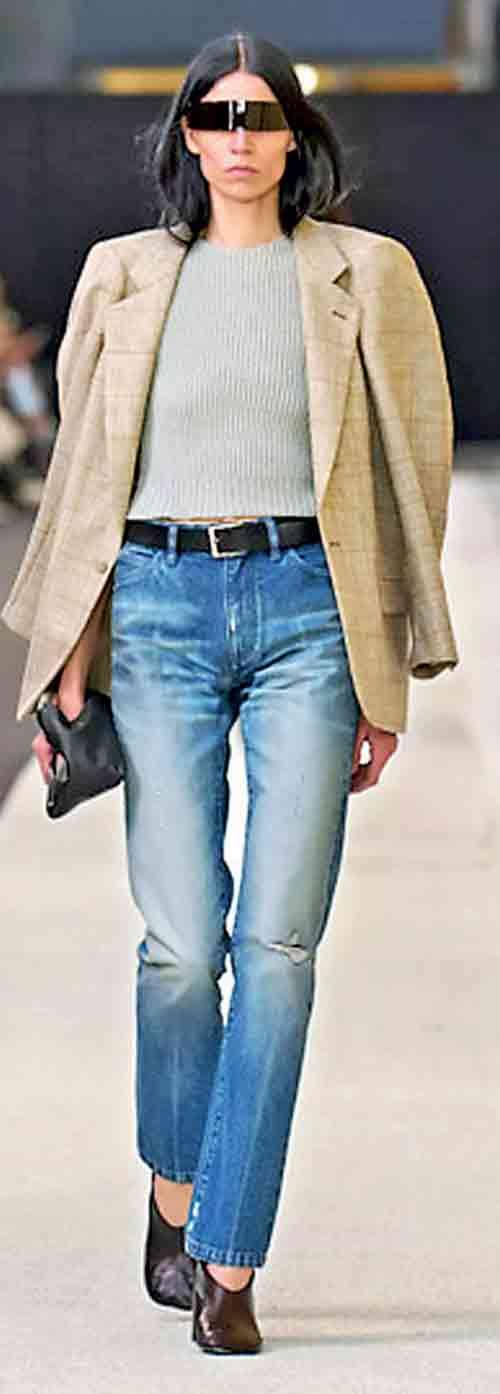 |
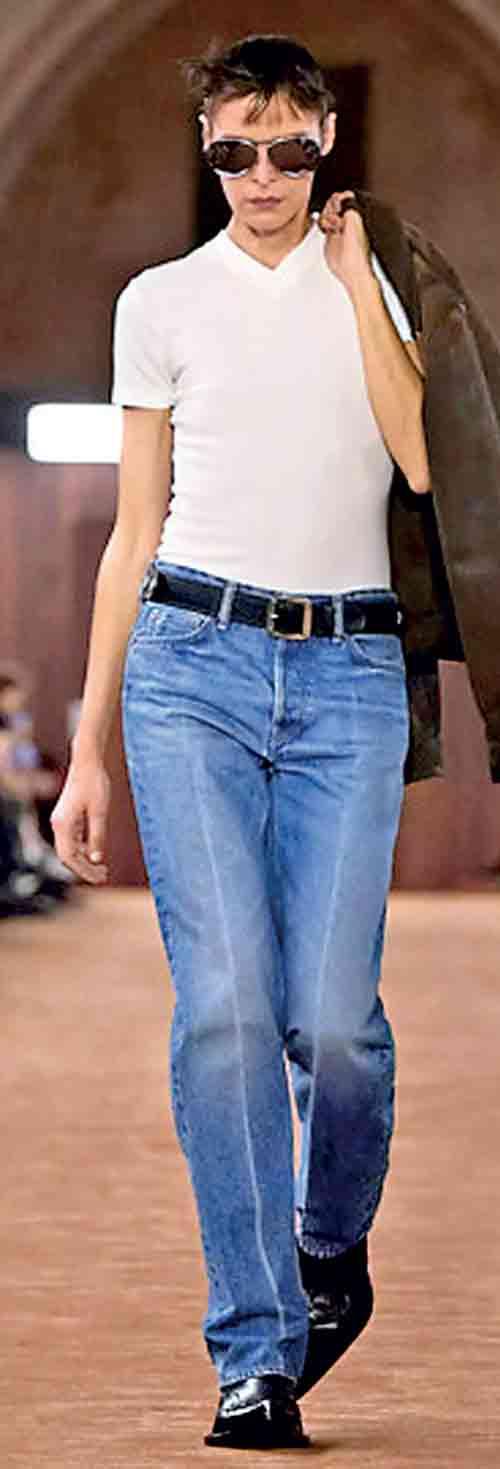
Maison Margiela & Acne Studios SS26
Denim and the Rise of Functional Chic
In 2026, denim reclaims its position as fashion’s great equaliser. After seasons of experimentation, the focus returns to well-cut, timeless denim that prioritises comfort, longevity and versatility.
Straight-leg jeans, relaxed silhouettes and elevated denim sets dominate collections. Rather than trend-led shapes, designers emphasise craftsmanship and wearability, reinforcing denim’s role as a wardrobe anchor rather than a fleeting trend.
Alongside this, workwear influences continue to shape everyday dressing. Utility jackets, structured boilersuits and functional tailoring speak to a generation that values practicality as much as polish. Fashion is increasingly designed to adapt to real life, not the other way around.
Accessories as Identity Not Afterthought
If there is one category truly leading the charge in 2026, it’s accessories. No longer secondary, they have become the primary vehicles for personal storytelling.
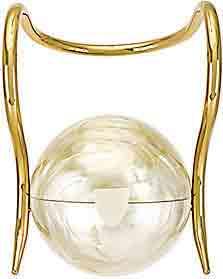
Pendant necklaces, sculptural jewellery and tactile materials dominate, reflecting a move toward pieces that feel symbolic rather than purely decorative. Jewellery, in particular, is shifting toward meaning, items worn as reminders, talismans or markers of personal growth.
Handbags and footwear also follow this expressive path. Statement details, heritage references and thoughtful craftsmanship replace fast-trend designs. Consumers are investing in fewer pieces but choosing them with greater intention.
In many ways, accessories are becoming the most intimate part of fashion, the final layer where individuality is fully expressed.
Sustainability With Substance
By 2026, sustainability is no longer a trend, it’s an expectation. But its definition is evolving. Consumers are increasingly sceptical of surface-level eco claims and instead gravitate toward brands that offer transparency, longevity and emotional value.
Upcycled fashion, curated vintage and small-batch production are gaining traction, not just for environmental reasons but because they offer uniqueness.
Wearing something with a story now carries as much weight as wearing something new.
This shift signals a more mature approach to conscious fashion, one that values craftsmanship, reuse and emotional durability over constant consumption.
Fashion With Intention
Ultimately, the defining theme of fashion in 2026 is intention. The industry is moving away from uniform trends and toward deeply personal style narratives. Clothes are no longer just about fitting in or keeping up; they are about alignment, with values, identity and lifestyle.
The most successful brands and designers will be those who understand this emotional dimension. Those who recognise that fashion is not just visual, but visceral.
As we look ahead, one thing is clear: 2026 will not be about dressing louder, but about dressing truer. And in a world searching for meaning, that may be fashion’s most powerful evolution yet.
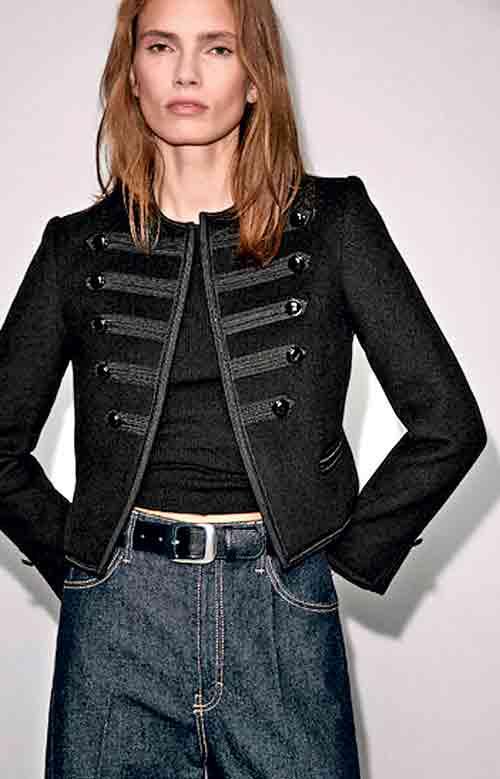
MANGO Military Blazer