 For much of the last decade, fashion appeared to distance itself from femininity. Beauty became something to interrogate, softness something to resist. Runways favoured severity over romance and strength was communicated through sharp tailoring, oversized silhouettes and neutral palettes. And yet, this season, something has shifted. Bows have returned. Lace feels intentional again. Soft pinks, pearls, silk dresses and fluid silhouettes are everywhere, styled with confidence and clarity. Designers are reintroducing romance without irony, reclaiming femininity without weakening it. Fashion, it seems, is falling back in love with beauty.
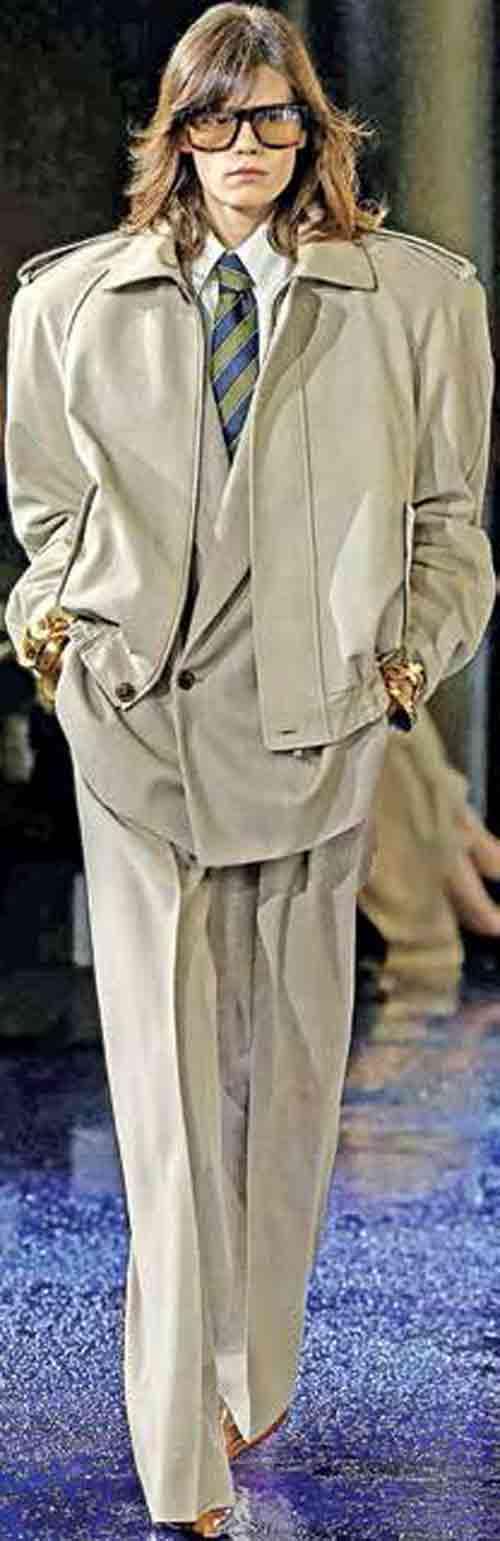
YSL
Why Did We Step Away from Femininity in the First Place?
To understand why femininity feels so powerful now, we must first understand why it was rejected. For years, traditionally feminine aesthetics became culturally misunderstood. Softness was associated with fragility. Romance was dismissed as frivolous. Ornate or decorative dressing was often framed as unserious, particularly in professional and public spaces where women were still fighting to be seen, heard and respected. As a result, fashion became a form of armour.
Power dressing grew sharper, louder and more literal. Strong shoulders, boxy silhouettes and stripped-back palettes weren’t just trends, they were tools. Dressing “hard” became a way to assert authority in environments still shaped by masculine codes of power. Fashion responded by swinging decisively in the opposite direction: rejecting ornament, rejecting softness, rejecting anything that felt traditionally feminine. Then came burnout.
Years of hustle culture, emotional labour and “strong at all costs” messaging left many women exhausted. The pandemic accelerated this reckoning, forcing a collective pause that exposed just how much energy had gone into performing resilience, often at the expense of emotional expression and self-connection. In this context, stepping away from femininity wasn’t a rejection of beauty. It was a survival mechanism.
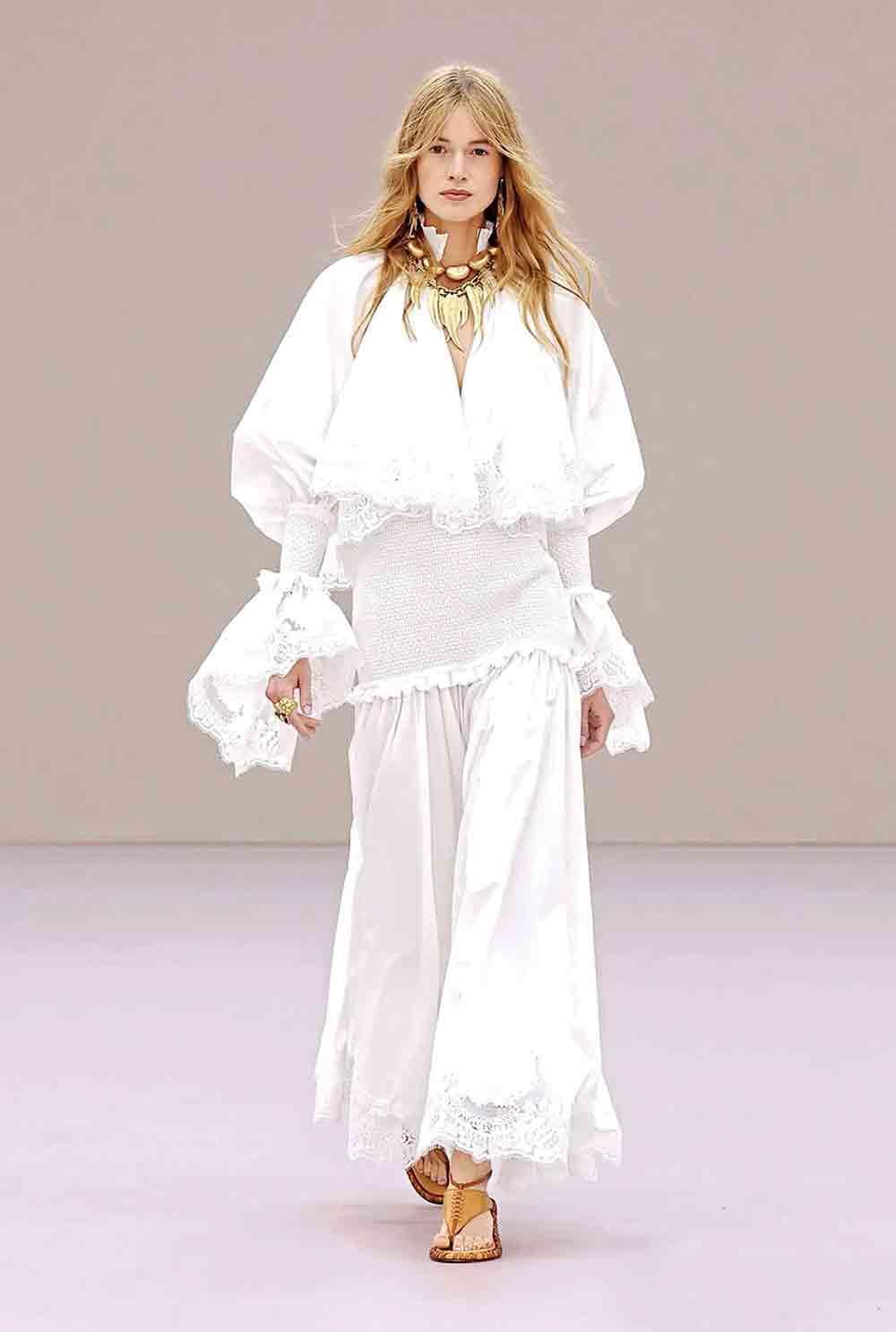
Zimmerman SS26
A Cultural Shift: From Resistance to Reconnection
Today’s return to femininity feels different because it’s not reactive, it’s reflective. Post-pandemic fashion is no longer obsessed with proving strength. Instead, it’s asking deeper questions: What feels good? What feels true? What feels human? Designers across the global fashion weeks have responded with collections that prioritise emotion as much as structure. Lace appears not as decoration but as architecture. Silk drapes with intention. Bows are scaled up, repositioned, modernised. Pearls are worn casually, even rebelliously. This is not about dressing to please others, it’s about dressing to reconnect with oneself. Softness now signals self-assurance rather than submission. Femininity has become a language of emotional intelligence, not weakness.
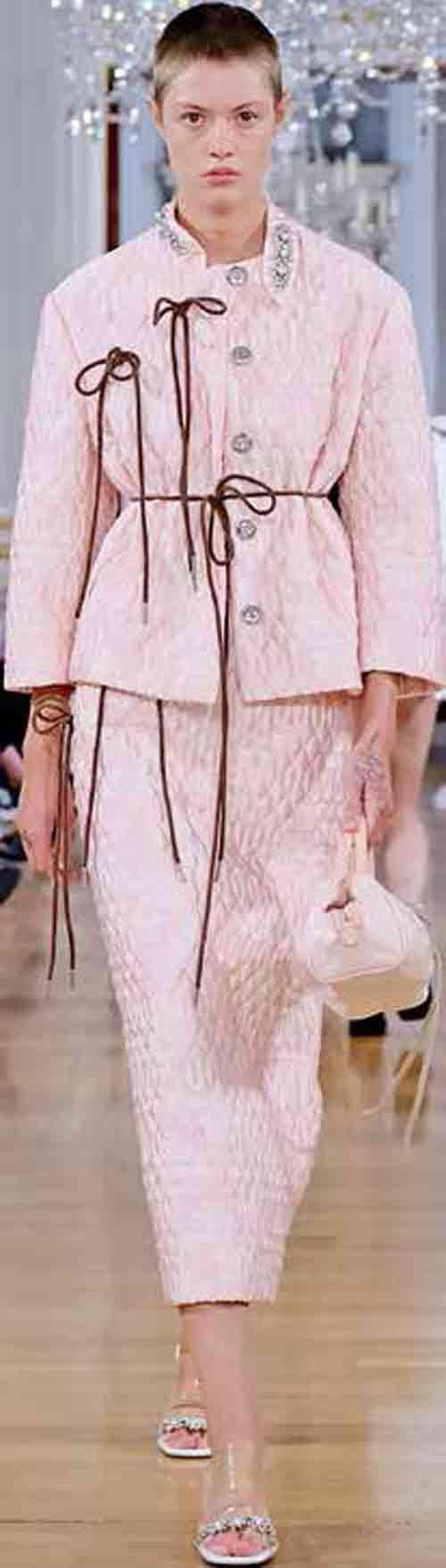
Simone Rocha SS26
The Runways Reclaim Romance
Recent seasons have seen designers actively reframe femininity through a contemporary lens. Romantic details appear alongside strong silhouettes rather than replacing them. Sheer fabrics are layered with precision. Pastels are grounded by tailoring. Lace is paired with confidence, not coyness. The message is clear: femininity does not need to be diluted to be modern.
What’s particularly interesting is that this resurgence is not uniform. Some designers approach femininity with delicacy and introspection; others with boldness and contrast. What unites them is intention. Beauty is no longer accidental, it’s chosen.
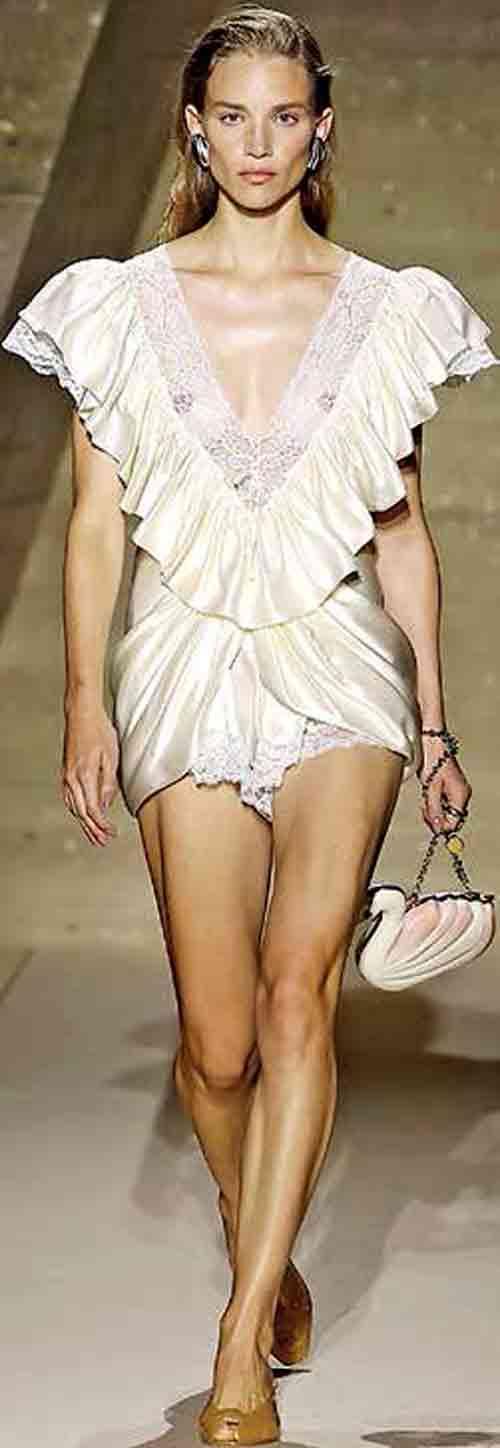
Chloe SS26
The Runways Reclaim Romance
Recent seasons have seen designers actively reframe femininity through a contemporary lens. Romantic details appear alongside strong silhouettes rather than replacing them. Sheer fabrics are layered with precision. Pastels are grounded by tailoring. Lace is paired with confidence, not coyness. The message is clear: femininity does not need to be diluted to be modern.
What’s particularly interesting is that this resurgence is not uniform. Some designers approach femininity with delicacy and introspection; others with boldness and contrast. What unites them is intention. Beauty is no longer accidental, it’s chosen.
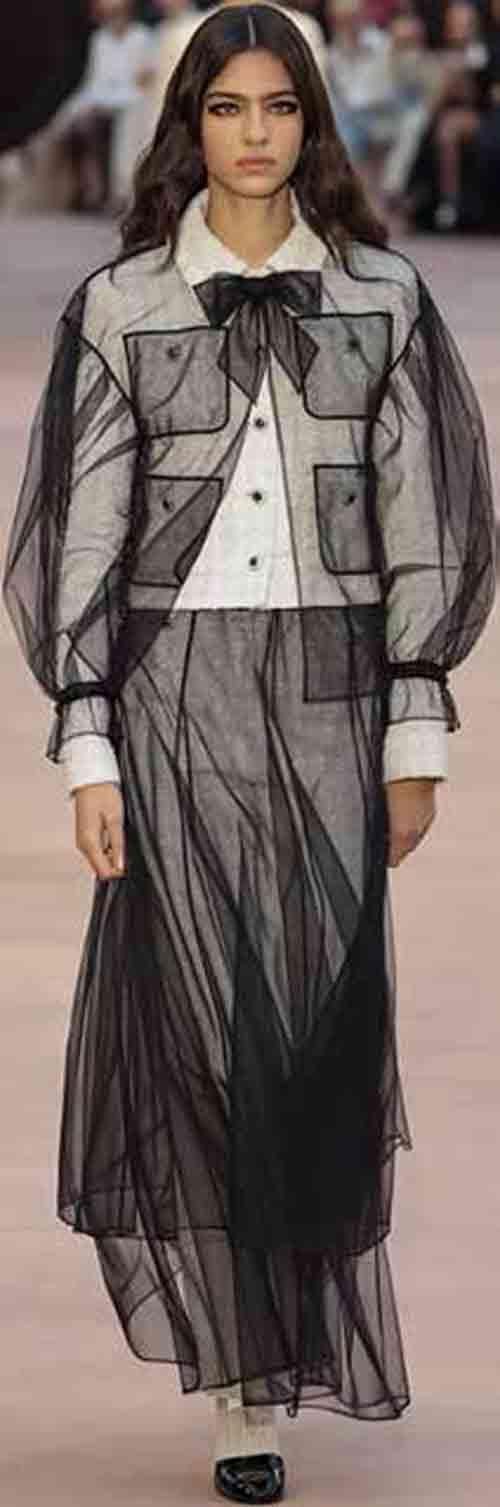
Chanel
The Runways Reclaim Romance
Recent seasons have seen designers actively reframe femininity through a contemporary lens. Romantic details appear alongside strong silhouettes rather than replacing them. Sheer fabrics are layered with precision. Pastels are grounded by tailoring. Lace is paired with confidence, not coyness. The message is clear: femininity does not need to be diluted to be modern.
What’s particularly interesting is that this resurgence is not uniform. Some designers approach femininity with delicacy and introspection; others with boldness and contrast. What unites them is intention. Beauty is no longer accidental, it’s chosen.
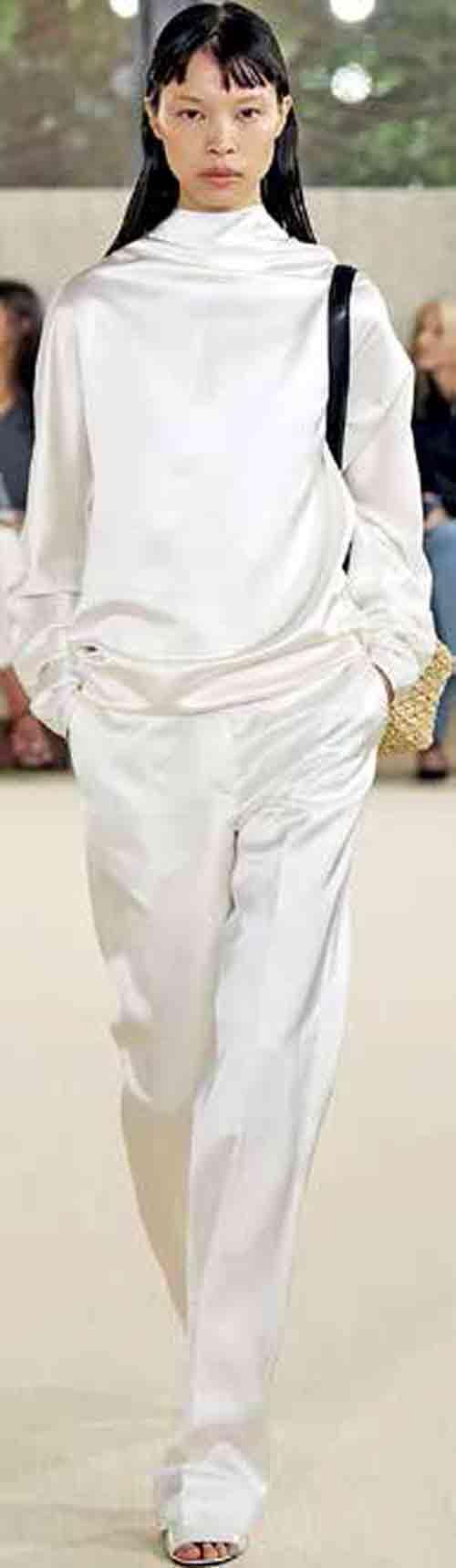
Toteme SS26
Beauty With Meaning
What makes this moment so compelling is that beauty has returned with purpose. Fashion’s renewed love affair with femininity isn’t about escaping reality. It’s about responding to it. It reflects a generation of women who are no longer interested in proving strength through denial, but through alignment. Femininity today is not fragile. It is grounded, self-aware and intentional. It’s not about being seen as soft; it’s about being secure enough to be.