Luxury Isn’t Loud Anymore How Quiet Craft Became the Real Status Symbol
 For decades, luxury announced itself before you even entered the room. It shimmered in logos, gleamed in monograms, and spoke a language designed to be instantly recognizable. The louder the branding, the clearer the message: I can afford this. I belong here.
By the end of 2025, that language has all but lost its authority. What replaced it is something far more discreet, and far more demanding. Luxury today does not shout. It whispers. It asks to be noticed only by those who know how to look. Provenance matters more than price tags. Touch outweighs trend. And the true markers of status are no longer visibility, but cultural literacy.
This shift did not happen overnight, nor did it emerge from marketing departments. It grew quietly, shaped by economic uncertainty, ethical fatigue, and a growing discomfort with spectacle. In a world saturated with content, the most powerful signal became restraint.
From Visible Wealth to Cultural Literacy
The old codes of luxury relied on instant legibility. A bag, a belt, a logo, you didn’t need to explain your taste; it spoke for you. But as luxury brands expanded, licensed, collaborated, and flooded global markets, visibility lost its exclusivity. When everyone can recognize the symbol, it no longer distinguishes the wearer.
By 2025, status moved inward. Knowing where something comes from, who made it, how long it took, what tradition it belongs to, became more valuable than being seen in the latest drop. Cultural literacy replaced conspicuous consumption. The question was no longer “How much did this cost?” but “Why did you choose this?”
This form of luxury is quieter, but it is also more demanding. It requires patience, curiosity, and discernment. It rewards those who can read nuance: the difference between hand-finished and mass-produced, between a heritage technique and a decorative imitation. It values context over clout.
In this landscape, luxury became less about ownership and more about understanding.
Imperfection as Proof of Taste
One of the most telling changes in recent years has been our relationship with imperfection. For decades, luxury promised flawlessness, perfect stitching, untouched surfaces, pristine finishes. Any deviation was considered a defect.
Today, the opposite is true.
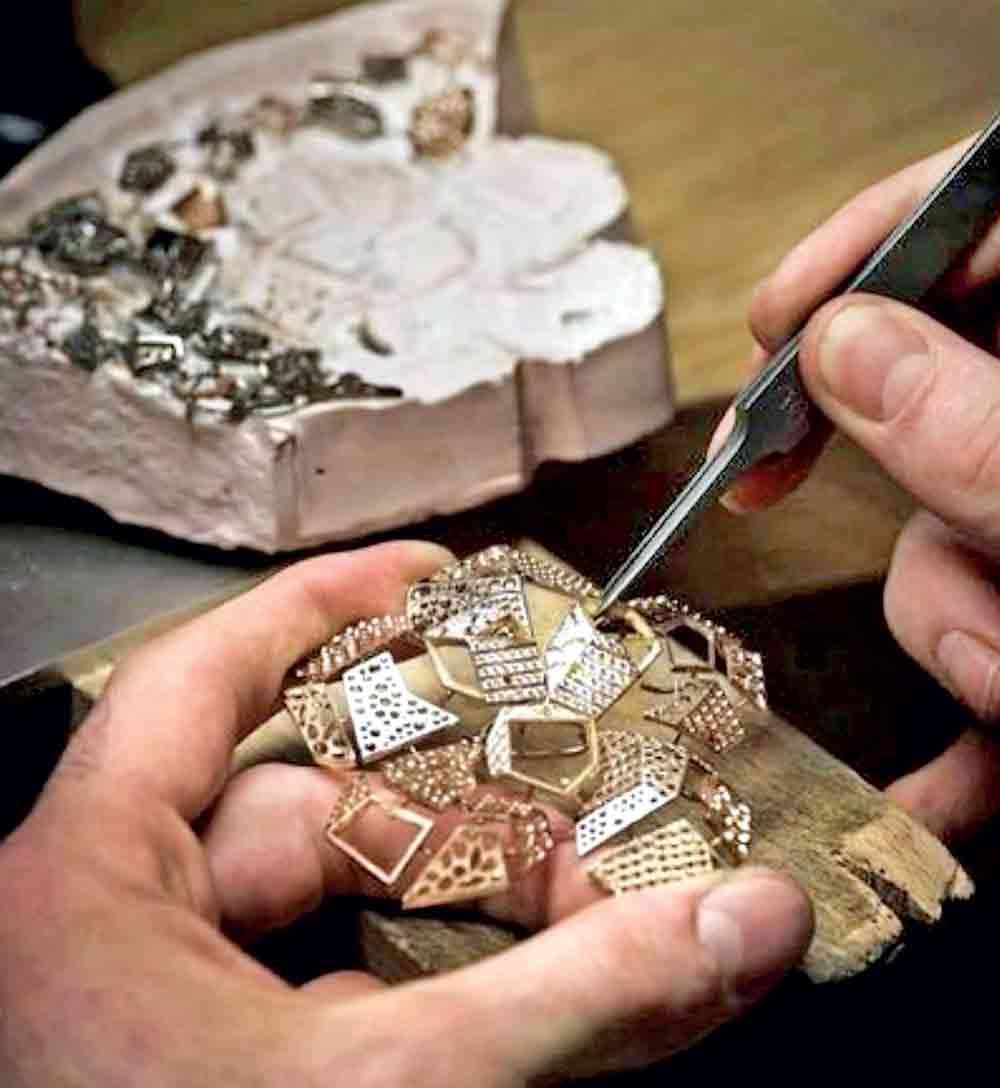
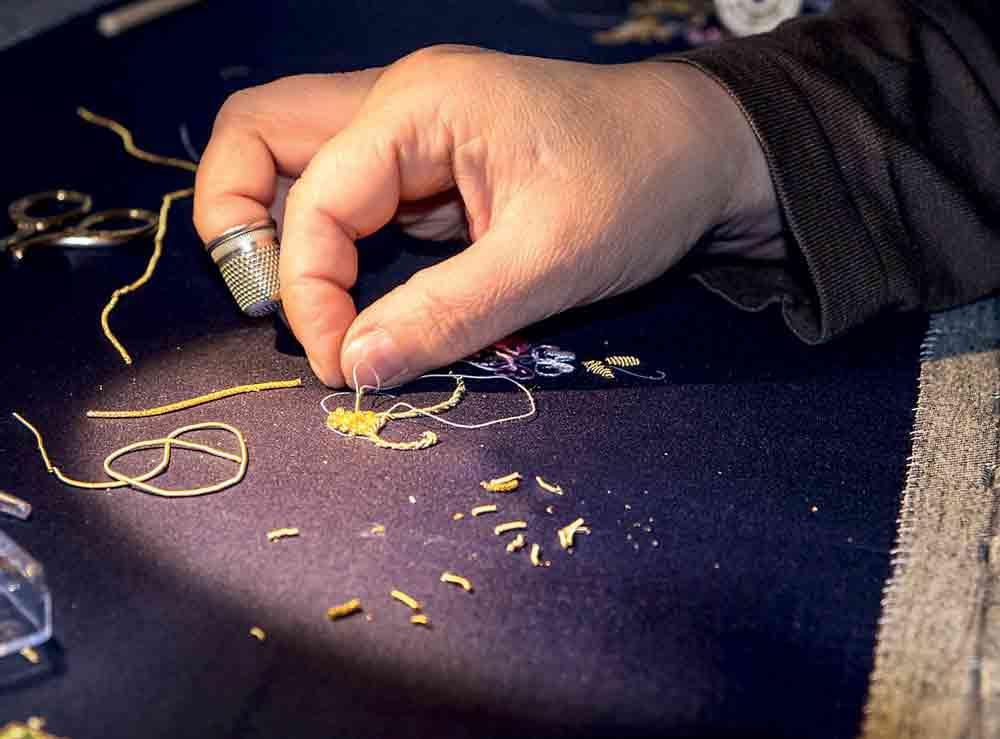
Handcraft announces itself through irregularity. Slight variations in weave, subtle inconsistencies in dye, repair marks that reveal a garment’s life, these are no longer hidden. They are highlighted. They signal that a human hand was involved, that time was taken, that the object has a story beyond the showroom.
Repair, once associated with frugality or necessity, has become a mark of care. A mended seam or reinforced edge now reads as intention, not compromise. It tells us the wearer values longevity over novelty, relationship over replacement.
This shift reflects a deeper cultural change. In a world defined by algorithmic perfection, filtered faces, AI-generated images, optimized feeds, imperfection feels grounding. It reminds us of touch, labour, and presence. Quiet luxury does not erase the human; it centers it.
When Artisans Outpaced Influencers
Perhaps the most unexpected development of the past few years has been the quiet rise of the artisan as tastemaker.
For over a decade, influencers dominated fashion’s attention economy. Trends were validated by visibility, reach, and virality. But by 2025, saturation took its toll. Endless hauls, performative sustainability claims, and rapid trend cycling eroded trust. Audiences grew skeptical, then tired.
Meanwhile, artisans kept working.
Without algorithms or amplification, craftspeople continued refining their techniques, passing down knowledge, and producing objects rooted in place and tradition. They did not compete for attention; they waited for recognition. And slowly, the balance shifted.

Collectors, designers, and discerning consumers began seeking makers, not marketers. They followed ateliers instead of personalities. They valued process over performance. In doing so, artisans quietly outpaced influencers; not in numbers, but in influence.
This was not a rejection of modernity, but a recalibration of value. The authority of making regained ground from the authority of visibility.
What This Means for South Asia and Heritage Craft Economies
For regions like South Asia, this shift carries profound implications.
For decades, craft economies across Sri Lanka, India, Bangladesh, and beyond were positioned as peripheral, sources of labour rather than authorship, skill rather than intellect. Handloom, embroidery, lace, and metalwork were celebrated in theory, yet undervalued in practice. The global fashion system extracted technique while obscuring origin.
Quiet luxury disrupts that imbalance.
When provenance becomes central to value, heritage regions move from the margins to the centre of the conversation. Craft is no longer a decorative add-on; it is the product. The story is not an afterthought; it is intrinsic.
This creates opportunity, but also responsibility.
As global attention turns toward heritage techniques, the risk of romanticization returns. Craft must not be reduced to nostalgia or aesthetics. It must be engaged with as a living economy, sustained by fair compensation, long-term partnerships, and respect for cultural ownership.
True quiet luxury does not merely reference heritage; it invests in its continuity.
For South Asia, this moment offers a chance to redefine its role in the global fashion hierarchy, not as a supplier of invisible labour, but as a source of knowledge, innovation, and taste.
The Franco–Sri Lankan Lens: Between Restraint and Richness
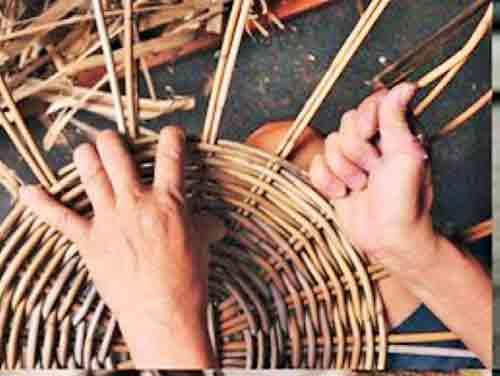
Viewing this shift through a Franco–Sri Lankan lens reveals its deeper texture.
French luxury has long understood restraint. Its most powerful expressions rely on cut, material, and proportion rather than embellishment. Sri Lankan craft, on the other hand, carries richness, of handwork, heritage, and material. When these sensibilities meet, they do not compete; they clarify each other.
Quiet luxury lives precisely at this intersection.
It is not minimal for the sake of austerity, nor ornate for the sake of display. It is intentional. Every detail earns its place. Every choice is considered.
In this space, luxury is not about excess, but about editing. Not about accumulation, but about alignment.
A New Social Signal
Perhaps the most telling aspect of quiet luxury is what it signals socially.
Wearing something understated today does not mean opting out of fashion; it means opting into a more complex conversation. It signals confidence without performance. It suggests that the wearer does not need validation from strangers, because their relationship with the object is sufficient.
This is a profound reversal of fashion’s recent past.
Luxury is no longer aspirational in the traditional sense. It is relational. It asks: Do you know this piece? Do you understand its lineage? Are you willing to care for it?
In answering yes, the wearer aligns themselves not with wealth alone, but with values, patience, discernment, responsibility.
Looking Ahead
As we move beyond 2025, it is clear that luxury’s future will not be defined by volume, visibility, or velocity. It will be defined by depth.
Quiet craft did not become the real status symbol because it is trendy. It did so because it offers something increasingly rare: meaning without noise, beauty without spectacle, and value that does not need to be announced.
In a world that has learned the cost of excess, restraint has become the ultimate sophistication.
Luxury, it turns out, was never about being seen. Luxury is not a spectacle. It is a statement of individuality, understood only by those who recognize the difference.