World Cancer Day 2026
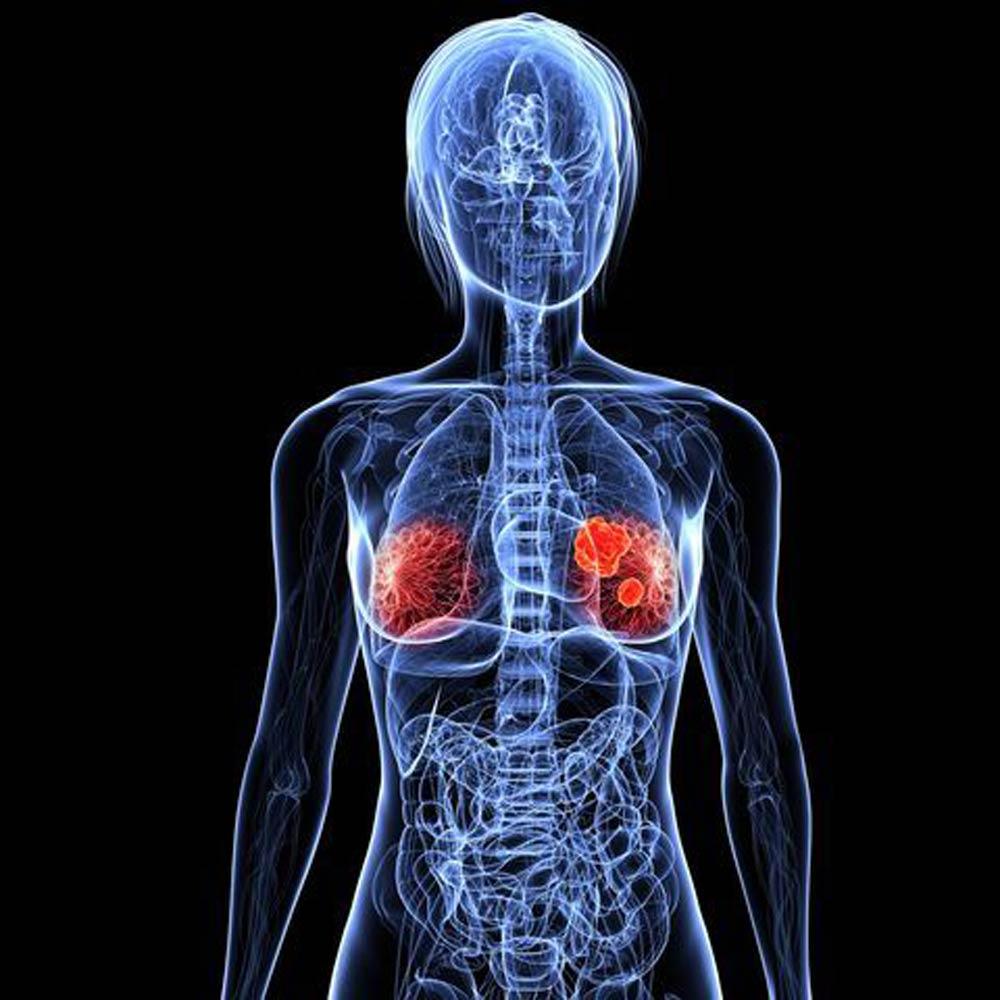
Cancer is one of the world’s most widespread health challenges, touching millions of lives every year. But while genetics and environment play a role in cancer development, research shows that a major portion of cancer cases are linked to modifiable lifestyle factors. That means what we eat, how we move, whether we use tobacco, and how we manage stress and our environment can significantly alter our cancer risk. This World Cancer Day on February 4th, global health experts are reminding people that prevention matters and that everyday choices can be powerful tools in reducing cancer risk.
 Understanding the connection between lifestyle and cancer begins with one major realization: cancer doesn’t happen overnight. In most cases, it develops gradually over many years, influenced by biological, environmental, and behavioral factors. While we cannot change our age, sex, or family history, we can influence our habits. Research from leading health organizations including the World Health Organization (WHO) and cancer research institutes worldwide suggests that at least one‑third of the most common cancers could be prevented through healthy living. That is a staggering number, and it underscores the enormous potential of prevention.
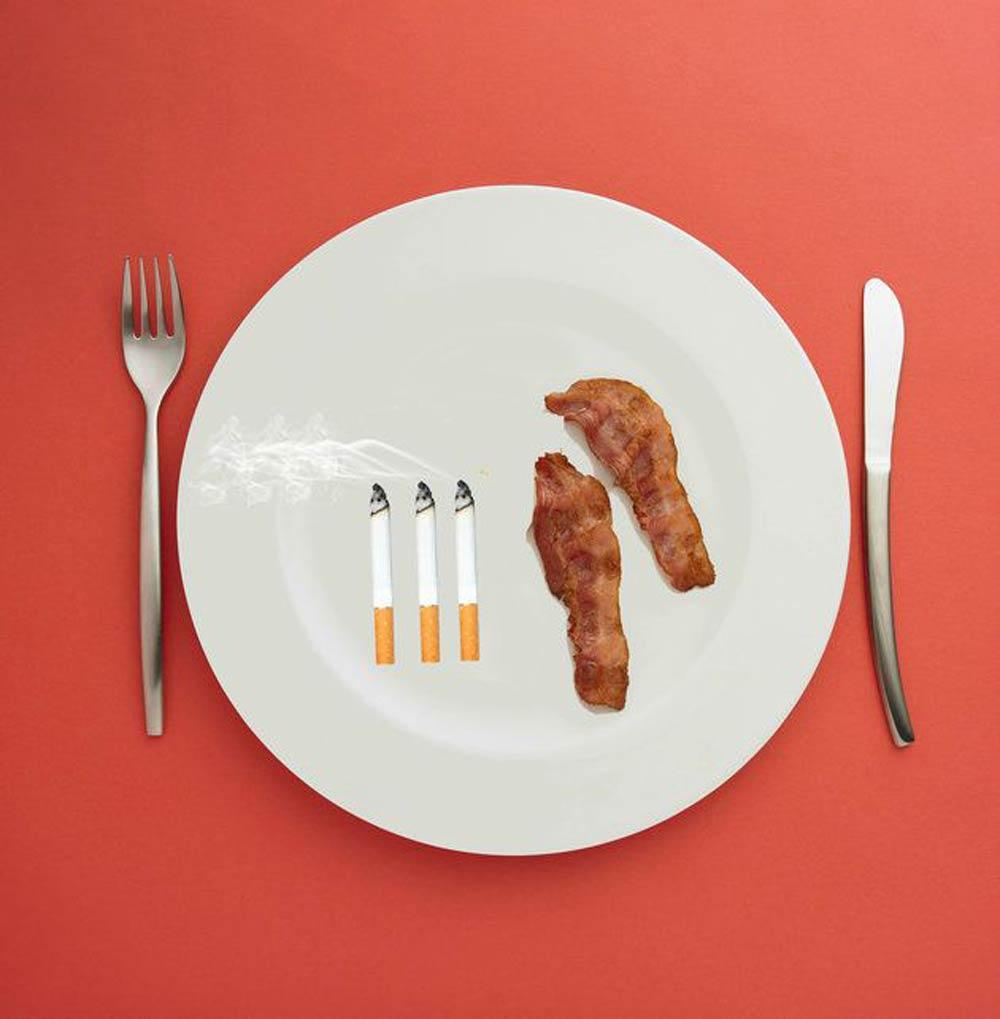
One of the most significant risk factors for cancer is tobacco use. Tobacco smoke contains thousands of chemicals, many of which are proven carcinogens substances that can cause cancer. Smoking not only dramatically increases the risk of lung cancer, the deadliest cancer worldwide, but also contributes to cancers of the mouth, throat, pancreas, bladder, kidney, and cervix. Even exposure to secondhand smoke passive inhalation from the environment can increase cancer risk for non‑smokers, especially children and family members living with smokers.
The good news is that quitting smoking at any age can drastically reduce your risk over time. Former smokers can see improvements in health within a few years of cessation, and quitting before middle age can bring cancer risk very close to that of a never‑smoker. Tobacco control isn’t just about personal willpower it includes policy measures such as taxation, smoke‑free spaces, and support programs for cessation. At the individual level, however, every decision to avoid tobacco in any form is a step toward cancer prevention.
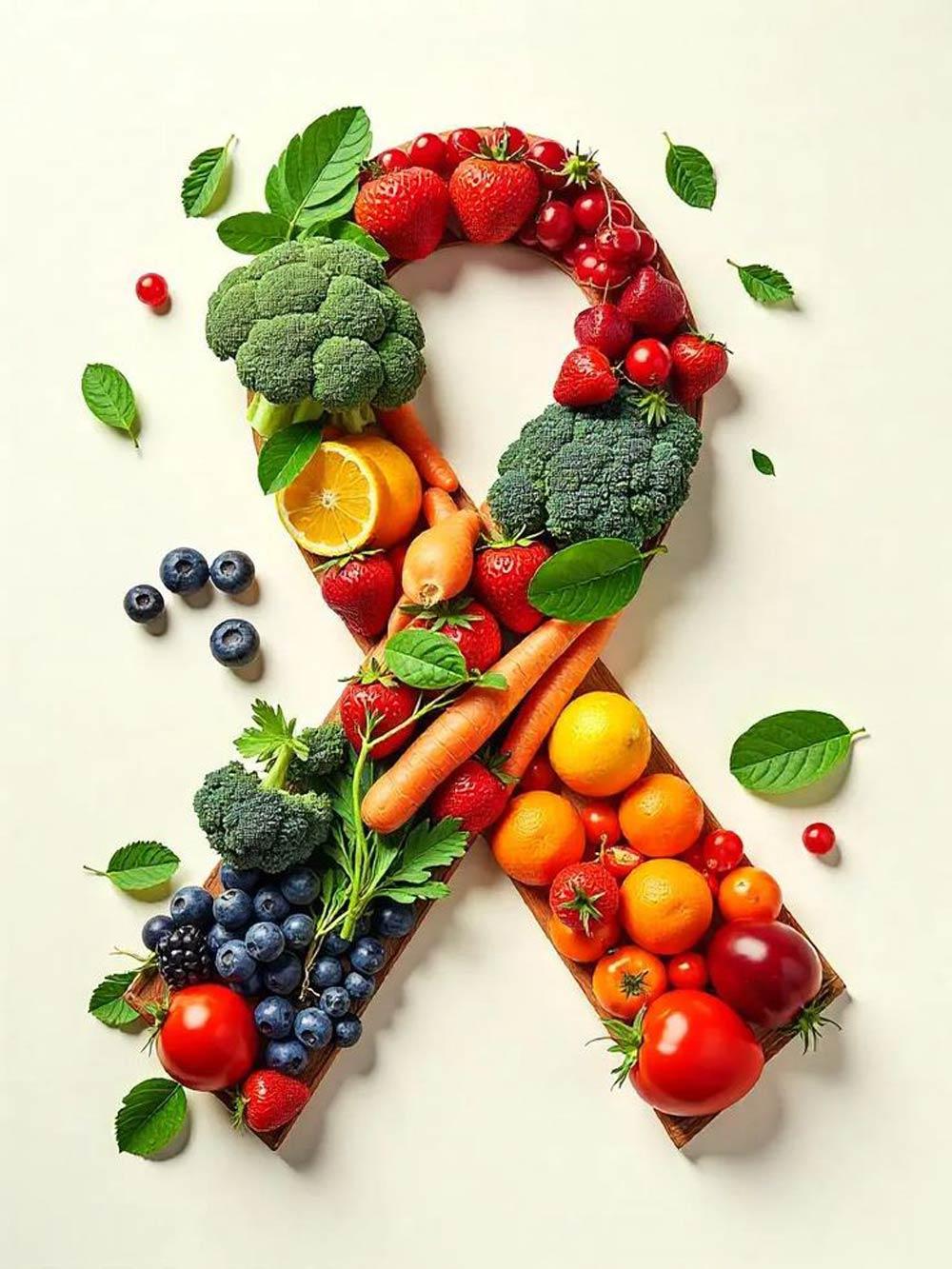
Diet and nutrition are also central to cancer prevention. A balanced, nutrient‑rich diet helps maintain a healthy weight, supports the immune system, and reduces inflammation all protective factors against cancer. Studies consistently show that diets high in fruits, vegetables, whole grains, legumes, nuts, and seeds are associated with lower risks of several cancers, including colorectal, stomach, and mouth cancers. These foods are rich in fiber, vitamins, minerals, and phytochemicals compounds that support cell health and protect against DNA damage.
In contrast, high consumption of processed meats, high‑calorie sugary foods, and refined carbohydrates has been linked to increased risk for several cancers. For example, processed meats like sausages, bacon, and deli meats contain nitrites and other additives that may promote cancerous changes in the body. Similarly, excessive sugar intake contributes to obesity, a well‑established risk factor for many cancers.
Healthy eating doesn’t have to be complicated. Simple strategies such as filling half your plate with colorful vegetables, choosing whole grains over refined options, and limiting processed foods and sugary drinks can make a big difference over time. Small daily improvements add up and they help support overall wellbeing beyond cancer prevention.
Maintaining a healthy weight through balanced nutrition and regular physical activity is another powerful protective factor. Obesity is linked to a higher risk of multiple cancers, including breast, colon, endometrial, kidney, and pancreatic cancers. Body fat, especially around the abdomen, produces hormones and inflammatory molecules that can promote the growth of cancer cells. Physical activity helps regulate hormone levels, improves immune function, and supports healthy metabolism.
International health guidelines recommend at least 150 minutes of moderate‑intensity aerobic activity per week such as brisk walking, cycling, swimming, or dancing and strength training activities at least twice weekly. But activity doesn’t have to be structured to be beneficial. Taking the stairs instead of the elevator, walking or cycling for short trips, and playing sports or games with friends or family all count toward your activity goals and contribute to health.
Alcohol consumption is another lifestyle factor with strong links to cancer. Alcohol is classified by the International Agency for Research on Cancer (IARC) as a Group 1 carcinogen, meaning there is sufficient evidence that it can cause cancer in humans. Regular drinking increases the risk of cancers of the mouth, throat, liver, breast, and colon. Alcohol’s harmful effects are related to how it is broken down in the body; its byproducts can damage DNA and interfere with the body’s ability to repair cellular damage. While complete avoidance of alcohol provides the strongest protective effect, individuals who choose to drink can reduce their risk by limiting intake. Public health guidelines often recommend no more than one drink per day for women and two for men, but even occasional heavy drinking episodes can increase risk.
Some cancer risks are linked to infections that can be prevented or controlled. For example, the human papillomavirus (HPV) is known to cause cervical cancer as well as cancers of the anus, penis, and oropharynx (throat). Vaccines against HPV now widely available and recommended for preteens and young adults can prevent infection with the high‑risk strains of the virus most likely to cause cancer. Hepatitis B and C viruses can cause chronic liver infection, which in turn increases the risk of liver cancer. Hepatitis B vaccination, safe medical practices, and screening for hepatitis C help reduce this risk.
Even exposure to the sun plays a role in cancer prevention. Ultraviolet (UV) radiation from the sun or tanning beds can damage DNA in skin cells and lead to skin cancer, including melanoma, which is more dangerous than most other skin cancers. Simple protective habits such as using broad‑spectrum sunscreen, wearing hats and protective clothing, and avoiding sun exposure during peak hours can significantly reduce your risk.
Beyond these well‑established factors, recent research has also highlighted the importance of sleep quality and stress management in cancer prevention. Poor sleep patterns and chronic stress indirectly influence cancer risk by weakening immune function, disrupting hormone regulation, and contributing to unhealthy coping behaviors like overeating or smoking. Prioritizing restful sleep, 7 to 9 hours per night for most adults along with stress‑reducing practices such as meditation, deep breathing, time in nature, or regular social connection all support long‑term health.
It’s important to emphasize that no single lifestyle change guarantees cancer prevention. Many factors, including genetics and environmental exposures, influence cancer risk. However, the cumulative impact of healthy choices can greatly reduce overall risk and boost resilience.
What’s more, lifestyle modification offers benefits far beyond cancer prevention. Healthy eating, physical activity, stress management, and avoidance of harmful substances also protect against heart disease, diabetes, stroke, and many chronic conditions that affect quality of life.
This World Cancer Day, the global health community invites individuals, families, schools, workplaces, and governments to reaffirm their commitment to prevention. Public health initiatives that promote tobacco cessation, access to healthy foods, active transportation like walking and cycling, vaccination programs, and education about cancer risks are vital. Communities that prioritize health create environments where individuals can make positive choices more easily and sustainably.
Ultimately, cancer prevention is a shared responsibility between individuals and the societies in which they live. Individuals can take daily steps toward healthier habits, but policymakers, educators, employers, and health systems must also create conditions that support these choices. When communities come together to promote health from smoke‑free policies to safe spaces for physical activity everyone benefits.
On February 4th and beyond, let this World Cancer Day be a reminder that your lifestyle choices matter. By choosing health, you are choosing resilience, longevity, and wellbeing. Small steps like quitting tobacco, choosing a colorful plate, staying active, limiting alcohol, protecting against infections, and prioritizing sleep and stress relief can make a lasting impact. In the fight against cancer, prevention is one of our strongest tools and it’s available to every one of us.