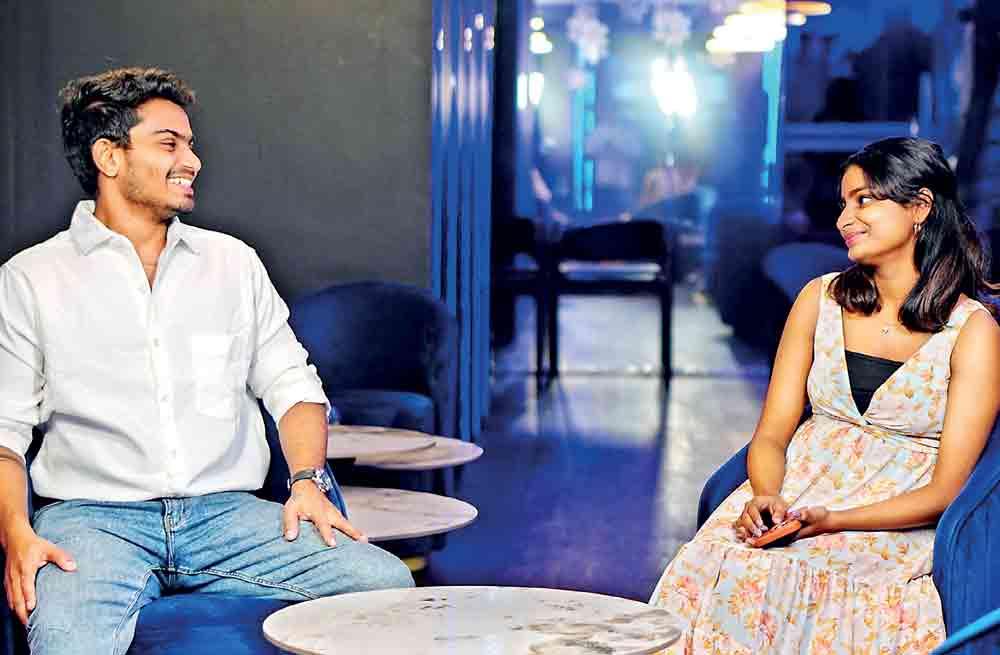
 In a dining culture that is often driven by formality, exclusivity, and rigid rules, Tilapiya Colombo has quietly created something refreshingly different. It is a place where people do not just come to eat but to connect, celebrate, and feel at ease. From its pioneering free BYOB concept with zero corkage to its private dining rooms, karaoke spaces, nightly live music, and indulgent all you can eat menus, Tilapiya has positioned itself as one of Colombo’s most socially vibrant food destinations. Founded by four friends Chanuka Suraweera, Hashan Jayamaha, Chandu De Silva, and Madhushan Thiwantha the restaurant was built on a simple but powerful idea. Great food tastes even better when it is shared in good company. In this conversation, cofounders Chanuka and Chandu reflect on the journey of building Tilapiya, the challenges behind its success, and the philosophy that continues to shape its growing community.
Chanuka Suraweera
Q One of Tilapiya’s most distinctive features is its free BYOB model combined with live music, private dining rooms, karaoke, and an all you can eat concept. What inspired this unique positioning and what were the early challenges in making it work?
The idea came from something very personal. All four of us wanted to create a place where people could feel as relaxed as they would in a friend’s home. In Sri Lanka, going out to eat often comes with unspoken rules about what you can drink, how long you can stay, and how you should behave. We wanted to remove that pressure. The BYOB concept with zero corkage was our way of telling guests that they are welcome to celebrate in their own way. The live music, karaoke rooms, and private dining spaces were added so that every type of gathering from a birthday to a reunion or even a casual night out could feel special. The biggest challenge was balancing all of this with quality. When you offer so much freedom and value, it becomes harder to maintain consistency. But we believed that if we stayed committed to good food and good service, people would respond, and they did.
Q Most restaurants rely heavily on beverage sales for profit, but Tilapiya chose to focus instead on food quality and value. How has this shaped your financial model and supplier relationships?
It forced us to be very disciplined. Since we were not relying on alcohol sales, we had to make sure every part of our food operation was efficient. We invested a lot of time in building strong relationships with suppliers so that we could get high quality ingredients at fair prices.
We also pay close attention to wastage and portion control without ever compromising on generosity. The menus are designed to be both exciting and sustainable, which is especially important for an all you can eat concept. This model means that our success depends on guest satisfaction rather than on pushing high margin drinks. When people enjoy the food and the experience, they come back, and that loyalty is far more valuable than a single sale.
Q Tilapiya has grown rapidly in popularity. How do you envision the brand evolving across Sri Lanka in the coming years?
We see Tilapiya becoming a name that people across the country associate with warmth, quality, and consistency. We are not interested in expanding just for the sake of it. Every new outlet has to feel like Tilapiya, not just look like it. That means taking the time to train teams properly, design spaces that feel personal, and adapt to each location while keeping our core values intact. Franchising is something we are open to, but only with partners who truly understand what the brand stands for. We are also constantly working on menu innovation so that even regular guests can always discover something new.
Q Starting any new hospitality venture comes with obstacles. What were some of the toughest moments during the launch phase?
Building trust was one of the hardest parts. When you are a new brand, people do not know what to expect, and Colombo is a very competitive dining market. We also had to deal with operational pressures, especially on busy nights when every table is full, and expectations are high. There were moments when we had to make quick decisions, sometimes learning the hard way what worked and what did not. But those challenges taught us how to improve. We listened to feedback, supported our team, and kept refining the experience. Those early struggles really shaped the culture of Tilapiya.
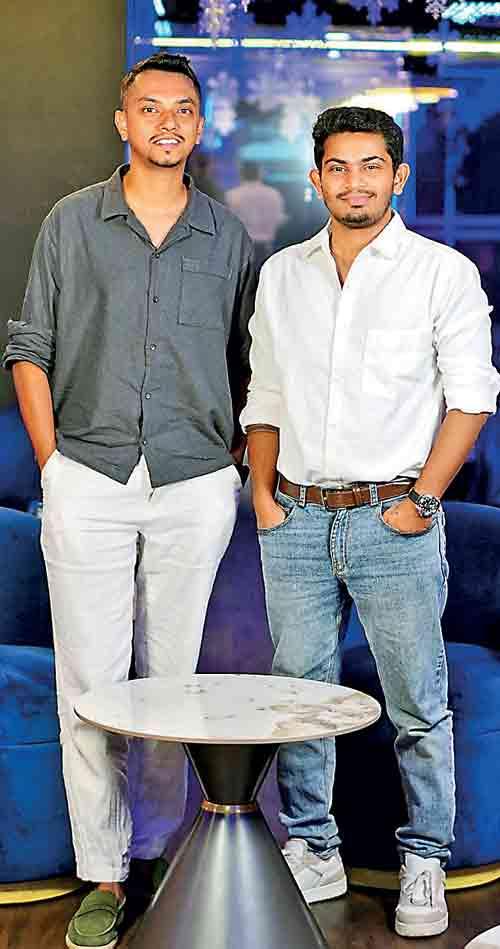
Chandu De Silva
Q Tilapiya’s philosophy is centred on bringing people together through good food and good company. How does this belief influence your approach to design and daily operations?
For us, this philosophy is not just something written on a wall. It is something we live by. When we were designing Tilapiya, we did not want it to feel like a typical restaurant. We wanted it to feel like a space where people could linger, laugh, and be themselves. Every corner has a personal touch from the four of us. During the renovation process, I spent a lot of time with the teams upstairs and downstairs, experimenting with layouts, lighting, and even small decorative details. The goal was to create an environment that feels warm and inviting but still stylish. In daily operations, this means making sure every guest feels seen and welcomed, not rushed in and out.
Q You have often described Tilapiya as a place for fraternizing. How do you and your team create that social energy night after night?
It starts with the people. Our staff are encouraged to be friendly, natural, and attentive rather than overly formal. We want guests to feel like they are among friends. The live music plays a huge role in setting the mood, as do the communal seating areas and the way the spaces flow into one another. Even the timing of our service is designed to allow people to relax and enjoy the evening without feeling pressured. All of these elements come together to create an atmosphere that feels alive and welcoming.
Q Tilapiya has received several awards, including the SLIM Brand Excellence Gold Award. What does this recognition mean to you and the team?
Awards like that are incredibly meaningful because they acknowledge not just the business but the story behind it. Tilapiya was built with a lot of heart. We took risks, we trusted our instincts, and we worked closely with a passionate team who believed in the vision. Being recognised on a national level tells us that people connect with what we are trying to do. It is a reminder that authenticity still matters in branding and hospitality.
Q Many restaurants focus purely on cuisine, but Tilapiya has become a social destination. Was that part of the original plan?
We always knew we wanted great food, but the social side developed naturally. Guests started telling us that they loved the feeling of being here just as much as what they were eating. They came for birthdays, reunions, and spontaneous nights out. We paid attention to that and leaned into it. Over time, Tilapiya became a place where memories are made, not just meals. It is a beautiful example of how listening to your community can shape your brand.
Q Tilapiya was founded by four close friends. How do you maintain balance between friendship and business when decisions get difficult?
It is not always easy, but we are very open with each other. We respect each other’s opinions, and we do not let disagreements become personal. At the end of the day, we all want what is best for Tilapiya. We treat challenges as something we face together rather than as individuals. That sense of unity is what keeps both our friendship and our business strong.
Tilapiya Colombo stands out not just for what it serves but for how it makes people feel. Guests are free to bring their own bottles, enjoy live music, sing in private karaoke rooms, and indulge in generous all you can eat menus, all within a space designed for connection and comfort.
The founders’ motto of By Friends, For Friends is visible in every detail, from the welcoming interiors to the carefully curated dishes. What began as a shared dream between four friends has grown into a vibrant social hub that continues to redefine what dining in Colombo can be.