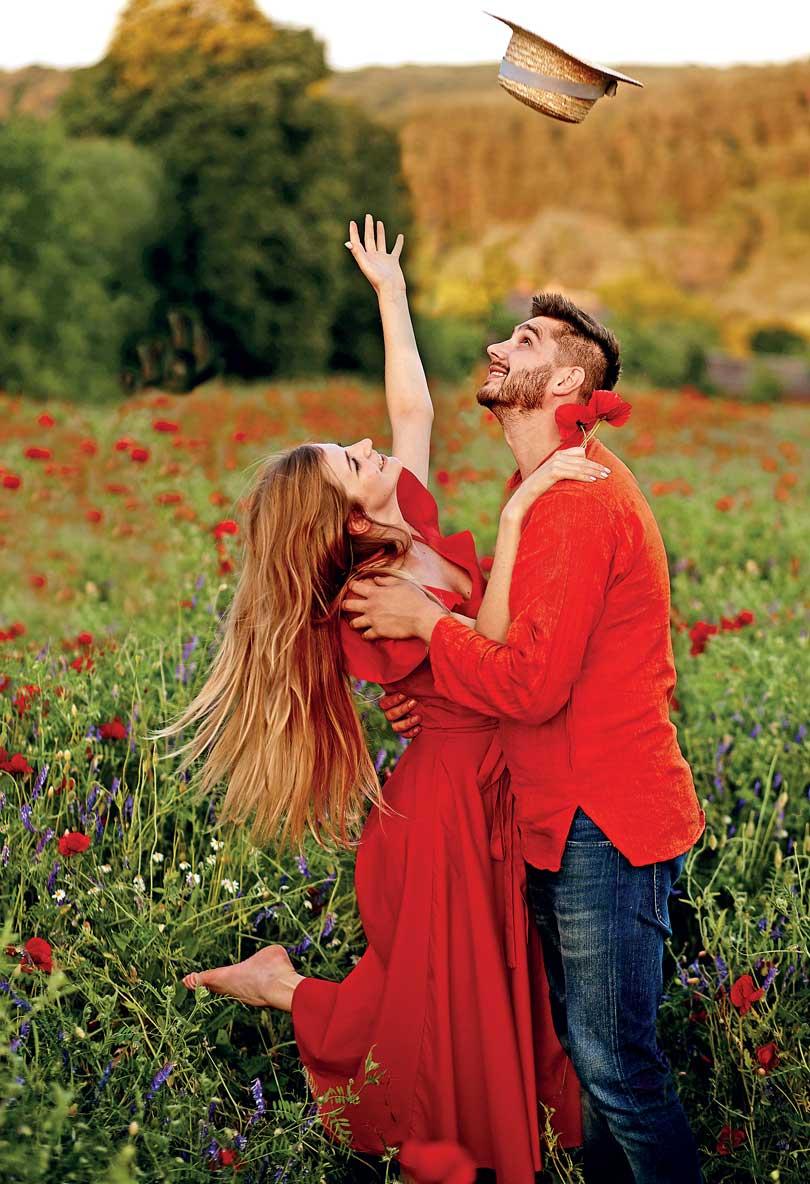
Every year, as February 14th approaches, the world suddenly turns pink and red. Shops overflow with heart-shaped chocolates, teddy bears hold tiny love notes, restaurants advertise candlelit dinners, and social media feeds become a highlight reel of couples showing off bouquets and surprise gifts. Valentine’s Day feels like a global reminder that love exists, and while that’s beautiful, it also raises an important question: why do we limit celebrating love to just one day a year? Love isn’t something that magically appears on February 14th and disappears on the 15th. It’s present in everyday moments, in small gestures, quiet sacrifices, shared laughter, and even arguments that end in understanding. Real love lives in the ordinary. It’s the cup of tea made without asking, the late-night phone call just to check in, the patience shown on tough days, and the comfort of knowing someone is there for you. When we reduce love to a single date on the calendar, we risk turning something deep and meaningful into something performative and occasional.
Valentine’s Day often comes with pressure. Pressure to plan the perfect date, buy the perfect gift, post the perfect photo, and prove that your relationship is strong and romantic. For many couples, it becomes less about connection and more about meeting expectations. Some people spend beyond their budget, others feel disappointed when things don’t go as imagined, and singles may feel lonely or left out. A day that’s meant to celebrate love can sometimes create stress, comparison, and emotional discomfort. Love, in its truest form, doesn’t thrive on grand gestures once a year. It grows through consistency. A relationship that is nurtured daily, through communication, respect, and effort, will always feel richer than one that relies on occasional celebrations. It’s easy to buy flowers on Valentine’s Day because everyone else is doing it. What’s harder, and more meaningful, is showing love when there’s no special occasion pushing you to do so.
Think about the moments that truly make you feel loved. Chances are, they aren’t tied to a holiday. They’re the random compliments, the surprise messages, the long talks after a bad day, the inside jokes, and the support during hard times. Those moments create emotional security and trust. They are the foundation of strong relationships, not fancy dinners or expensive gifts once a year. Celebrating love every day doesn’t mean doing something big all the time. It’s about intention. It’s about being present. It’s listening when your partner talks, even when you’re tired. It’s apologizing when you’re wrong. It’s choosing kindness during disagreements. It’s remembering what makes the other person smile. These daily choices are what keep love alive and healthy.
Another reason love should be celebrated beyond February 14th is that love isn’t only romantic. Society often frames Valentine’s Day around couples, but love exists in many forms: family love, friendships, self-love, and even love for community. Parents who work tirelessly for their children, friends who stand by each other during difficult times, and siblings who protect and support one another, these are powerful expressions of love that deserve recognition, too. When we limit love to romantic relationships on a single day, we overlook the richness of human connection. A friend checking up on you when you’re feeling low, a grandparent telling stories filled with wisdom, a sibling sharing a laugh after a long day, these moments are just as valuable as roses and chocolates. Celebrating love every day means appreciating all the relationships that bring warmth into our lives. Self-love is another aspect often forgotten in Valentine’s Day conversations. Many people feel incomplete if they don’t have a partner on February 14th. But loving yourself is just as important as loving someone else. Taking care of your mental health, setting boundaries, celebrating your achievements, and being kind to yourself are all forms of love. When you practice self-love daily, you build confidence and emotional strength, which positively affects every relationship you have. Valentine’s Day can sometimes make people feel that love has a timeline, that by a certain age, you should have someone special. This mindset can push people into relationships that aren’t healthy just to avoid being alone on a holiday. But real love isn’t about meeting societal expectations or posting cute pictures online. It’s about finding a connection that feels right, respectful, and genuine. Love should be something that adds happiness to your life, not pressure.
In reality, relationships go through ups and downs. There are days filled with joy and others filled with misunderstandings. Celebrating love every day means choosing each other even on the hard days. It means working through problems instead of avoiding them. It means growing together. A relationship that only shines on special occasions but struggles the rest of the year isn’t truly being nurtured. Another interesting thing about Valentine’s Day is how commercialised it has become. Businesses profit massively from the idea that love must be expressed through purchases. While gifts can be sweet, they shouldn’t be the main measure of affection. Love isn’t about how expensive the present is. It’s about thoughtfulness. A handwritten note, a home-cooked meal, or simply spending quality time together often holds more emotional value than something bought last-minute because the calendar demanded it.
When love is celebrated daily, it becomes more authentic. You don’t wait for a special date to express appreciation. You say “I love you” when you feel it. You show care when it’s needed. You create memories naturally, without pressure. These everyday moments build a deeper emotional bond that no single holiday can replace. Celebrating love every day also helps strengthen communication. When couples regularly express gratitude and affection, they feel more connected and understood. Simple habits like checking in on each other’s feelings, expressing appreciation, and spending intentional time together can significantly improve relationship satisfaction. Love becomes something active, not passive.
This doesn’t mean Valentine’s Day should be ignored or disliked. It can still be a beautiful day to do something special, reflect on relationships, and express affection. The problem arises when it becomes the only day love is emphasized. Valentine’s Day should be a bonus, not the main event. Imagine if people treated love like they treat health. You don’t only eat healthy or exercise once a year and expect to feel good. You make small, consistent choices every day. Love works the same way. It needs daily care, attention, and effort to remain strong. When we shift our mindset from “one day of love” to “everyday love,” relationships become more meaningful and fulfilling. We stop chasing perfect moments and start appreciating real ones. We become more patient, more grateful, and more emotionally aware. Love is found in morning greetings, in checking if someone reached home safely, in remembering important details about their life, in supporting dreams, and in standing by them during struggles. These everyday expressions matter far more than any holiday celebration.
In the end, love isn’t a performance for one day. It’s a continuous journey. It’s built in ordinary moments that slowly turn into extraordinary memories. Valentine’s Day can be a lovely reminder to appreciate love, but it shouldn’t be the only time we do so. So, instead of waiting for February 14th to show affection, let love flow freely throughout the year. Say the kind words today. Make the effort now. Celebrate the people who matter, not just with gifts, but with presence, respect, and care. Because when love is celebrated every day, it becomes stronger, deeper, and more real. And that kind of love doesn’t need a calendar to survive; it simply lives in the heart, every single day.